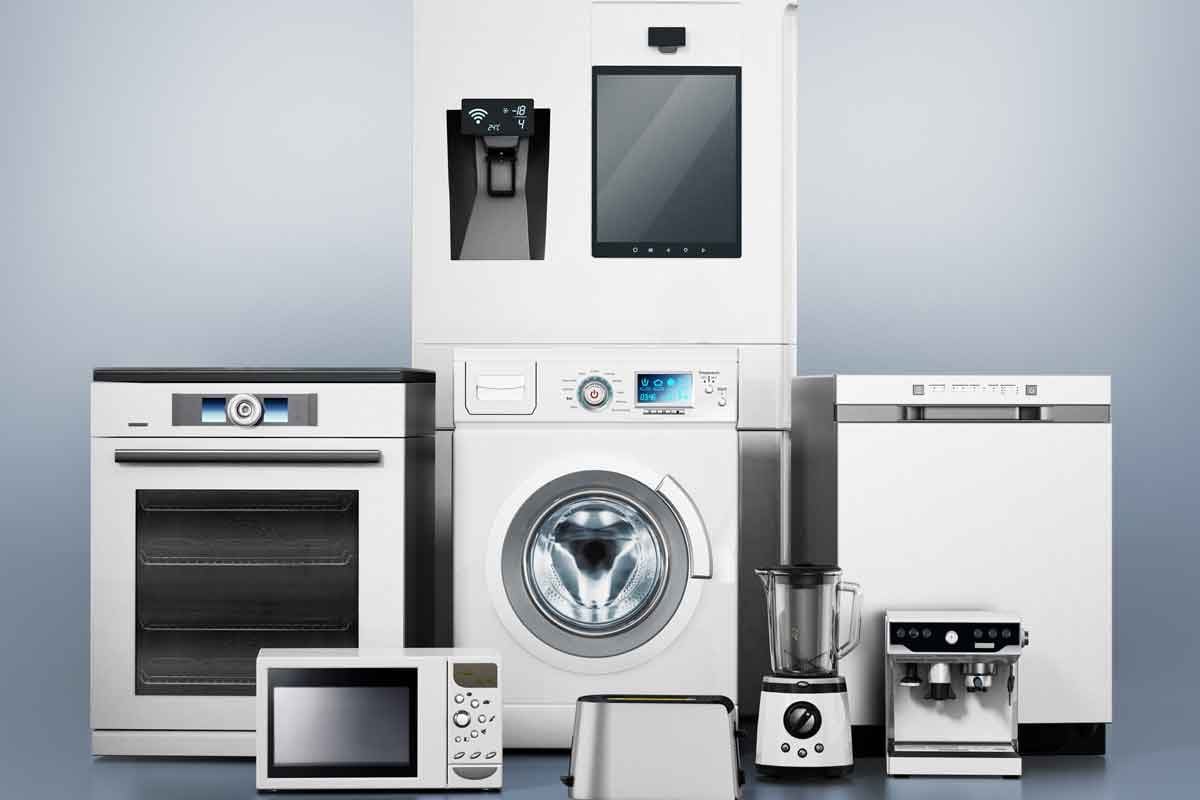
Your home is full of items quietly approaching retirement. Some announce the occasion with a dramatic leak, mysterious grinding noise, or small cloud of smoke. Others simply become flatter, duller, slower, smellier, or less supportive until you suddenly realize your favorite pillow has the structural integrity of a folded tortilla.
Knowing how often to replace household items can prevent emergencies, improve energy efficiency, protect your health, and make home expenses more predictable. However, replacement schedules are not universal expiration dates. A refrigerator in a carefully maintained two-person household may outlive one serving a family that opens the door every six minutes to “see what looks good.” Climate, product quality, maintenance, installation, pets, children, and daily use all influence lifespan.
The best approach is to watch three clocks: the item’s age, its physical condition, and its performance. Safety devices have firm replacement deadlines. Appliances and furnishings require more judgment. The following home replacement guide gives practical planning ranges, warning signs, and maintenance tips for nearly every major area of the house.
Quick Home Replacement Schedule
| Household Item | Typical Replacement Range | Replace Sooner When |
|---|---|---|
| HVAC filter | Every 1–3 months | It looks dirty, airflow drops, or smoke and pets increase particle levels |
| Smoke alarm | Every 10 years | It fails a test or continues chirping after battery replacement |
| Carbon monoxide alarm | According to the manufacturer, often 5–10 years | It fails testing or reaches the date printed on the unit |
| Toothbrush or electric brush head | Every 3–4 months | Bristles are bent, matted, or frayed |
| Pillow | Every 1–2 years | It becomes flat, lumpy, stained, or unsupportive |
| Mattress | About every 6–10 years | It sags or contributes to poor sleep, pain, or stiffness |
| Refrigerator | About every 9–13 years | Food temperatures fluctuate or repair and energy costs rise |
| Dishwasher | About every 10 years | It leaks, leaves dishes dirty, or requires repeated repairs |
| Washer | About every 8–12 years | The tub leaks, bearings fail, or clothes remain dirty |
| Dryer | About every 10–13 years | Drying takes much longer despite a clean vent |
| Water heater | About every 10–15 years | The tank leaks, hot water becomes rusty, or heating is unreliable |
| Asphalt-shingle roof | Roughly 15–30 years | Shingles curl, crack, disappear, or allow water intrusion |
Safety Equipment: Follow the Deadline, Not Your Feelings
Smoke Alarms
Replace every smoke alarm 10 years after its manufacturing date, even when it still beeps during testing. Sensors can lose sensitivity as they age, so a successful test does not make a 17-year-old alarm immortal. The National Fire Protection Association advises replacing all smoke alarms at the 10-year mark.
Test alarms monthly. Replace conventional removable batteries at least annually, unless the manufacturer provides a different schedule. Models with sealed 10-year batteries are replaced as complete units when they chirp or reach the end of their service life.
Carbon Monoxide Alarms
Carbon monoxide detector life expectancy varies by model and sensing technology. Many units last between five and 10 years, but the date and instructions printed on the detector should make the final decision. Test the alarm regularly and replace it immediately when it fails, shows an end-of-life signal, or reaches the manufacturer’s deadline.
Fire Extinguishers
Rechargeable extinguishers may remain serviceable for many years when professionally maintained. Disposable models generally have a manufacturer-defined lifespan. Check the pressure gauge monthly, confirm that the pin and seal are intact, and examine the cylinder for corrosion, dents, leakage, or a clogged nozzle. Replace or service an extinguisher after use, even after a brief discharge. This is not the place to say, “There is probably enough left.”
Heating, Cooling, and Water Systems
HVAC Filters
Inspect an HVAC filter monthly and expect to replace a common pleated filter every one to three months. The Centers for Disease Control and Prevention recommends changing central-system filters every three months or according to manufacturer instructions. Homes with multiple pets, construction dust, wildfire smoke, allergies, or continuous fan operation may need more frequent changes.
Do not judge filters by the calendar alone. Hold the filter toward a light source. When light barely passes through the accumulated dust, the filter has completed its artistic transformation into a gray carpet and should be replaced.
Furnaces, Heat Pumps, and Central Air Conditioners
Most heating and cooling equipment should be treated as a 15- to 20-year planning expense rather than replaced automatically on a birthday. A well-maintained system may last longer, while undersized equipment, coastal air, heavy use, poor installation, and neglected filters can shorten its life.
Start planning replacement when the system needs frequent repairs, produces uneven temperatures, becomes unusually noisy, struggles during ordinary weather, or causes a noticeable rise in utility bills. Annual professional service and regular filter changes may delay replacement and catch smaller problems before they become midsummer emergencies.
Water Heaters
Traditional storage-tank water heaters often provide around 10 to 15 years of service. Tankless systems can last longer when maintained and descaled properly. Replace a tank immediately if water is leaking from the tank body rather than from a replaceable valve or plumbing connection.
Rust-colored hot water, rumbling sounds, reduced capacity, moisture around the base, and inconsistent heating are important warning signs. Regular flushing can reduce sediment, improve operation, and extend service life. The CDC notes that many manufacturers recommend annual flushing, as well as flushing after plumbing work or when water becomes discolored.
Household Water Filters
Pitcher filters, refrigerator filters, under-sink cartridges, shower filters, and whole-house systems do not share one universal schedule. Some last two months; others last a year or are rated by gallons processed. Follow the exact product instructions rather than relying on taste alone. The CDC warns that germs can grow in poorly maintained filters and recommends replacing each type according to its manufacturer’s directions.
Kitchen Appliances
Refrigerators and Freezers
A refrigerator commonly lasts about nine to 13 years. Consumer Reports cites that general range from the Association of Home Appliance Manufacturers, while ENERGY STAR evaluates refrigerator savings over a 12-year product lifetime.
Age alone is not a reason to throw out a functioning refrigerator. Consider replacement when temperatures fluctuate, food spoils early, the compressor runs constantly, seals no longer close tightly, or a major repair approaches a large percentage of the cost of a comparable new model. An older unit that still works may also consume more electricity than an efficient replacement.
Dishwashers
Plan for approximately 10 years of dishwasher service. Manufacturers surveyed by Consumer Reports commonly gave that estimate.
Before replacing the machine, clean its filter, inspect spray arms, confirm that the drain is clear, and try an appropriate detergent. Replacement becomes more reasonable when the tub leaks, racks are rusting badly, major electronic parts fail, or dishes remain dirty after maintenance and correct loading. Yes, stacking bowls together like nesting dolls still counts as incorrect loading.
Washing Machines and Dryers
Washers frequently last around eight to 12 years, although broader estimates range from five to 15 years. Dryers often reach approximately 13 years. Consumer Reports has also found that a meaningful share of machines develop problems before reaching the decade mark, demonstrating why maintenance and product quality matter.
Replace a washer when structural leaks, transmission problems, failed bearings, repeated electronic faults, or severe corrosion make repair uneconomical. Replace a dryer when it stops heating reliably, the drum or motor fails, or drying times remain excessive after the lint path and exterior vent have been thoroughly cleaned.
Clean the lint screen after every dryer load and inspect the full vent system regularly. A clogged vent is not merely an inconvenience; it increases drying time, strains the appliance, and creates a fire hazard.
Ranges, Ovens, Microwaves, and Garbage Disposals
Gas ranges may last 15 years or more, while electric ranges frequently provide around 13 to 15 years. Microwaves are commonly replaced after roughly seven to 10 years, especially when they heat unevenly, spark, have a damaged door, or require expensive control-board repairs. Garbage disposals often last eight to 12 years but may fail sooner when treated like an underground lumber mill.
Replace any cooking appliance immediately when there is a gas leak, electrical burning smell, damaged wiring, door-seal failure, or repeated tripping of a correctly sized circuit.
Bedroom Items
Mattresses
Most mattresses should be evaluated for replacement after six to 10 years. Sleep Foundation guidance places a common replacement point around six to eight years, while also emphasizing that mattress quality, materials, body weight, maintenance, and sleeping position affect durability.
Replace the mattress sooner when it has visible sagging, permanent impressions, exposed components, damaged edges, new squeaking, or a noticeable connection to morning pain and poor sleep. One revealing clue is consistently sleeping better in hotels or guest rooms, despite the unfamiliar thermostat and decorative pillows nobody understands.
Pillows
Replace most everyday pillows every one to two years. Pillows gradually collect moisture, skin oils, allergens, and dust while losing the shape needed to support the head and neck.
Material matters. A high-quality, properly maintained down pillow can remain useful much longer than an inexpensive polyester pillow. Regardless of age, replace a pillow when it stays folded, feels lumpy, smells after washing, has persistent stains, or leaves your neck feeling as though you slept on a bag of potatoes.
Sheets, Comforters, and Blankets
Sheets often last two to five years under regular use, though premium fabrics and rotating between several sets can extend that range. Replace them when fabric becomes thin, seams separate, elastic fails, or permanent pilling makes the bed feel sprinkled with crumbs.
Comforters and blankets may last five to 15 years, depending on materials, washing methods, pets, and daily use. A duvet insert that no longer distributes filling evenly or provides warmth after proper cleaning is ready for retirement.
Bathroom Essentials
Toothbrushes and Brush Heads
The American Dental Association recommends replacing toothbrushes and powered-brush heads approximately every three to four months, or sooner when bristles become visibly worn or frayed. Worn bristles become less effective at cleaning teeth.
Bath Towels and Washcloths
There is no medically mandated expiration date for a washable towel. A quality bath towel may last two to five years or longer when washed correctly and rotated with others. Replace it when it remains musty after laundering, develops thinning areas, loses absorbency, or has frayed into something that looks historically significant.
Shower Curtains and Bath Mats
Washable fabric shower curtains can last for years. Plastic liners may need replacement every six to 18 months in humid bathrooms, though regular washing and ventilation can extend their usefulness. Replace either type when mildew returns quickly after cleaning, the material cracks, or the lower edge becomes permanently discolored.
Bath mats should be replaced when the backing cracks, grip fails, odors remain after washing, or the mat no longer dries completely between uses. A sliding bath mat is no longer a bath accessory; it is a low-budget stunt coordinator.
Cookware, Cutting Boards, and Cleaning Tools
Nonstick Cookware
Many nonstick pans last approximately three to five years, but cooking habits can shorten that period dramatically. Replace a pan immediately if the coating chips, peels, or develops significant scratches. Consumer Reports advises discarding chipped or scratched nonstick pans rather than continuing to cook with damaged surfaces.
Use wood, silicone, or other coating-safe utensils. Avoid extreme heat, empty preheating, abrasive cleaners, and stacking pans without protection.
Cutting Boards
Cutting boards should be replaced according to condition rather than a fixed number of months. The U.S. Department of Agriculture recommends discarding wooden or plastic boards once they become excessively worn or develop grooves that are difficult to clean.
A board with deep knife channels can trap moisture and food residue. Light scratches are normal; a miniature topographic map carved by years of chopping is your cue to buy another board.
Sponges, Dish Brushes, and Cleaning Cloths
Replace or sanitize kitchen sponges frequentlyoften weekly in kitchens where they contact food residue. Discard them immediately when they smell, crumble, remain slimy, or were used to clean raw-meat juices. Dish brushes may last several months when rinsed, dried, and periodically sanitized, but should be replaced when bristles flatten or debris remains trapped around the base.
Microfiber cloths can survive dozens or even hundreds of washes when cleaned without fabric softener. Replace them when fibers stop attracting dust, edges unravel, or stains and odors remain after proper laundering.
Furniture, Flooring, Paint, and the Building Shell
Sofas, Chairs, and Upholstered Furniture
A well-built sofa may last seven to 15 years. Lower-cost pieces can lose support sooner, while furniture with solid frames and replaceable cushions may last for decades. Replacement makes sense when the frame cracks, springs fail, cushions no longer recover, upholstery cannot be repaired, or the piece causes discomfort.
Do not replace a sturdy sofa merely because the fabric looks dated. Reupholstery, cushion replacement, or professional cleaning may provide a better result with less waste.
Carpet and Hard Flooring
Carpet generally lasts five to 15 years. Hallways, stairs, homes with pets, and rooms occupied by children carrying grape juice may fall toward the shorter end. Replace carpet when it has permanent matting, exposed backing, damaged seams, persistent odors, extensive staining, or moisture-related contamination.
Hardwood can last for generations because it may be refinished several times. Tile can also last for decades when the substrate remains stable. Laminate and vinyl flooring commonly last 10 to 25 years, depending on product quality, installation, sunlight, water exposure, and traffic.
Interior and Exterior Paint
Interior walls commonly need repainting every three to seven years. Adult bedrooms and ceilings may stay attractive much longer, while kitchens, bathrooms, hallways, and children’s rooms accumulate wear faster.
Exterior paint often lasts five to 10 years, but intense sun, coastal moisture, freeze-thaw cycles, surface preparation, and siding material can move the schedule considerably. Repaint when the finish chalks, fades badly, cracks, blisters, or exposes the underlying material. Paint is not merely decoration outside; it is part of the weather barrier.
Roofs
Asphalt-shingle roofs commonly last around 15 to 30 years, but there is no single nationwide number. Heat, hail, wind, installation quality, ventilation, roof slope, tree debris, and shingle grade all matter. Research from the Insurance Institute for Business & Home Safety notes that aging alone can limit some roofing products to 10 to 15 years in demanding hurricane-prone climates.
Have the roof inspected when shingles curl, crack, loosen, shed excessive granules, or disappear after a storm. Water stains in the attic, damaged flashing, soft roof decking, and recurring leaks require prompt professional attention. Routine checks for damaged shingles and moisture are part of responsible home maintenance.
Windows and Exterior Doors
Quality windows may last 20 to 30 years or longer, while seals, locks, weatherstripping, and hardware may need attention much sooner. Condensation trapped between panes indicates seal failure. Replacement becomes worthwhile when frames rot, water enters the wall, units no longer operate safely, or repairs cannot correct serious air leakage.
Exterior doors can also last for decades. Replace or repair them when frames rot, panels warp, security is compromised, or weather damage cannot be corrected with new seals and hardware.
Should You Repair or Replace?
A replacement calendar should help you prepare, not encourage you to throw away functioning belongings. Before buying something new, consider five questions:
- Is the item unsafe? Safety failures override every other calculation.
- Is the repair reliable? A simple seal, belt, switch, or valve may add years of service.
- How old is the item? Expensive repairs make less sense near the end of its expected lifespan.
- Will another major component probably fail soon? One repair may be reasonable; a monthly subscription to appliance failure is not.
- Would replacement meaningfully reduce operating costs? Compare realistic energy savings with the purchase and installation cost.
Do not rely blindly on the popular “replace it when repairs exceed 50% of the new price” rule. A durable, repairable appliance may still be worth fixing. Conversely, a less expensive repair may be a poor investment when the product has serious corrosion, unavailable parts, repeated failures, or a safety problem.
Experiences and Practical Lessons From Replacing Household Items
The Calendar Rarely Tells the Whole Story
One of the most useful lessons in homeownership is that two identical products can age very differently. Imagine two refrigerators bought in the same year. One lives in a cool kitchen, has clean condenser coils, and serves two adults. The other sits beside an oven, is packed tightly against the wall, and is opened approximately 900 times every weekend by hungry teenagers. Both refrigerators are 10 years old, but only one may be nearing replacement.
This is why a home inventory should include more than purchase dates. Record model numbers, warranties, repairs, maintenance, and changes in performance. A simple spreadsheet or digital note can reveal that the water heater is 13 years old, the roof was replaced before you bought the house, and the dishwasher has needed three service calls in 18 months. Suddenly, replacement decisions become less mysterious.
Small Maintenance Habits Change Replacement Timing
Many homeowners learn this after replacing something earlier than expected. A dryer that gradually takes 90 minutes per load may not be dying; its vent may be packed with lint. A dishwasher that smells unpleasant may need its filter cleaned. A refrigerator running constantly may have dirty coils or a damaged door gasket. A sagging mattress may improve temporarily when rotated, provided the manufacturer permits rotation.
Maintenance cannot rescue every product, but it helps separate a worn-out item from a neglected one. Filters, seals, vents, drains, hinges, and moving parts are inexpensive compared with full replacements. The glamorous side of homeownership may be a renovated kitchen. The practical side is standing behind a dryer with a vacuum attachment and wondering how an entire sweater entered the vent.
Emergency Replacements Are Usually the Most Expensive
A failed water heater rarely schedules its leak for a quiet afternoon when three contractors are available. It prefers a holiday weekend, ideally while guests are staying over. The same principle applies to furnaces, refrigerators, roofs, and washing machines.
Once an essential system enters the later part of its expected lifespan, begin researching replacements before failure. Measure the available space, understand electrical or ventilation requirements, compare efficiency, and save a realistic amount each month. You do not necessarily need to replace the item early. You simply need a plan that prevents a flooded utility room from making every purchasing decision for you.
Appearance Is Not the Same as Failure
Another lesson is that cosmetic age and functional age are different. A scratched dining table may be structurally excellent. A dated sofa may need upholstery rather than a landfill. Hardwood floors may need refinishing rather than replacement. Cabinet doors can be painted, adjusted, or fitted with new hardware.
At the same time, attractive surfaces can hide serious problems. A spotless smoke alarm can be too old to trust. A freshly painted wall may conceal moisture. A clean-looking nonstick pan may have fine scratches in its coating. Replacement decisions should focus on safety, structure, sanitation, and performance before style.
The Best Replacement Schedule Is Personal
A household with pets may replace HVAC filters, carpet, vacuum components, and upholstered furniture sooner. A vacation home may place fewer operating hours on appliances but face humidity and long periods without supervision. Coastal homes confront salt air, while homes in hot climates place heavy demands on cooling equipment and roofing materials.
Create a personalized schedule by inspecting high-risk and high-cost items first. Check alarms monthly, review filters frequently, inspect for leaks, and look at the roof after severe weather. Once a year, review appliance ages and update a five-year replacement budget. This approach is more useful than panic-buying everything the moment it reaches an average lifespan.
Conclusion
Understanding how often to replace household items gives you time to budget, compare products, and prevent avoidable emergencies. Use firm deadlines for smoke alarms and other safety equipment. For appliances, mattresses, furniture, cookware, and building materials, combine age with visible condition, operating performance, maintenance history, and repair cost.
Most importantly, do not confuse an average lifespan with an expiration date. Keep products that remain safe and functional, repair items with useful life remaining, and replace anything that has become dangerous, unsanitary, unreliable, or financially unreasonable to maintain. Your home does not need a synchronized mass retirement. It needs regular attentionand perhaps a spreadsheet that is slightly less exciting than a remodel but considerably cheaper.
Note: The timelines in this article are general planning ranges, not guarantees. Product design, climate, installation, maintenance, usage, recalls, local codes, and warranty conditions can alter replacement needs. Always follow the manufacturer’s instructions and consult a qualified professional when an item presents a fire, electrical, gas, structural, water, or carbon monoxide hazard.