Finishing chemotherapy is a major milestone. The final infusion ends, the appointment calendar suddenly lookvictory lap. Meanwhile, your body may be asking for a blanket, a snack, and approximately six business months to recover.
Chemotherapy works by attacking rapidly dividing cancer cells, but it can also affect healthy cells in the bone marrow, digestive tract, hair follicles, nerves, and other tissues. After treatment stops, many healthy cells begin repairing themselves, so nausea, mouth sores, low blood counts, and other short-term effects usually improve. Recovery, however, is rarely an overnight software update. Some symptoms linger for months, and certain late effects may first appear years later. chemotherapy affects your body after treatment depends on the drugs you received, the total dose, the number of cycles, your cancer type, your age, your general health, and whether you also had surgery, radiation, immunotherapy, or targeted therapy. Understanding the possibilities can make recovery feel less mysteriousand help you recognize when a symptom deserves medical attention.
What Happens to Your Body When Chemotherapy Ends?
Chemotherapy does not vanish from the body the instant the IV is disconnected. Most drugs are processed and eliminated within hours or days, but their effects on healthy cells can continue longer. Bone marrow needs time to manufacture new blood cells. The digestive lining must rebuild itself. Muscles may have lost strength during weeks or months of reduced activity. Sleep, stress, pain, nutrition, and emotional exhaustion can also influence how quickly you feel like yourself again.
Doctors generally describe treatment effects in three broad categories:
- Short-term effects begin during chemotherapy and improve within days, weeks, or a few months.
- Long-term effects begin during treatment but continue for months or years afterward.
- Late effects do not become noticeable until months or years after treatment has ended.
Not every survivor develops long-term or late effects. Many people recover without serious lasting problems. Your personal risk is tied to your exact treatment history, which is why a survivorship care plan is far more useful than a generic checklist from the internet. n>
How Long Do Chemotherapy Side Effects Last?
There is no universal chemotherapy recovery timeline. Some people notice meaningful improvement within a few weeks. Others need several months before their energy, appetite, digestion, and concentration settle into a more predictable pattern.
Hair often starts growing again after treatment, while nausea and diarrhea may improve relatively quickly. Fatigue, neuropathy, and cognitive changes may take much longer. Your recovery can also be uneven: two energetic days may be followed by a day when carrying laundry upstairs feels like competitive weightlifting.
The important question is not whether you are recovering at the same speed as someone else. It is whether your symptoms are gradually improving, remaining stable, or becoming worse. New or worsening problems should be reported rather than automatically blamed on “just recovering from chemo.” n>
Common Ways Chemotherapy Affects the Body After Treatment
1. Fatigue and Reduced Stamina
Cancer-related fatigue is one of the most common concerns after chemotherapy. It is not simply ordinary sleepiness. You may feel physically heavy, mentally drained, or exhausted after activities that once seemed effortless. A full night of sleep may help only a little.
Several factors can contribute, including anemia, inflammation, poor sleep, pain, emotional stress, appetite changes, medication effects, and loss of muscle conditioning. Fatigue often improves gradually, but it can persist for months or, less commonly, years. tle movement can help when your medical team approves it. Start with manageable goals, such as a short walk or light stretching, rather than trying to reclaim your pre-cancer fitness level in one heroic Saturday. Physical therapy or cancer rehabilitation may be appropriate when weakness, balance problems, pain, or severe deconditioning interferes with daily life.
2. Blood Counts and Immune-System Recovery
Chemotherapy can temporarily reduce red blood cells, white blood cells, and platelets because it affects the bone marrow. Low red blood cells may cause fatigue, dizziness, weakness, or shortness of breath. Low platelets can make bruising or bleeding more likely. Low infection-fighting white blood cells can leave you vulnerable to infections.
Blood counts often recover after chemotherapy ends, but the timing depends on the regimen and your overall health. Some treatments suppress the immune system longer than others. Continue following your oncology team’s instructions regarding food safety, crowds, vaccines, dental care, and infection precautions until they confirm that your immune recovery is adequate. tact your care team promptly for fever, chills, worsening cough, painful urination, unusual bleeding, or other possible infection symptoms. Follow the exact fever threshold provided by your oncology clinic.
3. Hair, Skin, and Nail Changes
Hair commonly begins growing back after chemotherapy, but the first growth may surprise you. It can initially be curlier, straighter, finer, thicker, or a slightly different color. These changes are often temporary, although hair texture occasionally remains different.
Skin may stay dry, itchy, sensitive, or more vulnerable to sunburn for a while. Nails may have ridges, discoloration, brittleness, or slow growth. Use gentle cleansers, moisturize regularly, protect your skin from excessive sun, and avoid aggressive hair or nail treatments until the tissues have recovered. Report persistent rashes, open sores, swelling, or painful nail changes. . Digestive Changes, Appetite, and Taste
Nausea, constipation, diarrhea, mouth sores, and appetite changes usually begin improving once chemotherapy ends, but the digestive system may remain temperamental. Taste and smell can take time to normalize. Foods you once loved may taste metallic, bland, bitter, or simply “wrong.”
Small, frequent meals can be easier than large portions. Protein, fluids, and calorie-dense foods may support recovery when appetite is limited. A registered dietitian who specializes in oncology can help with weight loss, taste changes, diabetes, kidney concerns, swallowing problems, or persistent bowel symptoms.
Seek medical advice for ongoing vomiting, inability to drink enough fluid, severe abdominal pain, black or bloody stools, persistent diarrhea, or constipation accompanied by swelling and pain. Digestive symptoms are common, but they should not be permitted to run the household indefinitely. . Peripheral Neuropathy
Some chemotherapy drugs can damage peripheral nerves, producing numbness, tingling, burning, sensitivity, weakness, or pain in the hands and feet. Symptoms may improve after treatment, remain stable, or occasionally worsen for a period before getting better. In some survivors, neuropathy becomes long-lasting or permanent.
Nerve changes can affect balance, walking, driving, buttoning clothing, cooking, and the ability to feel heat or injury. Wear supportive shoes, check your feet for cuts, use handrails, and be cautious with hot water. Physical therapy, occupational therapy, pain-management strategies, and certain medications may help, depending on the symptoms. . Memory and Concentration Problems
“Chemo brain” is the informal name for cancer-related cognitive impairment. You might lose track of words, forget appointments, struggle to multitask, or need extra time to process information. Chemotherapy may contribute, but sleep problems, anxiety, depression, pain, hormonal changes, anemia, and other medications can also affect concentration.
Many people improve over time. Helpful strategies include using one calendar, setting phone reminders, writing down important information, reducing distractions, completing demanding tasks when your energy is highest, and working on one thing at a time. Report severe, sudden, or worsening cognitive changes so your clinician can evaluate other possible causes. . Muscle, Joint, and Bone Changes
Reduced activity during treatment can lead to muscle loss, stiffness, poor balance, and lower endurance. Some people also experience joint pain or bone-health changes related to chemotherapy, steroids, early menopause, hormonal therapy, nutritional deficiencies, or prolonged inactivity.
Progressive resistance exercise, walking, balance work, and adequate nutrition may help rebuild strength when medically appropriate. Your clinician may recommend vitamin testing, bone-density screening, or referral to rehabilitation based on your age, medications, fracture risk, and treatment history.
8. Fertility, Hormones, and Sexual Health
Certain chemotherapy medicines can affect the ovaries or testes. Possible results include irregular periods, early menopause, reduced sperm production, infertility, hot flashes, vaginal dryness, erectile problems, low sexual desire, or changes in body image.
Fertility sometimes returns after treatment, but it cannot be assumed based only on the return of menstruation or sexual function. Ask your oncologist or a reproductive specialist about fertility testing, contraception, pregnancy timing, and family-building options. Sexual-health concerns are medical concernsnot an awkward bonus chapter you are expected to solve alone. . Heart, Lung, Kidney, and Hearing Effects
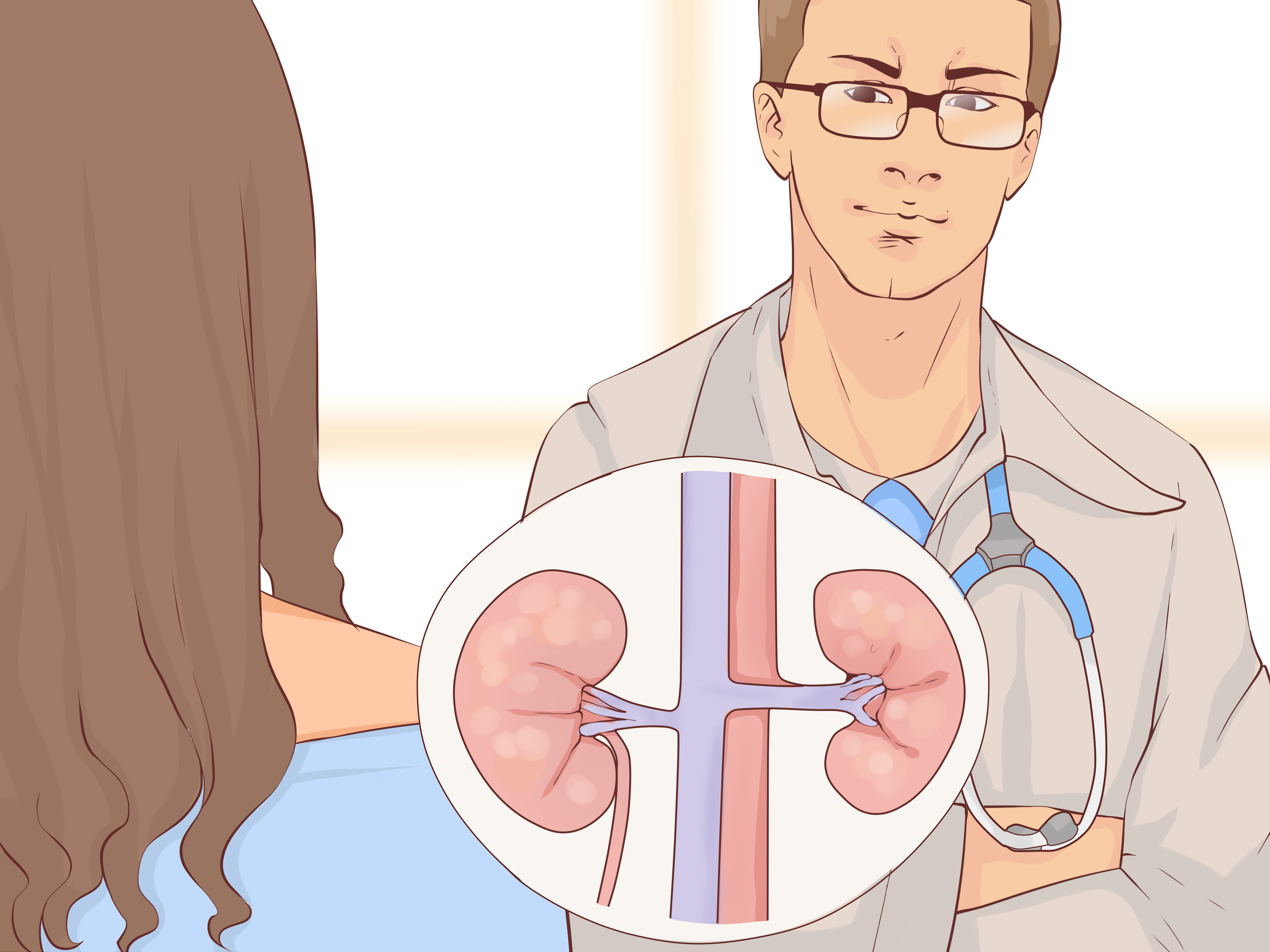
Most people will not develop serious organ damage, but certain chemotherapy drugs are associated with specific long-term risks. Anthracyclines may affect heart function. Bleomycin and some other drugs can injure lung tissue. Platinum drugs may affect the kidneys, nerves, or hearing. Risk depends on the drug, cumulative dose, age, existing medical conditions, and other treatments.
Tell your healthcare provider about unexplained shortness of breath, chest discomfort, irregular heartbeat, leg swelling, reduced exercise tolerance, persistent cough, major urinary changes, dizziness, ringing in the ears, or hearing loss. Survivors with higher cardiac risk may need periodic heart monitoring or referral to a cardio-oncology specialist. 0. Emotional and Psychological Effects
The end of chemotherapy can bring relief, gratitude, fear, sadness, anger, or all five before breakfast. During treatment, appointments provide structure and frequent access to the medical team. Afterward, fewer visits can feel freeing and unsettling at the same time.
Fear of recurrence is common. So are sleep problems, anxiety, low mood, grief over physical changes, and frustration when other people assume treatment ending means recovery is complete. Counseling, survivor support groups, mindfulness-based programs, medication, and honest conversations with loved ones may help. Seek professional support when anxiety or depression interferes with sleep, work, relationships, self-care, or your sense of safety. n>
Long-Term and Late Effects to Watch For
Late effects vary widely and may involve the heart, lungs, kidneys, nervous system, bones, hormones, fertility, hearing, or dental health. Some chemotherapy regimens also slightly increase the risk of a second cancer, including rare treatment-related blood cancers. This risk must be viewed in context: chemotherapy is prescribed because its expected benefit against the original cancer outweighs known treatment risks. r oncology team can explain which late effects are relevant to the drugs and doses you received. A symptom experienced by one survivor may have no connection to another survivor’s treatment. Personalized follow-up prevents both extremes: ignoring an important change and panicking over every rebellious sneeze.
How to Support Your Recovery After Chemotherapy
Get a Survivorship Care Plan
Ask for a written summary that includes your cancer diagnosis, chemotherapy drugs, doses when available, other treatments, recommended surveillance, possible late effects, and the healthcare professional responsible for each part of follow-up care. Share it with your primary care clinician and other specialists. ebuild Activity Gradually
Begin at a level that matches your current ability. A five-minute walk is a legitimate starting point. Increase duration or intensity gradually and ask about cancer rehabilitation if fatigue, weakness, pain, or neuropathy limits your independence.
Eat for Recovery, Not Perfection
A balanced pattern built around protein, vegetables, fruit, whole grains, and adequate fluids can support recovery. Your needs may be different if you have lost weight, gained weight, developed swallowing problems, or have kidney, heart, or digestive complications. Avoid extreme detox plans. Your liver and kidneys already have that department staffed.
Protect Sleep
Keep a consistent sleep schedule, limit late caffeine, create a calm bedtime routine, and discuss persistent insomnia with your healthcare provider. Treating pain, hot flashes, anxiety, or sleep apnea may be necessary before sleep improves.
Track Symptoms Without Letting Them Run Your Life
A brief weekly record of fatigue, pain, digestion, mood, sleep, and activity can reveal patterns. Bring it to follow-up appointments. You do not need an hourly spreadsheet with seventeen color-coded tabs unless spreadsheets genuinely bring you joy.
When to Call Your Healthcare Team
Contact your oncology team or seek urgent medical care based on their instructions if you develop:
- Fever, chills, confusion, or signs of infection
- New chest pain, severe shortness of breath, or fainting
- Uncontrolled vomiting or an inability to keep fluids down
- Unusual bleeding, blood in the stool or urine, or rapidly spreading bruises
- New weakness on one side, severe headache, speech trouble, or sudden confusion
- Severe abdominal pain or persistent diarrhea
- New swelling, redness, or pain in one leg
- Symptoms that are worsening rather than gradually improving
Do not wait for the next routine appointment when a symptom feels severe, sudden, or clearly outside your usual recovery pattern.
Realistic Experiences After Chemotherapy: What Recovery Can Feel Like
The experiences below are composite examples based on commonly reported survivorship challenges. They do not describe one specific patient, and no two recoveries follow the same script.
The Calendar Says “Finished,” but the Body Says “Processing”
One of the most surprising experiences after chemotherapy is the gap between expectation and reality. Friends may celebrate the final infusion as the finish line. For the person receiving treatment, it can feel more like leaving a long, difficult highway and discovering that the road home is still under construction.
During the first few weeks, someone might wake up expecting to feel dramatically better, only to discover that fatigue, altered taste, bowel changes, and brain fog are still present. This does not necessarily mean anything is wrong. Healthy tissues need time to repair, and the body has been working through both cancer and treatment.
Energy Often Returns in Small Installments
A common pattern is feeling reasonably energetic in the morning, completing several chores, and then abruptly running out of power. Survivors sometimes describe this as having a battery that charges to 60% and offers no low-power warning.
Pacing can be more effective than pushing until exhaustion. That might mean showering before breakfast, resting before an appointment, sitting while preparing food, or dividing housework across several days. As stamina improves, activities can be expanded gradually. Accepting temporary limits is not laziness; it is recovery management.
Hair Regrowth Can Become a Daily Science Experiment
Hair returning after chemotherapy can be emotionally meaningful, but it may not immediately resemble the hair that disappeared. The earliest growth can be soft, uneven, curly, or a different shade. Eyebrows and eyelashes may return on their own schedule, apparently having declined the group calendar invitation.
Some people enjoy the changes, while others feel disconnected from their appearance. Both reactions are valid. Hair, skin, scars, weight changes, and medical devices can influence identity and confidence long after treatment ends.
Neuropathy Can Turn Ordinary Tasks Into Calculated Moves
A survivor with numb feet may need to watch each step on stairs. Someone with tingling fingers might struggle with buttons, earrings, keys, or opening jars. Cold floors can feel unusually uncomfortable, while small cuts may go unnoticed.
These experiences are easy for others to underestimate because nerve damage is often invisible. Occupational therapy, physical therapy, home-safety changes, supportive footwear, and medical treatment may help preserve independence while nerves recover.
Chemo Brain Can Be FunnyUntil It Is Frustrating
Forgetting why you entered a room happens to everyone. After chemotherapy, it may happen often enough that the room starts feeling personally involved. People may lose words mid-sentence, forget names, miss appointments, or struggle to follow complicated conversations.
Humor can make these moments easier, but cognitive symptoms can also affect confidence at work and home. Written instructions, alarms, simplified routines, and reduced multitasking can help. Persistent difficulties deserve discussion with a clinician rather than embarrassment.
Emotional Recovery May Begin After Physical Treatment Ends
Some people remain focused on survival during chemotherapy and only begin processing the experience afterward. When appointments become less frequent, delayed fear, sadness, anger, or grief may surface. Scan dates can trigger anxiety days or weeks in advance.
Recovery may also change relationships. Loved ones may expect an immediate return to normal, while the survivor is still discovering what “normal” now means. Clear conversations can help: “I am improving, but I still need rest,” or “I appreciate encouragement, but I also need space to talk honestly about what is difficult.”
Progress Is Usually Easier to See in Months Than Days
Daily recovery can feel painfully slow. Looking back over four or eight weeks may reveal meaningful changes: walking farther, eating more normally, needing fewer naps, concentrating longer, or feeling less afraid before appointments.
The goal is not necessarily to become the exact person you were before chemotherapy. For many survivors, recovery means building a life that accounts for what happened while making room for strength, pleasure, connection, and plans that extend beyond the next medical visit.
Conclusion
Chemotherapy can continue affecting the body after treatment through fatigue, low stamina, digestive changes, hair and nail changes, neuropathy, cognitive symptoms, hormonal changes, and emotional stress. Most short-term effects improve as healthy cells recover, but some symptoms need months of care, and certain late effects require lifelong awareness.
Recovery is not a contest, and there is no prize for pretending you feel better than you do. Keep your follow-up appointments, request a survivorship care plan, rebuild activity gradually, and report new or worsening symptoms. The final chemotherapy session may close one chapter, but good survivorship care helps make the chapters that follow healthier, clearer, and considerably less confusing.