Psoriasis is one of those skin conditions that seems to have a flair for dramatic timing. Got a big meeting? Here comes a patch. Planning a beach day? Surprise, your elbow has entered its “snow globe” era. While psoriasis is not simply “dry skin,” smart home care can help reduce itching, scaling, irritation, and the general urge to hide under a blanket until further notice.
Before we raid the bathroom cabinet and pantry, let’s be clear: psoriasis is a chronic immune-mediated skin condition. It can cause raised, scaly, itchy plaques that often appear on the elbows, knees, scalp, trunk, and other areas. Home remedies for psoriasis cannot cure it, but they can support the skin barrier, reduce flare triggers, and make daily life much more comfortable.
This guide focuses on evidence-informed, dermatologist-friendly home remedies: moisturizing, gentle bathing, oatmeal soaks, stress management, sunlight safety, trigger tracking, over-the-counter options, and practical lifestyle habits. Think of it as a calm, sensible skin-care toolboxnot a miracle-cure carnival booth.
What Psoriasis Needs at Home: Calm, Moisture, and Consistency
The best psoriasis home care routine usually has one mission: reduce irritation. Psoriasis-prone skin does not appreciate chaos. Hot showers, harsh scrubs, scented lotions, aggressive scale-picking, and “I saw this spicy DIY hack online” experiments can make the skin angrier than a cat in a bathtub.
A good routine should help soften scales, protect the skin barrier, minimize itching, and reduce flare triggers. The key is consistency. One heroic moisturizing session every two weeks will not impress psoriasis. It prefers boring, steady habits. Basically, your skin wants a dependable roommate, not a motivational speaker.
Best Home Remedies for Psoriasis Relief
1. Moisturize Like It Is Your Part-Time Job
Moisturizing is one of the simplest and most useful home remedies for psoriasis. Thick, fragrance-free creams and ointments help trap water in the skin, reduce dryness, soften plaques, and lower the chance of cracking. Lotions can help, but creams and ointments usually provide stronger moisture support.
The best time to apply moisturizer is right after bathing or washing, while the skin is still slightly damp. Gently pat the skin drydo not rub like you are sanding a picnic tablethen apply a generous layer of moisturizer. For stubborn dry plaques, an ointment-style product may work better at night because it creates a protective seal.
Look for gentle ingredients such as petrolatum, ceramides, glycerin, shea butter, mineral oil, colloidal oatmeal, or aloe. Avoid products with strong fragrance, drying alcohols, or harsh exfoliating blends unless your dermatologist recommends them.
2. Take Lukewarm Baths, Not Volcano Baths
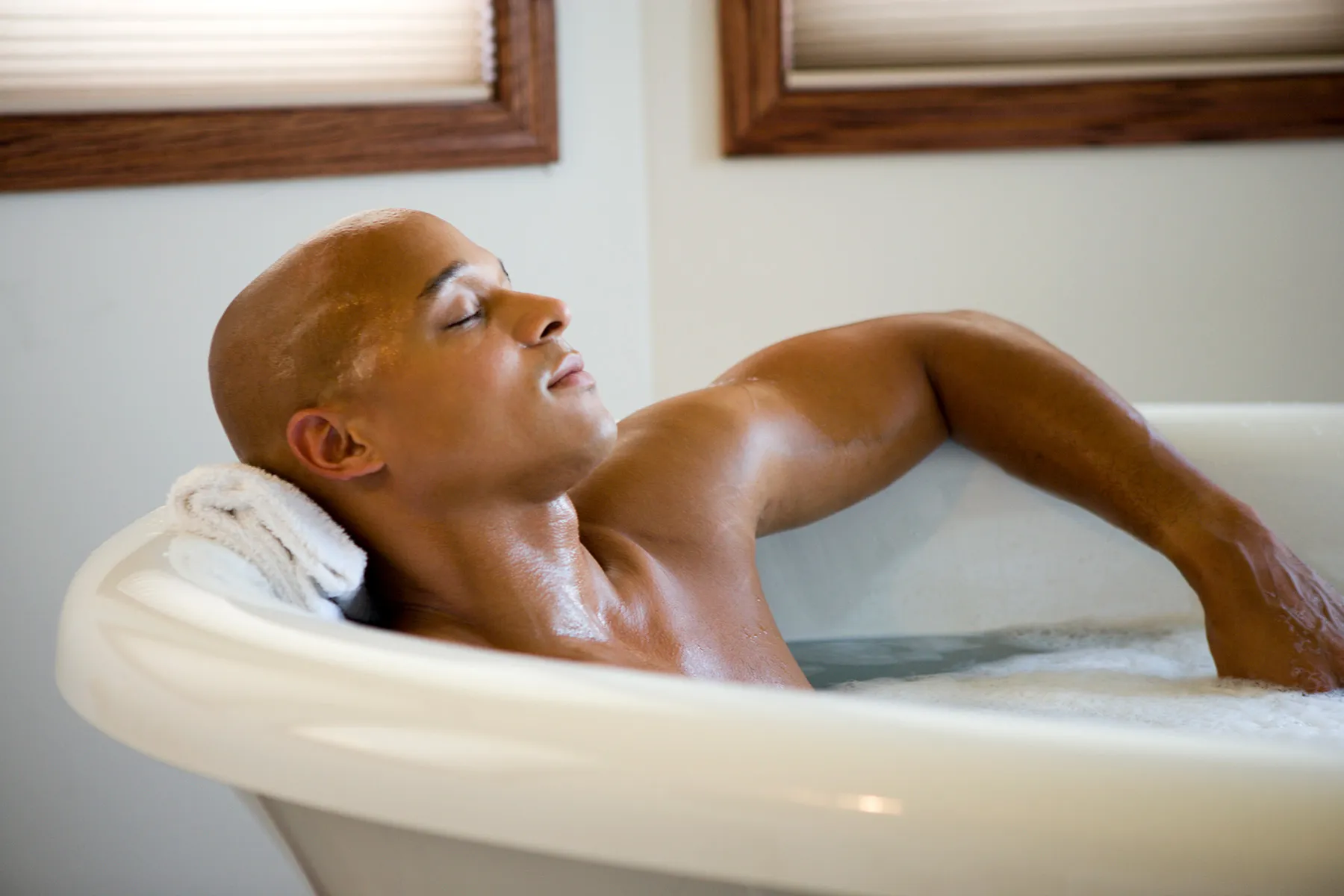
A warm bath can soothe psoriasis, but temperature matters. Hot water strips natural oils from the skin and may worsen dryness and itching. Keep baths and showers lukewarm, and avoid marathon bathing sessions. Your goal is “soften and soothe,” not “boil the lobster.”
Adding colloidal oatmeal, bath oil, or Epsom salts may help calm itch and soften scales. After bathing, skip rough towels and gently pat the skin. Then moisturize quickly to lock in hydration. This simple bath-plus-moisturizer routine can be especially helpful during winter, when indoor heating and dry air often team up like villains in a skin-care movie.
3. Use Colloidal Oatmeal for Itchy, Irritated Skin
Colloidal oatmeal is finely ground oatmeal that mixes into bathwater or skin-care products. It can help soothe itch and irritation, making it a popular choice for sensitive, dry, or inflamed skin. For psoriasis, it may not treat the immune process behind plaques, but it can make the skin feel calmer.
Try an oatmeal bath when your skin feels itchy or tight. Keep the water lukewarm and rinse gently afterward. If using an oatmeal cream or lotion, choose a fragrance-free product. Oatmeal is comforting, but your skin does not need to smell like a bakery candle named “Grandma’s Breakfast Hug.”
4. Soften Scales Before Removing Them
Picking at psoriasis scales is tempting, especially when a plaque looks ready to flake off. Resist the urge. Scratching or picking can injure the skin, and skin injury may trigger more psoriasis in that area. This reaction is sometimes called the Koebner phenomenon, which sounds like a German indie band but is actually very annoying.
Instead, soften scales first. Apply moisturizer, take a lukewarm soak, or use an over-the-counter product containing salicylic acid if appropriate. Salicylic acid can help loosen thick scales, especially on the scalp, but it can also irritate or dry the skin if overused. Use it according to the label and avoid applying it over large areas unless a healthcare professional says it is safe.
5. Try Cold Compresses for Itch
When psoriasis itches, scratching can feel like the obvious answer. Unfortunately, scratching is usually a trap wearing a fake mustache. It may break the skin, increase irritation, and make plaques worse.
A cold compress can help calm itching. Wrap a cool, damp cloth around the itchy area for several minutes. Follow with moisturizer to reduce dryness. This trick is especially useful at night, when itching seems to gain supernatural confidence the moment your head touches the pillow.
6. Consider OTC Anti-Itch Creams Carefully
Over-the-counter anti-itch products may help mild itching. Some contain hydrocortisone, menthol, camphor, or pramoxine. These can be useful for short-term relief, but they are not perfect for every person or every body area. Sensitive places such as the face, genitals, or skin folds need extra caution.
If you use an OTC anti-itch cream, patch test a small area first. Stop using it if burning, redness, or irritation worsens. For widespread, severe, or persistent itch, it is smarter to ask a dermatologist than to keep layering products like frosting on a medical mystery cake.
7. Use Coal Tar or Salicylic Acid Products When Appropriate
Coal tar and salicylic acid are common nonprescription ingredients used in psoriasis products. Coal tar may help reduce scaling, itching, and inflammation. It is often found in shampoos, creams, ointments, and bath products. Salicylic acid helps lift and loosen scales so they can come away more easily.
These ingredients can be useful, especially for scalp psoriasis or thick plaques, but they require common sense. Coal tar can have a strong smell, stain fabrics, and irritate some skin. Salicylic acid can cause dryness or irritation, especially if used too often or over large areas. Always follow product directions and ask a healthcare provider if you are unsure.
8. Get Sensible Sunlight, Not Sunburn
Some people notice psoriasis improves with small amounts of natural sunlight. Ultraviolet light can slow the rapid growth of skin cells involved in psoriasis plaques. However, there is a huge difference between careful sun exposure and turning yourself into a human tomato.
Too much sun can cause sunburn, and sunburn can trigger or worsen psoriasis. It also raises the risk of skin cancer. If sunlight seems to help your skin, keep exposure brief, protect unaffected skin with clothing or broad-spectrum sunscreen, and talk with your dermatologist about safe limits. Medical light therapy is controlled for a reason; the sun is not a dermatologist, even if it has excellent lighting.
9. Run a Humidifier in Dry Weather
Dry air can make psoriasis feel tighter, itchier, and flakier. A humidifier may help add moisture back into indoor air, especially during winter or in air-conditioned rooms. Keep the humidifier clean to prevent mold or bacteria buildup. Your skin wants humidity, not a tiny indoor swamp ecosystem.
Pair humidifier use with regular moisturizing. The humidifier helps the room; moisturizer helps the skin. Together, they can make cold-weather flare management more comfortable.
10. Wear Soft, Breathable Clothing
Clothing can either help psoriasis behave or poke it into a tantrum. Soft cotton, bamboo, or smooth moisture-wicking fabrics are often more comfortable than rough wool, scratchy seams, or tight waistbands. Loose clothing can reduce friction, which matters because repeated rubbing may irritate plaques.
For workouts, choose breathable fabrics and shower gently afterward to remove sweat. Sweat itself is not evil, but when it sits on irritated skin, it can sting, itch, and make you question every life decision that led to cardio.
Home Remedies for Scalp Psoriasis
Scalp psoriasis can be especially frustrating because flakes show up in the one place everyone can see: your shoulders. First, do not dig at the scalp with fingernails. That can break the skin and worsen irritation.
Try softening scales before washing. Some people use mineral oil or a thick moisturizer on stubborn areas before shampooing, but be careful because oils can be slippery and hard to rinse out. Medicated shampoos containing salicylic acid or coal tar may help loosen scale and reduce flaking. Let the shampoo sit for the time listed on the label, then rinse thoroughly.
If scalp plaques are thick, painful, bleeding, or causing hair shedding, it is time to call a dermatologist. Psoriasis itself and harsh scale removal can both affect the scalp, so gentle care matters.
Diet and Psoriasis: What Helps at Home?
No single psoriasis diet works for everyone, and any article promising “eat this one fruit and erase psoriasis forever” should be escorted out of the internet by security. Still, an overall anti-inflammatory eating pattern may support general health and help some people manage flares.
A practical psoriasis-friendly plate often includes vegetables, fruits, whole grains, beans, nuts, seeds, fish, olive oil, and lean proteins. Many people also benefit from limiting highly processed foods, excess added sugar, and heavy alcohol use. If you suspect a specific food triggers flares, track it in a journal before making big changes. Randomly eliminating half the grocery store can lead to stress, nutrient gaps, and very sad lunches.
Weight management may also matter for some adults with psoriasis because psoriasis is linked with inflammation and certain metabolic conditions. However, the goal should be sustainable health, not crash dieting. Extreme diets can backfire and make stress worse.
Stress Management: A Real Psoriasis Home Remedy
Stress is a common psoriasis trigger. Even worse, psoriasis itself can cause stress, creating a loop that feels like your skin and brain are arguing in a group chat. You may not be able to remove stress completely, but you can reduce its grip on your daily routine.
Useful stress-management habits include deep breathing, walking, stretching, yoga, meditation, journaling, creative hobbies, and regular sleep. Even five minutes of slow breathing can help your nervous system shift gears. The goal is not to become a glowing wellness guru who owns seven singing bowls. The goal is to give your body fewer reasons to stay in alarm mode.
Track Your Psoriasis Triggers
Psoriasis triggers vary from person to person. Common triggers include stress, cold dry weather, infections, skin injuries, bug bites, sunburn, certain medications, smoking, and heavy alcohol use. Because triggers are personal, a psoriasis journal can be surprisingly helpful.
Track flare dates, stress levels, sleep quality, weather changes, new medications, illnesses, skin injuries, foods, alcohol, and skin-care products. After a few weeks or months, patterns may appear. Maybe winter is your main villain. Maybe stress is the ringleader. Maybe scented body wash is not your friend, even though the bottle says “tropical waterfall bliss.”
What Not to Use as a Psoriasis Home Remedy
Some home remedies are more chaos than care. Avoid harsh scrubs, lemon juice, undiluted essential oils, baking soda pastes, bleach experiments, and anything that burns on contact. Burning is not “the psoriasis leaving.” It is your skin filing a complaint.
Also be cautious with supplements. Some supplements can interact with medications or affect health conditions. “Natural” does not automatically mean safe. Poison ivy is natural; nobody invites it to brunch.
When Home Remedies Are Not Enough
Home care can help mild symptoms, but psoriasis sometimes needs medical treatment. See a healthcare provider if psoriasis spreads quickly, becomes painful, bleeds, shows signs of infection, affects the face or genitals, disrupts sleep, or does not improve with gentle care. Also seek medical advice if you have joint pain, stiffness, swollen fingers or toes, or morning stiffness. These may be signs of psoriatic arthritis, which needs proper evaluation.
Modern psoriasis treatments include topical medicines, light therapy, oral medications, and biologic therapies. Needing treatment does not mean you failed at home remedies. It means psoriasis is a medical condition, not a character flaw.
A Simple Daily Psoriasis Home Care Routine
Morning Routine
Start with a gentle cleanse or lukewarm rinse. Apply any prescribed medication as directed, then follow with a thick fragrance-free moisturizer. Choose soft clothing that will not rub irritated areas. If going outside, protect unaffected skin from sunburn.
Midday Routine
Reapply moisturizer if skin feels tight or dry. Use a cold compress instead of scratching. Drink water, take stretch breaks, and try a short breathing exercise if stress is building.
Evening Routine
Take a lukewarm shower or bath if needed. Use colloidal oatmeal or bath oil when skin feels itchy. Pat dry, moisturize generously, and consider an ointment on stubborn plaques. Keep nails short to reduce damage from accidental scratching during sleep.
Real-Life Experiences and Practical Lessons About Home Remedies for Psoriasis
People who live with psoriasis often learn that the best home remedies are not dramatic. They are small, repetitive, and almost boring. But boring can be beautiful when your skin stops acting like it has a personal vendetta.
One common experience is discovering that moisturizer works best when it becomes automatic. Many people try moisturizing only during a flare, then wonder why the skin keeps rebelling. Psoriasis-prone skin often needs daily support, even when plaques look calmer. Keeping a moisturizer near the shower, beside the bed, and in a backpack or desk drawer can make the habit easier. The less effort required, the more likely it is to happen.
Another lesson is that “gentle” beats “aggressive” almost every time. A person may feel tempted to scrub scales away before an event or photoshoot. The result can be redness, soreness, and sometimes a bigger flare. A better approach is to soften plaques over time with baths, moisturizers, and appropriate scale-lifting products. Psoriasis care is more slow cooker than microwave.
Scalp psoriasis teaches its own set of lessons. Many people first treat it like dandruff, switching shampoos every three days and attacking flakes with a comb. That can irritate the scalp. A steadier plan works better: use medicated shampoo as directed, let it sit long enough, rinse gently, and avoid scratching. Dark shirts may become less scary once the scalp is calmer, though black clothing during a flare still deserves bravery points.
Stress tracking is another eye-opener. Some people do not connect a flare with stress until they look back and realize it appeared after exams, deadlines, family problems, poor sleep, or a week of living on snacks and panic. A simple journal can help connect the dots. It does not have to be fancy. Even a phone note that says “bad sleep, cold weather, new patch on knee” can become useful over time.
Weather is also a frequent pattern. Winter can be rough because cold air, indoor heating, and lower humidity dry the skin. People often find that winter psoriasis care requires upgrading from a light lotion to a heavier cream or ointment. A humidifier, shorter showers, and soft clothing can help. Summer may feel better for some people because of sunlight and humidity, but sunburn remains a major no. Sunburn can trigger new plaques, which is the skin-care version of stepping on a rake.
Diet experiences vary widely. Some people notice no clear connection. Others find that heavy alcohol, lots of processed foods, or too much sugar seems to make their flares worse. The most useful approach is not panic-elimination; it is observation. Change one thing at a time, track symptoms, and focus on balanced meals. Your skin does not need a punishment diet. It needs a body that is supported, rested, and not constantly inflamed by chaos.
Finally, many people learn that home remedies work best alongside medical care. A dermatologist can confirm the diagnosis, prescribe treatment when needed, and help prevent overuse of irritating products. Home remedies are the daily maintenance crew. Medical treatment is the professional repair team. Both can matter.
The biggest practical takeaway? Treat psoriasis like a long-term relationship with your skin. Listen to it. Notice patterns. Do not pick fights with it using hot water, harsh scrubs, or mystery oils from the back of the internet. Be consistent, be gentle, and get medical help when the condition is bigger than home care can handle.
Conclusion
Home remedies for psoriasis can make a real difference when they focus on soothing, moisturizing, and protecting the skin. Lukewarm baths, fragrance-free moisturizers, oatmeal soaks, cold compresses, humidifiers, soft clothing, trigger tracking, and careful use of OTC products can reduce discomfort and support healthier-looking skin.
Still, psoriasis is a medical condition, not just a cosmetic inconvenience. If symptoms are severe, painful, spreading, infected, or linked with joint pain, professional care is important. The best plan is usually a partnership: smart daily home care plus medical guidance when needed. Your skin may be dramatic, but with the right routine, you do not have to let it direct the whole show.