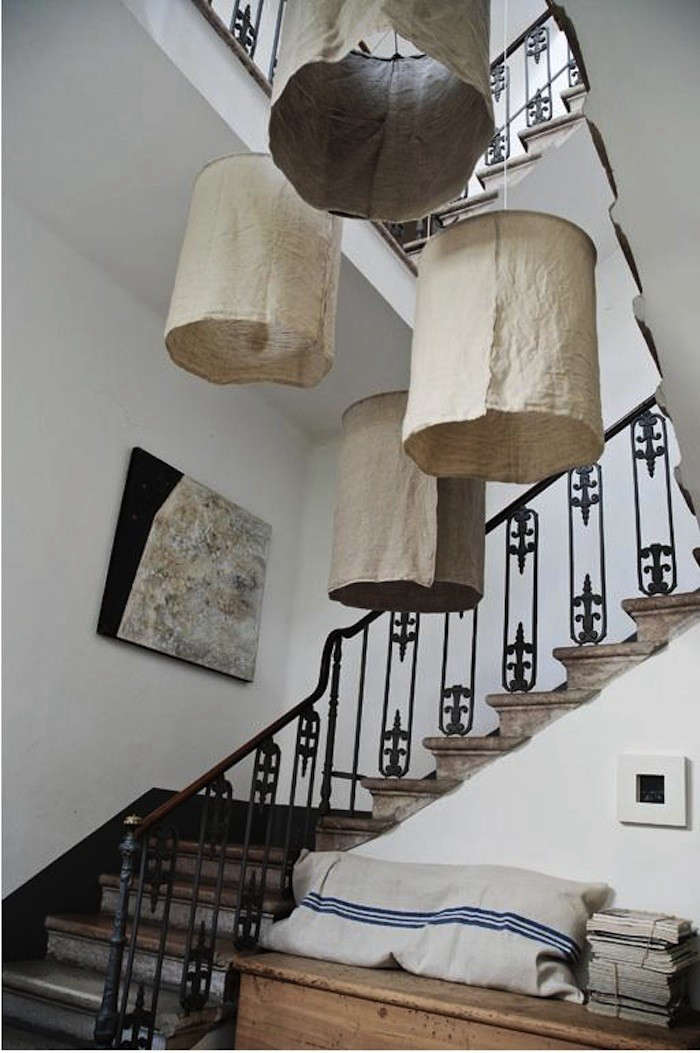
Linen pendant shades are having a quiet main-character moment. Not the “look at me, I’m a chandelier with crystals the size of grapes” kind of moment. More like the friend who shows up in a perfectly rumpled linen shirt, orders sparkling water with lemon, and somehow makes the whole table feel calmer. That is the magic of linen lighting: it softens a room without trying too hard.
In the world of interior design, the phrase High/Low is the sweet art of mixing splurge-worthy pieces with budget-friendly finds. And linen pendant shades are perfect for this game. On the high end, you will find sculptural silhouettes, solid brass details, hand-finished frames, natural linen, layered diffusers, and proportions that make a dining room feel like it belongs in a magazine. On the low end, you can still get warmth, texture, and style with simple drum shades, linen-blend fabric, plug-in pendants, and clever shade swaps that do not require taking out a second mortgage.
This guide breaks down what makes linen pendant shades so popular, where to splurge, where to save, how to choose the right size, and how to avoid common lighting mistakes. Whether you are styling a kitchen island, dining nook, bedroom corner, entryway, or rental apartment, linen pendant lighting can give your space that soft, organic glow people love but rarely know how to describe. The technical term is “ambient beauty.” The non-technical term is “wow, your house feels expensive.”
Why Linen Pendant Shades Work So Well
A linen pendant shade does two jobs at once: it controls light and adds texture. Hard materials like glass, chrome, and polished metal can look beautiful, but they often create sharper reflections. Linen filters the bulb’s brightness through woven fibers, creating a warmer, more diffused glow. That makes it especially useful in rooms where you want comfort, conversation, and atmosphere instead of interrogation-room brightness.
The beauty of linen is in its imperfection. A linen shade may show tiny slubs, subtle weave variations, and soft movement in the fabric. Instead of looking flat and factory-perfect, it feels natural. In modern interiors filled with smooth countertops, painted cabinets, square furniture, and big blank walls, that little bit of texture can be the difference between “nice room” and “I want to live here immediately.”
Main benefits of linen pendant lighting
Linen pendant shades are popular because they bring together several design advantages: they soften glare, warm up minimalist rooms, pair well with wood and brass, and bridge multiple styles. A linen drum pendant can work in a coastal kitchen, a modern organic dining room, a transitional bedroom, or a relaxed farmhouse entry. It is versatile without being boring, which is harder to achieve than it sounds.
They also photograph beautifully. Linen catches light in a gentle way, so the fixture appears calm rather than shiny. This is one reason linen pendant lights appear often in designer rooms with natural wood, plaster walls, marble counters, woven stools, and neutral upholstery. The shade does not shout. It murmurs. Very tastefully.
High: What You Pay For in Designer Linen Pendant Shades
High-end linen pendant shades usually cost more for reasons beyond the name on the box. The best designer fixtures often include better proportions, higher-quality frames, refined finishes, thoughtful diffusers, and stronger construction. You may see materials such as unlacquered brass, walnut trim, rattan wrapping, hand-applied finishes, or custom linen shade colors.
Luxury linen pendants also tend to solve the most common problem in overhead lighting: exposed glare. A well-designed pendant does not simply hang a pretty shade around a bulb. It considers how the light travels downward, sideways, and through the fabric. Some premium models use double drum shades, white diffusers, or layered fabric to create more even illumination.
Designer details that justify the splurge
Splurge-worthy linen pendant shades often include elegant construction details. A double drum shade creates depth and a layered glow. A diffuser hides the bulb from direct view. A fabric-wrapped cord makes the fixture feel finished from ceiling to shade. Brass or bronze hardware adds warmth. Wood trim can make the pendant feel more architectural and less like a simple lampshade hanging from the ceiling.
High-end options are especially worth considering when the pendant will be a focal point. Over a dining table, kitchen island, stair landing, or main entry, the fixture is not just lighting; it is furniture for the ceiling. If everyone sees it when they walk in, this may be the place to splurge.
Best rooms for high-end linen pendant shades
The dining room is the classic splurge zone. A linen pendant over a table can set the tone for the entire home. Choose a large drum, oval, or sculptural shade that feels generous but not bulky. In kitchens, high-end linen pendants can soften stone counters and cabinet lines, especially when paired with aged brass, bronze, or dark wood accents.
Bedrooms are another smart place to go high. A linen pendant above a reading corner or centered over a bed can create a boutique-hotel feeling. Just make sure the scale is calm, not theatrical. Unless your bedroom is enormous, this is not the place for a shade that looks like it is preparing for takeoff.
Low: How to Get the Linen Pendant Look for Less
The low side of the high/low equation is where things get fun. A budget linen pendant shade can still look polished if the shape, size, and bulb choice are right. Many affordable options use linen blends, cotton-linen fabric, or textured woven materials that give a similar soft effect. The goal is not to fool anyone into thinking you bought a custom fixture from a designer showroom. The goal is to create the same mood: warm, relaxed, and intentional.
Budget-friendly linen pendant lights are especially good for rentals, guest rooms, breakfast nooks, small apartments, and secondary spaces. Plug-in pendant lights can be a lifesaver when you do not have a ceiling junction box. Shade-only replacements can refresh an existing pendant without changing the electrical fixture. Even a simple drum shade can look elevated when paired with the right bulb and hung at the correct height.
Where to save without looking cheap
Save on the shade shape, not on safety. A simple linen drum shade is usually the most affordable and timeless option. Avoid overly complicated budget designs with too many fake finishes, flimsy chains, or shiny plastic parts pretending to be metal. A clean silhouette almost always looks more expensive than a busy one.
You can also save by choosing a shade-only update. If your existing pendant has a decent canopy and cord, replacing the shade may completely change the mood. Look for compatible fitter sizes, safe clearance around the bulb, and a shape that suits the room. A natural linen shade on a basic pendant can make a tired fixture look calm and current.
Affordable styling tricks
Use warm LED bulbs, preferably in the soft white range, to flatter the linen texture. Add a dimmer if the fixture allows it. Choose a bulb with enough brightness for the task, but do not overdo it. Linen shades are meant to glow, not blast. If your pendant hangs over a dining table, a dimmable bulb is nearly mandatory unless you enjoy dinner with the ambiance of a dentist’s office.
Another trick is repetition. One inexpensive linen pendant may look modest. Two or three lined up over a kitchen island can look custom, especially if the spacing is balanced. Repetition gives budget pieces visual authority. Designers use this trick constantly, and yes, you are allowed to steal it.
High vs. Low: What Actually Matters?
When comparing expensive and affordable linen pendant shades, focus on five things: scale, material, light quality, hardware, and installation. Price matters, but a badly sized luxury pendant will still look wrong. A well-proportioned budget pendant can look surprisingly good when installed thoughtfully.
1. Scale
Scale is the fastest way to make a pendant look expensive or awkward. A tiny shade above a large dining table looks accidental. A huge shade in a narrow hallway looks like a fabric UFO. For dining rooms, choose a fixture that feels substantial enough to anchor the table while leaving visual breathing room. For kitchen islands, multiple smaller pendants often work better than one oversized shade.
2. Fabric quality
Natural linen has depth and irregularity. Linen-blend shades can also be attractive, but check whether the fabric looks too synthetic when lit. Some cheaper shades look fine in daylight but reveal odd seams, hot spots, or yellowish patches at night. If possible, view product photos with the light turned on, not just styled in a bright showroom shot.
3. Diffusion
A diffuser is a major upgrade. It hides the bulb and spreads light more evenly. This is especially helpful above dining tables, kitchen islands, and beds, where people may look up into the fixture. Without a diffuser, choose a frosted LED bulb to reduce glare.
4. Hardware finish
Hardware can make or break the look. Brass, bronze, matte black, polished nickel, and walnut details all change the mood. For a timeless look, match the pendant finish to one or two other elements in the room, such as cabinet pulls, faucet finish, chair legs, or picture frames. It does not need to match perfectly. In fact, perfect matching can look a little too showroom. Coordinated is better than cloned.
5. Installation quality
A budget pendant installed at the perfect height will beat an expensive pendant hung awkwardly every time. Over a kitchen island, many designers start around 30 to 36 inches between the countertop and the bottom of the fixture. Over a dining table, a similar range often works, but ceiling height, shade size, and sightlines matter. When in doubt, mock it up with cardboard and string before committing. It is not glamorous, but neither is rehanging a light three times.
How to Choose the Right Linen Pendant Shade
Start with the room’s purpose. A kitchen island needs task lighting plus atmosphere. A dining table needs flattering light for meals and conversation. A bedroom needs softness. An entryway needs presence. Once you know the job, you can choose the right shade shape.
Drum shades
Drum linen pendant shades are the safest and most versatile choice. They work in modern, transitional, coastal, and classic rooms. A drum shade spreads light evenly and gives the ceiling a clean horizontal line. Choose this shape if you want something timeless and easy to live with.
Tapered shades
Tapered linen shades feel slightly more traditional. They are excellent for cozy breakfast nooks, cottage-style kitchens, and bedrooms. A tapered shade can also make a pendant feel lighter because the narrower top creates visual lift.
Pleated shades
Pleated linen pendant shades are having a stylish revival. They add rhythm, shadow, and a slightly vintage personality. Use pleats when the room needs texture, but keep the rest of the design relatively calm. A pleated shade plus patterned wallpaper plus busy tile plus dramatic curtains may start a small visual argument.
Oversized linen shades
An oversized linen pendant can be stunning over a dining table or in a vaulted entry. The key is restraint elsewhere. Let the shade be the statement. Pair it with simple furniture, natural materials, and enough negative space around it. Big linen lighting should feel airy, not heavy.
Best Color Choices for Linen Pendant Shades
Natural linen is the classic choice. It brings warmth without turning orange and works with almost every palette. White linen feels crisp and coastal. Oatmeal linen is relaxed and organic. Greige linen feels modern and sophisticated. Black or charcoal linen can be dramatic, but it blocks more light and works best when you want mood rather than brightness.
If your room already has warm woods, cream walls, and brass accents, natural linen will blend beautifully. If your room has cool gray cabinets or polished nickel, white or pale greige linen may feel cleaner. For dark rooms, avoid deep shades unless there are other light sources. A pendant should not be your only source of illumination unless you enjoy living like a tasteful cave dweller.
Bulbs, Dimmers, and Safety
Use LED bulbs whenever possible. LEDs are energy efficient, long-lasting, and better suited for fabric shades because they generally produce less heat than traditional incandescent bulbs. Always follow the fixture’s maximum wattage and bulb-type recommendations. Fabric and heat are not best friends, and your ceiling is not the place to experiment.
For most linen pendant shades, warm white bulbs create the most flattering glow. Dimmers are highly recommended, especially in dining rooms and bedrooms. A pendant that looks perfect during dinner may feel too dim for homework, puzzle night, or searching for the tiny screw you dropped while assembling furniture. Flexible lighting makes real life easier.
Styling Linen Pendant Shades by Room
Kitchen island
Use two or three linen pendants depending on island length. Choose shades that are wide enough to feel substantial but not so wide that they block conversation. Linen works beautifully with marble, soapstone, butcher block, painted cabinets, and unlacquered brass hardware. If your kitchen has many hard surfaces, linen is an excellent softening element.
Dining room
A large linen pendant over a dining table creates instant intimacy. Choose a shade that relates to the table shape: round shade for round table, oval or linear form for rectangular table, and a large drum for nearly anything. Add a dimmer, then prepare for everyone to say the room feels “so cozy” without knowing why.
Bedroom
In bedrooms, linen pendant shades should be calm and low-glare. A single centered shade can replace a flush mount, while smaller pendants can hang over nightstands if the wiring allows. Keep the bulb warm and soft. The bedroom is not a supermarket aisle.
Entryway
A linen pendant in an entryway creates a welcoming first impression. Choose a shape with enough presence to be seen from adjacent rooms. If the entry has a high ceiling, consider a larger shade or longer drop. If the entry is small, a compact linen drum can add softness without crowding the space.
Common Mistakes to Avoid
The first mistake is choosing a shade that is too small. Most people are more afraid of going too big, but undersized lighting is far more common. A pendant should relate to the furniture below it and the volume of the room.
The second mistake is using the wrong bulb. A beautiful linen shade can look dull, greenish, or harsh with the wrong color temperature. Choose warm, high-quality LEDs and test the bulb at night, not just in daylight.
The third mistake is ignoring the view from below. If you can see a bare bulb every time you sit down, the pendant may need a diffuser, a lower-glare bulb, or a different shade shape. Good lighting should flatter people, food, furniture, and your mood after a long day.
The fourth mistake is treating the pendant as the only light source. Even a great linen pendant should be part of a lighting plan that includes lamps, sconces, recessed lights, or under-cabinet lighting. Layers make a room flexible. One lonely ceiling fixture rarely does the whole job.
High/Low Shopping Strategy
If you are shopping high, look for premium materials, strong proportions, excellent diffusion, and a return policy that gives you breathing room. High-end linen pendant shades make sense when the fixture anchors a major room or when the design includes special details you cannot easily copy.
If you are shopping low, prioritize clean lines, safe construction, and good scale. Skip anything with awkward seams, shiny fake metal, or fabric that looks thin when illuminated. A simple affordable shade in the correct size will look better than a complicated bargain fixture trying too hard.
The smartest approach is often a mix. Splurge on the dining room pendant, save on the guest room. Buy a designer-inspired shade for the breakfast nook, then spend more on professional installation. Replace a dated shade now and upgrade the full fixture later. High/low decorating is not about being cheap; it is about being clever with your budget.
Experience Notes: Living With Linen Pendant Shades
After using linen pendant shades in real rooms, the first thing you notice is how much they change the mood at night. In daylight, a linen shade may simply look pretty and textural. But after sunset, it becomes part of the atmosphere. The room feels warmer, the ceiling feels less empty, and the light seems to settle instead of bounce. It is a small change with a surprisingly big emotional payoff.
One experience that stands out is installing a natural linen drum pendant over a modest dining table. The table was not fancy. The chairs were not fancy. One chair had a mysterious wobble that no amount of tightening could fix. But once the linen pendant went up, the entire area looked intentional. The shade visually gathered the table, chairs, and rug into one zone. It made weeknight pasta feel like a dinner plan instead of a survival strategy.
The second lesson is that bulb choice matters more than expected. A cool white bulb made the linen look flat and slightly gray. A warm LED immediately improved the shade, the wall color, and everyone’s face. This is not exaggeration. Bad overhead lighting can make a room feel tired even when the furniture is beautiful. Warm, dimmable light through linen is much more forgiving.
Another useful lesson: measure twice, then make a mockup. Before choosing a large linen pendant for a kitchen island, it helps to tape out the diameter on cardboard and hang it temporarily with string. It looks ridiculous for ten minutes, but it prevents expensive regret. In one kitchen, the shade that seemed perfect online felt too wide once mocked up. A slightly smaller pair of pendants looked better, gave more even coverage, and kept sightlines open across the room.
Linen shades also need a little maintenance. Dust can settle into the weave, especially in kitchens. A soft duster or vacuum brush attachment works well. Avoid soaking natural linen unless the manufacturer specifically says it is safe. Fabric shades are like good linen shirts: they look relaxed, but they do not want to be treated like gym towels.
The biggest surprise is how versatile linen pendant lighting can be. It does not lock a room into one style. Add brass and walnut, and it feels upscale. Pair it with rattan and white walls, and it leans coastal. Use it with black accents and plaster-like walls, and it feels modern organic. Put it in a cottage kitchen, and suddenly it looks like it has always belonged there.
If there is one piece of practical advice, it is this: choose the pendant for the feeling you want at night, not just the shape you like online. Linen pendant shades are about glow, texture, and comfort. When chosen well, they make a home feel softer, calmer, and more finished. And unlike many design upgrades, they do not require renovating the entire room. Sometimes all it takes is one beautiful shade, one warm bulb, and the courage to finally say goodbye to that builder-grade fixture that has been quietly offending everyone since 2008.
Conclusion
Linen pendant shades are one of the easiest ways to make a room feel warmer, softer, and more thoughtfully designed. The high/low approach gives you flexibility: splurge where the fixture becomes a focal point, save where a simple shade can still deliver texture and glow. Focus on scale, fabric quality, diffusion, bulb warmth, and installation height. Whether you choose a designer linen pendant with brass details or an affordable drum shade that quietly upgrades a rental nook, the goal is the same: beautiful light that makes everyday life look a little better.
The best linen pendant shade is not always the most expensive one. It is the one that fits your room, flatters your light, and makes people want to stay a little longer. That is the real luxury. Well, that and a dimmer switch.