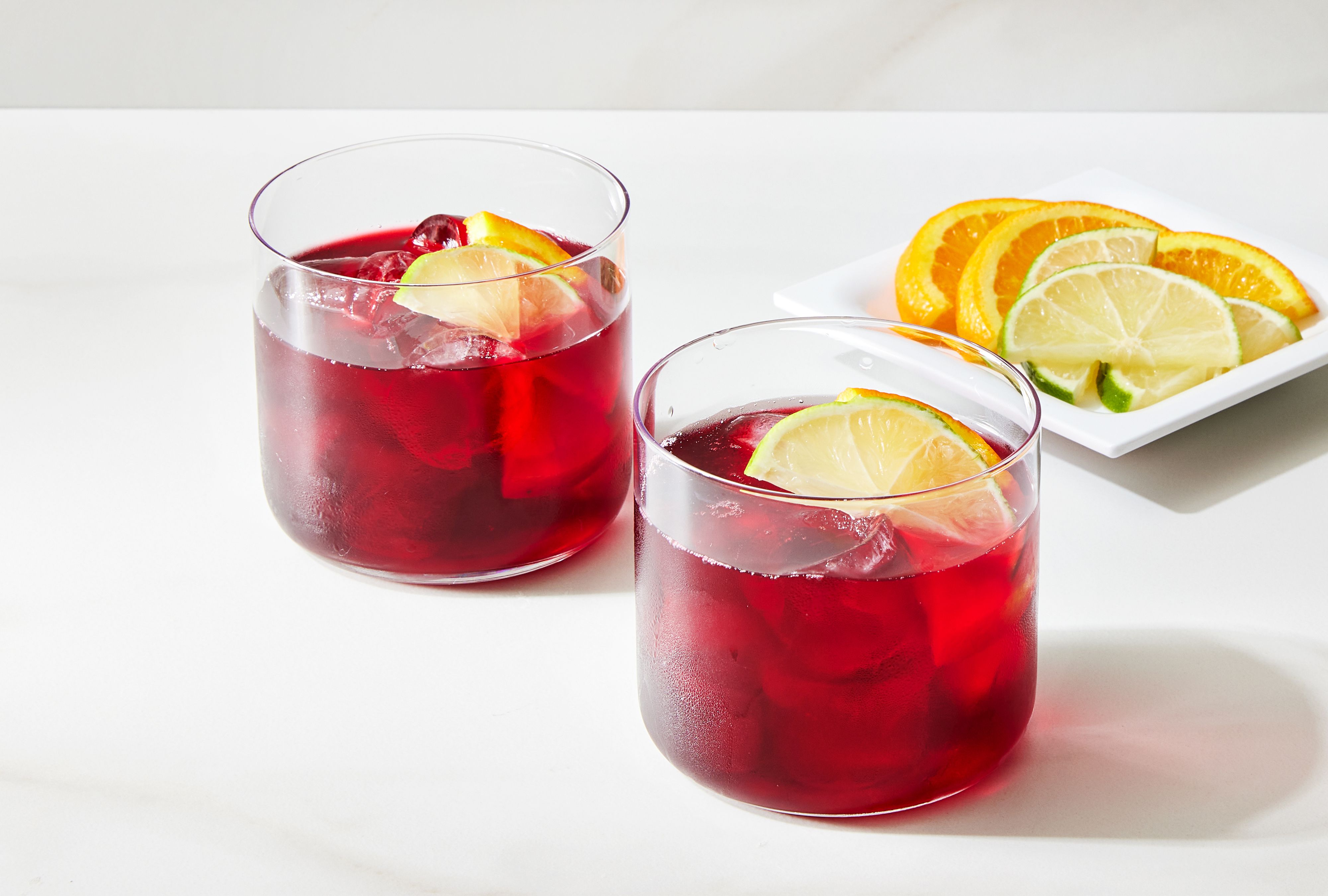
Hibiscus tea is the ruby-red drink that walks into the kitchen wearing sunglasses and immediately becomes the most interesting thing in the room. Tart, floral, naturally caffeine-free, and wildly refreshing over ice, this homemade hibiscus tea recipe is simple enough for a weekday pitcher yet pretty enough for brunch, cookouts, and “I cleaned one drawer, so I deserve something fancy” moments.
Made from dried hibiscus flowers, also known as flor de Jamaica or roselle, this tea has a bold cranberry-like flavor with a citrusy edge. It can be served hot, chilled, sweetened, unsweetened, sparkling, spiced, or dressed up with lime and mint. In other words, it is less of a strict recipe and more of a delicious little red passport to better beverages.
This guide explains how to make hibiscus tea from dried flowers, how long to steep it, how to sweeten it without overdoing it, and how to customize it for every season. You will also find practical storage tips, serving ideas, common mistakes, and a longer experience section at the end for readers who want real-world brewing notes before making their first pitcher.
What Is Hibiscus Tea?
Hibiscus tea is an herbal infusion made by steeping dried hibiscus calyces in hot water. Although people often call them “flowers,” the edible dried pieces used for tea are usually the deep red calyces of the hibiscus plant. Once steeped, they release a bright magenta color and a tangy flavor that tastes something like cranberry, pomegranate, and citrus peel having a very well-organized meeting.
Because hibiscus tea is naturally caffeine-free, it is a popular choice for afternoon sipping, evening tea, summer iced drinks, and nonalcoholic party beverages. It is also known around the world by different names. In Mexico and many U.S. kitchens, it is often enjoyed as agua de Jamaica. In parts of the Caribbean, it may be associated with sorrel-style drinks. In North Africa and the Middle East, similar hibiscus beverages are commonly served hot or cold.
The best part? You only need a few ingredients: dried hibiscus, water, and something to balance the tartness. That “something” can be honey, sugar, maple syrup, agave, orange slices, lime juice, ginger, cinnamon, or even sparkling water. Hibiscus is bold, but it plays nicely with others.
Classic Hibiscus Tea Recipe
This version makes a bright, refreshing pitcher of iced hibiscus tea. It is strong enough to pour over ice without tasting watery, but not so intense that your taste buds file a formal complaint.
Ingredients
- 1 cup dried hibiscus flowers, rinsed quickly if dusty
- 4 cups water for steeping
- 2 to 3 cups cold water, to dilute after steeping
- 1/3 to 1/2 cup sugar, honey, agave, or maple syrup, adjusted to taste
- 2 tablespoons fresh lime juice or lemon juice
- 1 cinnamon stick, optional
- 3 to 5 thin slices fresh ginger, optional
- Fresh mint, orange slices, or lime wheels for serving
- Ice, for serving
Instructions
- Boil the water. Add 4 cups of water to a medium saucepan and bring it to a boil.
- Add the hibiscus. Turn off the heat, then stir in the dried hibiscus flowers. Add the cinnamon stick and ginger now if using.
- Steep. Cover the pan and let the hibiscus steep for 15 to 20 minutes. For a lighter flavor, steep for 10 minutes. For a stronger concentrate, steep up to 30 minutes.
- Strain. Pour the tea through a fine-mesh strainer into a heatproof pitcher. Press gently on the hibiscus, but do not mash it into a pulp.
- Sweeten while warm. Stir in your sweetener until dissolved. Start with less; hibiscus is tart, but too much sugar can flatten its lively flavor.
- Add citrus. Stir in fresh lime juice or lemon juice. This brightens the tea and makes the color look even more dramatic.
- Dilute and chill. Add 2 to 3 cups cold water, depending on how strong you like it. Refrigerate until cold.
- Serve. Pour over ice and garnish with mint, citrus slices, or a tiny umbrella if your kitchen is feeling theatrical.
Hot Hibiscus Tea Method
For a single hot cup, use 1 tablespoon dried hibiscus flowers per 8 ounces of just-boiled water. Steep for 5 to 7 minutes, then strain. Add honey and lemon if desired. Hot hibiscus tea is tangy and soothing, especially when paired with ginger or cinnamon. It is also a lovely choice when you want something warm but do not want caffeine tap-dancing through your evening.
How Long Should Hibiscus Tea Steep?
For hot tea, 5 to 7 minutes is usually enough. For iced tea or a pitcher concentrate, 15 to 20 minutes gives a deeper color and fuller flavor. If you enjoy a bold, tart drink, you can steep hibiscus for 30 minutes, but taste before going longer. Hibiscus can become very sharp if over-extracted, especially when you use a generous amount of dried flowers.
A simple rule: if you plan to drink it hot, steep briefly. If you plan to pour it over ice, steep stronger. Ice is sneaky. It melts, dilutes, and pretends it did nothing wrong.
Best Sweeteners for Hibiscus Tea
Hibiscus tea does not require sweetener, but a little sweetness helps round out its natural tartness. White sugar gives the cleanest flavor. Honey adds floral warmth. Maple syrup brings depth. Agave dissolves easily and works especially well in iced versions. For a lower-sugar drink, use a small amount of sweetener and rely on orange slices, berries, or pineapple juice for natural balance.
If you are serving a group, keep the pitcher lightly sweetened and offer extra syrup on the side. Some people love hibiscus tea mouth-puckeringly tart; others want it sweet enough to make lemonade nervous. Let the people choose peace.
Flavor Variations
Hibiscus Lime Tea
Add extra lime juice and lime zest after steeping. This version is crisp, bright, and excellent over crushed ice.
Hibiscus Ginger Tea
Steep fresh ginger slices with the hibiscus. Ginger adds gentle heat and makes the tea taste fuller without needing much sugar.
Hibiscus Mint Iced Tea
Add fresh mint after straining while the tea is still warm, then remove it before chilling. Mint makes the drink taste cooling and garden-fresh.
Sparkling Hibiscus Tea
Make a strong hibiscus concentrate, chill it, then mix equal parts concentrate and sparkling water. Add lime and serve immediately so the bubbles do not stage an escape.
Orange Cinnamon Hibiscus Tea
Steep with a cinnamon stick, then add orange slices before chilling. This variation works beautifully in fall and winter, especially when served warm.
Tips for the Best Hibiscus Tea
Use food-grade dried hibiscus from a trusted grocery store, tea shop, Latin market, or spice supplier. Do not use ornamental hibiscus from the garden unless you are absolutely certain it is an edible, untreated variety. Flowers grown for landscaping may be exposed to pesticides or chemicals that do not belong in your cup.
Rinse the dried hibiscus briefly if it looks dusty, but do not soak it before brewing unless your recipe specifically calls for a cold infusion. Use filtered water if your tap water has a strong mineral or chlorine taste, because hibiscus is bold but not magical enough to hide every water problem.
Sweeten the tea while it is still warm. Sugar and honey dissolve more easily in warm liquid than in cold tea. If you forget and chill it first, make a quick simple syrup by dissolving equal parts sugar and hot water, then stir that into the pitcher.
Always taste before serving. Hibiscus tea changes depending on the flowers, steep time, water amount, and sweetener. A flexible recipe beats a rigid one every time.
Storage and Make-Ahead Instructions
Store hibiscus tea in a covered pitcher or jar in the refrigerator for up to 5 days. The flavor is often best after a few hours of chilling because the tart and sweet notes settle into each other. If you add fresh mint, citrus slices, or berries, remove them after several hours to prevent bitterness.
You can also freeze hibiscus tea in ice cube trays. Use the cubes in lemonade, sparkling water, iced tea, or fruit punch. They look gorgeous and prevent drinks from becoming boring and watery. Regular ice is useful; hibiscus ice is an accessory.
Common Mistakes to Avoid
Using Too Much Hibiscus
More hibiscus means more color and flavor, but too much can make the drink aggressively tart. Start with the recipe amount, then increase next time if you want a stronger concentrate.
Skipping the Citrus
Lime or lemon juice is optional, but it makes a noticeable difference. It sharpens the flavor and gives the tea a fresher finish.
Over-Sweetening Too Early
Hibiscus is naturally tart, so it is tempting to pour in sugar with great confidence. Add sweetener gradually. You can always add more, but removing it requires a kitchen miracle.
Serving It Too Weak
If you are serving hibiscus tea over ice, brew it slightly stronger than you think you need. Ice will dilute the tea as it melts.
Is Hibiscus Tea Good for You?
Hibiscus tea contains natural plant compounds, including anthocyanins, which help give the tea its deep red color. It is also caffeine-free and can be a flavorful alternative to soda or overly sweet bottled drinks. Some research has explored hibiscus for heart-health markers such as blood pressure, though it should not be treated as medicine or a replacement for professional care.
Anyone who is pregnant, breastfeeding, taking blood pressure medication, diabetes medication, diuretics, liver-related medications, or other regular prescriptions should ask a qualified healthcare professional before drinking hibiscus tea often. People with low blood pressure should also be cautious. For most healthy adults, an occasional cup or glass is simply a bright herbal drink, but “natural” does not automatically mean “risk-free.” Even flowers can have boundaries.
What to Serve with Hibiscus Tea
Hibiscus tea pairs well with foods that enjoy a little acidity. Try it with tacos, grilled chicken, rice bowls, fruit salad, avocado toast, spicy snacks, roasted vegetables, or buttery pastries. It is especially refreshing beside salty foods because the tartness cuts through richness and wakes up the palate.
For brunch, serve hibiscus iced tea with citrus slices and mint. For a family cookout, keep a big pitcher next to lemonade. For a cozy evening, serve hot hibiscus tea with honey, ginger, and a cinnamon stick. It is flexible enough for paper cups, glass pitchers, and the fancy mugs you bought because they made you feel like a calm person.
Frequently Asked Questions
Can I make hibiscus tea with tea bags?
Yes. Use 1 hibiscus tea bag per 8 ounces of hot water. Steep for 5 to 7 minutes, then sweeten and add citrus if desired. For iced tea, use 4 to 6 tea bags for a small pitcher.
Can I cold brew hibiscus tea?
Yes. Combine dried hibiscus and cold water in a covered jar, then refrigerate for 8 to 12 hours. Strain and sweeten to taste. Cold brew hibiscus tea tastes smoother and slightly less sharp than hot-steeped tea.
Why is my hibiscus tea so sour?
Hibiscus is naturally tart. Dilute it with cold water, add a little sweetener, or balance it with orange juice, pineapple juice, or mint.
Can I reuse dried hibiscus flowers?
You can steep them a second time, but the flavor and color will be weaker. A second steep works best for a light tea, not a bold iced pitcher.
Real Kitchen Experience: Making Hibiscus Tea at Home
The first time you make hibiscus tea, the color may surprise you. One minute you are looking at a pot of dried red petals, and the next minute the water turns into something that looks like a gemstone decided to become a beverage. It feels dramatic for such a simple recipe, which is part of the fun. Hibiscus tea gives maximum visual reward for minimum effort, and that is the kind of kitchen math everyone can support.
In everyday use, the most important lesson is balance. A strong hibiscus concentrate can taste almost too tart when warm, but once chilled and poured over ice, it becomes cleaner and more refreshing. That is why tasting at different stages matters. Warm hibiscus tastes sharper. Cold hibiscus tastes smoother. Hibiscus over ice with lime tastes like it has weekend plans.
For a first batch, it is smart to sweeten lightly. Start with about 1/3 cup sweetener for a pitcher, then adjust after chilling. Many people over-sweeten hibiscus tea because the first warm sip feels intense. Once cold, though, the tartness relaxes. If the tea still tastes too sharp, add a splash of orange juice or a bit more syrup. Orange is especially helpful because it adds sweetness and aroma without making the drink taste heavy.
Another practical experience: hibiscus tea is a great make-ahead drink for guests because it looks impressive in a clear pitcher. Add lime wheels, orange slices, and fresh mint right before serving, and suddenly it looks like you planned your life beautifully. Just avoid leaving citrus peels in the pitcher overnight because they can turn bitter. The tea itself keeps well, but garnishes are best treated like party guests: lovely for a few hours, not ideal forever.
If you enjoy experimenting, make hibiscus concentrate instead of finished tea. Steep the hibiscus strongly, strain it, sweeten lightly, and store it in the refrigerator. Then use it throughout the week in different ways. Mix it with still water one day, sparkling water the next, lemonade after that, and maybe ginger tea when you want something cozy. A small jar of concentrate can become several drinks, which is useful if your fridge space is currently being occupied by sauces you forgot you owned.
The best food pairings come from contrast. Hibiscus tea is excellent with spicy, salty, or rich foods because the acidity refreshes your mouth. It works beautifully with tacos, chips and salsa, grilled corn, fried snacks, sandwiches, and creamy desserts. It also makes a nice afternoon drink when you want something more exciting than water but less sugary than soda.
One final experience-based tip: protect light-colored clothing while straining. Hibiscus tea is gorgeous, but it is also very committed to being red. Use a stable pitcher, pour slowly, and do not attempt dramatic one-handed straining unless you enjoy explaining stains. The reward is worth it, though: a bold, beautiful homemade hibiscus tea recipe that tastes refreshing, looks stunning, and takes very little effort to master.
Conclusion
This hibiscus tea recipe is simple, flexible, and wonderfully refreshing. With dried hibiscus flowers, water, citrus, and just enough sweetener, you can make a bright herbal tea that works hot, iced, sparkling, spiced, or party-ready in a pitcher. The key is to steep for the right strength, balance the tartness, and customize the flavor with ingredients like lime, ginger, cinnamon, mint, or orange.
Whether you know it as hibiscus tea, flor de Jamaica, roselle tea, or agua de Jamaica, this drink deserves a regular spot in your kitchen. It is bold without being complicated, beautiful without requiring decoration school, and refreshing enough to make plain water feel slightly underdressed.