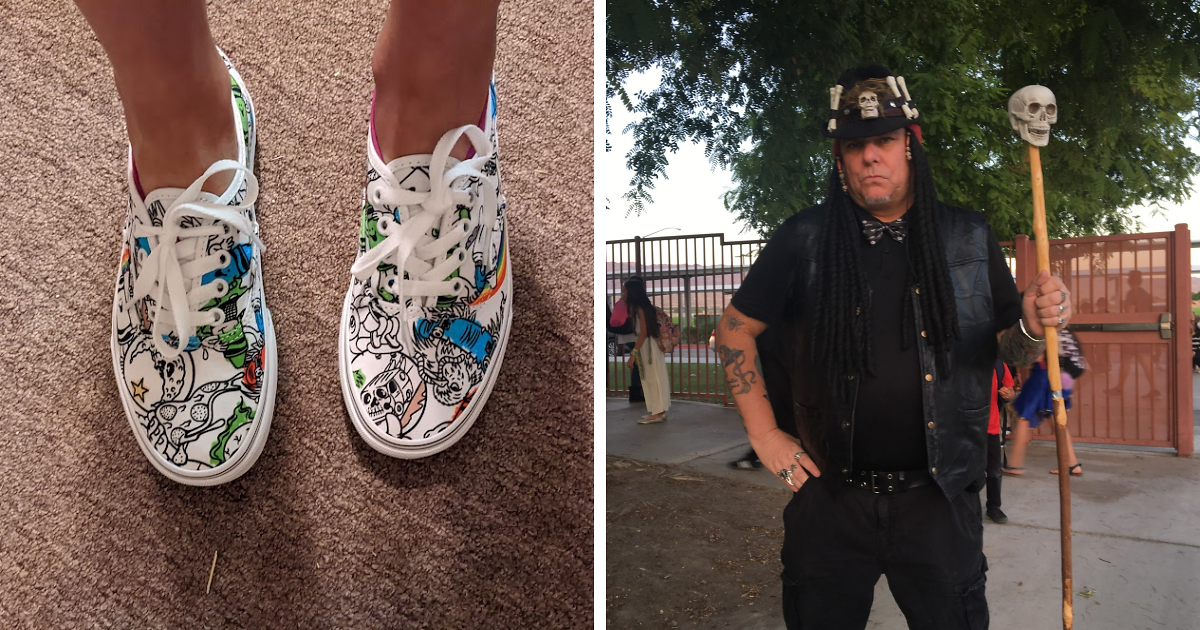
Some people have a power blazer. Others have a hoodie so soft it could negotiate world peace. Somewhere in a closet, a pair of ridiculous socks is waiting patiently to rescue someone’s mood on a Tuesday. That is the magic behind the question: Hey Pandas, what piece of clothing brings you the most happiness?
At first, it sounds like a cute internet prompt, the kind of cozy question people answer between coffee sips and scrolling breaks. But the more you think about it, the more interesting it becomes. Clothing is not just fabric. It is memory, identity, comfort, confidence, rebellion, nostalgia, and sometimes emotional support with sleeves.
Psychologists have studied how clothes can affect the way we think, feel, and behave. Fashion writers have explored “dopamine dressing,” the idea of choosing colors, textures, and outfits that lift the spirit. Everyday people already understand this without needing a lab coat, though funny enough, a lab coat is part of the famous research story. We know the feeling of putting on the one jacket that makes us stand taller, the pajamas that say “no meetings can hurt me now,” or the dress that somehow turns grocery shopping into a main-character moment.
This article dives into why certain clothes bring happiness, what those favorite pieces often have in common, and why the best outfit is not always the most expensive, trendy, or Instagram-ready. Sometimes it is the cardigan with one missing button and a heroic amount of emotional range.
Why One Piece Of Clothing Can Make Us So Happy
The happiest piece of clothing in your closet usually does more than cover your body. It tells you something about yourself. It may say, “You are safe.” It may say, “You are fun.” It may say, “You survived that weird era and still look fantastic.” Clothing works on several levels at once: physical comfort, emotional memory, social identity, and personal expression.
Think about a favorite sweater. The happiness might come from its softness, but it might also come from who gave it to you, where you wore it, or the version of yourself you become when you put it on. That sweater is not just knitwear. It is a portable mood board.
Researchers often refer to the psychological relationship between clothing and the wearer as “enclothed cognition.” The basic idea is that what we wear can influence our mindset, especially when the clothing carries a symbolic meaning. A sharp suit may make someone feel more professional. A uniform may trigger focus. A cozy robe may tell the nervous system, “Excellent news, we are no longer pretending to be productive.”
That is why the happiest clothing is not universal. One person’s joy is a vintage leather jacket. Another person’s joy is a faded college sweatshirt. Someone else feels most alive in cowboy boots, a floral skirt, a perfectly broken-in pair of jeans, or a beanie that looks like it has attended several emotional support meetings.
The Psychology Of “Happy Clothes”
Clothing Can Shape Mood
Most people have experienced clothing changing their mood. Put on stiff pants that pinch in three places and suddenly the whole day has betrayal energy. Put on a soft T-shirt that fits just right and life becomes more manageable. This is not shallow. Our bodies constantly send feedback to our brains. Fit, fabric, temperature, and movement all influence how relaxed or irritated we feel.
Comfort clothes are especially powerful because they reduce friction. They let us stop thinking about our bodies every five seconds. A favorite hoodie, leggings, robe, or oversized flannel can create a sense of ease. Happiness, in this case, is not dramatic. It is the quiet relief of being physically unbothered.
Clothing Can Boost Confidence
Then there are confidence clothes: the jeans that understand the assignment, the boots that make sidewalks feel like runways, the blazer that whispers, “You may now send the email.” These items bring happiness because they change posture, energy, and self-perception.
Confidence clothing does not need to be formal. A graphic tee from a favorite band can make someone feel more authentic. A bright scarf can make a shy person feel visible in a good way. A crisp white shirt can make a chaotic morning feel organized, even if the person wearing it is secretly eating cereal out of a mug.
Clothing Can Carry Memory
Some clothes are happy because they are attached to people or moments. A grandfather’s jacket. A mother’s scarf. A concert shirt from the best night of someone’s life. A wedding dress, a graduation tie, a vacation hat, or a baby blanket repurposed into a keepsake garment can hold emotional meaning that no shopping trend can duplicate.
These pieces become wearable memory. They may not be worn often, but they matter. Opening a drawer and seeing them can be enough to spark joy. They are proof that clothing can become part of a personal archive, storing chapters of a life in cotton, wool, denim, silk, or one suspicious polyester blend that has somehow outlived every relationship.
Common Pieces Of Clothing That Bring People Happiness
1. The Perfect Hoodie
The hoodie may be the unofficial mascot of clothing happiness. It is warm, forgiving, practical, and emotionally fluent. A great hoodie works for sick days, movie nights, airport survival, late-night snack missions, and “I am leaving the house but not spiritually participating” errands.
The happiest hoodie is usually not the newest one. It is the one with history. Maybe it came from college, a favorite trip, a loved one, or a random sale rack that accidentally changed your life. It has the right weight, the right hood, and sleeves long enough to hide your hands from adult responsibilities.
2. Jeans That Actually Fit
Finding jeans that fit well can feel like winning a small but meaningful lottery. The right jeans do not dig, sag, twist, or require a full-body negotiation every time you sit down. They make you feel pulled together without feeling trapped.
For many people, a favorite pair of jeans becomes a reliable foundation. Dress them up, dress them down, wear them with sneakers, boots, or a shirt that says, “Yes, I tried, but not in a desperate way.” When denim fits your real body instead of some imaginary mannequin species, happiness follows.
3. Pajamas That Feel Like A Reward
Pajamas are underrated happiness machines. After a long day, changing into soft pajamas can feel like crossing a border into a kinder country. Matching pajama sets bring order. Oversized sleep shirts bring freedom. Fuzzy pajama pants bring the energy of a retired golden retriever living its best life.
Happy sleepwear matters because it signals rest. It tells the brain that the performance is over. No one needs a brave face for the couch. No one needs hard pants for tea. Pajamas are the wardrobe’s way of saying, “You made it.”
4. A Dress That Makes Everything Feel Lighter
For some people, the happiest clothing is a dress that moves beautifully. It might be floral, black, bright red, vintage, thrifted, handmade, or simple enough to wear anywhere. The joy often comes from ease. One piece, instant outfit, no committee meeting required.
A beloved dress can feel playful, elegant, comfortable, or powerful. It can make ordinary plans feel special. The right dress does not demand that you shrink, pose, or explain yourself. It simply lets you exist with a little extra swish.
5. Shoes That Feel Like Freedom
Shoes can be happiness or punishment. There is very little middle ground. A joyful pair might be sneakers that carry someone through long walks, boots that make them feel bold, sandals from a memorable vacation, or heels saved for nights when confidence needs a soundtrack.
Happy shoes often represent movement. They say, “Go somewhere.” They hold stories of concerts, first dates, road trips, job interviews, city streets, muddy trails, and dance floors where dignity was briefly misplaced but joy was abundant.
6. The Sentimental T-Shirt
A T-shirt can be a scrapbook with armholes. Band tees, team shirts, camp shirts, volunteer shirts, marathon shirts, and old family reunion shirts all carry identity. They may not be fashionable in the strict sense, but they are emotionally stylish.
The happiest T-shirts are often soft from years of washing and slightly mysterious in origin. You may not remember exactly when you got it, but you know it has been there through breakups, pizza nights, moving boxes, and at least one haircut you prefer not to discuss.
Dopamine Dressing: Joyful Fashion Without The Pressure
“Dopamine dressing” became a popular phrase for wearing clothes that make you feel happier, often through bright colors, bold patterns, playful textures, or personally meaningful outfits. The phrase is catchy, though it should not be taken too literally as a guaranteed brain-chemistry button. A yellow sweater will not solve all your problems. If it did, therapists would be legally required to sell cardigans.
Still, the idea is useful. Dopamine dressing encourages people to choose clothes based on emotional response, not just trends or rules. That might mean hot pink pants. It might mean a green sweater because green makes you feel calm. It might mean wearing black every day because it makes you feel sleek, grounded, and less likely to spill coffee visibly.
The key is personal joy. Mood-boosting clothing does not need to be loud. A neutral linen shirt can be happy clothing if it makes you feel peaceful. A pair of red boots can be happy clothing if it makes you feel brave. A novelty sweater with tiny ducks on it can be happy clothing because tiny ducks are objectively doing their best.
What Makes Clothing Emotionally Powerful?
Fit: The Difference Between Joy And Betrayal
Fit is one of the biggest reasons a piece of clothing becomes beloved. Clothing that fits well lets you move naturally. It does not punish you for eating lunch. It does not require constant adjusting. It does not make sitting down feel like a risky engineering project.
When clothes fit your body as it is today, they support confidence. When clothes are kept only for a future “someday” body, they can create stress. The happiest wardrobes usually contain pieces that honor the current wearer, not a fictional version scheduled to appear after six weeks of salads and unrealistic optimism.
Texture: The Secret Language Of Comfort
Texture matters more than many people realize. Soft cotton, smooth silk, broken-in denim, plush fleece, breathable linen, and cozy wool can all create different emotional responses. Some people love weight and structure. Others need softness and stretch. Sensory comfort is deeply personal.
This is why two sweaters that look similar can feel completely different. One says “warm hug.” The other says “itchy tax audit.” Your nervous system knows the difference immediately.
Color: A Mood Cue You Can Wear
Color can influence how we feel, though responses vary by person, culture, memory, and context. Blue may feel calm to one person and gloomy to another. Red may feel powerful, romantic, stressful, or festive depending on the wearer. Yellow may feel cheerful, or it may feel like being yelled at by a lemon.
Instead of following universal color rules, pay attention to your own reactions. Which colors make your face soften? Which ones make you stand taller? Which ones make you feel like you accidentally joined a corporate retreat? Your happiest clothing colors are the ones that support your energy.
How To Find The Clothing That Brings You The Most Happiness
Notice What You Reach For On Hard Days
Your favorite clothing may reveal itself when life gets messy. What do you wear when you need comfort? What do you choose before an important conversation? What piece comes out when you want to feel like yourself again? The clothes you reach for under pressure often carry the most emotional value.
Ask What The Item Helps You Feel
Instead of asking only “Does this look good?” ask “What does this help me feel?” Calm? Brave? Pretty? Funny? Capable? Relaxed? Creative? Protected? Clothing happiness often comes from emotional function. A coat can be armor. A dress can be freedom. A hat can be personality with a brim.
Keep Pieces That Tell Your Story
A closet should not be a museum of every sock you have ever owned, but sentimental pieces deserve respect. If an item brings real joy, keep it with intention. Store it well, wear it proudly, or turn it into something new. Old clothing can become quilts, framed art, pillows, patches, or memory bears. Yes, your ancient T-shirt can have a second act. Hollywood loves those.
Let Go Of Clothes That Bully You
Some clothes do not bring happiness. They bring guilt, discomfort, comparison, or the vague feeling that you are being judged by a zipper. If an item makes you feel bad every time you try it on, it may not deserve premium closet real estate.
Letting go of unhappy clothing creates room for pieces that support your real life. The goal is not a perfect minimalist capsule wardrobe unless that truly delights you. The goal is a wardrobe that feels less like a storage unit for regret and more like a toolkit for daily living.
The Joy Of Weird, Personal, Unfashionable Favorites
The funniest thing about happy clothing is that it often ignores fashion rules. The item that brings the most happiness might be objectively strange. Maybe it is a neon windbreaker from the 1990s. Maybe it is a sweater with a questionable reindeer. Maybe it is a pair of socks covered in tacos. Maybe it is a hat that makes you look like a fisherman who gives excellent life advice.
That weirdness is the point. Clothing happiness is not always about being admired. Sometimes it is about being recognized by yourself. The item says, “This is me. A little odd, perhaps, but comfortable in the chaos.”
In a world that constantly tells people to optimize, upgrade, and curate, a beloved goofy garment is refreshingly rebellious. It does not ask for permission. It simply makes you smile.
Why Community Questions Like “Hey Pandas” Feel So Good
Questions like “What piece of clothing brings you the most happiness?” work so well online because they invite small personal stories. They are easy to answer, but not empty. Everyone wears clothes, and nearly everyone has at least one item with a story attached.
These questions create connection through ordinary details. One person talks about a hoodie from their late sibling. Another shares a thrifted dress that made them feel beautiful after years of insecurity. Someone else posts about dinosaur socks because not all healing needs to be solemn. Together, the answers become a warm little archive of human tenderness, humor, and excellent laundry choices.
That is the charm. A simple clothing question becomes a conversation about memory, identity, grief, confidence, comfort, and joy. Also, pockets. We must never underestimate the emotional power of a dress with pockets.
Experiences: The Clothes That Quietly Save The Day
One person might say their happiest piece of clothing is a faded blue hoodie that once belonged to their older brother. It is too big, the cuffs are stretched, and the logo has cracked into abstract art. But when they wear it, they remember late-night talks, shared jokes, and the feeling of being protected. It is not fashionable. It is better than fashionable. It is familiar.
Another person might choose a pair of red boots bought after a difficult breakup. At the time, the boots felt wildly impractical. They were bright, bold, and not the sort of thing their old self would have worn. But that was exactly the point. The first time they wore them outside, they felt nervous. By the third outing, they were walking differently. The boots became a symbol of returning to themselves, one confident step at a time.
Someone else might treasure a simple black dress. It has been worn to dinners, job celebrations, birthday parties, and one emergency event where everything else in the closet seemed to have formed a conspiracy. The dress always works. It does not wrinkle easily. It does not demand complicated styling. It makes the wearer feel elegant without feeling overdressed. In a chaotic world, reliability can be glamorous.
There is also happiness in clothing that marks achievement. A marathon shirt may be scratchy, oversized, and not especially flattering, but it represents months of training and the moment a finish line finally appeared. A graduation stole may live in a box most of the year, but touching it brings back the relief of finishing something hard. A work uniform may not be stylish, but for someone who fought to build a career, it can mean independence.
For parents, happy clothing may be tiny: a baby’s first hat, a toddler’s superhero cape, or a little sweater kept long after the child outgrew it. These pieces hold the ache of time passing. They bring happiness with a pinch of sadness, the way meaningful things often do. A small sock can become emotional contraband.
Some happy clothes are tied to place. A linen shirt from a beach vacation. A scarf bought in a city that felt like a fresh start. A raincoat that survived a camping trip where everything went wrong except the stories. Travel clothing absorbs atmosphere. Put it on later, and suddenly you remember salt air, train stations, mountain wind, hotel coffee, or the exact moment you realized you had packed terribly but lived bravely.
And then there are the everyday heroes: the leggings that do not roll down, the cardigan kept on the office chair, the lucky interview shirt, the gardening overalls, the soft socks saved for Sundays, the apron covered in flour from family recipes. These pieces may never appear in fashion magazines, but they make daily life kinder. They are proof that happiness does not always arrive dressed for a gala. Sometimes it arrives in elastic waistbands and says, “You are doing fine.”
The most happiness-giving clothing is rarely about perfection. It is about relationship. We love the clothes that help us feel more like ourselves, or more like the self we are trying to become. We love the pieces that comfort us, celebrate us, remember with us, and occasionally make strangers say, “Great sweater,” which is basically a tiny parade.
Conclusion: Wear What Loves You Back
The piece of clothing that brings you the most happiness does not need to impress anyone else. It only needs to mean something to you. It might be stylish, sentimental, soft, silly, practical, glamorous, or so old that it has achieved elder status in your laundry basket.
Happy clothing reminds us that fashion is not just about trends. It is about how we move through the world. It is about the colors that wake us up, the textures that calm us down, the pieces that help us feel brave, and the garments that carry our favorite memories without asking for attention.
So, hey pandas, if you already know your happiest piece of clothing, wear it more often. Do not save every joyful thing for a “special occasion.” Being alive on a random Wednesday is special enough. And if you do not know which piece brings you the most happiness yet, start paying attention. Your closet may already contain a small, wearable miracle. It might even have pockets.
Note: This article is based on synthesized information from reputable psychology, health, fashion, and lifestyle sources, combined with original analysis and examples. Source links are intentionally omitted to match the publishing format requested.