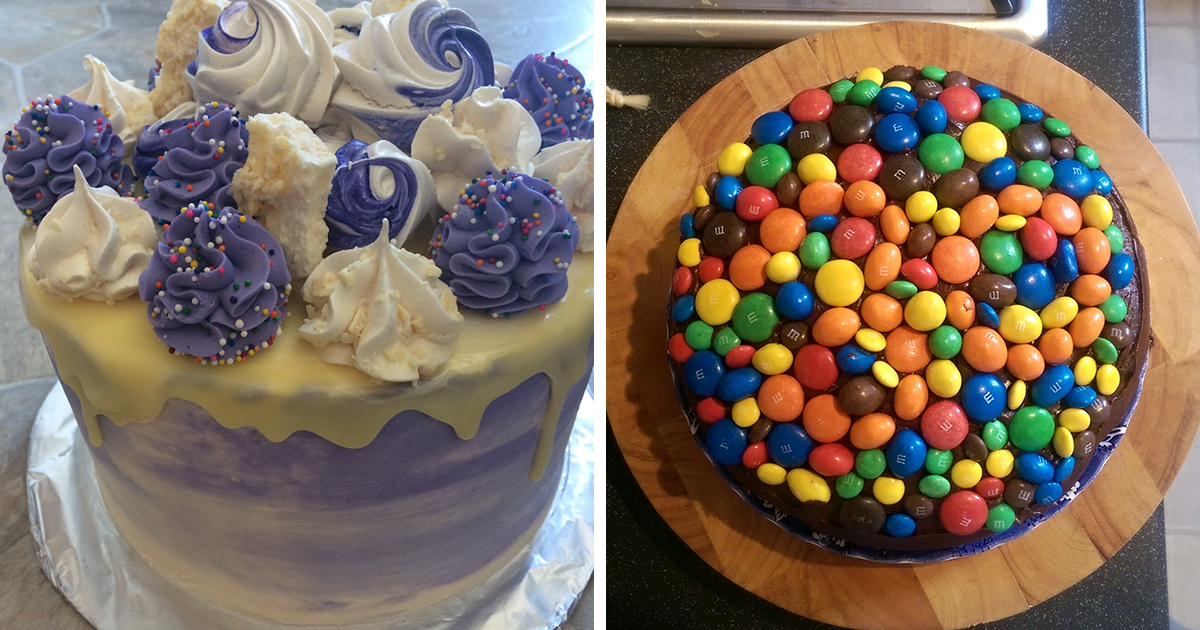
There are two kinds of people in this world: people who bake cakes, and people who loudly “supervise” from the kitchen doorway while holding a spoon. But whether you are a frosting wizard, a boxed-mix loyalist, or the brave soul who once mistook salt for sugar and created a dessert with villain energy, cake making is one of the most joyful kitchen skills you can learn.
The phrase “Hey Pandas, Show Us Your Cake Making Skills!” feels like an invitation to a friendly online bake-off where everyone brings something different to the table: towering birthday cakes, cozy sheet cakes, dramatic chocolate layers, slightly tilted cupcakes, and at least one masterpiece that looks like it fought a blender and won. That is the charm. Cake is not only dessert; it is creativity with crumbs.
This guide explores practical cake baking tips, decorating ideas, beginner-friendly techniques, common mistakes, and real-world experiences that make cake making less intimidating and a lot more fun. Grab your mixing bowl, preheat the oven, and prepare to become the kind of person who casually says, “Oh, I made the cake,” while everyone else gasps like you just performed a magic trick.
Why Cake Making Skills Matter More Than You Think
Cake making is part science, part art, and part emotional support system. A good cake can turn an ordinary Tuesday into a celebration. A homemade birthday cake says, “I care about you,” even if the frosting border looks like a nervous caterpillar. The best cake making skills help you create desserts that taste good, look inviting, and survive the journey from pan to plate without collapsing into what bakers politely call “a trifle opportunity.”
Learning how to bake a cake also builds confidence in the kitchen. Once you understand how ingredients work together, why temperature matters, and how frosting behaves, you can adapt recipes instead of blindly following them. You begin to know when a batter looks right, when a cake is fully baked, and when a decoration needs a sprinkle rescue mission.
The Foundation of Great Cake Baking
Start With the Right Recipe
Not all cakes are built the same. A fluffy vanilla layer cake, a dense pound cake, a tender sponge cake, and a simple sheet cake all rely on different methods. Beginners usually do well with a sheet cake or a classic butter cake because these recipes are forgiving, easy to serve, and do not require architectural engineering.
Before baking, read the full recipe from start to finish. This sounds obvious until you discover at 10:47 p.m. that your batter needs buttermilk, room-temperature eggs, and a pan you do not own. Reading ahead prevents panic, substitution chaos, and the deeply humbling experience of Googling “can I bake cake in a soup pot?”
Measure Like You Mean It
Cake baking rewards precision. Too much flour can make a cake dry and heavy. Too little leavening can leave it flat. Too much liquid can make the center sink like it heard bad news. For best results, use measuring cups correctly or, even better, a kitchen scale. Spoon flour into the measuring cup and level it off instead of scooping directly from the bag, which can pack in extra flour.
Accurate measuring is one of the easiest cake making skills to improve. It does not require fancy tools beyond patience and attention. Think of it as giving your cake the best chance to become dessert instead of a doorstop.
Respect Ingredient Temperature
Many cake recipes call for room-temperature butter, eggs, milk, sour cream, or cream cheese. This is not a decorative suggestion placed there to test your obedience. Room-temperature ingredients blend more smoothly, helping create an even batter with a tender crumb. Cold eggs added to soft butter can cause the mixture to curdle, while butter that is too warm may fail to hold air properly.
A practical rule: set refrigerated ingredients out about 30 to 60 minutes before baking. Butter should be soft enough to press but not melted. Eggs can be warmed quickly by placing them in a bowl of warm water for a few minutes. Your cake will thank you by not behaving like a dense pancake in formalwear.
The Science Behind a Soft, Fluffy Cake
Creaming Butter and Sugar
For many classic cakes, creaming butter and sugar is the first big step toward fluffiness. When you beat them together, sugar crystals help create tiny air pockets in the butter. Those pockets expand during baking, giving the cake lift and a finer texture. Stop too early and the batter may not trap enough air. Beat too long after adding flour and you may develop too much gluten, making the cake tough.
The mixture should look lighter in color and somewhat fluffy before you move on. It does not need to look like a cloud created by a pastry angel, but it should no longer resemble wet sand.
Do Not Overmix the Batter
Once flour enters the bowl, mix gently. Flour contains proteins that form gluten when combined with liquid and movement. Some gluten is useful because it gives structure, but too much can make a cake chewy. Chewy is great for bagels. Less great for birthday cake.
Mix only until the ingredients are combined. Scrape down the bowl so no hidden flour pockets remain. If you see a few tiny lumps, do not panic. A slightly imperfect batter is better than one beaten into submission.
Preheat and Position Properly
A properly preheated oven helps cakes rise evenly. Place cake pans near the center of the oven, where heat circulates most consistently. Avoid opening the oven door too early. That rush of cooler air can cause delicate cakes to sink in the middle, creating what looks like a frosting swimming pool.
If your cakes often bake unevenly, consider using an oven thermometer. Many ovens run hotter or cooler than their display suggests. Baking is already dramatic enough without your oven freelancing.
Essential Tools for Showing Off Your Cake Skills
You do not need a professional bakery setup to make a beautiful cake. A few basic tools can make a big difference:
- Mixing bowls: Use several sizes for dry ingredients, wet ingredients, and frosting.
- Measuring tools: Measuring cups, spoons, and preferably a kitchen scale.
- Rubber spatula: Perfect for scraping bowls and folding batter gently.
- Cake pans: Round pans for layer cakes or a 9-by-13-inch pan for sheet cakes.
- Parchment paper: Helps cakes release cleanly from the pan.
- Cooling rack: Allows air to circulate so cakes cool evenly.
- Offset spatula: Makes frosting smoother and easier to control.
- Bench scraper: Useful for clean sides on layer cakes.
- Piping bags and tips: Great for borders, dots, lettering, and decorative swirls.
Start small. A basic offset spatula can instantly upgrade your frosting game. Piping tips are fun, but you can also create beautiful texture with the back of a spoon. Cake decorating should feel creative, not like a standardized test in buttercream.
How to Bake a Cake That Does Not Stick, Sink, or Scare People
Prepare the Pan
Grease the pan according to the recipe. For many cakes, that means coating the pan with butter, shortening, or baking spray, then dusting with flour. For chocolate cakes, cocoa powder can replace flour to avoid pale streaks. Parchment paper on the bottom of round pans adds extra protection.
Do not skip this step. Few kitchen tragedies are more dramatic than a perfect cake that refuses to leave the pan. It is like a tiny hostage situation, but with vanilla.
Cool Completely Before Frosting
Warm cake and frosting are natural enemies. If you frost a cake before it cools, the frosting can melt, slide, or absorb crumbs. Let cake layers cool fully on a wire rack. For layer cakes, chilled layers are often easier to trim, stack, and frost.
Patience may not smell as good as fresh cake, but it prevents your buttercream from turning into a glossy landslide.
Level the Layers
If your cake layers have domed tops, trim them gently with a serrated knife. Level layers stack better and create a cleaner finished cake. Save the scraps for quality control, also known as standing at the counter and “checking texture” four times.
Decorating Skills That Make Homemade Cakes Look Amazing
The Crumb Coat Is Your Best Friend
A crumb coat is a thin layer of frosting spread over the cake before the final layer. It traps loose crumbs, seals the surface, and creates a smoother base. Apply a light layer of frosting, chill the cake until the coating firms up, then add the final coat.
This simple technique can make a homemade cake look polished. Without it, crumbs may sneak into the frosting like uninvited guests at a wedding reception.
Use Frosting Texture to Your Advantage
American buttercream is popular for beginners because it is sturdy, sweet, and easy to color. Cream cheese frosting is tangy and delicious but softer, so it may need chilling. Whipped cream frosting is light and lovely, but it requires careful storage and does not always hold sharp details.
For smooth sides, use an offset spatula and bench scraper. For rustic charm, swirl the frosting with a spoon or spatula. A cake does not need perfect edges to be beautiful. Sometimes “homemade and joyful” beats “technically flawless and stressful.”
Decorate With What You Have
You can decorate cakes with sprinkles, fresh berries, toasted coconut, chopped nuts, chocolate curls, edible flowers, crushed cookies, candy pieces, or a simple dusting of powdered sugar. If piping feels intimidating, start with dots, stars, or simple rosettes. Practice on parchment paper before piping onto the cake.
A good cake design often comes from repetition. One sprinkle looks accidental. A whole border of sprinkles looks intentional. This is also a useful life philosophy.
Creative Cake Ideas for Pandas Ready to Show Off
The Cozy Sheet Cake
A sheet cake is the friendly golden retriever of cakes. It is simple, generous, and hard to dislike. Bake it in one pan, frost the top, add sprinkles or fruit, and serve. It is perfect for office parties, family dinners, school events, or any gathering where someone says, “Just bring something easy,” which everyone knows is a trap.
The Classic Layer Cake
A two-layer cake instantly feels celebratory. Try vanilla cake with chocolate buttercream, chocolate cake with peanut butter frosting, lemon cake with cream cheese frosting, or strawberry cake with whipped vanilla frosting. Keep the filling modest so the layers do not slide. A thick filling may sound exciting until the top layer begins drifting like a dessert raft.
The Character Cake
For the “Hey Pandas” theme, a panda cake is a natural winner. Use white frosting for the base, chocolate cookies or black fondant for ears and eye patches, and a small round nose made from candy or frosting. It does not have to be perfect. In fact, a slightly goofy panda cake may be more charming than a flawless one. Cute beats symmetrical.
The Minimalist Cake
Minimalist cakes are elegant and beginner-friendly. Use smooth frosting, one color palette, and a few simple decorations like berries, flowers, or chocolate shards. The secret is restraint. This can be challenging when your sprinkle collection is staring at you like a tiny rainbow army.
Common Cake Making Mistakes and How to Fix Them
The Cake Is Dry
A dry cake may come from too much flour, overbaking, or too little fat or liquid. Measure carefully, check the cake near the minimum baking time, and remove it when a toothpick comes out with a few moist crumbs. If the cake is already dry, brush layers lightly with simple syrup before frosting.
The Cake Sinks in the Middle
A sunken center can happen when the cake is underbaked, the oven door is opened too early, the batter is overmixed, or the leavening is expired. Check baking powder and baking soda dates. Also, resist the urge to peek too often. Your cake needs privacy to rise.
The Frosting Is Too Runny
Runny frosting may be too warm or may need more powdered sugar. Chill it briefly, then re-whip. For cream cheese frosting, avoid overbeating once the sugar is added because it can become loose. If all else fails, turn the cake into a rustic dessert and tell everyone it is “soft-set European style.” Confidence is half the recipe.
The Cake Looks Messy
Messy cake is not failure. Add texture, sprinkles, fruit, cookie crumbs, or chocolate drizzle. Many trendy cakes are intentionally rustic. A cake with personality is still a cake. More importantly, it is still edible, and edible is a powerful argument.
Food Safety and Storage Tips for Homemade Cakes
Storage depends on the type of cake and frosting. Plain cakes or buttercream-frosted cakes can often be kept covered at room temperature for a short time, depending on ingredients and room conditions. Cakes with cream cheese frosting, whipped cream, custard, fresh fruit fillings, or other perishable ingredients should be refrigerated.
Leftover cake should be covered to prevent drying. Refrigerated leftovers are generally best enjoyed within a few days. For longer storage, unfrosted cake layers can be wrapped tightly and frozen. Thaw them before decorating. A freezer can be a baker’s secret weapon, especially when preparing for a party and pretending not to be stressed.
How to Build Confidence in Cake Making
The best way to improve cake making skills is to bake regularly and pay attention. Keep notes. Did the cake bake faster than expected? Was the frosting too sweet? Did the layers slide? Did your family eat the evidence before you could take a photo? These observations help you improve.
Start with dependable recipes. Repeat them until you understand how they behave. Then experiment with flavors, fillings, and decorations. Confidence grows when you stop expecting perfection and start enjoying progress. Every baker has produced at least one cake that looked haunted. That is not failure; that is tuition.
Experiences Related to “Hey Pandas, Show Us Your Cake Making Skills!”
One of the most relatable parts of cake making is that everyone has a story. Some are triumphant. Some are sticky. Some involve frosting on the ceiling, although nobody can prove anything. The spirit of “Hey Pandas, Show Us Your Cake Making Skills!” is not about showing only perfect cakes. It is about sharing the effort, humor, creativity, and occasional edible chaos behind the scenes.
A beginner might start with a boxed cake mix and proudly add homemade frosting. That counts. In fact, it is a smart way to focus on decorating without worrying about batter chemistry. Another home baker may spend the weekend making a three-layer chocolate cake from scratch, complete with ganache drip and piped buttercream. That also counts. Cake making has room for both the casual Sunday baker and the person who owns twelve piping tips and refers to them by number.
Many people discover their cake skills by accident. Maybe a child asks for a dinosaur birthday cake, and suddenly a parent is carving sponge into something vaguely prehistoric at midnight. Maybe a friend requests a wedding shower cake, and the baker learns that transporting a tall cake in a warm car is a full-body workout. Maybe someone tries to make a panda cake and realizes that black frosting has the power to stain everything, including fingers, countertops, and possibly the family dog’s dignity.
The best experiences often come from improvisation. If a cake layer breaks, it can become a filling layer. If the frosting is not smooth, turn it into swoops and swirls. If the writing looks uneven, add stars around it. If the top cracks, cover it with berries. Cake making teaches resilience in the sweetest possible way. It reminds us that mistakes can still be delicious.
There is also something special about sharing cake photos online. A polished cake may inspire admiration, but a funny cake often creates connection. People love seeing the real process: the flour-covered counter, the cooling racks, the piping practice, the before-and-after shots, the tiny disaster that became a family joke. These moments make cake baking feel accessible. They tell others, “You can try this too.”
For anyone joining the imaginary Panda cake challenge, the goal should be simple: make something with care. It could be a tiny lunchbox cake, a towering birthday cake, a cupcake bouquet, or a sheet cake covered in cheerful sprinkles. Add a personal touch. Use a favorite flavor. Decorate with humor. Write a message that makes people smile. The most memorable cakes are not always the most perfect; they are the ones that feel made for someone.
In my experience, the cakes people remember most are the ones with a story attached. A lopsided anniversary cake made in a small apartment kitchen. A first birthday smash cake with frosting handprints everywhere. A holiday cake decorated by kids who believed more candy was the answer to every design problem. A graduation cake with slightly crooked lettering and a huge amount of love. These are the cakes that become family legends.
So, hey pandas, show us your cake making skills. Show the smooth frosting, the messy frosting, the rainbow layers, the surprise fillings, the ambitious fondant work, the sprinkle explosions, and the brave first attempts. Show the cake that made everyone cheer. Show the cake that made everyone laugh. The kitchen is not a museum. It is a playground with measuring spoons.
Conclusion
Cake making is a skill anyone can build with patience, practice, and a willingness to laugh when things get weird. The basics matter: measure accurately, use the right ingredient temperatures, avoid overmixing, prepare your pans, cool cakes completely, and embrace the crumb coat. Once those foundations are in place, decorating becomes a creative adventure rather than a frosting emergency.
Whether you are baking a simple sheet cake or designing a panda-themed masterpiece, your cake making skills are worth celebrating. Homemade cakes carry personality. They tell stories. They bring people together. And even when they are imperfect, they still have one major advantage: they are cake.