Hey Pandas, post a self-portraitnot because the internet needs one more dramatic bathroom mirror masterpiece, but because a self-portrait is one of the most honest, funny, creative, and surprisingly powerful ways to say, “Hi, this is me today.” Maybe you are feeling glamorous. Maybe you look like you fought your laundry basket and lost. Either way, a self-portrait can tell a story that a regular selfie never quite manages to capture.
The phrase “self-portrait” may sound fancy, like something that belongs in a museum next to velvet ropes and a security guard named Gary. But at its heart, a self-portrait is simply an image, drawing, painting, photo, collage, or digital creation made by you, about you. Museums describe self-portraits as artworks artists create of themselves, often revealing not only appearance but personality, mood, identity, and context. Modern self-portraits can be oil paintings, phone photos, webcam snapshots, cartoon avatars, mixed-media experiments, or a pencil sketch made while avoiding homework.
For an online community prompt like “Hey Pandas, Post A Self-Portrait,” the fun is not perfection. The fun is participation. A good self-portrait can be polished, silly, mysterious, brutally honest, or proudly chaotic. It can show your face, your shadow, your hands, your favorite hoodie, your pet judging you in the background, or the coffee mug that has become your emotional support object. The goal is expression, not magazine-cover symmetry.
What Is a Self-Portrait, Really?
A self-portrait is more than “a picture of me.” It is a visual answer to the question, “How do I want to be seen?” Artists have used self-portraits for centuries to explore identity, age, confidence, vulnerability, humor, status, rebellion, and transformation. Some self-portraits are realistic. Others are symbolic. Some are flattering. Others look like the artist woke up, stared into the existential void, and said, “Yes, let’s paint that.”
That is what makes the format so flexible. A self-portrait does not need to show every facial feature clearly. A blurry reflection in a rainy window can count. A sketch of your desk with your hands at the keyboard can count. A digital illustration of yourself as a raccoon in a hoodie definitely counts, and honestly, may be emotionally accurate.
Why People Love Self-Portraits Online
Online communities thrive on shared prompts because they lower the pressure to create. Instead of staring at a blank screen wondering what to post, people receive a simple invitation: show us your version. That is exactly why Hey Pandas, Post A Self-Portrait works as a community idea. It gives everyone the same starting line, but nobody runs the same race.
One person might upload a soft pencil drawing. Another might share a dramatic black-and-white photo. Someone else might post a cartoon version with giant glasses, three cats, and a suspiciously accurate depiction of Monday morning hair. The result becomes a gallery of personalities rather than a contest of technical skill.
Self-portraits also create connection. When people share images of themselvesor symbolic versions of themselvesthey often reveal little details that invite conversation. A background full of books says something. A work uniform says something. Paint-covered fingers say something. A face half-hidden behind a plant says, “I am mysterious, but also I remembered to water this fern.”
The Difference Between a Selfie and a Self-Portrait
A selfie can be a self-portrait, but not every selfie feels like one. The difference is usually intention. A selfie often says, “Here I am.” A self-portrait asks, “What story am I telling about myself?”
For example, a quick front-camera photo in good lighting might be a selfie. But place yourself beside your paint supplies, turn the photo into a moody black-and-white composition, or use your reflection in a spoon because you enjoy making life difficult for future art historians, and suddenly the image becomes more expressive.
A self-portrait can show:
- Your mood, from peaceful to “I have answered too many emails today.”
- Your style, including clothes, makeup, hairstyle, accessories, or lack of enthusiasm for pants.
- Your environment, such as a bedroom, studio, kitchen, garden, school hallway, or favorite corner café.
- Your identity through symbols, colors, objects, posture, lighting, or facial expression.
- Your humor, especially if your self-portrait includes pets, props, exaggerated expressions, or creative chaos.
Creative Self-Portrait Ideas for Pandas
If the prompt says post a self-portrait, you do not need to panic-scroll through your camera roll looking for the one photo where both eyes agreed to cooperate. Try one of these ideas instead.
1. The Classic Mirror Portrait
Yes, mirror portraits are classic for a reason. They are simple, personal, and easy to stage. Clean the mirror first unless you want viewers to analyze your toothpaste dots like ancient cave markings. Use natural light if possible, hold the camera steady, and think about what the background says about you.
2. The Hands-Only Portrait
Your face does not have to appear. Photograph your hands doing something meaningful: drawing, cooking, gaming, writing, gardening, holding a book, fixing a bike, or petting a dog who absolutely believes the portrait should be about them.
3. The Object Portrait
Choose five objects that represent you and arrange them like a still life. Maybe it is headphones, a notebook, a favorite snack, a sketch pen, and a tiny dinosaur figurine. Congratulations, you have created a personality inventory without having to say, “I contain multitudes.”
4. The Shadow or Silhouette Portrait
Shadows are excellent for people who want mystery, privacy, or dramatic flair. Stand near a window, photograph your shadow on a wall, or capture your silhouette against the sunset. It is artsy, safe, and requires almost no explanation beyond “vibes.”
5. The Cartoon or Digital Avatar
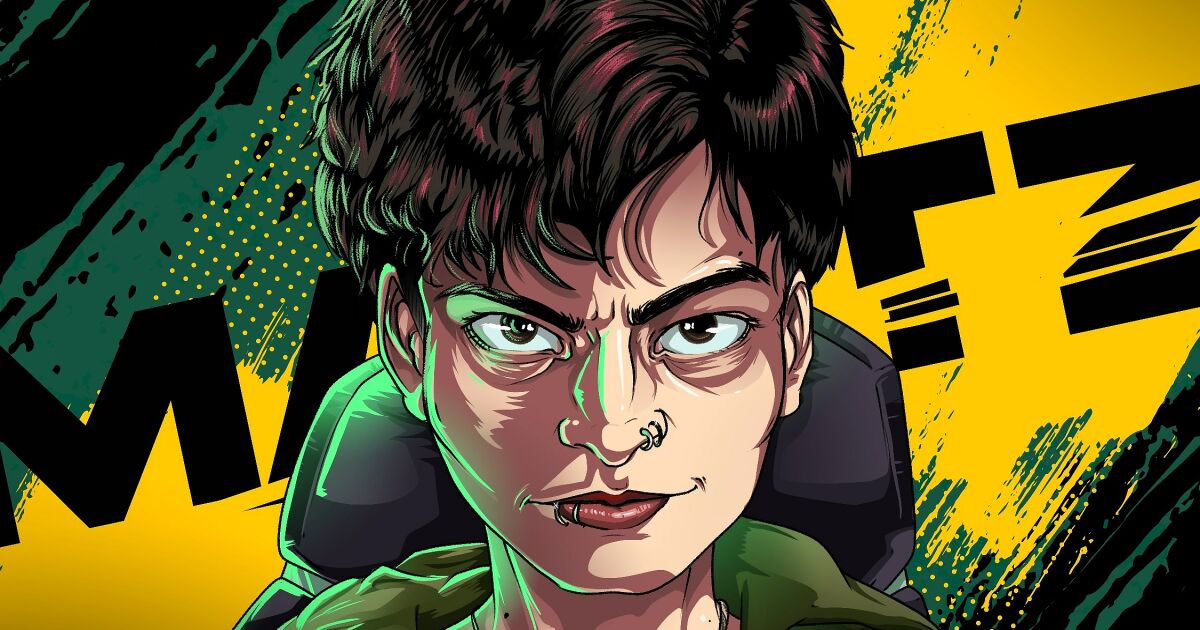
Digital self-portraits are perfect if you enjoy illustration, design apps, or turning yourself into a fantasy character. You can make yourself a knight, alien, mermaid, wizard, detective, or extremely tired raccoon. The only rule is that it should feel like you.
6. The “Real Life Right Now” Portrait
This one is honest and often hilarious. Capture yourself in the middle of ordinary life: studying, working, folding laundry, eating cereal at 11 p.m., or sitting beside a pile of clothes that has achieved mountain status. A self-portrait does not have to be glamorous to be memorable.
How to Make Your Self-Portrait Stand Out
A strong self-portrait usually has one clear idea. You do not need professional gear. You need intention. Before creating your image, ask yourself: What do I want people to feel when they see this? Warmth? Humor? Curiosity? Calm? Slight concern about how much coffee I drink?
Use Lighting Like a Tiny Movie Director
Lighting changes everything. Soft window light creates a gentle, natural look. Side lighting adds drama. Backlighting creates silhouettes. Overhead bathroom lighting, meanwhile, can make even the most cheerful person look like they are being interrogated in a detective show. Use it only if that is the mood.
Think About Composition
Composition simply means how things are arranged in the frame. Put yourself off-center for a more dynamic look. Leave space around your subject if you want calm. Fill the frame if you want intensity. Remove distracting clutter unless the clutter is part of the story, in which case call it “visual texture” and proceed confidently.
Add Personal Symbols
Great self-portraits often include objects that reveal something. A musical instrument, sports shoes, paintbrush, gaming controller, journal, plant, camera, family recipe, or favorite hat can make the portrait feel personal. These details help viewers understand who you are without requiring a full autobiography.
Posting a Self-Portrait Safely
Sharing self-portraits online can be fun, but it is worth taking a moment to protect your privacy. Before posting, check the background for personal information such as addresses, school names, license plates, work badges, private documents, or anything that accidentally reveals more than intended. The internet has many talents, and zooming in on backgrounds is unfortunately one of them.
If you are younger, posting photos of yourself should involve extra caution and, when appropriate, permission from a parent or guardian. Avoid sharing images that feel too private, too revealing, or too easy to misuse. A creative portrait can be expressive without exposing personal details. Shadows, drawings, avatars, cropped images, and object portraits are all excellent alternatives.
Also remember that online attention is unpredictable. Most people are kind, but comment sections can occasionally behave like a raccoon found a keyboard. Share what you are comfortable sharing, set boundaries, and do not treat likes as a measurement of your worth. Your face, art, humor, and identity are not a scoreboard.
Why Self-Portraits Matter
Self-portraits matter because they let people practice seeing themselves with curiosity instead of judgment. In everyday life, we often look at ourselves quickly and critically. Hair wrong. Smile weird. Shirt wrinkled. Why does one eyebrow have a business plan? A self-portrait slows that process down and turns it into exploration.
Making a self-portrait can help you notice details you usually ignore: the way you hold your shoulders, the objects you keep nearby, the colors you choose, the expressions you make when you are relaxed, and the version of yourself you want to remember. It can be serious, therapeutic, funny, or simply a creative break from scrolling.
In a community setting, self-portraits also remind us that everyone is both ordinary and fascinating. People may come from different places, ages, styles, and backgrounds, but the act of showing oneselfhowever literally or symbolicallycreates a small bridge. One portrait says, “This is me.” Another replies, “Same, but with more cats.”
How to Write a Caption for Your Self-Portrait
A caption can make your post more engaging. Keep it simple, honest, or funny. You do not need to deliver a TED Talk under your photo unless your portrait includes a whiteboard and a laser pointer.
Caption examples:
- “Self-portrait after three cups of coffee and one brave attempt at productivity.”
- “This is me in my natural habitat: surrounded by books and pretending I know where my charger is.”
- “A tiny visual summary of my personality: soft lighting, messy desk, strong snack energy.”
- “I drew myself as I feel today: 70% human, 30% buffering.”
- “My self-portrait, featuring the hoodie that has emotionally supported me since 2021.”
The best caption adds context without overexplaining. Let the image do some of the talking. If people ask questions, that is part of the fun.
Common Mistakes to Avoid
The first mistake is thinking your self-portrait must be beautiful. It does not. Beauty is only one possible goal. Your portrait can be strange, clever, moody, colorful, awkward, symbolic, minimalist, maximalist, or delightfully unhinged.
The second mistake is copying someone else’s style so closely that your own personality disappears. Inspiration is helpful; imitation can feel empty. Borrow an idea, then add your fingerprint. Use your room, your humor, your favorite colors, your weird little objects, your actual mood.
The third mistake is ignoring privacy. Before uploading, zoom into your own photo and check what is visible. Your self-portrait should introduce you, not accidentally give the internet a guided tour of your personal information.
Experiences Related to “Hey Pandas, Post A Self-Portrait”
The best thing about a prompt like Hey Pandas, Post A Self-Portrait is that it turns a simple post into a shared experience. Imagine opening a community thread and seeing dozens of different interpretations. One person posts a polished digital painting with glowing colors. Another shares a pencil sketch on notebook paper. Someone uploads a photo of their shadow holding a coffee cup. Another person posts a portrait drawn by their little sibling, where both eyes are different sizes and somehow the emotional accuracy is perfect.
That variety is the magic. A self-portrait thread is not just a gallery of faces. It becomes a gallery of moods, personalities, routines, insecurities, jokes, and little human details. You might notice that one person always includes plants. Another hides half their face behind a book. Someone else draws themselves as a sleepy dragon because, frankly, adulthood has made dragons relatable. These portraits become conversation starters. People comment on the colors, the pets, the creativity, the background posters, the facial expressions, or the courage it takes to share anything personal online.
There is also a funny emotional journey involved in making a self-portrait. At first, you may think, “Easy, I know what I look like.” Then you take one photo and immediately become a suspicious detective investigating your own face. Why is my smile doing that? Why is my hand enormous? Why does my camera angle suggest I live inside a cereal box? This is normal. Self-portraiture often begins with awkwardness. The trick is to keep going until the awkwardness becomes style.
Many people discover that symbolic portraits feel more comfortable than direct ones. A shy person might photograph their favorite chair, blanket, sketchbook, and headphones instead of their face. Someone who loves cooking might create a portrait through ingredients spread across a kitchen counter. A gamer might show their hands on a controller, lit by the glow of the screen. These images still say “this is me,” but in a softer and sometimes more interesting way.
Community prompts also help people feel less alone. When you see other people’s imperfect, funny, heartfelt self-portraits, it becomes easier to share your own. The thread says, without making a big dramatic speech, that everyone is allowed to show up as they are. Not airbrushed. Not perfectly posed. Not professionally lit. Just present.
And sometimes, the most memorable self-portrait is the one that does not try too hard. A quick drawing made during lunch. A reflection in a bus window. A messy-haired morning photo with a caption that says, “This is the best the committee could do.” Those portraits feel real. They remind us that identity is not a fixed profile picture. It changes with the day, the mood, the season, the haircut, the hobby, the heartbreak, the joke, the lighting, and yes, occasionally the Wi-Fi connection.
So if a community asks you to post a self-portrait, do not wait until you feel perfect. Perfect is boring and rarely comments back. Post something honest, creative, safe, and unmistakably yours. Whether you look like a Renaissance thinker, a tired student, a cozy goblin, or a person who has just remembered there is laundry in the washing machine from yesterday, your self-portrait belongs in the conversation.
Conclusion
Hey Pandas, Post A Self-Portrait is more than a fun community prompt. It is an invitation to create, reflect, laugh, and connect. A self-portrait can be a photo, drawing, collage, avatar, shadow, object arrangement, or visual joke. It can reveal your mood, your hobbies, your style, your humor, or your inner raccoon. Most importantly, it lets you decide how you want to represent yourself.
Whether you create something polished or wonderfully imperfect, the best self-portrait is the one that feels true. Use good lighting if you can, protect your privacy, add a caption if you want, and remember that the goal is not to win the internet. The goal is to show a little piece of who you areand maybe make another Panda smile.
Note: This original article was written for web publication and is based on widely accepted guidance about self-portrait art, visual identity, online self-expression, creative well-being, photography basics, and safe sharing practices. Research basis includes museum education resources, art collections, social media research, creative health resources, and consumer privacy guidance.