Wildlife has no publicist, no wardrobe department, and absolutely no interest in waiting while you switch your camera to portrait mode. Yet animals somehow produce some of the funniest, most dramatic, and most beautiful photographs on the internet. A squirrel can look like it is plotting a bank robbery. A heron can pose like a disappointed school principal. A raccoon caught near a trash can may have the unmistakable expression of someone whose attorney has advised silence.
That is why we are inviting you to post a picture of some wildlife you have encountered. Your photograph does not need to feature an eagle diving through a waterfall at sunset. Backyard birds, neighborhood rabbits, urban foxes, curious lizards, pond turtles, moths, frogs, deer, and even the opossum conducting a midnight inspection of your recycling bin all count.
The best wildlife pictures are not always technically perfect. They are memorable because they capture behavior, personality, atmosphere, or a tiny moment that could never be staged. Share the photograph that made you stop, smile, gasp, or quietly whisper, “Well, that little guy definitely owns this place.”
What Kind of Wildlife Picture Should You Post?
Any photograph of a genuinely wild animal is welcome, provided it was taken safely and responsibly. The subject can be large or small, common or rare, majestic or magnificently awkward.
You might share:
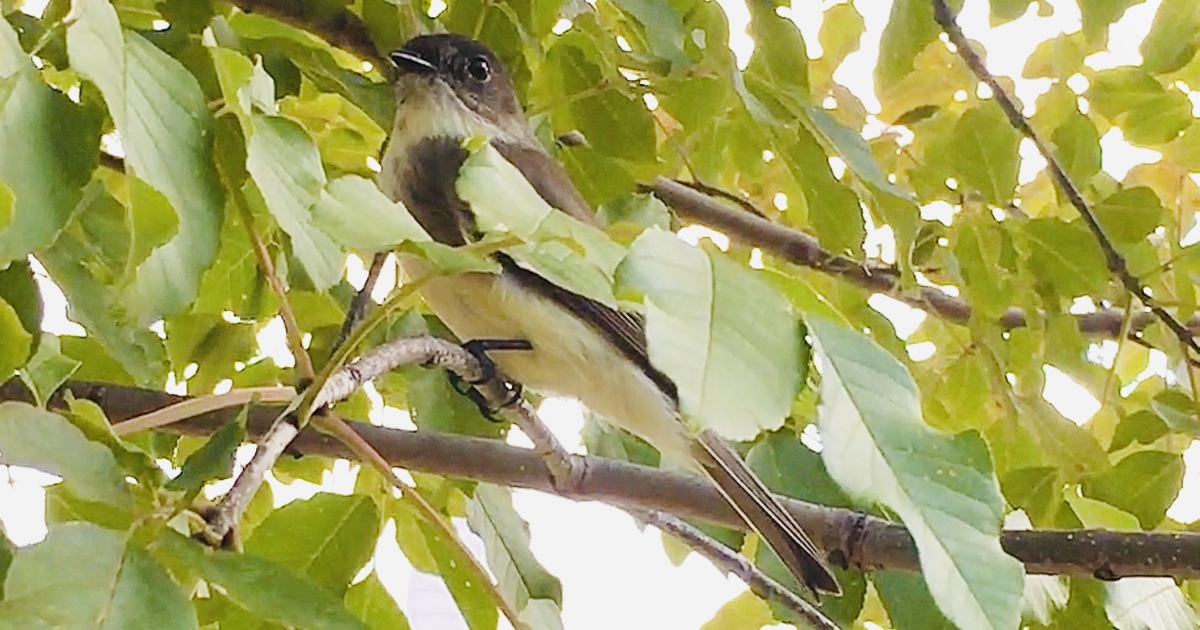
- A bird balancing on a thin branch during a windy morning
- A deer appearing at the edge of a misty field
- A fox trotting through a suburban neighborhood
- A butterfly resting on a garden flower
- A frog attempting to blend into a very unconvincing background
- A family of ducks crossing a path with executive-level confidence
- A wild animal displaying funny, surprising, or unusual behavior
Do not worry if your photograph was taken with a smartphone rather than professional equipment. A clear image captured at the right moment can be more engaging than a technically flawless photograph with no story behind it. Wildlife photography is partly about equipment, but it is mostly about observation, patience, light, timing, and luck. Frequently, luck arrives just after you have lowered the camera.
Wildlife Is Closer Than You Think
Many people imagine that wildlife photography requires an expensive safari, a camouflage tent, and a lens roughly the size of a household appliance. In reality, some of the most interesting wildlife lives remarkably close to us.
Look Around Your Own Neighborhood
City parks, gardens, ponds, walking trails, shorelines, empty lots, and backyard trees can support surprising numbers of wild species. Urban and suburban environments may attract hawks, owls, woodpeckers, rabbits, bats, raccoons, opossums, foxes, snakes, and countless insects.
Slow down and pay attention to movement. Watch the edges of bushes, the tops of fence posts, patches of sunlight, and places where two habitats meet. The border between a wooded area and an open lawn, for example, often provides animals with both cover and access to food.
Morning and evening are especially productive because many animals become more active when temperatures are cooler and human activity is lower. These hours also offer softer light, which can give fur, feathers, leaves, and water a warm glow without creating harsh shadows.
Common Animals Can Make Extraordinary Subjects
A species does not need to be rare to make a great photograph. Familiar animals give photographers more opportunities to study behavior and anticipate what might happen next.
A robin repeatedly carrying grass may be building a nest. A squirrel freezing beside a tree trunk may be watching for danger. A dragonfly returning to the same stem may offer several chances for a close-up. Once you recognize a pattern, you can prepare your composition rather than reacting after the interesting moment has already ended.
There is also something valuable about celebrating ordinary wildlife. A well-observed image can remind people that nature is not confined to distant wilderness. It is hopping across sidewalks, nesting above storefronts, buzzing through gardens, and occasionally stealing tomatoes with no visible remorse.
How to Take a Better Wildlife Picture
You do not need to master every camera setting before participating. A few simple techniques can make wildlife pictures sharper, more expressive, and easier to appreciate.
Focus on the Eyes
When an animal’s eyes are visible, try to make them the sharpest part of the photograph. Viewers instinctively look toward the face, and a crisp eye can make the entire image feel alive.
On a phone, tap the animal’s face on the screen to set focus and exposure. With a dedicated camera, use continuous autofocus for moving subjects and place the focus point near the head. Burst mode can help when photographing birds, running mammals, or any creature that appears to have consumed three espressos.
Use a Fast Shutter Speed for Action
Moving wildlife can become blurry when the shutter remains open too long. Faster shutter speeds are useful for freezing wingbeats, jumps, splashes, and sudden changes in direction. Photographers often compensate for reduced light by raising ISO or using a wider aperture. Increasing ISO may add some visible grain, but a slightly grainy, sharp photograph is usually more useful than a perfectly smooth image of an unidentified blur.
Slower shutter speeds can also be used creatively. Following a moving animal while taking the picture may produce a sharp subject against a streaked background. This technique, known as panning, takes practice and produces many failuresbut the successful frame can communicate speed beautifully.
Steady the Camera
Camera shake becomes more obvious when using zoom. Brace your elbows against your body, lean against a stable object, kneel with an elbow resting on one knee, or use a monopod or tripod when practical. National Park Service photography guidance also recommends using zoom from a safe distance and stabilizing the camera by supporting your arms against your body or another firm surface.
Avoid walking toward an animal simply because digital zoom has made the image look soft. The photograph can be cropped later. An animal frightened away cannot be uncropped back into the scene.
Give the Animal Space in the Frame
Placing the subject directly in the center is not automatically wrong, but it should be a choice rather than a reflex. Try positioning the animal slightly off-center, particularly when it is looking or moving in one direction. Leaving open space in front of it creates a more natural visual flow.
Include habitat when it contributes to the story. A tight portrait shows what an animal looks like, while a wider frame can reveal where it lives, how well it is camouflaged, what it is eating, or how small it appears within the landscape.
Watch the Background
Before pressing the shutter, scan the entire frame. A bright trash can, parked vehicle, random branch, or distant hiker can distract from the animal. Moving a few feet sideways may produce a cleaner background without requiring you to approach the subject.
Whenever possible, photograph from the animal’s eye level. A lower viewpoint can make a rabbit, duck, turtle, or shorebird feel more present and can turn a cluttered ground into a soft background. Stay on designated trails and respect protected vegetation while choosing your position.
The Animal’s Welfare Comes Before the Photograph
No wildlife image is worth frightening, feeding, cornering, exhausting, or injuring its subject. Responsible wildlife photography begins with a simple rule: the animal should be able to continue behaving naturally.
Keep a Safe Distance
Distance requirements vary by species and location, so always check the rules for the park, refuge, beach, or protected area you are visiting. Many U.S. national parks require visitors to remain at least 25 yards from most wildlife and 100 yards from predators such as bears and wolves. An animal that stops feeding, changes direction, raises its head repeatedly, vocalizes, retreats, or focuses intensely on you may be signaling that you are too close.
Use binoculars, spotting scopes, long lenses, observation blinds, or your camera’s zoom. If an animal approaches, it remains your responsibility to back away. A close wildlife selfie is not evidence of bravery. It is often evidence that somebody ignored several excellent opportunities to make a better decision.
Never Chase or Provoke a Reaction
Do not clap, whistle, throw objects, imitate distress calls, or move toward an animal to make it look at the camera. Never pressure a resting bird to fly simply because an action photograph would earn more attention online.
For birds in particular, unnecessary disturbance can interrupt feeding, nesting, courtship, and rest. Ethical bird-photography guidance recommends using distance and telephoto equipment instead of intentionally changing a bird’s behavior.
Be especially careful around nests, dens, newborn animals, breeding colonies, and wintering wildlife. Parents may abandon an area temporarily, reveal a nest to predators, or expend energy they need for survival. Never move eggs, branches, animals, or vegetation to improve a composition.
Do Not Feed Wildlife for a Photograph
Food should never be used as bait for a convenient close-up. Feeding can make wild animals associate people with meals, increase conflict, spread disease, attract predators, and expose animals to traffic or other hazards. In national parks, feeding wildlife is prohibited, and animals that become aggressive around people may face serious consequences.
If your subject walks away, let it go. Wildlife photography teaches many lessons, including the difficult truth that the fox does not care about your content calendar.
Be Careful Around Marine Wildlife
Seals, sea lions, dolphins, whales, manatees, and sea turtles also require respectful viewing distances. Boats, kayaks, paddleboards, and swimmers should never pursue marine animals or block their direction of travel. NOAA Fisheries recommends observing natural behavior from an appropriate distance and following regional rules, which may vary by species and location.
A seal resting on a beach may look relaxed, but approaching can cause stress or force it back into the water before it is ready. Use a long lens, keep pets away, and obey temporary closures or barriers.
Think Before Sharing a Wildlife Location
Posting a wildlife picture can encourage appreciation and conservation, but location information sometimes needs to be handled carefully. A precise geotag attached to a rare owl, nesting eagle, threatened reptile, or unusual orchid could draw crowds to a sensitive area.
Before publishing, consider removing exact GPS data, delaying the post, or naming only the general region. Platforms used for community science may automatically hide locations for vulnerable species. eBird, for example, limits the public visibility of certain sensitive-species records and asks observers to use discretion when sharing those sightings elsewhere.
Captions matter too. Be honest about how the photograph was made. Mention when an animal was photographed at a rehabilitation center, sanctuary, or controlled setting rather than presenting it as a completely wild encounter. Avoid captions that encourage unsafe behavior, trespassing, baiting, or approaching protected animals.
Turn Your Wildlife Photo Into a Story
When posting your photograph, add a few details that help other readers experience the moment. You do not need to write a field guide. A short, specific caption is often enough.
Consider including:
- The general place or habitat where you saw the animal
- What the animal was doing
- How you noticed it
- Whether the encounter surprised you
- What camera or phone you used, if relevant
- A funny observation or brief story from the moment
A strong caption might say: “I noticed this young raccoon peering through a hollow tree while walking beside a neighborhood creek. It watched me for several seconds, decided I was not carrying snacks, and returned to more important raccoon business.”
Avoid claiming an identification when you are uncertain. You can ask the community for help instead. Useful identification photographs show recognizable features such as markings, body shape, wings, leaves, scales, or tracks. One picture can be artistic, while a second can provide clearer identification details.
Your Photograph May Contribute to Science
Wildlife images can become more than personal memories. When photographs include reliable dates, general locations, and accurate identifications, they may help document migration, flowering times, breeding activity, species ranges, invasive organisms, and ecological change.
Community-science platforms such as iNaturalist allow people to upload observations of wild plants, animals, fungi, and other organisms. Other naturalists can help confirm identifications, and suitable observations may contribute to biodiversity research.
This means the beetle on your porch, the unfamiliar mushroom beside a trail, or the lizard sunning itself on a wall might be scientifically useful. Photograph several angles when possible, avoid disturbing the organism, record what you observed, and let knowledgeable community members refine the identification.
Experiences Behind Memorable Wildlife Pictures
The Owl That Appeared After the Camera Was Packed
One of the most familiar wildlife-photography experiences begins with a long period during which absolutely nothing happens. You arrive early, choose a quiet place, check the light, and wait. Leaves move. Branches creak. Several mosquitoes conduct an enthusiastic tasting session on your arms. The wildlife, apparently informed of your schedule, stays home.
After nearly an hour, you decide to leave. The camera goes into the bag. The zipper closes. At that exact moment, an owl lands on a nearby branch and looks directly at you.
The first reaction is excitement. The second is an awkward attempt to reopen the bag without making any noise. By the time the camera is ready, the owl has turned away, but the encounter still becomes memorable. Perhaps the final image shows only a feathered silhouette against the evening sky. Technically, it may not be the photograph you planned. Emotionally, it records the moment patience was rewardedjust late enough to be funny.
The Deer in the Morning Fog
Another unforgettable encounter can occur during an ordinary early walk. A field that usually appears empty is covered in fog. At first, a shape near the trees looks like a stump. Then the stump raises its head.
A deer steps into the open, followed by another. Instead of rushing closer, you remain beside the trail and raise the camera slowly. The fog simplifies the background, muffles distant sounds, and transforms a familiar landscape into something almost cinematic.
The deer notices you but continues walking calmly. You take several frames and then lower the camera. Later, the sharpest photograph may not be the favorite. A slightly softer image showing both animals disappearing into the mist better captures the quietness of the experience. It demonstrates why wildlife photography is not always about filling the frame. Sometimes the empty space carries half the story.
The Backyard Bird With Main-Character Energy
Not every wildlife experience is solemn. Some are pure comedy.
Imagine watching a small bird land beside a shallow birdbath. It looks left, looks right, jumps into the water, and begins bathing with such enthusiasm that droplets fly in every direction. A second bird approaches, pauses at the edge, and appears deeply offended by the lack of spa etiquette.
The camera captures one frame in which the bathing bird’s feathers stick out wildly while the observer stands behind it with an expression that could be translated as, “We live in a society.”
That photograph may receive more affection than a dramatic image taken during an expensive trip. People recognize personalities in familiar animals. They see impatience, curiosity, confidence, embarrassment, and suspicioneven though human interpretations are not scientific measurements of animal emotions. The humor creates a connection, and connection often leads to greater interest in the species and its habitat.
The Tiny Subject That Changed the Walk
A wildlife picture can also begin when someone kneels to inspect what appears to be a bright leaf. The “leaf” turns out to be a moth with intricate markings. Once that small discovery is made, the entire walk changes.
Suddenly, there are jumping spiders on railings, beetles beneath leaves, tiny frogs near puddles, and caterpillars using stems as elevated highways. The photographer who originally hoped to see a large mammal returns home with a collection of miniature wildlife portraits instead.
This is one of the greatest rewards of carrying a camera: it trains attention. You begin to notice tracks in mud, holes in tree bark, movement beneath water, warning calls from birds, and patterns that were always present but previously overlooked. The photograph is valuable, but the habit of observing may be even more important.
Post Your Wildlife Picture and Tell Us What Happened
Now it is your turn. Look through your camera roll and find the wildlife photograph that deserves an audience. It can be beautiful, strange, funny, peaceful, surprising, or slightly blurry because the subject refused to cooperate.
Post the image and tell us the story behind it. What species did you encounter? Where were you in general? What was the animal doing? Did you wait patiently for the moment, or did it appear without warning? Was the picture carefully planned, or did you take it while whispering, “Where is the camera button?”
Most importantly, celebrate the animal without putting it at risk. A respectful photograph preserves more than an image. It preserves a moment of wild behavior and gives other people a reason to notice the living world around them.
Note: Please submit only photographs captured legally and responsibly. Do not disturb nests or dens, feed or bait wildlife, reveal sensitive locations, cross barriers, or approach animals for a closer image.