A healthy cat may look effortless: glossy coat, bright eyes, elegant stretch, dramatic yawn, and the confidence of a tiny landlord who believes your couch is “shared housing.” But behind that majestic loaf is nutrition. What your cat eats affects weight, digestion, hydration, energy, dental health, urinary comfort, skin, coat quality, and even behavior.
This Healthy Cats Guide: Diet and Nutrition Tips breaks down what cat owners actually need to know without turning dinner into a veterinary textbook. Cats are not small dogs, fuzzy toddlers, or tiny vegan influencers. They are obligate carnivores with very specific nutritional needs. The goal is simple: choose a complete and balanced food, feed the right amount, support hydration, avoid risky trends, and adjust nutrition as your cat moves from kitten chaos to senior wisdom.
Why Cat Nutrition Is Different
Cats are obligate carnivores, which means their bodies are built to use nutrients from animal-based foods. They need high-quality protein, essential amino acids, fatty acids, vitamins, and minerals in the correct balance. One of the most famous feline nutrients is taurine, an amino acid that supports heart function, vision, reproduction, and overall health. A taurine deficiency can cause serious problems, which is why balanced commercial cat foods are carefully formulated to include it.
Cats also have a naturally low thirst drive compared with many animals. Their ancestors got much of their moisture from prey, so today’s indoor cats may not always drink enough water on their own. This is one reason wet food can be helpful, especially for cats prone to urinary issues or constipation. Of course, dry food can still be part of a healthy cat diet, but hydration should never be treated like an optional accessory.
Choose “Complete and Balanced” Cat Food
The easiest way to build a healthy cat diet is to look for a food labeled complete and balanced for your cat’s life stage. This phrase matters. It means the food is designed to provide all essential nutrients in proper proportions when fed as directed. Cat food labels may say the product is formulated for kittens, adult maintenance, all life stages, or senior cats. The wrong life stage can create nutritional mismatches. A kitten food may be too calorie-dense for a relaxed adult cat who considers walking to the window a workout. An adult food may not provide enough energy for a growing kitten.
What to Check on a Cat Food Label
Start with the nutritional adequacy statement. Then check whether the food matches your cat’s age, health status, and lifestyle. Look at calories per can, cup, or pouch because serving sizes vary wildly. One “cup” of dry food from one brand may contain far more calories than another. Ingredient lists can be useful, but they are not the whole story. Nutrient balance matters more than trendy wording such as “premium,” “holistic,” or “ancestral.” Cats cannot read marketing claims, which is rude of them but nutritionally convenient.
Wet Food vs. Dry Food: Which Is Better?
Both wet and dry cat food can be healthy if they are complete and balanced. The best choice depends on your cat’s needs, your schedule, your budget, and your veterinarian’s advice.
Benefits of Wet Cat Food
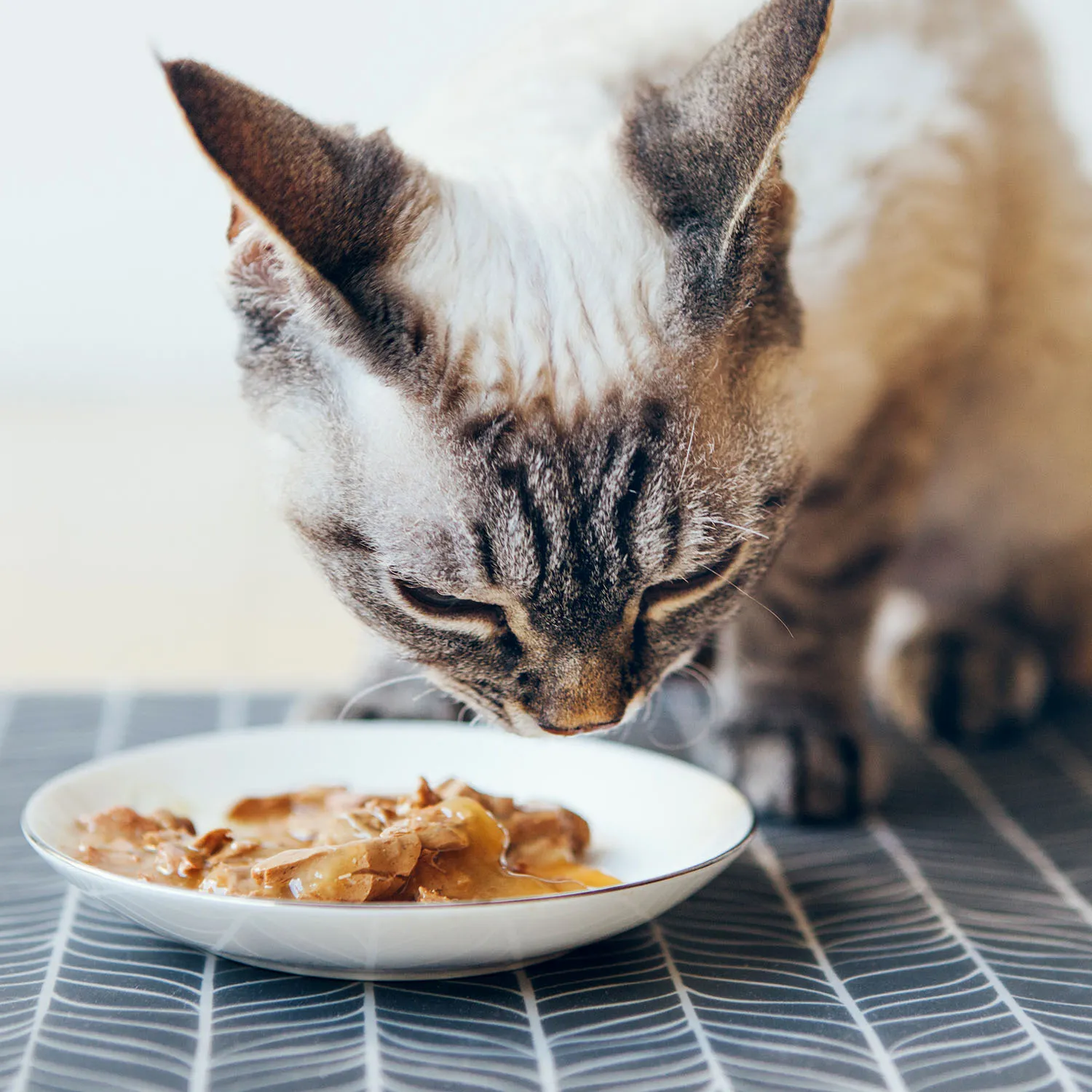
Wet food usually contains much more moisture than dry kibble. This can support hydration and may help cats who do not drink enough water. Many cats also find canned or pouch food more appealing because of its smell and texture. That can be helpful for picky eaters, seniors with reduced appetite, or cats recovering from illness.
Benefits of Dry Cat Food
Dry food is convenient, easy to measure, and usually more budget-friendly. It can work well in puzzle feeders, timed feeders, and multi-meal feeding plans. However, free-feeding dry food can lead to weight gain in cats who snack like they are training for a competitive buffet. If your cat gains weight easily, measured meals are usually better than keeping the bowl full all day.
Can You Feed Both?
Yes. Many cat owners feed a combination of wet and dry food. For example, a cat might get wet food in the morning and evening, with a small measured portion of dry food in a puzzle feeder. The key is to count the calories from both. “A little of each” can quietly become “a lot of everything.”
How Much Should You Feed Your Cat?
There is no single perfect serving size for every cat. Calorie needs depend on age, body condition, activity level, whether the cat is spayed or neutered, health conditions, and metabolism. A young, active cat may need more calories than a sleepy indoor adult. A senior cat may need careful monitoring because some older cats gain weight while others lose muscle and need more targeted nutrition.
Use the feeding guide on the food package as a starting point, not a law carved into stone by the Cat Council. Then monitor your cat’s body condition. You should usually be able to feel the ribs with gentle pressure, see a waist from above, and notice a slight abdominal tuck from the side. If your cat is becoming rounder than a decorative throw pillow, it may be time to reduce portions and talk with your veterinarian.
Measure Food, Don’t Guess
A measuring cup is better than a random scoop, but a kitchen scale is even more accurate. Dry food is calorie-dense, and a small extra handful every day can add up. Treats count too. A few crunchy treats may seem harmless, but for a small cat, extra calories are a big deal. Keep treats to about 10% or less of daily calories, and use tiny portions.
Feeding Schedule: Meals Beat Mindless Grazing
Many cats do well with two or more measured meals per day. Kittens need more frequent meals because they are growing rapidly and burning energy like adorable little engines. Adult cats often do well with breakfast and dinner, while some cats prefer three or four smaller meals. Senior cats may benefit from smaller, more frequent meals if they have appetite changes or digestive sensitivity.
Meal feeding also makes it easier to notice problems. If your cat suddenly stops eating, eats much more than usual, vomits frequently, or seems hungry but loses weight, that can signal a medical issue. Cats are masters at hiding illness. A change in eating habits is one of the few times they accidentally send a memo.
Hydration Tips for Healthy Cats
Water is a major part of feline nutrition. Even a perfect diet can fall short if your cat is chronically underhydrated. Encourage drinking by offering fresh water daily, washing bowls regularly, and placing water stations in more than one location. Some cats prefer wide, shallow bowls because deep bowls may bother their whiskers. Others prefer fountains because moving water looks fresher and more interesting.
Wet food is another practical hydration tool. If your cat eats only dry food, ask your veterinarian whether adding wet food would be useful. You can also add a small amount of warm water to wet food to create a gravy-like texture. Many cats approve of gravy. Actually, many cats approve of anything that makes them feel like royalty.
Protein, Fat, Carbohydrates, and Fiber
Protein is central to cat nutrition. Cats use protein for muscle maintenance, immune support, enzymes, hormones, and energy. High-quality animal protein sources provide amino acids cats need. Fat is also important because it supplies energy, supports skin and coat health, and helps the body absorb fat-soluble vitamins.
Carbohydrates are more controversial in cat food discussions. Cats do not require large amounts of carbohydrates, but small to moderate amounts in a properly formulated food are not automatically harmful. Fiber can help with digestion, hairball control, stool quality, and weight management. The important question is not whether a food contains any carbohydrate, but whether the overall diet is nutritionally complete, appropriate for your cat, and tolerated well.
Special Nutrition for Kittens
Kittens need food designed for growth. They require more calories, protein, fat, vitamins, and minerals than adult cats. A kitten’s diet supports bone development, muscle growth, immune function, and brain development. Feed kitten food until your veterinarian recommends switching to adult food, often around 12 months of age, although some cats may need different timing.
Kittens also benefit from learning healthy eating habits early. Offer measured meals, introduce different textures gradually, and avoid creating a tiny tyrant who believes dinner must arrive only from a specific blue bowl at exactly 6:03 p.m. Variety can be helpful, but sudden changes should be avoided.
Adult Cat Nutrition: Maintenance Mode
Adult cats need consistency, portion control, and a diet that keeps them lean and energetic. Indoor cats often need fewer calories than outdoor or highly active cats. Spayed and neutered cats may also be more prone to weight gain, so feeding guides should be adjusted based on body condition.
A healthy adult cat diet should support stable weight, normal stool, clear eyes, healthy skin, a shiny coat, and steady energy. If your cat develops chronic vomiting, diarrhea, itchy skin, excessive shedding, dull coat, or weight changes, do not simply switch foods five times in one month. Talk with your veterinarian. Food may be part of the problem, but medical causes should be ruled out.
Senior Cat Nutrition: Support Aging Gracefully
Senior cats are not all the same. Some older cats gain weight because they become less active. Others lose weight due to dental disease, kidney disease, thyroid disease, digestive problems, or muscle loss. This is why regular veterinary checkups matter. A senior cat’s diet may need changes in calories, protein quality, phosphorus, sodium, moisture, or texture depending on health status.
Do not switch a senior cat to a “senior” food automatically without considering the cat’s actual needs. Some senior formulas are lower in calories, which may not be right for a thin older cat. Others are designed for general aging support but not for specific medical problems. Prescription veterinary diets can be extremely helpful for certain conditions, but they should be used under veterinary guidance.
Healthy Weight: The Silent Superpower
Keeping your cat at a healthy weight is one of the most powerful nutrition choices you can make. Excess weight can increase stress on joints, reduce mobility, raise the risk of diabetes, and make grooming difficult. Overweight cats may also have more trouble playing, jumping, and enjoying normal feline behaviors.
Weight loss must be done carefully. Cats should not crash diet. Rapid weight loss can be dangerous and may contribute to serious liver problems. If your cat needs to lose weight, work with your veterinarian on a safe plan. This may include a calorie target, regular weigh-ins, increased play, puzzle feeders, and a food formulated for weight management.
Human Foods Cats Should Avoid
Some human foods are unsafe for cats. Avoid onions, garlic, chives, chocolate, caffeine, alcohol, grapes, raisins, raw dough, heavily salted foods, fatty scraps, and anything sweetened with xylitol. Milk is not toxic for every cat, but many adult cats are lactose intolerant, so it can cause digestive upset. That cinematic image of a cat happily drinking a saucer of milk is cute, but so are many bad ideas before the vet bill arrives.
If you want to offer a small treat, choose cat-safe options such as a tiny piece of plain cooked chicken, turkey, or fish with no seasoning, bones, skin, or sauce. Treats should be occasional and small. Your cat may insist that one bite equals betrayal, but nutritionally speaking, moderation wins.
Be Careful With Raw and Homemade Diets
Raw diets are popular online, but popularity is not the same as safety. Raw meat, raw eggs, and unpasteurized ingredients can carry bacteria such as Salmonella, E. coli, and Listeria. These pathogens can affect cats and humans, especially children, older adults, pregnant people, and anyone with a weakened immune system. Cats may also shed bacteria without looking sick.
Homemade diets are another area where good intentions can go sideways. Meat alone is not a complete cat diet. Cats need the right balance of amino acids, fatty acids, calcium, phosphorus, trace minerals, and vitamins. If you want to cook for your cat, consult a board-certified veterinary nutritionist or your veterinarian for a properly formulated recipe. Internet recipes are not automatically safe just because they include chicken and confidence.
How to Transition Cat Food Safely
Most cats need gradual food changes. A sudden switch can cause vomiting, diarrhea, or total refusal. Start by mixing a small amount of the new food with the old food, then slowly increase the new food over 7 to 10 days. Sensitive cats may need two weeks or more.
A simple transition plan looks like this: days one and two, feed mostly old food with a little new food; days three and four, increase the new food; days five and six, feed roughly half and half; then move toward mostly new food. Watch appetite, stool quality, vomiting, and energy. If your cat refuses the new food or develops digestive upset, slow down and ask your veterinarian for advice.
Feeding for Enrichment and Behavior
Nutrition is not only about nutrients. It is also about how cats eat. In nature, cats hunt multiple small meals. Indoor cats can get bored when food appears in a bowl without effort. Puzzle feeders, treat balls, lick mats, and hidden small meals can make feeding more interesting. This can reduce boredom, slow fast eaters, and encourage movement.
For multi-cat homes, feed cats separately if one cat guards food or steals from others. Competition can cause stress and overeating. Separate feeding stations also help you know who is eating what. Otherwise, one cat may be on a weight-loss plan while the other is quietly running a buffet scam in the laundry room.
Signs Your Cat’s Diet May Need Adjustment
Your cat’s food may need review if you notice weight gain, weight loss, dull coat, flaky skin, chronic vomiting, diarrhea, constipation, excessive thirst, poor appetite, begging, low energy, frequent hairballs, or urinary changes. These signs do not always mean the food is bad. They may point to dental disease, kidney disease, diabetes, thyroid problems, allergies, parasites, stress, or other medical conditions.
The safest move is to schedule a veterinary exam before making major changes. Bring the food label, feeding amounts, treat details, and any supplements you use. A precise feeding history helps your veterinarian identify patterns and recommend practical changes.
Supplements: Helpful or Hype?
Most healthy cats eating complete and balanced food do not need extra supplements. Adding vitamins or minerals without guidance can create imbalances. Fish oil, probiotics, joint supplements, urinary supplements, and hairball products may help certain cats, but they are not universal necessities.
Always ask your veterinarian before adding supplements, especially if your cat has kidney disease, liver disease, heart disease, diabetes, urinary issues, or takes medication. “Natural” does not always mean safe. Arsenic is natural too, and nobody wants that sprinkled on dinner.
Common Cat Nutrition Myths
Myth 1: Grain-Free Is Always Better
Grain-free does not automatically mean healthier. Some cats do well with grain-free foods, while others do well with foods containing rice, corn, oats, or other carbohydrate sources. Focus on overall nutrient balance, digestibility, and your cat’s health.
Myth 2: The First Ingredient Tells the Whole Story
The first ingredient matters, but it does not reveal the complete nutritional value of a food. Ingredients are listed by weight before cooking, and moisture affects weight. A food should be judged by formulation, adequacy, quality control, digestibility, calories, and how your cat responds.
Myth 3: Cats Know What Is Good for Them
Cats know what smells exciting. That is not the same thing as nutritional wisdom. A cat may beg for tuna, cheese, bread, or pizza crust, but that does not mean those foods belong in the daily diet.
Practical Cat Feeding Examples
Consider a healthy indoor adult cat who is slightly overweight. A smart plan might include measured meals twice daily, a portion of wet food for hydration, a small amount of dry food in a puzzle feeder, and fewer high-calorie treats. Add short play sessions before meals to encourage natural hunt-eat-groom-sleep behavior.
For a picky senior cat, the plan may look different. Warm wet food slightly to increase aroma, offer a soft texture, schedule a dental check, monitor weight weekly, and ask the veterinarian whether bloodwork is needed. Appetite changes in seniors should never be dismissed as “just old age.”
For a kitten, feed growth-formula food in several small meals per day. Keep fresh water available, avoid adult-only foods, and introduce new textures gradually. Kittens are tiny chaos machines, and they need fuel for climbing curtains, attacking invisible enemies, and discovering gravity.
500-Word Experience Section: Real-World Lessons From Feeding Healthy Cats
One of the most useful lessons from everyday cat care is that nutrition succeeds when it fits real life. The “perfect” feeding plan is useless if the cat refuses it, the owner cannot maintain it, or the household has three cats with three opinions and one shared talent for stealing. A healthy cat diet needs science, but it also needs patience, observation, and a little negotiation with a creature who may reject dinner because the moon feels suspicious.
A common experience for cat owners is discovering that portion control matters more than expected. Many people start by filling the bowl whenever it looks empty. Then one day the veterinarian gently explains that the cat has become “a little chunky,” which is medical language for “your cat has been living like a furry emperor.” Measuring food can feel strict at first, but it quickly becomes normal. Owners often notice that once meals are structured, cats still act hungry out of habit, not true need. Adding play before meals, using puzzle feeders, and splitting food into smaller servings can make the adjustment easier.
Another real-world lesson is that wet food can be a hydration hero. Some cats barely visit the water bowl, but they happily eat canned food. Owners who add wet food often notice better satisfaction after meals and sometimes improved stool moisture. This does not mean every cat must eat only wet food, but it shows how texture and moisture can make a difference. For cats who dislike cold leftovers from the refrigerator, warming the food slightly or adding a spoonful of warm water can make it more appealing. The smell wakes up, the gravy improves, and the cat may suddenly decide you are competent again.
Picky eating is another classic cat nutrition adventure. Many cats resist sudden food changes, especially if they have eaten one flavor for years. A slow transition is not just a recommendation; it is diplomacy. Mixing tiny amounts of new food into the old food, increasing gradually, and keeping mealtimes calm can prevent digestive upset and dramatic hunger strikes. Some cats prefer pâté, others like shreds, chunks, minced textures, or gravy. Texture can matter as much as flavor.
Multi-cat homes bring extra challenges. One cat may eat slowly while another inhales food like a vacuum cleaner with whiskers. Separate feeding spaces can prevent stealing and help owners track appetite. Microchip feeders, closed rooms, or elevated feeding stations can help when one cat needs a special diet. Without separation, the cat on weight management food may eat the kitten’s calorie-rich food, while the kitten samples the senior diet, and everyone acts innocent.
The biggest experience-based tip is to watch the cat, not just the label. A good diet should support stable weight, good energy, normal stool, healthy skin, and a shiny coat. When something changes, the answer is not always a new food trend. Sometimes it is dental pain, stress, parasites, kidney disease, thyroid disease, or another medical issue. Nutrition works best as part of whole-cat care: regular vet visits, clean water, enrichment, safe treats, and a feeding routine that respects both biology and personality. Feed the cat in front of you, not the imaginary perfect cat from the internet.
Conclusion
A healthy cat diet is not about chasing every new food trend. It is about meeting feline nutritional needs with a complete and balanced diet, feeding the right amount, supporting hydration, limiting treats, and adjusting as your cat ages. Wet food, dry food, or a mix can all work when chosen carefully and measured properly. The best nutrition plan is practical, safe, and personalized to your cat’s body condition, health, and lifestyle.
When in doubt, ask your veterinarian. Cats may act like they have advanced degrees in household management, but they still need humans to make smart food choices. Give them balanced nutrition, fresh water, safe treats, and a feeding routine that keeps them lean, hydrated, and happy. In return, they may reward you with purring, slow blinks, and possibly permission to sit on your own chair.
Note: This article is for educational purposes only and should not replace personalized advice from a licensed veterinarian, especially for cats with medical conditions, appetite changes, or weight concerns.