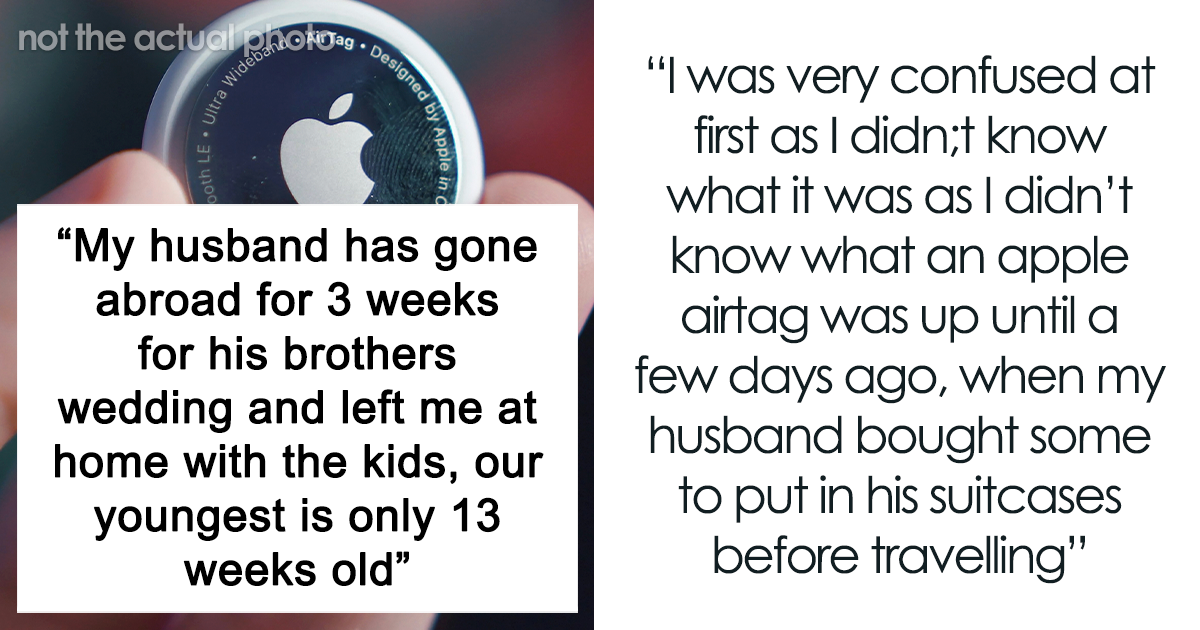
Nothing says “we need to talk” quite like finding a tracking device tucked into your car after your husband leaves for a three-week trip. It is the kind of headline that sounds like it belongs on a gossip site, a Reddit thread, and a true-crime documentary preview all at once. But underneath the drama is a very real issue: hidden tracking technology is no longer rare, no longer especially expensive, and no longer limited to spy movies and people who own suspiciously many trench coats.
That is why this story hits a nerve. A wife finds a tracker in her car. Her husband is out of town. He does not know she knows. Suddenly, what looked like an ordinary marriage now feels like a privacy thriller with shared bills. The device itself may be tiny, but the questions it raises are huge. Was he checking on her? Controlling her? “Protecting” her without consent? And if this is happening inside one relationship, how often is something similar happening in others?
The answer is uncomfortable: more often than people would like to believe. Hidden location tracking can happen through Bluetooth tags, GPS devices, phone apps, family-sharing features, and even connected-car systems. So this is not just a juicy headline. It is a case study in modern surveillance, digital trust, and the weirdly intimate ways technology can go wrong.
Why This Story Feels So Disturbing
A tracker in a car is not just a gadget. It is a message. It says, “I want to know where you go when I am not there.” That message lands differently depending on the relationship, the history, and whether the person being tracked ever gave permission. In a healthy relationship, location sharing is a conversation. In an unhealthy one, it becomes monitoring dressed up as concern.
That is what makes this scenario so emotionally loaded. The wife is not merely discovering hardware. She is discovering intent. If her husband secretly placed a tracker in her vehicle, he made a choice to gather information without telling her. That choice matters more than whatever excuse comes later. “I was worried about your safety” sounds very different when it arrives after someone hid technology in your car like a low-budget secret agent.
And here is the other reason the story resonates: most people immediately imagine themselves in that situation. They picture the sinking feeling, the replaying of old conversations, the sudden urge to check every bag, app, keychain, and glove compartment. A hidden tracker turns everyday life into a puzzle. Why did he know I stopped at that store? How did he ask about that neighborhood? Why did he text right after I parked? Once suspicion enters the room, everything starts wearing a fake mustache.
What Kind Of Tracker Could Be In A Car?
Bluetooth Item Trackers
The best-known example is the AirTag, but it is far from the only one. Bluetooth trackers are small, cheap, easy to hide, and often sold as tools for finding keys, bags, wallets, or luggage. In normal use, they are convenient. In the wrong hands, they can become a stealthy way to monitor movement. These devices are especially effective because they do not have to look sinister. They can be tucked into a trunk, slipped under a seat, or hidden in a side pocket and still do their job.
GPS Tracking Devices
Some trackers are more old-school and more deliberate. A GPS device may be magnetic, battery-powered, or installed in a way that makes it harder to notice. These are the trackers people imagine when they hear “someone put a device on my car.” They are often associated with private investigators, theft recovery, fleet management, or, unfortunately, controlling behavior in personal relationships.
Connected-Car Features And Shared Accounts
This is where the plot gets modern. A person may not need to hide a separate device at all if they already have access to the car’s connected services, mobile app, login credentials, or family-sharing features. Some vehicles allow users to check location, unlock doors, review trip data, or monitor status from a phone. So yes, sometimes the tracker is not in the car. Sometimes the tracker is the car.
Why A Hidden Tracker Is Bigger Than A Marriage Problem
It would be easy to reduce this story to relationship drama. Husband acts shady, wife catches him, argument begins, someone sleeps on the couch, and the internet votes. But that would miss the larger point. Hidden tracking is part of a broader social problem involving stalking, coercive control, digital abuse, and privacy violations.
Technology has made it easier than ever to know where someone is, when they arrived, how long they stayed, and what route they took. That might be useful when you are tracking your suitcase through Atlanta or finding your keys in the couch cushions. It becomes far darker when one person uses those same systems to monitor another person’s movements without consent.
And the harm is not just physical safety, though that can absolutely be part of it. The harm is psychological too. People who discover they have been tracked often describe a sudden loss of normalcy. Everyday errands begin to feel exposed. Routine stops start to feel explainable, defendable, even incriminating. Privacy is not only about hiding bad behavior. It is about being allowed to exist without being watched.
What The Wife Should Do Next
1. Document First, Dramatic Monologue Later
If she finds a tracker, the smartest move is not to launch into a furious phone call with opening statements worthy of courtroom television. It is to document what she found. Take photos. Note where the tracker was located. Screenshot any phone alerts. Record the date, time, and circumstances. If this turns into a legal, safety, or custody issue later, documentation is gold.
2. Think Beyond The Device
Removing one tracker does not always solve the problem. She should check whether location sharing is enabled in phone settings, family accounts, messaging apps, smart-home tools, or the vehicle’s own app. She should also review shared passwords, cloud logins, and any old devices still connected to her accounts. A person who hides one form of tracking may be using several.
3. Consider The Safest Response, Not The Fastest One
If the relationship includes fear, intimidation, manipulation, or a history of controlling behavior, this is not just a “gotcha” moment. It may be a safety-planning moment. In those situations, confronting the person immediately is not always the safest move. Sometimes the better move is speaking first with a trusted friend, attorney, advocate, or law enforcement officer, depending on the circumstances.
4. Check The Car’s Digital Footprint
Modern cars can behave like rolling smartphones with cupholders. That means she should check the vehicle’s connected services, account access, paired phones, admin users, saved addresses, and app permissions. If the car has a companion app, who has the login? If it supports multiple drivers, who is still attached to the account? If the vehicle stores home and work addresses, who can see them?
5. Decide Whether This Is A Privacy Violation, A Relationship Warning, Or Evidence Of Stalking
Sometimes it is one of those things. Sometimes it is all three wearing the same outfit. The legal answer can depend on where she lives, how the tracker was used, whether there was consent, and whether there is a pattern of surveillance or harassment. But ethically, the situation is already bright red. Secret monitoring is a trust bomb, not a misunderstanding.
The Legal And Ethical Mess Behind Hidden Tracking
Laws around tracking and surveillance vary by state, but the general direction is clear: using technology to monitor someone without consent can become a serious legal issue, especially when it is part of stalking, harassment, coercive control, or ongoing intimidation. The law may debate details. Common sense usually does not.
Even when someone tries to defend the behavior with lines like “I was making sure you were safe” or “the car is in my name,” that does not magically make secret tracking acceptable. Ownership of the vehicle does not automatically grant moral permission to monitor another adult’s every movement. A marriage certificate is not a surveillance warrant, and concern is not the same thing as consent.
There is also an ugly gray area that many people miss: a person may combine legal tools in questionable ways. For example, they may use a legitimate family safety app, keep access to a connected-car platform, or rely on old shared credentials that were never revoked. The setup may look ordinary on paper while functioning like covert surveillance in practice. That is why the ethics matter as much as the hardware.
Why “Just Turn It Off” Is Not A Complete Solution
People often talk about tracking as though it begins and ends with one obvious gadget. Find the tracker. Remove the tracker. Problem solved. Nice thought. Reality is less tidy.
A person may be monitored through multiple layers at once: a Bluetooth tag in the car, a shared phone account, a vehicle app, old cloud credentials, and location sharing turned on inside a messaging app nobody has checked in months. Add in the data economy around connected cars and location data, and the privacy picture gets even murkier. Consumers have learned the hard way that vehicles, apps, and data brokers can collect far more movement-related information than most people expect.
That is why this wife’s discovery matters beyond the marriage. It is a reminder that digital privacy is not one setting. It is a whole ecosystem. And ecosystems get messy fast when nobody knows who still has access to what.
Red Flags This Story Should Make Everyone Notice
If this headline gives you chills, there is a reason. Many people do not realize something is wrong until the pattern becomes impossible to ignore. Common warning signs include a partner seeming to know your location without explanation, bringing up stops you never mentioned, showing unusual interest in your travel routine, insisting on constant location sharing, or reacting when you turn off certain features.
Another red flag is overconfidence. People who secretly track others often get sloppy because the technology makes them feel invisible. They mention places they should not know about. They ask oddly specific questions. They “guess” too accurately. They treat your daily life like a live sports feed with emotional commentary.
And then there is the sneakiest red flag of all: the behavior is framed as love. “I just care about you.” “I worry when you do not answer.” “I wanted peace of mind.” Sometimes concern is real. Sometimes it is control wearing a cardigan.
Experiences People Commonly Report After Discovering A Tracker
One of the most striking things about stories like this is how similar the emotional arc can be, even when the devices and relationships are different. First comes confusion. Then denial. Then the slow, awful realization that the weird little details actually add up.
Many people say the first reaction is not anger. It is disbelief. They stare at the tracker and think there has to be some benign explanation. Maybe it came from a friend. Maybe it was left by accident. Maybe it belongs to the car dealership, a child, a rideshare passenger, a mechanic, or literally anyone other than the person they suspect. The brain bargains because the alternative feels too big.
Then the memory reel starts. The person remembers odd questions, oddly timed texts, or comments that once seemed random. Suddenly those moments look different. Why did he ask whether I was still at the grocery store? Why did she mention the side of town I never brought up? Why did my partner act weird when I disabled location sharing last month? It is like watching your own life get re-edited with ominous music.
Another common experience is embarrassment, which is unfair but real. People sometimes feel foolish for not noticing sooner. They wonder whether friends will think they are overreacting. They question their instincts. But covert tracking is designed to be hidden. Not spotting it immediately is not stupidity. It is evidence that you were living your life, not conducting a counterintelligence sweep before every coffee run.
There is also the practical spiral that follows. People start checking every setting they can think of. Phone permissions. Shared Apple or Google accounts. Family apps. Car logins. Old tablets. Smartwatch connections. Paired Bluetooth devices. Saved passwords. It becomes a digital spring-cleaning session powered by adrenaline and betrayal. Useful, yes. Relaxing, absolutely not.
Some people report changing their routines even before they know exactly what is happening. They stop going straight home. They avoid certain places. They leave phones behind to test whether someone still knows where they are. They ask a friend to drive. They create new email addresses. They start documenting things that used to seem too small to write down. This is one of the clearest signs that hidden tracking is not a quirky tech mishap. It changes behavior. It changes how safe a person feels inside their own schedule.
And then there is the relationship fallout, which can be seismic. A person who finds a tracker is not just asking, “Were you following me?” They are also asking, “Who are you when I am not looking?” Secret monitoring breaks trust in a very specific way because it turns ordinary life into evidence. Every errand becomes something the other person felt entitled to inspect. Every private moment becomes less private in retrospect.
In marriages and long-term relationships, that can be especially devastating because the tracker becomes symbolic. It is not just a device. It represents secrecy, entitlement, and the belief that access matters more than consent. Even if the person who planted it swears they never meant harm, the damage is already there. Intent may shape the conversation, but impact is what the tracked person has to live with.
That is why so many people describe the experience in almost physical terms. They say their stomach dropped. Their skin crawled. Their car no longer felt like their car. Their daily route no longer felt like theirs. A hidden tracker does not merely reveal where you have been. It can temporarily steal your sense of being unobserved. And that, more than the device itself, is why stories like this stay with readers long after the headline fades.
Final Thoughts
“He doesn’t know I know” is a great hook because it captures the moment power shifts. The person being watched becomes the person who sees the setup clearly. But the real takeaway is bigger than the twist. A tracker in a car is never just about technology. It is about consent, trust, privacy, and whether one person believes they are entitled to another person’s movements.
In this case, the wife’s discovery is not a quirky domestic subplot. It is a warning. Hidden tracking can show up through tags, apps, connected cars, or stale shared accounts, and it often says something serious about the relationship behind it. Anyone who finds a tracker in a car should treat the discovery as both a technical issue and a human one. Check the device. Check the accounts. Check the car. But also check the pattern.
Because once someone starts monitoring your whereabouts in secret, the biggest question is not where you went. It is why they believed they had the right to know.