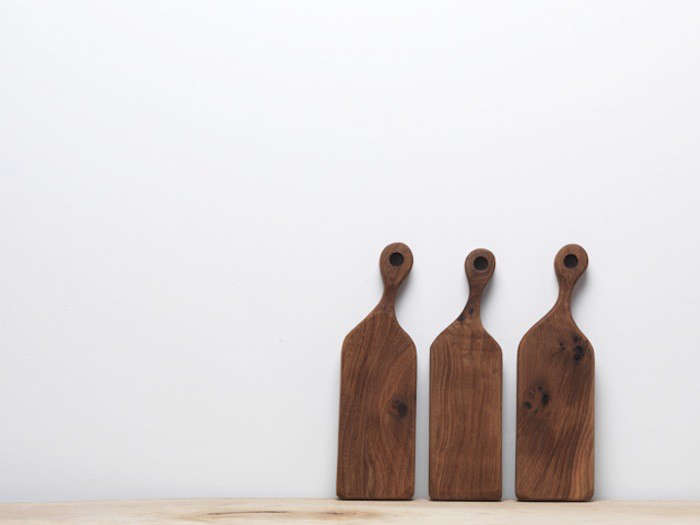
Some kitchen objects shout for attention. Others quietly earn it. Hampson Woods’ Elm Board belongs to the second category: a smooth, chunky, handmade serving board that looks as if it wandered out of a country kitchen, picked up excellent manners, and decided to host cheese night.
Made from British elm and finished with HW Wood Balm, this board is not trying to be a gadget. It does not beep, sync, recharge, or ask for your Wi-Fi password. It simply does what a good wooden board should do: serve food beautifully, feel good in the hand, and bring a little story to the table. In an era of mass-produced kitchenware, that is surprisingly refreshing.
The Hampson Woods Elm Board is approximately 380 x 120 x 28 mm, which makes it long and narrow enough for cheese, charcuterie, bread, fruit, small bites, or that dramatic line of olives you arrange when guests are coming and you suddenly become a Mediterranean innkeeper. Each board is unique, because each piece is cut from real timber with its own grain, tone, and personality.
What Is Hampson Woods’ Elm Board?
Hampson Woods’ Elm Board is a handmade wooden serving board crafted from British elm. It is designed for everyday use but has the visual warmth of a keepsake. The brand describes it as smooth and chunky, with a deep color that creates a beautiful backdrop for serving cheese or meats. That is not marketing fluff; elm really does bring a rich, expressive look to the table.
The board comes from Hampson Woods, a British workshop known for small-batch wooden boards, utensils, and home objects. Founder Jonty Hampson built the brand around timber provenance, thoughtful design, and the idea that useful household objects should feel connected to the natural materials they came from. In plain American English: this is not a mystery slab from a warehouse bin. It is a board with a backstory.
Key Product Details
- Material: British elm wood
- Approximate dimensions: 380 x 120 x 28 mm
- Finish: HW Wood Balm
- Use: Serving cheese, meats, bread, fruit, snacks, and small dishes
- Design: Smooth, chunky, rustic, and individually varied
- Care: Wash by hand with mild soap and water; do not soak or place in a dishwasher
Why Elm Makes This Board Interesting
Elm is not the most common wood used for modern serving boards, which is part of the appeal. Maple, walnut, oak, and acacia tend to hog the spotlight. Elm, meanwhile, is the quietly fascinating cousin at the family reunionthe one who says little for an hour and then casually reveals it once survived centuries as a material for chairs, tools, and even old water pipes.
Elm wood is known for its interlocked grain. Instead of running in a predictable straight line, the fibers can spiral one way and then the other. That structure makes elm difficult to split and gives it a lively grain pattern. For a serving board, this means two important things: visual character and a tactile feeling that is hard to fake.
Woodworkers often find elm challenging because the same grain that makes it beautiful can make it stubborn under tools. Planing and shaping elm require care, patience, and skill. That is exactly why a hand-finished elm board feels different from a generic factory board. The maker has to work with the wood instead of bullying it into submission. Elm will not be bossed around, and honestly, we respect that.
The Hampson Woods Approach: Provenance, Not Guesswork
One of the most compelling things about Hampson Woods is its emphasis on provenance. The brand is known for using timber only when the origin is known. Product tags often tell customers where the tree once stood, turning a practical board into a tiny piece of landscape history.
That philosophy matters. In a world where “wooden board” can mean almost anything, provenance helps separate thoughtful craft from anonymous production. Hampson Woods works with timber in a way that respects its irregularity. The board is not made to erase the tree’s story; it is made to show it.
The company’s broader work includes boards made from London plane, ash, oak, sycamore, and elm, with an emphasis on British timber and low-waste making. Offcuts from larger boards can become smaller household objects. This is practical sustainability, not the kind where a brand puts a leaf icon on the packaging and calls it a day.
Design: Rustic Without Looking Rough
The Hampson Woods Elm Board has a rustic look, but it is not rough. That distinction is important. Rustic done badly can look like someone found a fence plank and gave it a pep talk. Rustic done well feels warm, simple, and grounded. This board falls into the latter category.
The long, narrow shape makes it especially good for serving foods in a line. Think wedges of cheese, sliced cured meats, crackers, dried figs, grapes, pickles, or small pastries. It can also hold a sliced baguette beside a ramekin of butter or a row of breakfast toast with jam. It is the kind of board that makes even a casual snack look mildly curated, as if you own linen napkins and know where they are.
Best Uses for the Elm Board
Cheese boards: The board’s length gives you room to separate textures and flavors. A soft cheese, a firm cheddar, a blue cheese, crackers, fruit, and nuts can all sit comfortably without turning into a dairy traffic jam.
Charcuterie: Its deep color can make cured meats, olives, and pickles look especially appetizing. The elm backdrop adds contrast without stealing the spotlight.
Bread service: A narrow board is ideal for baguette slices, sourdough pieces, focaccia strips, or dinner rolls. Add a small bowl of olive oil and suddenly Tuesday dinner has range.
Dessert presentation: Brownies, shortbread, cookies, chocolate truffles, and sliced fruit look charming on wood. The board gives desserts a homemade, relaxed elegance.
Everyday counter display: When not in use, the board can lean against a backsplash or hang from a hook. It becomes part of the kitchen’s visual texture rather than another item hiding in a cabinet.
Is Hampson Woods’ Elm Board a Cutting Board or a Serving Board?
It can handle light cutting, but its real strength is serving. The board’s shape and finish make it especially suited to presentation. You can slice bread, cheese, or fruit on it, but if you are breaking down a chicken or attacking a butternut squash like it owes you money, use a larger workhorse cutting board instead.
For food safety, it is wise to keep separate boards for raw meat and ready-to-eat foods. The FDA recommends separating raw meat, poultry, and seafood from fruits, vegetables, and cooked foods to reduce cross-contamination. For a board this attractive, the best role is usually serving ready-to-eat foods rather than becoming the battlefield for raw proteins.
How to Care for Hampson Woods’ Elm Board
Wooden boards are not difficult to maintain, but they do ask for common sense. Think of them as houseplants that cannot die dramatically but can warp if you mistreat them. The official care advice from Hampson Woods is straightforward: wash with soap and water, avoid the dishwasher, and never soak the board.
Simple Cleaning Routine
- Wipe away crumbs or food scraps after use.
- Wash with warm water and mild dish soap.
- Rinse briefly; do not leave the board submerged.
- Dry with a towel.
- Let it air-dry upright in a rack or by hanging it.
Dishwashers are a bad idea for natural wood. High heat, detergent, and prolonged moisture can cause warping, surface damage, or dryness. Soaking is also risky because wood absorbs water. A quick wash is fine; a long bath is not. Your elm board is not at a spa.
Dealing With Fuzziness
Natural wood fibers can sometimes lift slightly when wet, creating a faint fuzzy texture. Hampson Woods notes that this can happen with moisture exposure and can usually be buffed back with very fine sandpaper or a nylon scourer. This is normal for wood and not a sign that the board has given up on life.
Conditioning the Board
The board is finished with HW Wood Balm, and occasional reconditioning can help maintain its smooth feel and protective surface. Food-safe wood balms, mineral oil, or wax-based conditioners can help prevent drying and keep the grain looking rich. Avoid cooking oils such as olive oil or vegetable oil, which can turn rancid over time.
Why Handmade Boards Feel Different
A handmade wooden board has small variations that give it life. The edge may not feel exactly like the next board. The grain may sweep differently. The color may lean warmer, darker, or more dramatic depending on the tree. These differences are not defects; they are the point.
Hampson Woods has built its identity around letting the material guide the final object. The workshop marks out boards based on the natural features of the timber, using shapes and profiles that make practical and aesthetic sense. That means the board is designed, but not over-controlled. It feels like a collaboration between maker and tree, which is the kind of sentence that sounds sentimental until you hold a well-made board and realize it is true.
How It Compares With Other Wooden Boards
Compared with a thick butcher block, the Elm Board is lighter, narrower, and more presentation-focused. Compared with a bamboo board, it feels warmer and more characterful. Compared with mass-produced acacia serving boards, it offers a clearer sense of provenance and a more artisanal finish.
The tradeoff is that handmade elm requires care. It should not be treated like a plastic cutting mat. It is not meant for dishwasher cycles, rough soaking, or heavy-duty prep abuse. But for people who enjoy beautiful kitchen tools and are willing to wash by hand, that is hardly a burden. Washing one board for thirty seconds is a small price to pay for not serving cheese on something that looks like it came free with a microwave.
Who Should Buy Hampson Woods’ Elm Board?
This board is ideal for people who love natural materials, small-batch craftsmanship, and kitchen objects that look good enough to leave out. It makes sense for home cooks, design lovers, entertainers, and anyone who believes a cheese board should have more personality than a conference room tray.
It is also a thoughtful gift. A handmade elm serving board works for housewarmings, weddings, anniversaries, holidays, and host gifts. It feels personal without being overly specific. You do not need to know someone’s shirt size, favorite scent, or complicated relationship with throw pillows. Almost everyone can use a beautiful serving board.
Styling Ideas for a Better Table
The Hampson Woods Elm Board pairs well with linen napkins, stoneware plates, clear glassware, and simple flatware. Because elm has visual movement, it does not need a crowded table. Let the board do some of the decorating.
For a cozy appetizer spread, place three cheeses along the board, then fill gaps with grapes, walnuts, honeycomb, and crackers. For a brunch setup, use it for sliced banana bread, scones, or buttered toast. For dinner, serve roasted vegetables or warm bread. For dessert, try dark chocolate, berries, and shortbread. The board has enough charm to make simple food look intentional.
Practical Pros and Cons
Pros
- Handmade from British elm
- Distinctive grain and rich color
- Good size for cheese, meats, bread, and small bites
- Finished with wood balm for a smooth feel
- Strong sense of provenance and craftsmanship
- Beautiful enough to display when not in use
Cons
- Requires hand washing and proper drying
- Not intended for dishwasher use
- Each piece varies, so exact appearance cannot be guaranteed
- Better for serving and light prep than heavy chopping
Experiences With Hampson Woods’ Elm Board
Using a board like the Hampson Woods Elm Board changes the small rituals around food. That may sound dramatic for a piece of wood, but kitchen objects shape how meals feel. Pull out a plastic tray and snacks become snacks. Pull out a handmade elm board and suddenly the same crackers, cheese, and apple slices look like you planned your life better than you actually did.
The first thing you notice is the feel. The board is smooth but not sterile. It has substance without feeling clumsy. Because it is long and narrow, it naturally encourages a more organized presentation. Foods line up neatly. Cheese gets breathing room. Crackers stop sliding into the olives like tiny ships in a briny harbor. It makes casual serving easier because the shape does half the styling work for you.
In everyday use, the board is most satisfying for small gatherings. Put it on a coffee table with a soft cheese, sliced salami, cornichons, almonds, and a few grapes, and it creates an instant centerpiece. It also works nicely for solo meals when you want dinner to feel less like survival and more like a choice. A grilled cheese sandwich cut in halves looks better on elm. So does toast. So does a pear with peanut butter. The board is not judgmental.
Guests tend to notice handmade boards. Not in a loud, “Where did you get that?” way every time, but in the quieter way people touch the edge, look at the grain, or ask if it is old. That is part of the charm. The board feels like it has history even when it is new, because the material itself carries visual age. Elm grain has movement, and the color gives food a warm frame.
Care becomes part of the experience too. You wash it, dry it, and stand it upright. Every so often, you condition it and watch the grain deepen. That small act makes the board feel less disposable. It is not another kitchen item waiting to be replaced; it is something that can age well if treated well. Over time, tiny marks may appear, and they can make the board more personal rather than less attractive.
The best experience comes when you stop saving it for special occasions. Handmade objects are often treated like museum pieces, which is a shame. The Hampson Woods Elm Board is most enjoyable when it becomes part of normal life: weekend brunch, weeknight snacks, a late-night cheese raid, holiday appetizers, or sliced bread beside soup. It brings a sense of occasion without demanding one.
That is the real appeal of Hampson Woods’ Elm Board. It is beautiful, yes, but not precious in the fragile sense. It is useful, tactile, and quietly expressive. It reminds you that the best kitchen pieces do not have to be complicated. Sometimes all you need is good wood, good craftsmanship, and something delicious enough to justify washing one extra board.
Conclusion
Hampson Woods’ Elm Board is a small object with a lot of character. Made from British elm, finished with HW Wood Balm, and shaped by hand, it offers more than a place to put cheese. It brings provenance, warmth, and craft into everyday eating. Its interlocked elm grain gives it natural beauty, while its long, chunky profile makes it practical for serving bread, meats, fruit, desserts, and appetizers.
It is not the board for someone who wants to toss everything in the dishwasher and walk away whistling. It is for people who enjoy the feel of natural materials and do not mind giving them basic care. Wash it gently, dry it properly, condition it occasionally, and it can become one of those kitchen pieces that only gets better with use.
In short, the Hampson Woods Elm Board is a handsome, functional, story-rich serving board for homes that value thoughtful design. It is rustic without being rough, elegant without being fussy, and useful without being boring. That is a rare combinationand frankly, cheese deserves this kind of support system.