Note: This original article is written for web publication and synthesizes publicly available product, designer, manufacturer, and design-industry information without inserting source links.
A Chair That Swings for the Design Fences
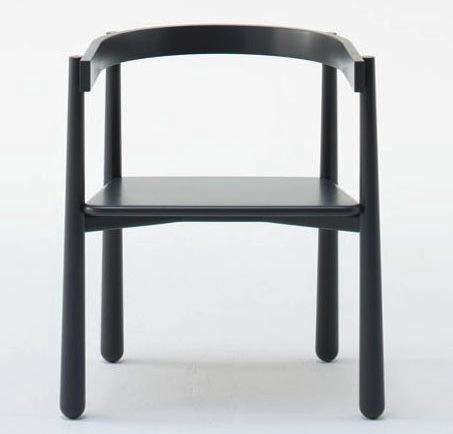
The Homerun Chair by Sylvain Willenz is one of those furniture pieces that looks simple at first glance, then quietly starts showing off. It does not shout. It does not arrive wearing chrome sunglasses and demanding a spotlight. Instead, it sits there with confident curves, rounded lines, and a friendly attitude, like the best guest at a dinner party: stylish, comfortable, and not trying too hard.
Created by Belgian designer Sylvain Willenz, the Homerun Chair reflects the designer’s well-known ability to blend strong graphic clarity with everyday usability. Willenz, based in Brussels, has built a reputation for furniture, lighting, and product design that feels clean, approachable, and slightly playful. His work often carries what design lovers call a “ligne claire” qualitya clear-line visual language associated with crisp outlines, readable forms, and a certain comic-book elegance. In plain English: his pieces are easy to understand, but they are not boring. That is harder than it sounds.
The Homerun Chair is especially memorable because its inspiration comes from vintage cartoons. Yes, cartoons. Not a spreadsheet. Not a corporate mood board full of beige squares. Old cartoons. That explains the chair’s rounded, almost animated posture. Its back and arms feel soft and graphic, while the overall shape remains disciplined enough for a grown-up dining room. It is playful without becoming childish, refined without becoming stiff, and distinctive without screaming, “Please notice my design degree.”
Who Is Sylvain Willenz?
Sylvain Willenz is a Belgian furniture and product designer who established his studio in Brussels in 2004. He studied Design Products at the Royal College of Art in London, graduating in 2003, and later became known for international collaborations with respected design brands. His studio has received major design recognition, including iF Awards and a Red Dot “Best of the Best” Award, and Willenz was named Belgian Designer of the Year in 2009.
What makes Willenz interesting is not only the awards cabinetalthough, let us be honest, that cabinet is doing just fine. It is his way of making products that feel both familiar and new. Many designers chase novelty until a chair looks like it was assembled during a thunderstorm. Willenz tends to do the opposite. He simplifies. He rounds. He clarifies. He removes the unnecessary until the object feels almost inevitable.
That design philosophy is visible in the Homerun Chair. It has enough personality to anchor a room, yet enough restraint to work with many interior styles: modern apartments, warm wood dining rooms, compact city kitchens, creative offices, boutique cafés, and family homes where furniture must survive both dinner parties and someone’s mysterious sticky fingerprints.
The Origins of the Homerun Chair
The original Homerun Chair became widely noticed around the 2010 Milan design season, where it was associated with Karimoku and Karimoku New Standard, the contemporary branch of the respected Japanese furniture manufacturer. Karimoku Furniture has a long history dating back to 1940 and is known for combining skilled wood craftsmanship with advanced manufacturing. Karimoku New Standard, launched in 2009, brought fresh international design voices into that woodworking tradition.
That meeting of cultures is part of the chair’s charm. On one side, there is Willenz’s European graphic sensibility: rounded, cartoon-inspired, elegant, and clean. On the other side, there is Japanese woodworking know-how: precision, material respect, and disciplined construction. The result is not a gimmick chair. It is a chair with a story, but also with a job. And its job is simple: look good, support the body, and age gracefully.
The early Homerun Chair was described in design circles as being made from Japanese hardwood and offered in expressive colors such as yellow, charcoal or dark gray, red, and white, depending on the edition and reporting source. Later product information has connected the chair family with oak construction and refined dining-chair versions. This evolution matters because design objects are often not frozen in one moment. They develop, shift manufacturers, gain new upholstery options, and move from exhibition darling to real-life dining companion.
Design Language: Cartoon Curves, Adult Discipline
The most recognizable feature of the Homerun Chair design is its soft, rounded silhouette. The chair looks as if its lines were drawn in one confident sweep. The backrest and arms create a continuous visual rhythm, giving the piece a friendly, almost character-like presence. That cartoon influence is not literal. There are no mouse ears. No slapstick props. No chair legs running away in panic. Instead, the reference is translated into proportion, softness, and movement.
This is where the design becomes sophisticated. A cartoon-inspired chair could easily become novelty furniturefun for six minutes, regrettable for six years. Willenz avoids that trap by rationalizing the form. The Homerun Chair has bold features, but they are organized into a calm and usable structure. The rounded back is not just cute; it softens the profile. The arms are not just decorative; they help define the seating experience. The generous lines do not make the chair bulky; they make it welcoming.
In a world full of dining chairs that either look like office equipment or medieval punishment devices, Homerun brings warmth. It has a relaxed posture but still feels composed. It says, “Stay for dessert,” not “Please complete this quarterly report.”
Materials and Craftsmanship
The Homerun Chair family is strongly associated with wood, particularly oak in current dining-chair versions. Product listings for the modern Homerun dining chair describe oak wood construction, with optional seat versions in leather or vegan leather depending on the retailer and edition. Some editions include an oak veneer back with a beech interior, solid oak legs, and a seat height around 47 cm, which is a common and comfortable dining-chair height.
Those details matter because a chair is not merely a shape. It is a repeated physical experience. You pull it out. You sit down. You lean back. You shift during a long meal. You bump it with the vacuum cleaner. You scoot it across the floor when someone says, “Can we squeeze in one more person?” A good dining chair must look elegant in silence and perform gracefully under everyday abuse.
Karimoku’s broader woodworking philosophy also adds depth to the Homerun story. Karimoku New Standard has been known for using sustainably sourced Japanese hardwoods, including materials that may otherwise be undervalued or used for lower-grade industrial purposes. This focus connects modern furniture design with forest conservation, regional industry, and long-term material responsibility. In other words, the chair is not only about looking good in a room. It also belongs to a larger conversation about how wood is selected, processed, and respected.
Comfort: The Quiet Test of Every Great Chair
Beautiful chairs are everywhere. Comfortable beautiful chairs are rarer. The Homerun dining chair has been developed with ergonomics in mind, with accounts of several design iterations aimed at making it suitable for long meals. That is a useful test. Anyone can sit politely for five minutes. The real question is whether a chair still feels pleasant during a slow dinner, a second cup of coffee, or a conversation that begins with “just one quick thing” and somehow becomes a two-hour family summit.
The chair’s rounded back and arm structure help create a sense of enclosure. It feels more supportive than a flat, anonymous dining chair, but it does not become a full lounge chair. That balance is important. In a dining room, you want comfort, but not so much comfort that everyone sinks into the furniture and forgets how forks work.
The optional upholstered seat versions add another layer of usability. A wood seat can look beautifully pure, but a leather or vegan leather seat can make long sitting easier while adding visual contrast. A black seat on a natural oak frame gives the chair a crisp modern look. A natural or lighter seat feels softer and more Scandinavian-inspired. Either way, the Homerun Chair remains recognizable because the structure carries the design identity.
How the Homerun Chair Fits Modern Interiors
In a Minimalist Dining Room
In minimalist interiors, the Homerun Chair works because it has personality without clutter. Pair it with a simple wood table, neutral walls, and a pendant light with clean geometry. The rounded chair shape prevents the room from feeling too cold. Minimalism needs warmth, or it can start to resemble a very expensive waiting room.
In a Warm Scandinavian-Inspired Space
The chair also fits naturally into Scandinavian-style interiors, especially in oak or natural wood finishes. Add linen curtains, ceramic tableware, a pale rug, and soft lighting. The Homerun Chair’s rounded form complements the relaxed, human-centered feeling that makes Scandinavian design so popular.
In a Contemporary Apartment
For city apartments, the Homerun Chair can act as a design focal point without overwhelming the room. Because the form is clear and compact, it suits open-plan dining areas where furniture must look good from multiple angles. Chairs in open spaces are basically on stage all day, whether they asked for fame or not.
In a Café or Creative Studio
The Homerun Chair can also make sense in hospitality or creative work environments. Its playful but polished character suits cafés, design studios, meeting rooms, and boutique spaces. It feels approachable, but not disposable. That is a valuable combination for interiors that need to look curated without feeling precious.
Color, Finish, and Styling Ideas
Early versions of the Homerun Chair were associated with vivid colors such as yellow, red, white, and charcoal. These colors make the chair feel even more animated and graphic. A yellow Homerun Chair can energize a neutral dining space. A charcoal or black version feels sharper and more architectural. White brings a clean, gallery-like quality, while red adds a bold accent for homeowners who are not afraid of a little visual caffeine.
Current dining-chair versions in natural wood or black finishes are easier to integrate into everyday interiors. Natural oak highlights the chair’s craftsmanship and makes the rounded shape feel warm. Black gives it a more dramatic silhouette and can work beautifully with stone, glass, or dark-stained tables. Upholstered versions add comfort and contrast, especially when paired with textured rugs, matte ceramics, or sculptural lighting.
One smart styling approach is to use the Homerun Chair as a full dining set. This creates visual consistency and lets the silhouette define the room. Another approach is to use two Homerun Chairs at the ends of a dining table and pair them with simpler side chairs. This gives the room a collected, less showroom-like feeling while allowing the Homerun design to stand out.
Why the Homerun Chair Still Feels Relevant
The Homerun Chair remains interesting because it answers a problem many contemporary furniture buyers face: how do you choose something distinctive without choosing something exhausting? Trendy furniture can age badly. Ultra-minimal furniture can feel lifeless. Overly decorative furniture can dominate a room like an opera singer in a library.
Homerun finds a sweet spot. It is modern but not cold, playful but not silly, crafted but not old-fashioned. The cartoon reference gives it emotional warmth, while the woodworking and proportions keep it grounded. That combination helps it feel timeless rather than trendy.
It also reflects a broader movement in modern furniture design: people want pieces with character, but they still want practicality. A chair must not only photograph well; it must survive breakfast, laptops, homework, dinner guests, and the occasional dramatic sit-down after a long day. The Homerun Chair understands the assignment.
Buying Considerations: What to Know Before Choosing Homerun
Before buying a Homerun Chair or a Homerun dining chair edition, consider the room size, table height, finish, and seat material. The chair’s arms and rounded back give it presence, so check that it slides comfortably under your dining table. Armchairs can require more clearance than armless chairs, especially around smaller round tables.
Also think about maintenance. Natural oak is beautiful, but wood benefits from regular care and protection from extreme moisture, direct heat, and careless spills. Upholstered seats may improve comfort but require different cleaning habits. Leather develops patina over time, while vegan leather can be easier for some households to maintain but varies by quality and use.
Finally, consider whether you want the chair to blend in or stand out. A natural oak version blends easily into warm interiors. A black version creates graphic contrast. A colored edition, if available through vintage or specialty channels, becomes more of a statement piece. Choose according to how loudly you want the chair to speak. Some rooms need a whisper. Others need a tasteful drumroll.
Experience Notes: Living With the Homerun Chair Concept
Spending time with the idea of the Homerun Chair by Sylvain Willenz reveals why this design has stayed in the conversation. It is the kind of chair that feels easy to like because it does not demand a design education before you can enjoy it. You notice the rounded back first. Then you notice the way the arms seem to flow from the structure. Then you realize the chair is doing something clever: it is turning a dining seat into a small character without making the room feel theatrical.
In a real home setting, that matters. Dining chairs are among the hardest-working pieces of furniture. They are used daily, often moved constantly, and expected to look composed even when life around them is not. The Homerun Chair’s soft geometry makes it feel forgiving. Around a wood table, it adds warmth. Near a white wall, it adds shape. Beside a pendant lamp, it creates a balanced composition of curves and lines.
One of the best experiences related to this chair is how naturally it bridges formal and casual moments. During breakfast, it does not feel too fancy. During dinner with guests, it feels special enough to be noticed. During work-from-home hours, it offers a more pleasant alternative to the “temporary chair” that somehow becomes permanent and ruins your posture one email at a time.
The chair also encourages better styling habits. Because its shape already has personality, the surrounding furniture can be simpler. You do not need a wild table, a dramatic rug, and a chandelier large enough to communicate with satellites. A clean dining table, a vase with branches, textured napkins, and warm lighting are enough. The Homerun Chair rewards restraint.
For families, the rounded design language can feel especially friendly. Sharp, severe furniture may look impressive in photographs, but real homes benefit from softness. A chair with gentle curves feels less intimidating and more human. It invites people to sit, talk, eat, read, or linger. And lingering is secretly the highest compliment a dining chair can receive.
There is also an emotional quality to furniture inspired by cartoons. It reminds us that good design does not have to be humorless. Sophistication and play can live together. The Homerun Chair proves that a chair can have charm without becoming a joke, elegance without becoming dull, and comfort without becoming visually heavy.
If placed in a small apartment, the Homerun Chair can become the piece that makes the dining corner feel intentional rather than improvised. If used in a larger dining room, a full set can create a cohesive and memorable atmosphere. If used as an accent chair near a desk or reading corner, it brings design value without needing much decorative backup.
The best way to understand the Homerun Chair is to imagine it after the room has been lived in: a coffee cup on the table, a book left open, evening light hitting the wood, and one chair slightly pulled out as if someone just stepped away. In that moment, the design feels less like an object and more like part of a rhythm. That is the real home run.
Conclusion: A Playful Classic With Serious Design Value
The Homerun Chair by Sylvain Willenz succeeds because it makes a difficult balance look easy. It draws from vintage cartoon imagery yet remains refined. It uses bold rounded forms yet feels calm. It connects European graphic design with fine woodworking traditions. Most importantly, it offers the kind of furniture personality that can make a dining room feel more alive.
For design lovers, the Homerun Chair is a study in restraint and character. For homeowners, it is a practical reminder that useful furniture does not have to be dull. For anyone tired of chairs that look like they were designed by a committee of uncomfortable rectangles, Homerun is a welcome change.
It is stylish, warm, and quietly witty. In other words, it does exactly what a great chair should do: support the body, please the eye, and make the room better simply by being there.