Finding your body shape should feel less like solving a mystery with a flashlight and more like reading a friendly map. A female body types chart can help you understand your natural proportions, choose clothes that fit more comfortably, and shop with fewer “why does this look different on me?” moments. The goal is not to squeeze yourself into a label or chase one “perfect” silhouette. Bodies are wonderfully varied, and most people are a blend of more than one shape.
Think of body types as style shortcuts, not rules carved into stone. Your shape may help explain why high-rise jeans feel amazing, why a wrap dress earns compliments, or why a boxy blazer looks like it borrowed you instead of the other way around. Once you understand the basic categorieshourglass, pear, apple, rectangle, and inverted triangleyou can make better fashion choices without arguing with your closet every morning.
What Is a Female Body Types Chart?
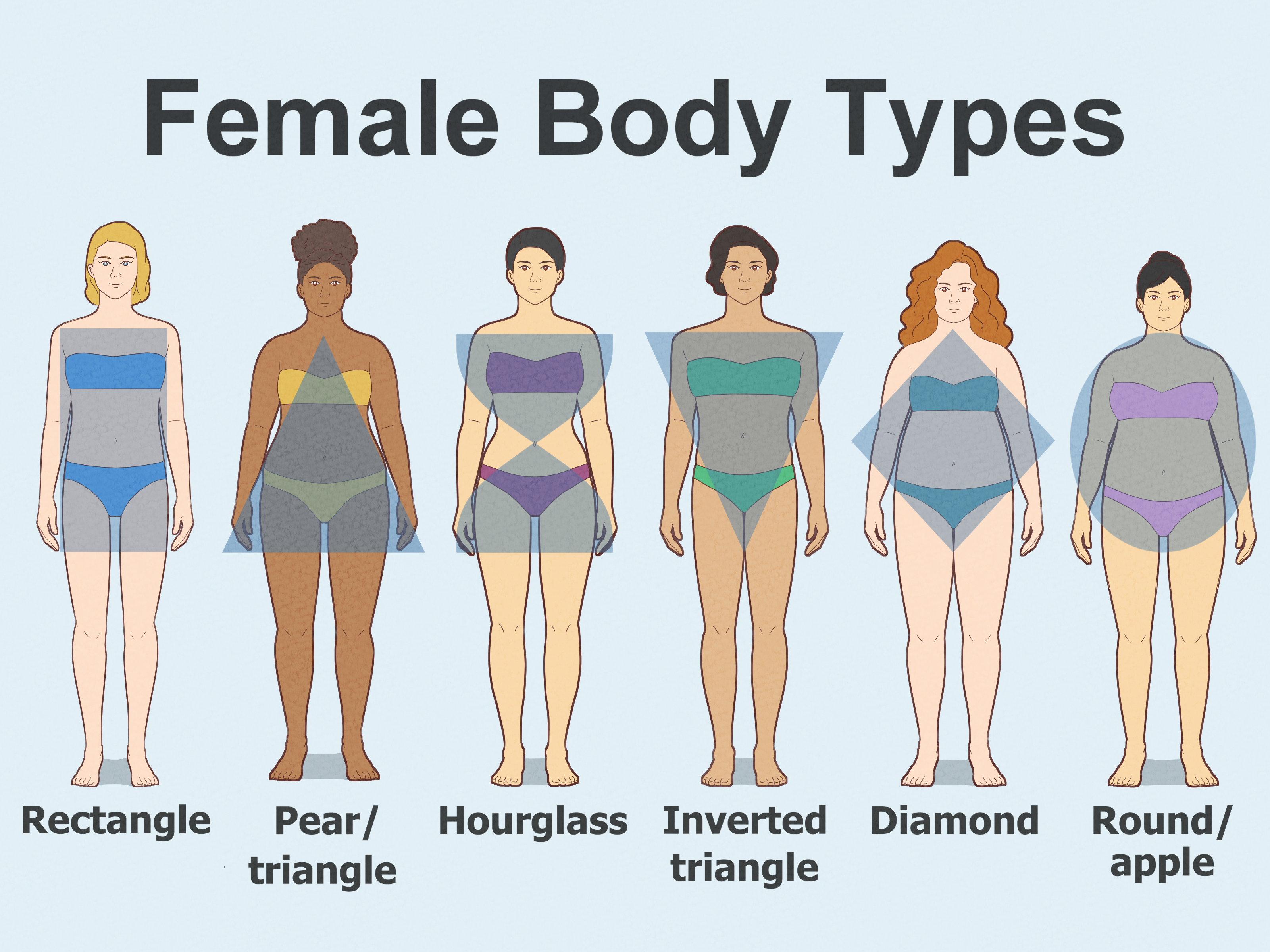
A female body types chart is a simple guide that groups body shapes by the relationship between the shoulders, bust, waist, and hips. These categories are commonly used in fashion and styling because clothing is built around proportions. A chart does not measure beauty, health, confidence, or personality. It only helps you notice where your body is naturally wider, narrower, straighter, or more curved.
The most common female body shapes include:
- Hourglass: Bust and hips are similar in width, with a more defined waist.
- Pear or triangle: Hips are wider than the shoulders or bust.
- Apple or round: The midsection is more prominent compared with hips and legs.
- Rectangle or straight: Shoulders, waist, and hips are fairly similar in width.
- Inverted triangle: Shoulders or bust are broader than the hips.
These names are simply visual references. They are not grades. Nobody gets extra credit for being an hourglass, and nobody loses points for being a rectangle. This is fashion, not a geometry examalthough, yes, there will be measuring tape.
How to Measure Your Body Shape Accurately
Before using any female body types chart, take a few basic measurements. You will need a soft measuring tape, a mirror, and clothing that is close-fitting enough not to add bulk. Stand naturally, keep the tape level, and avoid pulling it too tight. If the tape is digging into your skin, it is trying too hard.
1. Measure Your Shoulders
Wrap the tape around the widest part of your shoulders. This can be tricky to do alone, so a mirror or a helper can make the process easier. Shoulder width matters because it can help identify shapes such as inverted triangle or rectangle.
2. Measure Your Bust
Measure around the fullest part of your bust while wearing a comfortable, well-fitting bra if you usually wear one. Keep the tape parallel to the floor. Do not lift your arms dramatically like you are accepting a trophy; relaxed arms give a more accurate number.
3. Measure Your Waist
Your natural waist is usually the narrowest part of your torso, often above the belly button and below the rib cage. If you are unsure, bend gently to one sidethe crease that forms is a useful clue. Measure after breathing out normally, without holding your stomach in.
4. Measure Your Hips
Stand with your feet together and measure around the widest part of your hips and seat. This is important for identifying pear, hourglass, and rectangle shapes, especially when shopping for jeans, skirts, trousers, and dresses.
Female Body Types Chart: Quick Reference Guide
| Body Shape | Common Proportion Pattern | Style Goal | Easy Outfit Ideas |
|---|---|---|---|
| Hourglass | Bust and hips are similar; waist is more defined | Follow natural curves without overwhelming the waist | Wrap dresses, belted jackets, high-rise trousers |
| Pear / Triangle | Hips are wider than shoulders or bust | Create visual balance between upper and lower body | Statement tops, A-line skirts, structured jackets |
| Apple / Round | Midsection is more prominent; legs may be slimmer | Use soft structure and comfortable waist placement | V-neck tops, flowy tunics, straight-leg pants |
| Rectangle / Straight | Shoulders, waist, and hips are similar in width | Add shape with layers, texture, and waist definition | Peplum tops, belted dresses, wide-leg pants |
| Inverted Triangle | Shoulders or bust are wider than hips | Balance broader upper body with volume below | Wide-leg jeans, full skirts, simple necklines |
Hourglass Body Shape
An hourglass body shape usually has a bust and hips that are close in measurement, with a waist that is noticeably smaller. This shape often looks great in clothing that follows the body’s natural outline rather than hiding it under heavy, shapeless layers.
Good choices include wrap dresses, fitted knit tops, pencil skirts, high-rise jeans, and belted coats. These pieces highlight the waist without forcing the body into an uncomfortable silhouette. If you like blazers, look for styles with gentle waist shaping instead of stiff, oversized cuts that may hide your proportions.
For example, a soft wrap top with straight-leg jeans can feel polished without being fussy. A fit-and-flare dress can also work beautifully because it mirrors the natural balance between the upper and lower body. The key is comfort plus definitionnot turning every outfit into a red-carpet gown unless you are, in fact, walking a red carpet.
Pear or Triangle Body Shape
A pear or triangle body shape usually means the hips are wider than the shoulders or bust. This shape often has a defined waist, and many people with pear proportions find that pants and skirts need extra attention in the hip and thigh area.
Style strategies often focus on bringing attention upward and choosing bottoms that fit comfortably. Try boatneck tops, puff sleeves, bright colors, patterned blouses, structured jackets, or statement necklaces. For bottoms, A-line skirts, bootcut jeans, straight-leg pants, and wide-leg trousers can create an easy, balanced look.
A practical outfit example: pair a light-colored blouse with subtle shoulder detail and dark straight-leg jeans. Add a cropped jacket that ends near the waist, and suddenly the outfit looks intentional instead of “I grabbed whatever was clean.” The pear shape works beautifully with outfits that celebrate the waist and give the upper body a little visual spotlight.
Apple or Round Body Shape
An apple or round body shape often carries more fullness around the midsection, with less emphasis on the hips. Some people with this shape have slimmer legs, a fuller bust, or a less defined waist. The best outfits usually combine comfort, gentle structure, and fabrics that move well.
V-neck tops, open-front cardigans, wrap-style blouses, empire-waist dresses, straight-leg pants, and soft jackets can all work well. The goal is not to hide the body; it is to create clean vertical lines and avoid clothing that pinches, bunches, or demands constant adjusting.
For example, a longline cardigan over a V-neck top with slim-straight pants can create an easy vertical flow. A dress with a soft empire seam can feel comfortable while still looking polished. Choose fabrics with enough weight to drape nicely, because ultra-thin fabric can cling in ways that make you spend the whole day rearranging your shirt like it owes you money.
Rectangle or Straight Body Shape
A rectangle body shape usually means the shoulders, waist, and hips are fairly similar in width. This shape may have a straighter silhouette with less waist definition. The fun part? Rectangle shapes can often wear a wide range of styles, from sleek minimalist outfits to layered looks with volume and texture.
To create more shape, try belted dresses, peplum tops, ruched details, cropped jackets, flared skirts, and high-waisted pants. You can also use contrast: a tucked shirt with wide-leg trousers, a fitted top with a fuller skirt, or a structured blazer over a soft blouse.
A simple outfit idea is a belted shirt dress with ankle boots. Another is a tucked striped tee with wide-leg jeans and a cropped jacket. Rectangle shapes can play with proportion easily, which is basically the fashion equivalent of having multiple remote controls and actually knowing what they do.
Inverted Triangle Body Shape
An inverted triangle body shape usually has shoulders or bust that are wider than the hips. The styling goal is often to keep the upper body clean and simple while adding interest or volume to the lower body.
Look for V-necks, scoop necks, soft fabrics, simple tops, wide-leg pants, relaxed trousers, full skirts, and darker or more minimal pieces on top if you want a balanced effect. Bottoms with pockets, pleats, prints, or wider cuts can help create harmony between the upper and lower body.
For example, a simple black V-neck top with printed wide-leg pants can look elegant and balanced. A fitted tee with an A-line skirt also works well. Avoid thinking you must “minimize” your shoulders; strong shoulders can look fantastic. The goal is simply to build outfits that feel proportionate and comfortable.
Can You Be More Than One Body Type?
Absolutely. In fact, many people do not fit perfectly into one body type. You may be mostly pear with a bit of hourglass, rectangle with a fuller bust, or apple with strong shoulders. Body shapes are not tiny boxes with padlocks. They are flexible styling categories.
Your body can also change over time because of age, hormones, pregnancy, exercise, lifestyle, health conditions, and normal weight changes. That is why it is helpful to remeasure occasionally, especially before buying expensive clothing online. Sizes vary widely by brand, and your measurements are often more useful than the number printed on a tag.
Body Shape vs. Body Size: What Is the Difference?
Body shape refers to proportions. Body size refers to measurements such as small, medium, large, plus, petite, tall, or numeric sizing. Two people can wear the same dress size but have completely different body shapes. One may have broader shoulders, another may have fuller hips, and another may have a straighter waist.
This is why a female body types chart can be helpful for styling, but it should not replace actual measurements. When shopping online, always check the size chart for the specific brand. A size 8 in one store can behave like a size 6 in another and a size 10 somewhere else, because apparently fashion sizing enjoys drama.
Does Body Shape Say Anything About Health?
Body shape alone does not define health. A person can be healthy at many sizes and shapes. However, waist circumference is sometimes used by healthcare professionals as one piece of health information because carrying more fat around the abdomen may be linked with higher risk for certain conditions. This is different from using body type for fashion styling.
If you are concerned about waist measurements, weight changes, or health risks, it is best to speak with a qualified healthcare professional. For everyday style purposes, your body shape chart should be used to improve fit, comfort, and confidencenot to judge your body.
How to Dress for Your Body Shape Without Overthinking It
Once you know your general shape, start with your real wardrobe. Pull out three outfits you already love and ask: What do they have in common? Maybe they define your waist, skim your hips, show your neckline, or use structured fabric. Your best clues are often already hanging in your closet.
Use Fabric Wisely
Soft fabrics drape, structured fabrics shape, stretchy fabrics move, and stiff fabrics can either look chic or feel like cardboard with ambition. For curves, medium-weight fabrics often skim nicely. For straighter shapes, texture and layering can add dimension. For fuller midsections, fabric with gentle drape can feel more comfortable than clingy material.
Pay Attention to Length
Hemlines matter. Jackets that end at the widest part of the hips may emphasize that area, while cropped jackets can highlight the waist. Tunics can create a longer line, and ankle-length pants can show off shoes and create a clean finish.
Choose Necklines That Feel Good
V-necks and scoop necks can lengthen the upper body. Boatnecks and square necks can add width across the shoulders. Crewnecks can look classic and neat. There is no universal “best” neckline; the right one depends on your proportions, outfit, and comfort.
Common Mistakes When Using a Female Body Types Chart
Mistake 1: Treating the Chart Like a Rulebook
A chart is a guide, not a fashion police officer. If you are a pear shape and love skinny jeans, wear them. If you are an apple shape and adore bodycon dresses, enjoy them. Personal style matters more than any category.
Mistake 2: Ignoring Tailoring
Sometimes the problem is not your body shape. Sometimes the garment simply needs a hem, a waist adjustment, or a different cut. Tailoring can turn an “almost” piece into a favorite.
Mistake 3: Buying for a Fantasy Lifestyle
If your real life involves school runs, office meetings, errands, or casual weekends, do not build a wardrobe entirely around imaginary yacht parties. Unless you own a yacht. In that case, please proceed, Captain.
Mistake 4: Forgetting Comfort
If an outfit looks good standing still but becomes a wrestling match when you sit down, it is not your best outfit. Great style should let you breathe, walk, sit, eat, laugh, and live.
Best Wardrobe Staples for Every Body Shape
Some pieces work across many shapes because they are adjustable, versatile, and easy to style. These include wrap dresses, straight-leg jeans, tailored blazers, soft cardigans, button-down shirts, A-line skirts, high-quality T-shirts, and comfortable trousers.
The secret is not owning more clothes. It is owning clothes that cooperate. A small wardrobe of pieces that fit your shape, lifestyle, and personality will do more for your style than a packed closet full of “maybe someday” items.
500-Word Experience Section: What Finding Your Shape Feels Like in Real Life
Here is the honest experience many people have when they first use a female body types chart: excitement, confusion, then a small argument with the measuring tape. At first, the categories seem simple. Hourglass, pear, apple, rectangle, inverted triangleeasy, right? Then you measure yourself and realize your shoulders suggest one thing, your hips suggest another, and your waist is minding its own business entirely.
That is normal. Real bodies are not clip-art icons. A body chart is useful because it gives you language for what you may already notice in fitting rooms. Maybe pants always gap at the waist when they fit your hips. Maybe button-down shirts pull across the bust. Maybe dresses look better when they have a defined waist. Maybe oversized tops make you feel swallowed, while cropped jackets make everything click. These observations are not flaws. They are fit information.
One of the best experiences after learning your shape is shopping with less emotional drama. Instead of thinking, “Something is wrong with me,” you start thinking, “This cut is not designed for my proportions.” That small shift is powerful. The jeans are no longer your enemy. They are simply the wrong jeans. Somewhere out there, a better pair is waiting patiently, possibly on sale.
Another helpful experience is doing a closet audit. Try on your favorite outfits and take notes. Look at the pieces you wear again and again. Are they wrap styles? High-waisted? Stretchy? Structured? Dark on the bottom? Bright on top? Relaxed through the waist? Your wardrobe already contains clues about your best silhouettes. The body chart simply helps organize those clues.
You may also discover that your style preferences matter as much as your body type. A pear-shaped person may love bold tops and A-line skirts, while another pear-shaped person may prefer monochrome outfits and wide-leg pants. A rectangle shape may enjoy belts and peplum tops, while another may prefer loose tailoring and minimalist layers. Both approaches can work. The best outfit is not only the one that “balances” your shape; it is the one that feels like you.
Over time, finding your shape becomes less about labeling and more about confidence. You stop buying clothes just because they look good on a model or influencer. You start asking better questions: Does this fit my shoulders? Is the waist comfortable? Do the hips have enough room? Does this fabric drape well? Can I sit down without negotiating with the seams?
The biggest lesson is simple: your body does not need to fit the clothes. The clothes need to fit your body. A female body types chart is just a tool to make that easier. Use it, learn from it, and then feel free to break the rules whenever your outfit looks great and makes you smile.
Conclusion
A female body types chart can be a helpful starting point for understanding your shape, improving clothing fit, and building a wardrobe that feels more natural. Whether you identify as hourglass, pear, apple, rectangle, inverted triangle, or a mix of several shapes, the goal is not perfection. The goal is confidence, comfort, and fewer mornings spent staring into your closet like it has personally betrayed you.
Measure your shoulders, bust, waist, and hips, compare your proportions, and use your body shape as a guidenot a limitation. The most stylish people are not the ones who follow every rule. They are the ones who know what works for them and wear it with ease.