Some fabrics shout. Some fabrics whisper. Dominique Picquier’s textiles do the more dangerous thing: they quietly take over a room, make the sofa look smarter, make the curtains look as though they have read French poetry, and make everyone wonder whether their own throw pillows have been underachieving.
Based in Paris, Dominique Picquier has built a textile universe around natural fibers, nuanced color, botanical motifs, and the kind of French restraint that looks effortless until you try to copy it and accidentally create a beige panic room. Her work sits at the elegant intersection of fabric design, decorative arts, linen craft, and everyday livability. These are not fabrics that exist only to be admired under museum lighting. They are meant for homes, bags, cushions, curtains, upholstery, table linens, and interiors that want character without chaos.
The title “Fabrics & Linens: Dominique Picquier in Paris” sounds like a boutique address whispered by someone wearing excellent shoes, but it also points to a larger design story: how French textile tradition, modern natural living, and highly personal pattern design can turn cloth into atmosphere.
Who Is Dominique Picquier?
Dominique Picquier is a French textile designer whose brand is known for fabrics, decorative objects, accessories, wallpapers, and home pieces rooted in craft and nature. Born in Madagascar and raised in France, Picquier studied textile and graphic design in Paris, a background that helps explain the balance in her work: the patterns feel hand-drawn and organic, yet the compositions are disciplined. Nothing looks random. Even the leaves seem to have attended design school.
Her brand was developed with a strong connection to interiors and lifestyle rather than fashion alone. That matters because home textiles behave differently from clothing. A dress can enjoy a dramatic evening and retire. A curtain has to face Monday morning, sun exposure, guests, dust, and the occasional cat with artistic ambitions. Picquier’s fabrics are designed with this practical poetry in mind: expressive enough to be memorable, quiet enough to live with.
Her motifs often draw from trees, plants, ginkgo leaves, branches, flowers, and natural forms. The result is not a jungle-on-the-wall situation. Instead, the patterns feel like fragments of city nature: a leaf found on a Paris sidewalk, a branch silhouette against a window, a botanical sketch pinned above a worktable. The mood is urban, tactile, and quietly romantic.
The Parisian Textile Mood: Natural, Graphic, and Lived-In
Paris has a long relationship with fabric. From grand decorative arts houses to small ateliers, the city understands that textiles are not just soft goods; they are architectural tools. A linen curtain changes the light. A printed cushion shifts the mood. A tablecloth can make takeout look like a civilized decision. In Dominique Picquier’s work, fabric becomes a way to soften modern living without burying it under ornament.
The Picquier style is especially appealing because it does not chase loud luxury. It prefers depth over dazzle. Colors are often muted, shaded, vegetal, or mineral: khaki, anthracite, olive, cream, soft blue, warm orange, and earthy neutrals. These tones are easy to layer into American interiors, whether the space is a Brooklyn apartment, a California bungalow, a New England cottage, or a Chicago living room that has finally accepted it needs better curtains.
Instead of looking overly polished, the fabrics carry a relaxed sophistication. They have texture. They have personality. They do not beg for attention, but they do make the room look as if someone made thoughtful decisions before buying a lamp at midnight.
French-Made Craft: Why the Fabric Story Matters
One of the most important details about Dominique Picquier’s textile identity is production. Her linen and cotton canvas have been associated with French weaving, dyeing, and printing traditions, including weaving in Normandy and dyeing or printing in regions such as Mayenne or Provence. Her official brand language emphasizes fabrics woven, dyed, and printed in France, made from cotton, linen, and other natural fibers.
That matters for several reasons. First, natural fibers like linen and cotton behave beautifully in interiors. Linen is breathable, textured, absorbent, and famous for getting softer with use. Cotton offers familiarity, structure, and comfort. Together, cotton-linen blends can produce fabrics that are strong, supple, and easier to live with than extremely delicate decorative textiles.
Second, French textile production carries a cultural weight. France has long treated fabric as part of the decorative arts, not as an afterthought. Printed cloth, woven textures, toile traditions, embroidery, and furnishing fabrics have shaped interiors for centuries. Picquier’s work belongs to that lineage, but it does not feel frozen in history. Her designs are modern because they are edited. They leave breathing room.
Third, craft gives a fabric emotional value. A mass-produced textile can cover a chair. A thoughtfully made textile can give that chair a biography. Dominique Picquier’s fabrics feel connected to place, process, and handwork, even when used in very practical ways.
Signature Motifs: Ginkgo, Branches, Flowers, and City Nature
The ginkgo is one of the most recognizable symbols in Dominique Picquier’s universe. The brand has described the ginkgo as an emblem connected to beauty, continuity, and the relationship between past and future. It is easy to see why the motif works so well in fabric. A ginkgo leaf is instantly graphic: fan-shaped, elegant, almost architectural. It can look ancient and modern at the same time, which is a useful trick for a pattern that may end up on a sofa cushion next to someone’s TV remote.
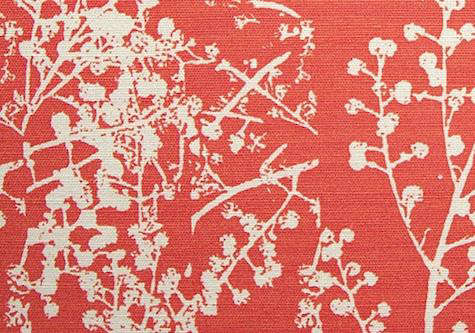
Other designs include floral and botanical impressions such as Marguerite, Branchage, Mimosa, and Vanille. These names alone sound like a picnic hosted by a very stylish botanist. But the designs are not sugary. They often use contrast, negative space, and softened colors to create movement without visual noise.
Why Botanical Prints Work So Well at Home
Botanical fabrics have a special advantage: they bring nature indoors without requiring anyone to keep another plant alive. A branch print can make a room feel calmer. A floral motif can soften clean-lined furniture. A leaf pattern can add rhythm to a neutral palette. Picquier’s botanical prints are especially useful because they feel grown-up. They are not cartoon flowers. They are not tropical leaves yelling from across the room. They are more like nature with excellent manners.
How to Use Dominique Picquier Fabrics in Interiors
Dominique Picquier fabrics are versatile because they can act as either the main character or the clever supporting role. The key is balance. If the room already contains patterned rugs, artwork, books, and a dog with strong opinions, use Picquier textiles in smaller doses. If the room is minimal, let the fabric carry more visual weight.
1. Curtains That Filter Light Beautifully
Linen and cotton-linen fabrics are excellent for curtains because they interact with daylight. A printed panel can look different in the morning, afternoon, and evening. In a Parisian-style room, this is exactly the point. Light should not simply enter the room; it should arrive with a little drama.
For a clean look, choose long panels with simple hardware. Let the fabric fall naturally. Avoid over-styling. The charm of linen is that it does not want to look ironed into submission. A little movement is part of the appeal.
2. Pillows With Personality
Throw pillows are the gateway textile. They are low commitment, high impact, and much easier to move than a sofa when you realize “bold orange” was a seasonal emotion. Dominique Picquier prints work beautifully on pillows because the patterns have enough detail to reward close looking.
Try pairing one botanical print with one solid linen and one small geometric pattern. This creates a layered look without making the sofa resemble a fabric sample sale that got into a fight.
3. Upholstery for Quiet Statement Pieces
A bench, slipper chair, dining chair seat, or small ottoman can become memorable with the right fabric. Picquier’s more graphic patterns can make a compact piece feel custom. For large upholstery pieces, choose a more restrained colorway and let the texture do part of the work.
The best approach is to match scale to furniture. Large patterns need room to breathe. Small patterns are easier on narrow seats or cushions. When in doubt, order a sample and stare at it in your room at different times of day. This is not indecision. This is textile science with snacks.
4. Table Linens for Everyday Elegance
French homes often understand something many busy households forget: a table can look beautiful even on an ordinary weekday. A printed runner, napkins, or simple cloth can transform scrambled eggs into “breakfast in a charming apartment,” even if the apartment currently contains laundry on a chair.
Dominique Picquier-inspired table styling works best when relaxed. Use stoneware, clear glass, mismatched vintage plates, or matte ceramics. Add flowers if available. If not, a bowl of lemons will do. Lemons are the interns of styling: inexpensive, cheerful, and always willing.
Why Linen Still Feels Modern
Linen has survived centuries of changing taste because it solves real design problems. It is breathable, tactile, durable, and visually forgiving. It wrinkles, yes, but in a way that says “I summer in Provence,” not “I lost a wrestling match with the dryer.” This is why linen remains popular in bedding, curtains, upholstery, napkins, and relaxed luxury interiors.
In modern homes, linen helps reduce the coldness of hard surfaces. Many interiors now include stone counters, metal fixtures, glass, tile, and smooth painted walls. Linen adds irregularity. It gives the eye something human to rest on. A linen curtain or cushion says, gently, “People live here. They may even read books.”
Dominique Picquier’s work benefits from linen’s natural character. The fiber supports her softened colors and botanical marks. It does not flatten the design. Instead, the texture becomes part of the pattern, like paper grain in a drawing.
Dominique Picquier and the Art of Color Restraint
Color is where many interiors lose their nerve. People either choose everything in gray because it feels safe, or they panic-buy five accent colors and end up living inside a smoothie. Picquier’s palette offers a better path: muted colors with depth.
Khaki, olive, blue, anthracite, cream, and softened orange are not trendy in a disposable way. They are colors with roots. They work with wood, plaster, stone, rattan, leather, steel, and painted furniture. They also age well. A muted botanical print can remain relevant long after louder seasonal patterns have been quietly donated.
How to Build a Room Around One Fabric
Start with a Dominique Picquier fabric sample and identify three colors inside it: the background color, the main motif color, and a tiny accent. Use the background color for walls or large upholstery, the motif color for supporting textiles, and the accent for small objects such as ceramics, books, or lampshades.
This method makes the room feel connected without looking overly matched. Matching everything perfectly is the fastest route to making a home feel like a catalog page where no one is allowed to spill coffee.
Where the Brand Fits in American Design Taste
American interiors have increasingly embraced natural materials, artisan textiles, and rooms that feel collected rather than decorated in one shopping trip. Dominique Picquier’s fabrics fit this movement beautifully. They appeal to homeowners and designers who want pattern but not clutter, European charm but not cliché, and natural fibers that look sophisticated without feeling precious.
In the United States, trade showrooms such as Studio Four NYC have helped connect designers with international textile lines, including European makers and small-batch producers. That bridge matters because many American homeowners are looking beyond standard retail fabrics toward textiles with stronger stories, more texture, and less sameness.
Dominique Picquier’s work also aligns with the wider popularity of slow interiors: spaces built over time with durable materials, meaningful objects, and fewer disposable design choices. Her textiles do not scream “trend.” They suggest taste, patience, and maybe a person who knows how to choose cheese.
Practical Styling Tips for Fabrics and Linens
Mix Prints With Solids
Let one printed fabric lead and support it with solids in linen, cotton, wool, or velvet. This keeps the room from becoming too busy while allowing the print to shine.
Use Texture as a Neutral
Natural linen, woven cotton, leather, cane, and raw wood can function like quiet background music. They add depth without demanding attention.
Repeat Color, Not Pattern
A room feels cohesive when colors repeat, not when every pattern matches. Pull olive from a leaf print into a vase, a lampshade, or a book spine. Small echoes make the space feel intentional.
Embrace Imperfection
Linen wrinkles. Handmade-looking patterns vary. Natural fibers shift with use. These are not flaws; they are evidence that the room is alive. Perfect rooms are suspicious. They look like nobody has ever eaten toast in them.
Experience Notes: Living With Fabrics Inspired by Dominique Picquier in Paris
The experience of choosing fabrics in the spirit of Dominique Picquier begins before anything is sewn. It starts with touch. You hold a linen or cotton-linen sample and immediately understand why online photos are never enough. The fabric has weight, grain, and movement. It bends differently from synthetic cloth. It has a dry, honest texture that makes you want to place it near wood, ceramics, and daylight.
Imagine walking through Paris with a textile sample tucked into a notebook. The city itself becomes a mood board. The green of a park bench suddenly resembles an olive print. A stone building suggests warm gray linen. Fallen leaves near a curb explain why ginkgo motifs work so well: they are graphic but not aggressive, decorative but not fussy. Paris teaches the eye to appreciate details that do not shout. A balcony railing, a zinc tabletop, a florist’s bucket, a faded awningeach has a texture story.
At home, the real test begins. A fabric that looks beautiful in isolation must cooperate with actual life. It has to sit beside a lamp, a stack of mail, a favorite chair, a dog bed, and whatever mysterious cables live near the wall. This is where Dominique Picquier-style textiles perform well. Their colors are softened enough to blend with ordinary surroundings, while their botanical patterns add lift. A cushion in a branch print can make a plain sofa feel considered. A linen curtain can turn harsh afternoon light into something softer and more cinematic.
One of the most satisfying uses is at the table. A natural linen cloth or runner changes the tempo of a meal. The food does not need to be fancy. Soup, bread, salad, and a printed napkin can feel more generous than an elaborate dinner served on a bare surface. Textiles slow things down. They invite touch. They absorb sound. They make a room feel less like a container and more like a place where life is happening.
There is also a learning curve. Good linen does not behave like plastic-coated perfection. It creases. It softens. It may look more relaxed after washing. The trick is to stop fighting it. Once you accept linen’s natural personality, the room becomes easier. You stop chasing showroom smoothness and start enjoying atmosphere.
For anyone decorating with Dominique Picquier in mind, the best experience is gradual. Start with one pillow, one table textile, or one length of fabric for a small curtain. Watch how it changes the room. Notice whether the color feels calm in the morning and warm at night. Let the fabric earn more space. That is the Parisian lesson: elegance is not always about buying more. Sometimes it is about choosing one beautiful thing and giving it room to breathe.
Conclusion: The Quiet Power of Dominique Picquier’s Fabrics and Linens
Dominique Picquier’s Paris-based textile world proves that fabric can be both practical and poetic. Her work brings together French craft, natural fibers, botanical design, softened color, and a refined sense of livability. These fabrics are not designed for rooms that want to impress for five minutes and exhaust everyone by dinner. They are for interiors that want atmosphere, texture, memory, and charm.
Whether used as curtains, cushions, upholstery, table linens, or decorative accents, Dominique Picquier fabrics offer a way to bring nature into the home without losing urban sophistication. They remind us that good design often lives in the details: the fall of linen, the curve of a leaf, the quiet shade of khaki, the print that makes a chair feel like it has a passport.
In a world full of fast décor and copy-paste interiors, Dominique Picquier’s fabrics feel refreshingly personal. They are proof that a room does not need to be loud to be unforgettable. Sometimes all it needs is linen, light, and one very well-behaved ginkgo leaf.
Note: This article is an original, publish-ready synthesis based on verified public information about Dominique Picquier, French textile craft, linen interiors, Parisian decorative style, and natural-fiber home design. No source links or citation placeholders have been inserted, as requested.