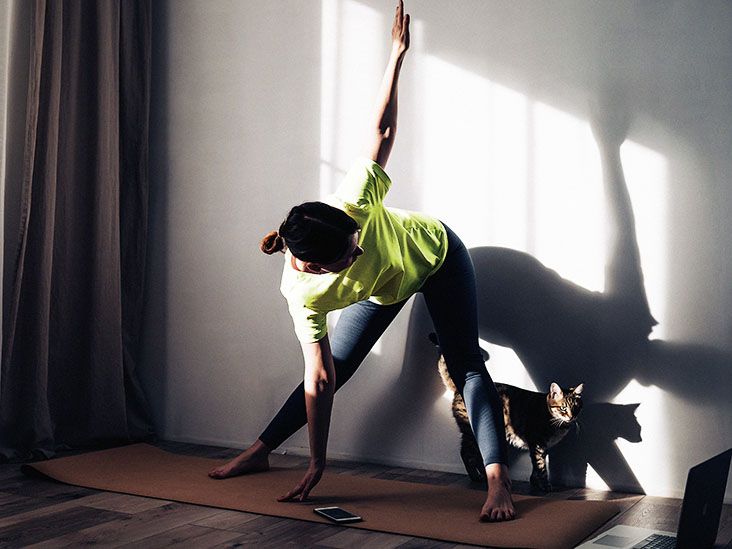
Good digestion is not just about what lands on your plate. It is also about what happens after the fork goes down. Your digestive system is a hard-working, slightly dramatic production crew: the stomach breaks things down, the intestines move things along, the gut bacteria throw their tiny fermentation party, and the nervous system keeps calling the shots from behind the curtain. Exercise can help this whole operation run more smoothly.
That does not mean you need to sprint after dinner like you are being chased by your grocery receipt. In fact, gentle movement often works best. Yoga, stretching, walking, and breathing exercises can support digestion by encouraging healthy gut motility, reducing stress, easing bloating, improving posture, and helping the body shift away from “fight-or-flight” mode and into “rest-and-digest” mode.
This guide explains how exercise for digestion works, which movements are most useful, when to do them, and how to build a simple gut-friendly routine that does not require fancy equipment, a gym membership, or leggings that cost more than your monthly internet bill.
Why Exercise Helps Digestion
Digestion depends on movement. Inside the gut, rhythmic muscle contractions called peristalsis help move food and waste through the digestive tract. When the body is sedentary for long periods, that internal movement may slow down, especially in people prone to constipation, bloating, or sluggish bowel habits.
Regular physical activity can help improve stool movement through the colon, support bowel regularity, and reduce some digestive discomforts. It may also help with irritable bowel syndrome symptoms in some people, especially when exercise is moderate, consistent, and paired with stress management.
The Gut-Brain Connection Matters
Your gut and brain communicate constantly through the nervous system, hormones, and immune signals. This is why stress can cause stomach cramps, nausea, constipation, diarrhea, or that mysterious “my belly has opinions” feeling before a big meeting. Gentle exercise can reduce stress hormones and calm the nervous system, which may help the digestive system function more comfortably.
Breathing exercises, yoga, and slow walking are especially helpful because they encourage relaxation. When the body feels safe, digestion tends to get better working conditions. Think of it as giving your gut a quiet office instead of asking it to finish paperwork in the middle of a marching band rehearsal.
Walking for Digestion: The Easiest Place to Start
Walking is one of the simplest and most effective digestive exercises. It is low-impact, beginner-friendly, free, and does not require you to fold yourself into a human pretzel. A short walk after meals can help stimulate stomach and intestinal activity, reduce post-meal heaviness, and support blood sugar control.
How Walking After Eating Helps
A gentle post-meal walk may support gastric emptying, which is the process of moving food from the stomach into the small intestine. It can also help reduce the uncomfortable “food brick” feeling that sometimes follows a large meal. Walking keeps the body upright, which may also be helpful for people who experience mild reflux after eating.
For many people, a 10- to 15-minute walk after lunch or dinner is enough to feel a difference. The goal is not speed. You should be able to talk while walking. If you are gasping, sweating dramatically, and questioning your life choices, slow down.
Best Walking Routine for Digestion
Try this simple walking routine:
- After breakfast: Walk for 5 to 10 minutes to wake up the body and gently start the digestive system.
- After lunch: Walk for 10 to 15 minutes to reduce sluggishness and avoid the classic afternoon desk slump.
- After dinner: Walk for 10 to 20 minutes at an easy pace to support digestion before bedtime.
If you cannot walk after every meal, choose the meal that usually leaves you feeling the most bloated or heavy. For many people, that is dinner. For others, it is lunchthe meal that somehow turns a productive human into a sleepy office plant.
Yoga for Digestion: Gentle Poses That Support the Gut
Yoga combines movement, stretching, breathing, and relaxation, making it a strong choice for digestive wellness. Certain yoga poses may help release abdominal tension, improve posture, reduce stress, and encourage gentle movement through the digestive tract.
It is important to be realistic: yoga does not “detox” the body in a magical overnight way. Your liver and kidneys already handle detoxification like professionals. But yoga can help your body feel calmer, less tense, and more comfortable, which is excellent news for digestion.
1. Cat-Cow Pose
Cat-Cow is a gentle spinal movement performed on hands and knees. As you inhale, you drop the belly slightly and lift the chest. As you exhale, you round the back like a stretching cat who has never paid rent but owns the house.
This movement gently massages the abdomen, improves spinal mobility, and helps connect breathing with movement. Try 8 to 12 slow rounds before or after meals, but avoid deep compression immediately after a very large meal.
2. Seated Spinal Twist
A seated twist may help relieve stiffness in the back and create gentle abdominal compression. Sit tall with both feet on the floor or legs crossed. Place one hand on the opposite knee and rotate gently from the rib cage. Hold for 3 to 5 slow breaths, then switch sides.
Do not force the twist. Your digestive organs do not need to be wrung out like a wet towel. A mild, comfortable rotation is enough.
3. Child’s Pose
Child’s Pose is a relaxing yoga posture that can calm the nervous system and gently stretch the back, hips, and abdomen. Kneel on the floor, sit back toward your heels, and fold forward with your arms extended or resting beside your body.
If your belly feels compressed, widen your knees to make space. Rest for 30 seconds to 2 minutes while breathing slowly into your ribs and belly.
4. Wind-Relieving Pose
Yes, that is a real name. Yoga is peaceful, but it is also honest. Wind-Relieving Pose involves lying on your back and drawing one or both knees toward your chest. This can gently compress the abdomen and may help ease gas pressure.
Hold for 20 to 30 seconds while breathing naturally. If pulling both knees in feels uncomfortable, try one knee at a time.
5. Legs Up the Wall
Legs Up the Wall is a restorative pose that may help the body relax after a long day. Lie on your back with your legs resting vertically against a wall. Keep your hips a few inches away from the wall if your hamstrings feel tight.
This pose is not about forcing digestion. It is about calming the nervous system, easing tension, and encouraging the body to settle down. Try it for 5 to 10 minutes in the evening, especially if stress is one of your digestive triggers.
Stretching for Digestion: Small Movements, Big Relief
Stretching can support digestion by improving posture, reducing muscle tension, and helping the abdomen and diaphragm move more freely. Many people spend hours sitting, which can compress the belly and shorten the hip flexors. Over time, this posture may contribute to discomfort, shallow breathing, and that stiff “folded laptop” feeling.
Standing Side Stretch
Stand tall with your feet hip-width apart. Reach one arm overhead and lean gently to the opposite side. Breathe into the side ribs for 3 to 5 breaths, then switch sides.
This stretch opens the rib cage and waist, giving the diaphragm more room to move. Since the diaphragm plays a role in breathing mechanics and abdominal pressure, better movement here can support a calmer digestive state.
Low Lunge Stretch
A low lunge stretches the hip flexors, which often become tight from sitting. Step one foot forward, lower the back knee, and gently shift the hips forward while keeping the chest lifted. Hold for 20 to 30 seconds per side.
When the hips and lower back loosen up, many people feel less abdominal tension. It is not magicit is basic body mechanics with a side of “wow, I really do sit too much.”
Supine Twist
Lie on your back, bring your knees toward your chest, and let them fall gently to one side. Keep both shoulders relaxed toward the floor. Hold for 30 seconds, then switch sides.
This is a useful evening stretch for people who feel bloated, tense, or restless after dinner. Keep it gentle and avoid twisting aggressively after a heavy meal.
Breathing Exercises for Digestion
Breathing may seem too simple to matter, but it can have a powerful effect on digestion. Slow, controlled breathing helps activate the parasympathetic nervous system, commonly known as the “rest-and-digest” system. When this system is active, the body is better positioned to digest, absorb, and eliminate.
Diaphragmatic Breathing
Diaphragmatic breathing, also called belly breathing, teaches you to use the diaphragm more fully. This can reduce tension, improve breathing efficiency, and create gentle movement in the abdomen.
Try this technique:
- Lie down or sit comfortably with one hand on your chest and one hand on your belly.
- Inhale slowly through your nose and let your belly rise.
- Exhale gently through your mouth and let your belly fall.
- Keep the chest relatively quiet while the lower ribs and belly move.
- Repeat for 3 to 5 minutes.
This exercise is especially useful before meals if stress affects your digestion. It tells your body, “We are not being chased by a bear. We are just eating soup.”
Box Breathing
Box breathing is a simple relaxation method. Inhale for 4 counts, hold for 4 counts, exhale for 4 counts, and hold again for 4 counts. Repeat for 1 to 3 minutes.
Use box breathing when digestive symptoms seem linked to anxiety, rushing, or emotional overload. If holding the breath feels uncomfortable, shorten the count or skip the hold.
Extended Exhale Breathing
Another calming option is to make the exhale longer than the inhale. Try inhaling for 4 counts and exhaling for 6 counts. Longer exhales can help downshift the nervous system and promote relaxation.
The Best Time to Exercise for Digestion
Timing matters. A gentle walk after a meal can be helpful, but intense exercise right after eating may cause cramps, nausea, reflux, or that unfortunate sensation that your burrito is now doing gymnastics.
Before Meals
Before meals, try breathing exercises or a few light stretches. This can help reduce stress and prepare the body for digestion. It is especially useful for people who eat quickly, eat while working, or arrive at meals feeling tense.
After Meals
After meals, choose gentle movement. A slow walk is usually better than high-intensity training. Save running, heavy lifting, intense cycling, or vigorous core workouts for later, when your stomach has had more time to empty.
Before Bed
In the evening, restorative yoga, light stretching, and slow breathing can help the body relax. This may be helpful because sleep and digestion are closely connected. Poor sleep can affect appetite, gut function, stress hormones, and food choices the next day.
A 20-Minute Digestive Exercise Routine
Here is a simple routine you can try when your stomach feels heavy, your body feels stiff, or your digestion needs a friendly nudge.
Step 1: Belly Breathing 3 Minutes
Sit or lie down comfortably. Breathe into the belly and lower ribs. Keep your jaw, shoulders, and hands relaxed.
Step 2: Cat-Cow 2 Minutes
Move slowly with the breath. Inhale as the chest opens, exhale as the spine rounds.
Step 3: Child’s Pose 2 Minutes
Rest and breathe deeply. Widen the knees if your abdomen needs more space.
Step 4: Supine Twist 4 Minutes
Hold each side for about 2 minutes. Keep the twist comfortable and easy.
Step 5: Wind-Relieving Pose 3 Minutes
Draw one knee at a time toward the chest, then both knees if that feels good.
Step 6: Easy Walk 6 Minutes
Finish with a gentle walk around your home, yard, office, or neighborhood. No speed record required. Your digestive system is not impressed by drama.
Common Mistakes to Avoid
Doing Too Much Too Soon
If you are new to exercise, start small. A 5-minute walk is a valid beginning. So is 2 minutes of breathing. Consistency matters more than intensity.
Exercising Hard Right After Eating
High-intensity workouts after a large meal can trigger digestive discomfort. Let your body digest before asking it to perform burpees. Your stomach did not sign that contract.
Ignoring Pain or Warning Signs
Exercise should not cause severe abdominal pain, chest pain, dizziness, vomiting, blood in the stool, unexplained weight loss, or persistent changes in bowel habits. If these symptoms occur, contact a healthcare professional.
Expecting One Pose to Fix Everything
Digestive health is influenced by food, hydration, fiber intake, sleep, stress, medications, medical conditions, and activity level. Exercise is powerful, but it is part of a bigger picture.
Who Should Be Careful?
Most gentle digestive exercises are safe for many people, but some situations require extra caution. If you are pregnant, recovering from surgery, managing a hernia, living with inflammatory bowel disease, experiencing severe reflux, or dealing with a heart or lung condition, ask a healthcare professional which activities are safe for you.
People with diabetes who use insulin or medications that can lower blood sugar should also be mindful of exercise timing and blood sugar levels, especially around meals.
How to Build a Gut-Friendly Movement Habit
The best exercise for digestion is the one you will actually do. You do not need a perfect routine. You need a repeatable one.
Try linking movement to habits you already have:
- After breakfast, walk to the mailbox or around the block.
- After lunch, do 5 minutes of standing stretches before returning to your desk.
- Before dinner, take 10 slow breaths to reduce stress eating.
- Before bed, do Child’s Pose or Legs Up the Wall for 5 minutes.
Small actions build momentum. Over time, your body learns the rhythm: eat, move gently, breathe, relax, repeat. It is less glamorous than a miracle cure, but much more reliable.
Personal Experiences and Real-Life Examples: What Digestive Exercise Feels Like in Practice
People often imagine digestive exercise as a strict wellness routine involving sunrise yoga, green juice, and a person who says “namaste” with suspiciously perfect posture. Real life is usually messier. Sometimes digestive exercise means walking around the kitchen while the dishwasher hums. Sometimes it means stretching in sweatpants while your dog judges your form. Sometimes it means taking five slow breaths before eating because your inbox has turned into a tiny haunted house.
One common experience is the difference a short post-meal walk can make after dinner. Many people notice that when they sit immediately after eating, especially after a heavier meal, they feel bloated, sleepy, or overly full. But when they take a slow 10-minute walk, the meal seems to “settle” more comfortably. The walk does not need to be impressive. A gentle loop around the block, a few laps through the hallway, or a stroll in the backyard can be enough to reduce that stuck, heavy feeling.
Another useful experience involves breathing before meals. People who eat under stress often swallow air, chew quickly, and barely notice fullness signals until the stomach sends an angry memo. Practicing diaphragmatic breathing for two or three minutes before eating can change the tone of the meal. The shoulders drop. The jaw softens. The pace slows. Food becomes easier to enjoy, and digestion may feel less chaotic afterward.
Yoga and stretching can also be surprisingly practical. For example, someone who sits at a desk all day may feel bloated in the afternoon, not only because of lunch but also because of posture. Sitting folded forward compresses the abdomen and encourages shallow breathing. A standing side stretch, a low lunge, and a few rounds of Cat-Cow can make the torso feel more open. The result is not instant superhero digestion, but it often creates noticeable relief from stiffness and pressure.
For people who deal with occasional gas, Wind-Relieving Pose can feel both helpful and hilarious. It is hard to take yourself too seriously while lying on your back hugging your knees. That may be part of the benefit. The pose encourages gentle abdominal pressure, but it also helps people relax. And relaxation is not a small thing when it comes to gut comfort.
Evening routines can be especially helpful for digestion and sleep. A simple combination of a slow walk after dinner, light stretching, and five minutes of extended-exhale breathing can create a clear transition between the busy part of the day and rest. This matters because digestion does not love chaos. It prefers rhythm, calm, hydration, and meals that are not eaten while standing over the sink like a raccoon with a mortgage.
The biggest lesson from real-life practice is that digestive exercise works best when it feels doable. Nobody needs to perform a 60-minute yoga class every night. A few minutes of movement after meals, a few stretches during the workday, and a few calming breaths before eating can add up. The routine should feel like support, not punishment. Your gut is not asking for a boot camp. It is asking for cooperation.
If you are building your own routine, start with one habit for one week. Walk for 10 minutes after dinner. Or do belly breathing before lunch. Or stretch every time you finish a long work session. Notice how your body responds. Track bloating, bowel habits, energy, stress, and comfort. Then adjust. The best digestive routine is not the most complicated oneit is the one your body likes and your schedule allows.
Conclusion
Exercise for digestion does not have to be intense, intimidating, or complicated. Gentle walking, yoga, stretching, and breathing exercises can support gut motility, ease tension, reduce stress, and help the body shift into a calmer digestive state. A short walk after meals, a few yoga poses in the evening, or three minutes of belly breathing before eating may seem small, but these habits can make digestion feel smoother and more comfortable over time.
The key is consistency. Start gently, listen to your body, and choose movements that feel supportive rather than stressful. When paired with enough water, balanced meals, fiber-rich foods, good sleep, and medical care when needed, exercise becomes one of the simplest tools for better digestive wellness. Your gut may not send a thank-you card, but with fewer grumbles and less bloating, it will probably find a way to express appreciation.
Note
This article is for educational purposes only and does not replace medical advice. Anyone with severe, persistent, or unusual digestive symptoms should speak with a qualified healthcare professional.