You know that moment: you’re finally in bed, lights off, phone down, and suddenly your stomach decides it’s auditioning for a drum solo.
Should you eat? Should you not? Should you just whisper “be quiet” to your digestive system and hope for the best?
The truth is simple: what you eat before bed, when you eat it, and how much you eat can either support deep sleep or sabotage it.
This guide breaks down the best foods before bed for sleep, the bedtime snacks to avoid, and the timing strategies that help you fall asleep faster and stay asleep longer.
You’ll also get practical examples, a 7-day snack plan, and a real-world “experience section” at the end so you can see how small changes play out in everyday life.
If your goal is better sleep without weird hacks, this is your playbook.
Why Bedtime Food Choices Matter More Than People Think
Sleep isn’t just about closing your eyes and hoping your brain cooperates. It’s a full-body process involving blood sugar stability, hormone signaling, digestion, and nervous system activity.
That means a bedtime snack can helpor hurtdepending on what lands on your plate.
1) Blood sugar swings can wake you up at night
Sugary snacks may help you get sleepy quickly, then boomerang into nighttime wakeups when blood sugar drops.
A more balanced snack (carb + protein + a little healthy fat) tends to provide steadier overnight energy and fewer 2 a.m. fridge negotiations.
2) Some nutrients support sleep pathways
Foods containing tryptophan, magnesium, melatonin, or sleep-supportive antioxidants may help your body transition into sleep mode.
Think of these as gentle nudges, not knockout pills.
3) Digestion can either calm or disturb your night
Huge meals, greasy foods, and spicy dishes close to bedtime can trigger reflux and discomfort, which is not exactly the vibe for quality sleep.
A lighter, easy-to-digest evening approach usually works better.
4) Timing is the hidden variable
Even healthy food can backfire if eaten too late in too-large portions.
For most people, a light snack 60–120 minutes before bed is a sweet spot, while heavy meals should finish about 3 hours before lights out.
Best Foods to Eat Before Bed for Better Sleep
Here are the top sleep-friendly choices, why they work, and how to eat them in the real world.
No rare ingredients. No moon dust. Just practical bedtime foods.
1) Kiwifruit
Kiwi is one of the most talked-about bedtime fruits for a reason.
Small studies suggest eating kiwi regularly before bed may improve sleep onset, duration, and efficiency.
It also brings vitamin C, antioxidants, and fiber to the party.
How to eat it: 1–2 kiwis about 1 hour before bedtime.
Bonus points if you pair with a spoonful of yogurt for extra protein.
2) Tart cherry juice (or tart cherries)
Tart cherries naturally contain melatonin and polyphenols.
Research on adults with insomnia has found modest sleep improvements with tart cherry beverages.
It’s not magic, but it can be a useful tool in a broader sleep routine.
How to eat it: 4–8 oz tart cherry juice, 1–2 hours before bed.
Choose unsweetened versions when possible.
3) Greek yogurt with berries
Greek yogurt gives you protein, including casein (slow-digesting), and minerals like calcium.
Berries add fiber and antioxidants without a sugar avalanche.
This combo is satisfying and gentle enough for late evening.
How to eat it: 1/2 to 3/4 cup plain Greek yogurt + a small handful of berries.
Keep it light, not dessert-sized.
4) Banana with nut butter
Bananas offer carbs and potassium; nut butter adds fat and a little protein.
Together they can curb hunger and help you avoid waking up hungry at 3 a.m. thinking you deserve pancakes.
How to eat it: Half a banana + 1 tablespoon almond or peanut butter.
If you’re very sensitive to fullness at night, start with a smaller portion.
5) Oatmeal made with milk
Oats are warm, comforting, and easy to digest for many people.
Milk adds protein and naturally occurring tryptophan.
This option is especially helpful in colder months when your body wants “cozy fuel.”
How to eat it: Small bowl (about 1/2 cup cooked oats) with milk and a sprinkle of cinnamon.
Avoid heavy sweeteners late at night.
6) Cottage cheese or ricotta with fruit
Cottage cheese and ricotta are protein-dense and low in added sugar.
Pairing them with sliced pear, berries, or kiwi creates a balanced bedtime snack that’s filling without being heavy.
How to eat it: 1/2 cup cottage cheese + a few fruit slices.
Keep portion sizes moderate.
7) Whole-grain crackers with turkey
Turkey is often associated with tryptophan, and pairing it with whole-grain crackers provides carbs that may support tryptophan’s pathway into the brain.
It’s a practical savory option for people who dislike sweet snacks.
How to eat it: 2–3 whole-grain crackers + 1–2 slices lean turkey.
Add cucumber for crunch if you like.
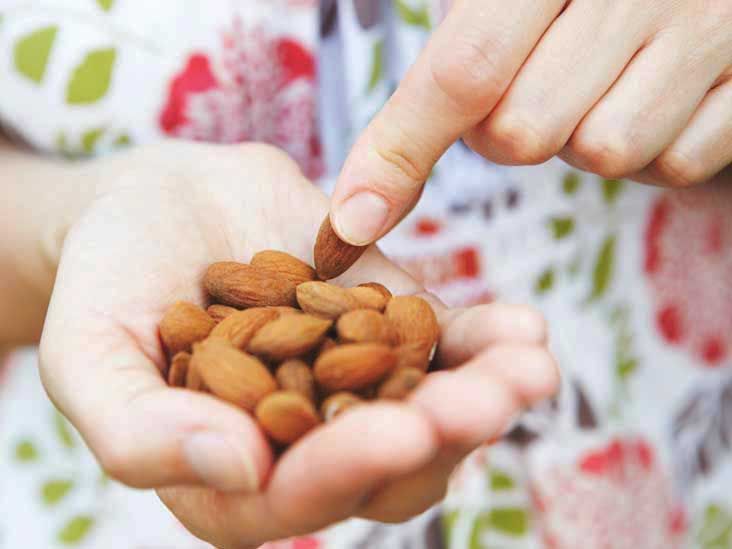
8) Nuts (almonds, walnuts, pistachios)
Nuts provide healthy fats, magnesium, and a bit of protein.
Walnuts also contain melatonin.
The key is portion controlnuts are nutrient-rich and calorie-dense.
How to eat it: A small handful (about 1 ounce).
Don’t turn “small handful” into “accidental family-size bag.”
9) Fatty fish at dinner (salmon, trout, sardines)
If you eat dinner a few hours before bed, fatty fish can be a smart sleep-supportive choice thanks to omega-3 fats and vitamin D.
It’s less of a “midnight snack” and more of a strategic evening meal choice.
How to eat it: 3–5 oz fish at dinner, with vegetables and whole grains.
Keep late-night snacking minimal afterward.
10) Herbal tea plus a small protein-carb snack
Decaf herbal teas can support a calming bedtime ritual.
Pair tea with a tiny snacklike yogurt, crackers with cheese, or fruit with nutsto avoid going to bed hungry.
Ritual matters: consistency helps cue your body for sleep.
How to eat it: 1 cup caffeine-free herbal tea + one small balanced snack.
Skip caffeinated teas at night.
Foods and Drinks to Avoid Right Before Bed
“Eat before bed” does not mean “eat anything before bed.”
These choices are common sleep disruptors:
Caffeine (coffee, energy drinks, strong tea, cola, chocolate in large amounts)
Caffeine can linger for hours and reduce total sleep time.
If you’re sensitive, cut it earlier than you thinkoften afternoon is safer than evening.
Alcohol
Alcohol may make you sleepy at first, then fragment sleep later.
It can worsen snoring and reduce restorative sleep quality.
Heavy, greasy, or spicy meals
These can trigger reflux, bloating, or discomfort when you lie down.
Your brain can’t deep-sleep while your stomach is filing complaints.
Large sugary desserts
Big sugar loads can produce blood sugar rollercoasters and nighttime awakenings.
Choose a smaller, balanced snack instead.
Too much fluid right before bed
Hydration is good. Midnight bathroom marathons are less good.
Front-load fluids earlier in the evening.
The Ideal Bedtime Snack Formula (Simple and Repeatable)
Use this formula and you’ll avoid 90% of late-night food mistakes:
- Timing: Snack 60–120 minutes before bed.
- Size: Keep it light (roughly 150–250 calories, depending on your needs).
- Balance: Combine a complex carb + protein + small healthy fat.
- Digestibility: Low spice, moderate fiber, low greasiness.
- Consistency: Keep a similar routine nightly for better circadian signaling.
Good examples:
- Greek yogurt + berries
- Oatmeal + milk + cinnamon
- Whole-grain crackers + turkey or cheese
- Banana + almond butter
- Kiwi + cottage cheese
7-Day Sleep-Friendly Bedtime Snack Plan
If decision fatigue hits hardest at night, this mini plan helps:
Day 1
Plain Greek yogurt + blueberries.
Day 2
1 kiwi + 1 ounce walnuts.
Day 3
Small bowl oatmeal with milk and cinnamon.
Day 4
Whole-grain crackers + lean turkey slices.
Day 5
Half banana + peanut butter.
Day 6
Cottage cheese + sliced pear.
Day 7
Tart cherry juice (small glass) + a few almonds.
Repeat what works, swap what doesn’t, and track results for 10–14 nights.
Sleep nutrition is personal: your best bedtime snack is the one your body likes and your routine can sustain.
Common Mistakes (and Fast Fixes)
Mistake: “Healthy” but huge portions
Fix: Keep portions modest. A light snack beats a second dinner.
Mistake: Eating too close to lights out
Fix: Give digestion at least 60 minutes before bed.
Mistake: Trying five new foods at once
Fix: Change one variable every few nights so you know what actually helps.
Mistake: Ignoring caffeine timing
Fix: Move caffeine earlier in the day and compare sleep latency over one week.
Mistake: Expecting food alone to solve chronic insomnia
Fix: Pair nutrition with full sleep hygiene: consistent schedule, dim lights at night, cool/dark room, and stress management.
If sleep issues persist, talk with a clinician.
Who Should Personalize Bedtime Snacks with Extra Care
- People with reflux/GERD: Avoid acidic, spicy, and high-fat late meals.
- People with diabetes: Favor balanced snacks and monitor glucose trends.
- People with kidney disease: Confirm potassium/phosphorus choices with a care team.
- People with food allergies: Use safe substitutions and check labels carefully.
- Shift workers: Keep meal timing as consistent as possible on work and off days.
Bottom line: bedtime nutrition is not one-size-fits-all.
Personalization beats perfection.
Final Takeaway
If you want a good night’s sleep, don’t overcomplicate it.
Choose a small, balanced, easy-to-digest bedtime snack when you’re genuinely hungry.
Prioritize foods like kiwi, tart cherries, yogurt, oats, nuts, and protein-carb pairings.
Avoid caffeine, alcohol, heavy meals, and sugar bombs close to bedtime.
The best strategy is consistency: same sleep window, same wind-down ritual, and repeatable snack choices.
Give your body 1–2 weeks to adapt.
Better sleep is usually built, not discovered in one dramatic midnight bite.
Experience Section (About ): What People Notice When They Change Bedtime Foods
Over time, a clear pattern appears in real-life sleep routines: the people who sleep better aren’t usually the ones chasing the most complicated protocol.
They’re the ones who quietly fix nighttime eating habits and stick to them long enough to see results.
Here are practical experience-based patterns that show up again and again.
First, people who replace “random late-night snacking” with a planned snack almost always report less bedtime anxiety.
There’s a mental relief in knowing, “If I’m hungry, I already have a good option.”
Instead of bouncing between chips, cookies, and refrigerator improvisation, they pick one repeatable snack such as yogurt and berries or kiwi and nuts.
Within a few days, many notice fewer nighttime wakeups and fewer “I’m starving at 1 a.m.” episodes.
The change feels small, but the sleep impact is surprisingly noticeable.
Second, timing matters more than expected.
Many people assume the food itself is the whole story, but moving the snack earlierabout 60 to 90 minutes before sleepoften helps just as much as changing ingredients.
When people stop eating right before lying down, they report less reflux, less bloating, and less tossing around trying to get comfortable.
One common theme: “I still eat at night, but now my body feels quieter when I go to bed.”
That quieter body usually means a quieter mind.
Third, caffeine surprises nearly everyone.
A lot of people believe afternoon coffee “doesn’t affect them,” then track sleep for 10 days and discover that earlier caffeine cutoffs reduce sleep latency.
They fall asleep faster, wake less often, and feel less groggy in the morning.
The funniest part is how often someone says, “I didn’t change my whole lifejust moved my second coffee earlier and stopped late chocolate.”
Sometimes a boring fix is the best fix.
Fourth, people who choose higher-protein bedtime snacks often wake up with steadier energy.
Instead of waking up ravenous, they wake up calm and can eat breakfast normally.
This is especially true for those who used to eat sugary desserts at night and experienced 2 a.m. wakeups.
Swapping dessert for a balanced snack doesn’t feel glamorous, but it can stabilize the night and make mornings less chaotic.
Fifth, people who track results brieflyjust two weekstend to stick with the habit long-term.
A simple note like “fell asleep in 20 minutes,” “woke once,” or “felt rested at 7 a.m.” creates immediate feedback.
Once they see progress, motivation stops depending on willpower.
The routine becomes automatic.
It’s no longer “I should eat better before bed.”
It becomes “This works for me, so I do it.”
Finally, one of the most useful experiences is realizing that bedtime nutrition is supportive, not magical.
Food helps, but it works best with basics: consistent sleep/wake time, a dark cool room, and a real wind-down routine.
People who combine all threesmart snack, smart timing, smart sleep hygienereport the biggest improvement.
No dramatic overhaul required.
Just steady choices repeated often enough to let biology do its job.