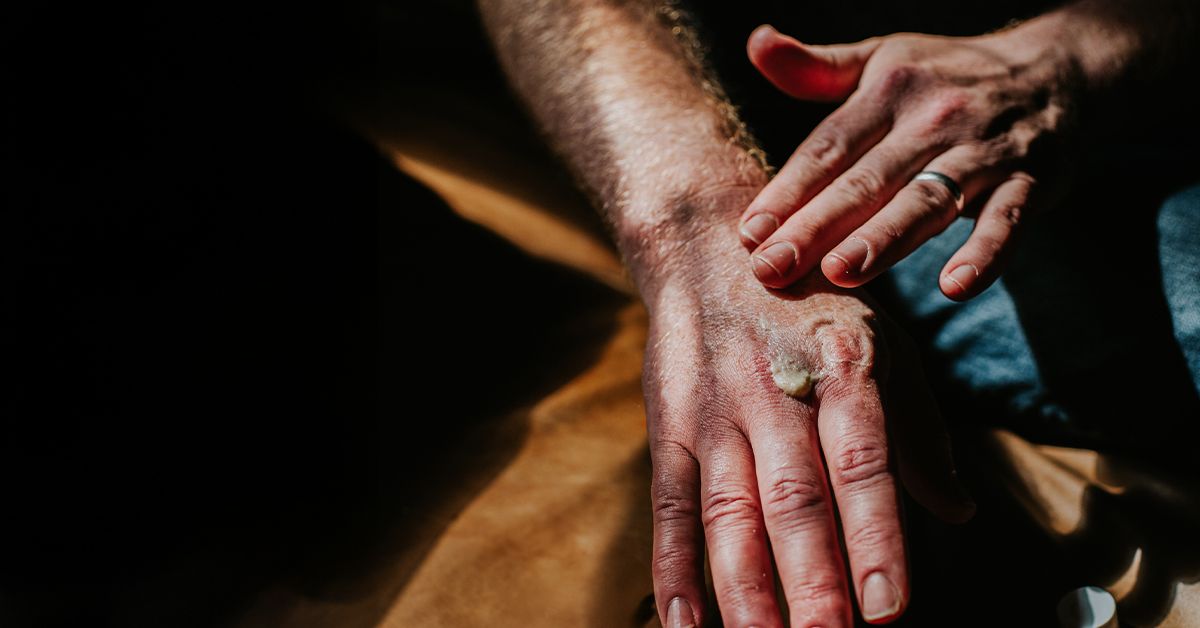
If your skin has ever decided to stage a dramatic performance right before an important meeting, a beach trip, or literally any event involving handshakes, you are not alone. Two conditions that regularly confuse peopleand sometimes even send them down a rabbit hole of “Is this allergies? Is this eczema? Is my hand soap plotting against me?”are dyshidrotic eczema and contact dermatitis.
At first glance, they can look like cousins who borrowed each other’s outfits. Both can itch, both can blister, both can turn everyday tasks into tiny personal betrayals. But they are not exactly the same condition, and understanding the differences matters. The more clearly you can tell them apart, the easier it becomes to figure out what is triggering your rash, what treatment may help, and when it is time to stop guessing and see a dermatologist.
In this guide, we will break down what dyshidrotic eczema and contact dermatitis are, how they overlap, where they part ways, and what real-life management looks like. Think of it as a skin detective storyminus the trench coat, plus moisturizer.
What Is Dyshidrotic Eczema?
Dyshidrotic eczema, also called pompholyx or dyshidrosis, is a type of eczema that usually affects the hands and feet. It is best known for causing tiny, deep-seated, intensely itchy blisters that often show up on the sides of the fingers, the palms, the soles, or the toes. The blisters can feel almost absurdly itchy at first, then later become dry, cracked, flaky, or sore as the flare settles down.
This condition tends to come and go. A person may have a rough few weeks, think the drama is over, and then get another flare when stress spikes, weather turns hot and humid, hands stay wet too often, or the skin gets irritated again. Some people also notice a link with sweating, metal sensitivity, or a personal history of eczema and allergies.
One major clue: dyshidrotic eczema usually stays loyal to the hands and feet. If a blistering rash pops up on your eyelids, neck, waistline, or under a smartwatch band, dyshidrotic eczema becomes less likely and another diagnosisespecially contact dermatitismoves up the list.
What Is Contact Dermatitis?
Contact dermatitis is a skin reaction that happens when the skin touches something it does not appreciate. That offending substance may be an irritant, such as detergents, soaps, solvents, or repeated wet work. Or it may be an allergen, such as nickel, fragrance, hair dye ingredients, rubber, preservatives, cosmetics, or poison ivy.
Unlike dyshidrotic eczema, contact dermatitis is not limited to the hands and feet. It can appear almost anywhere the trigger touchesor where it gets transferred. That is why some people break out on the earlobes from earrings, the underarms from deodorant, the wrists from watchbands, the eyelids from nail polish or shampoo residue, or the waistline from a metal belt buckle.
The rash may look red, swollen, dry, scaly, cracked, tender, burning, blistered, or all of the above if your skin is feeling especially theatrical. In irritant contact dermatitis, symptoms can show up fairly quickly after exposure. In allergic contact dermatitis, the rash may be delayed and appear hours to days later, which is one reason people often blame the wrong product.
How These Two Conditions Are Similar
Here is where the confusion begins: dyshidrotic eczema and contact dermatitis share plenty of overlap. Both can cause itching, redness, inflammation, blistering, scaling, cracking, and skin discomfort. Both can flare after exposure to irritating products. Both are capable of making handwashing sting like lemon juice in a paper cut. And both can seriously disrupt sleep, concentration, work, and mood.
They also overlap in management. In both cases, treatment often includes avoiding triggers, protecting the skin barrier, using moisturizers regularly, and calming inflammation with topical prescription medications when needed. Cool compresses, gentle cleansers, fragrance-free products, and a less-is-more skin-care routine are usually welcome guests at the treatment party.
To make things even trickier, a person can have both. Someone with dyshidrotic eczema may also react to nickel, fragrance, rubber gloves, or cleaning products. That overlap is one reason dermatologists sometimes recommend patch testing when the story is not straightforward.
Dyshidrotic Eczema vs. Contact Dermatitis: The Key Differences
1. Location
The biggest practical difference is location. Dyshidrotic eczema usually appears on the hands and feetespecially the palms, soles, sides of the fingers, and sides of the toes. Contact dermatitis can appear almost anywhere, usually matching the place where the trigger touched the skin.
Example: If you get itchy blisters on the sides of your fingers and palms every summer, dyshidrotic eczema is a strong possibility. If you get a rash under a ring, under a fitness tracker, or exactly where perfume lands on your neck, contact dermatitis becomes much more likely.
2. Cause
Dyshidrotic eczema does not have one single confirmed cause. It is considered a chronic inflammatory eczema pattern with triggers that may include stress, heat, sweating, moist hands and feet, metal sensitivity, irritants, or allergies. Contact dermatitis, on the other hand, is directly tied to skin exposure to an irritant or allergen.
So while dyshidrotic eczema may be influenced by contact triggers, contact dermatitis is defined by them. One is a recurring eczema condition with several possible triggers. The other is your skin filing a formal complaint against something it touched.
3. Look and Feel
Dyshidrotic eczema often produces tiny, deep blisters that look like tapioca pearls hiding under the skin. They can itch fiercely before the skin dries out, peels, and cracks. Contact dermatitis may be more varied: red patches, swollen skin, dry scaling, stinging, oozing, crusting, or blisters depending on the trigger and how intense the reaction is.
That said, both can blister. So appearance alone does not always solve the mystery. The pattern, location, and timing often matter more than one photo from your camera roll taken under suspicious bathroom lighting.
4. Timing
Dyshidrotic eczema often flares in cycles and may worsen during stress, hot weather, sweating, or repeated irritation. Contact dermatitis tends to have a clearer relationship to exposure. Irritant reactions may happen the same day or soon after repeated contact. Allergic contact dermatitis is famous for being fashionably late, sometimes showing up 24 to 72 hours after exposure.
That delay is why people often swear a product cannot be the problem because “I used it yesterday and looked fine.” Your immune system may simply have needed extra time to write its angry email.
5. Diagnosis
Both conditions are diagnosed through history and a skin exam, but the questions a clinician asks can change the entire picture. A dermatologist will want to know where the rash appears, how long it lasts, whether it recurs, what products you use, what your job involves, whether your hands stay wet often, and whether metals, gloves, fragrance, or stress seem to play a role.
Patch testing is especially helpful when allergic contact dermatitis is suspected, or when dyshidrotic eczema keeps recurring and a hidden allergy may be fueling it. This test places small amounts of possible allergens on the skinoften the backto see whether a delayed reaction develops. Patch testing does not diagnose every rash, but it can be extremely useful when contact allergy is part of the puzzle.
6. Treatment Approach
For dyshidrotic eczema, treatment may include prescription topical corticosteroids, nonsteroidal anti-inflammatory creams or ointments in some cases, thick moisturizers, trigger control, sweat management, and occasionally stronger therapies for stubborn flares. If metal sensitivity is involved, a dermatologist may discuss specific avoidance strategies.
For contact dermatitis, the first rule is beautifully simple and occasionally annoying: identify the trigger and avoid it. That may mean changing personal care products, switching jewelry, using protective gloves correctly, simplifying skin care, or reviewing ingredient labels like a detective in aisle seven. Topical steroids, moisturizers, cool compresses, and supportive skin care often help the rash settle down.
Quick Comparison Table
| Feature | Dyshidrotic Eczema | Contact Dermatitis |
|---|---|---|
| Main pattern | Recurring eczema with tiny itchy blisters | Skin reaction to an irritant or allergen |
| Common locations | Palms, fingers, soles, toes | Anywhere the trigger touches |
| Typical triggers | Stress, sweating, heat, metal sensitivity, irritation | Soaps, detergents, fragrance, metals, plants, rubber, preservatives |
| Blisters | Common and often deep-seated | Possible, depending on severity and cause |
| Timing | Often recurrent flares | Often linked to recent exposure |
| Patch testing | May help if allergy is suspected | Very useful for allergic forms |
How to Tell Which One You Might Have
While self-diagnosis is tempting, especially after three late-night searches and one dramatic glance at your own fingers, it helps to ask a few practical questions:
- Is the rash limited mostly to my hands and feet?
- Do I get tiny itchy blisters before peeling and cracking?
- Does the rash show up where a product, metal, plant, or glove touched my skin?
- Did I recently switch soap, sanitizer, detergent, deodorant, nail products, or jewelry?
- Do my flares happen after stress, sweating, or constant wet work?
If the rash is highly localized to exposure sites, contact dermatitis becomes more likely. If it repeatedly returns on the hands or feet with classic little blisters, dyshidrotic eczema becomes more suspicious. If both descriptions sound uncomfortably familiar, you may need a professional evaluation to sort out whether there is overlap.
When to See a Dermatologist
It is time to call in a professional if the rash keeps coming back, interferes with work or sleep, does not improve with gentle skin care, seems infected, or leaves you guessing every time you touch a soap bottle. A dermatologist can help rule out other conditions too, including fungal infections, psoriasis, scabies, or other blistering disorders that can imitate eczema from a distance.
Medical care is especially important if you develop severe pain, yellow crusting, pus, fever, widespread swelling, or cracking so deep your skin feels like a dry lake bed in a drought documentary. Skin is protective equipment, not decorative wrapping paper. When its barrier breaks down, it deserves backup.
Prevention Tips That Actually Help
For both conditions
- Use fragrance-free, gentle cleansers and moisturizers.
- Moisturize after washing while the skin is still slightly damp.
- Avoid over-washing and very hot water when possible.
- Wear protective gloves for cleaning, but do not stay in sweaty gloves for too long.
- Keep a trigger diary if flares seem random.
If dyshidrotic eczema seems likely
- Pay attention to sweat, heat, stress, and metal exposure.
- Protect hands and feet from constant moisture and friction.
- Use thick barrier creams consistently, not just when your skin starts protesting.
If contact dermatitis seems likely
- Look hard at new products, jewelry, adhesives, gloves, cosmetics, and cleaners.
- Choose products labeled fragrance-free rather than just “unscented.”
- Ask about patch testing if the cause is unclear or the rash keeps returning.
Real-Life Experiences: What These Conditions Can Feel Like Day to Day
On paper, both dyshidrotic eczema and contact dermatitis sound clinical and tidy. In real life, they are rarely tidy. They show up in the middle of ordinary routines and make those routines weirdly difficult. A person with dyshidrotic eczema may notice that the first sign is not even the blisters themselves but a deep itch that feels trapped under the skin. Then come the tiny bumps on the sides of the fingers, followed by that frustrating stage where everything from typing to opening a soda can feels more irritating than it should. Once the blisters dry, the peeling and cracking phase can make hands look like they are recovering from a small argument with a cactus.
People with contact dermatitis often describe a different kind of mystery. The rash may start with burning, stinging, or itching in one very specific place. Maybe it is under a ring, beneath a watch strap, around the eyelids, or where a favorite lotion was applied. Because allergic contact dermatitis can be delayed, people do not always connect the dots right away. Someone may stop blaming their new shampoo because the rash did not show up until two days later. Someone else may spend weeks changing laundry detergent when the real culprit is nickel in a belt buckle or fragrance in a deodorant.
Work can make both conditions harder. Hair stylists, mechanics, nurses, cooks, cleaners, florists, and anyone doing frequent handwashing or wet work may find that their skin never gets much of a break. Hands are exposed all day, and the simple advice to “avoid irritants” can sound almost funny when your job description is basically “touch irritating things professionally.” In those cases, management often becomes a strategy game: gentler cleansers, better glove habits, more disciplined moisturizing, and a willingness to replace products that once seemed harmless.
Emotionally, both conditions can be draining in a way people underestimate. Chronic itching is not just annoying; it can wreck concentration, sleep, patience, and confidence. A flare on the hands is visible. A flare on the feet can make walking uncomfortable. A flare on the eyelids or neck can make someone feel self-conscious in social settings. Many people cycle through the same questions: Why is this back? Did I cause it? Is this the soap? The stress? The weather? The jewelry? The answer is sometimes yes, sometimes no, and sometimes maddeningly “a bit of all of the above.”
The encouraging part is that people often get better control once the pattern becomes clear. A trigger diary, patch testing, a simplified skin-care routine, and consistent treatment can turn a chaotic rash story into a manageable one. It may not be glamorous. No one dreams of becoming deeply familiar with hand cream textures or glove linings. But finding the right routine can make a huge difference. When skin calms down, sleep improves, hands hurt less, everyday tasks feel normal again, and life stops revolving around the nearest sink, sanitizer bottle, or tube of steroid cream. That is not a miracle cure. It is something better: progress that feels real.
Final Takeaway
Dyshidrotic eczema and contact dermatitis are similar enough to confuse, but different enough that the distinction matters. Dyshidrotic eczema usually causes recurring, intensely itchy blisters on the hands and feet. Contact dermatitis is a reaction to something that touches the skin and can appear almost anywhere. Both can itch, blister, peel, and make daily life irritating in the most literal sense.
If your rash keeps returning, shows a clear link to products or metals, or refuses to behave despite your best efforts, a dermatologist can help connect the dots. The goal is not just naming the rash correctly. It is reducing flares, protecting your skin barrier, and getting your hands, feet, and peace of mind back on speaking terms.