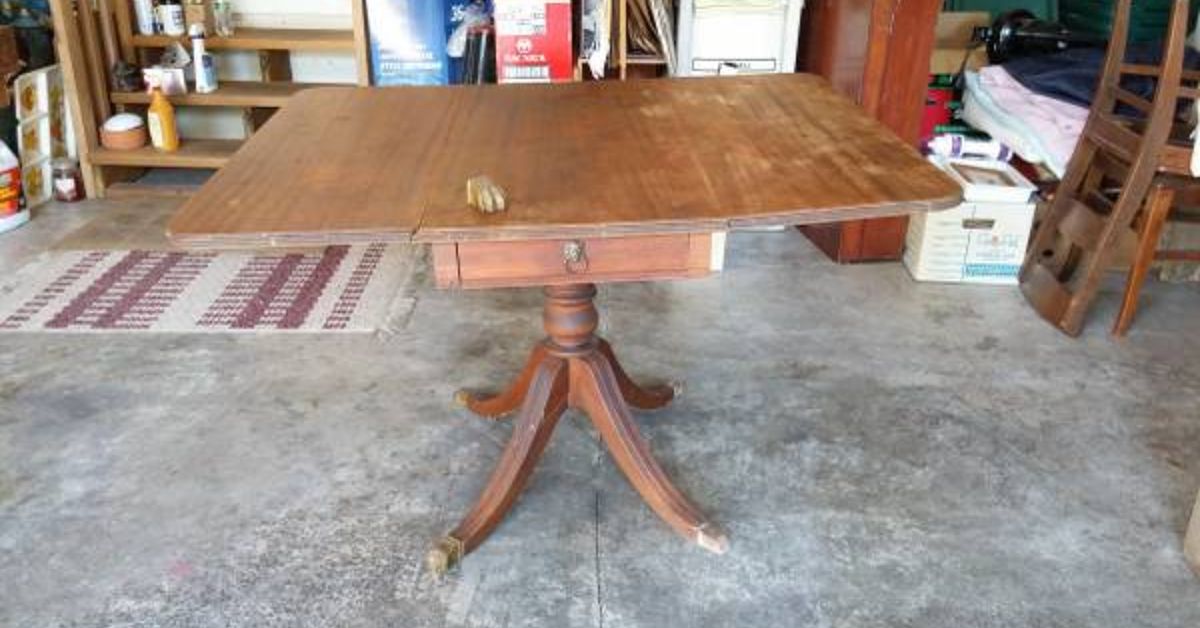
A Duncan Phyfe style table and chairs restored properly can turn a tired dining set into the kind of furniture that makes guests lower their voices, touch the table edge gently, and suddenly pretend they know a lot about mahogany. This style is elegant, historic, and just dramatic enough to make a dining room feel like it has a tiny orchestra hiding behind the curtains.
But restoration is not simply about making old furniture look new. In fact, with Duncan Phyfe style furniture, “brand-new” is usually the wrong goal. The real magic is bringing back the warmth, proportion, shine, and dignity of the piece while keeping the character that time has already paid for. A scratch here, a softened chair rail there, a mellowed finish across the tabletopthese are not always flaws. Sometimes they are the furniture’s autobiography.
This guide explores what makes Duncan Phyfe style tables and chairs special, how restoration is approached, what details matter most, and why a restored set can become the centerpiece of a home rather than just a place to park mashed potatoes.
What Is Duncan Phyfe Style Furniture?
Duncan Phyfe was one of America’s most admired cabinetmakers, known for refined neoclassical furniture made in New York during the late eighteenth and early nineteenth centuries. His work blended European influences with American craftsmanship, creating pieces that were graceful, balanced, and highly desirable among wealthy families of the period.
Today, the phrase “Duncan Phyfe style” usually refers to furniture inspired by his designs rather than furniture personally made in his shop. That distinction matters. Original Duncan Phyfe pieces are museum-level antiques, while Duncan Phyfe style dining tables and chairs were widely produced by later furniture makers, especially during twentieth-century revival periods.
Still, “style” does not mean “less charming.” Many Duncan Phyfe style dining sets are well-made, especially those built with mahogany veneers, sturdy pedestal bases, carved details, brass paw caps, and elegant chair backs. They carry the visual language of the original designs without requiring a bank account that wheezes when you open it.
Key Features of a Duncan Phyfe Style Table and Chairs
A restored Duncan Phyfe style dining set is easy to recognize once you know what to look for. The style often includes pedestal table bases, curved saber legs, brass claw feet or paw caps, reeded columns, lyre-shaped supports, scrolling details, and rich mahogany tones. Chairs may feature curved back rails, delicate splats, upholstered seats, and legs that sweep outward with a confident little flourish.
Common Table Details
Many Duncan Phyfe style tables have a single or double pedestal base. Double pedestal dining tables are especially popular because they can support long tops and extension leaves. The tabletop is often mahogany veneer laid over a solid wood or engineered core. That veneer may include beautiful grain patterns, banding, or a warm reddish-brown glow when properly cleaned and finished.
Pedestal bases may include carved leaves, urn-like columns, tripod feet, brass toe caps, and small casters. When restored carefully, these details create a look that is both formal and welcoming. It says, “Dinner is served,” but also, “Please use a coaster, because I have survived several generations and refuse to be defeated by iced tea.”
Common Chair Details
Duncan Phyfe style chairs often combine strength and delicacy. They may have carved top rails, lyre backs, saber legs, upholstered slip seats, and frames made from mahogany or mahogany-stained hardwood. The curves are important. A good chair from this tradition does not look blocky; it looks poised, as if it is waiting for a dinner party invitation written with a fountain pen.
Why Restoration Matters
Restoring a Duncan Phyfe style table and chairs is about preserving beauty and usefulness. These sets were built for dining rooms, family gatherings, holidays, homework sessions, and all the mysterious crumbs that appear even when nobody admits eating crackers.
Over time, however, the finish may become cloudy, scratched, dry, or uneven. Veneer can lift. Chair joints can loosen. Upholstery can fade or become dated. Brass feet may tarnish. Table leaves may no longer match the main top because one lived in a closet for forty years while the other faced sunlight, spills, and Aunt Linda’s centerpiece experiments.
Restoration gives the set another chapter. A thoughtful approach can improve structure, revive the finish, stabilize fragile areas, and make the furniture ready for everyday use again.
Restoration vs. Refinishing: Know the Difference
One of the biggest decisions in any antique or vintage furniture project is whether to restore or refinish. Restoration usually means preserving as much original material as possible while cleaning, repairing, and stabilizing the piece. Refinishing is more aggressive. It may involve stripping the old finish and applying a new one.
For Duncan Phyfe style furniture, the best choice depends on condition, value, age, and intended use. A rare or high-value antique should be evaluated by a qualified furniture conservator before major work begins. A twentieth-century Duncan Phyfe style dining set with a badly damaged finish may be a good candidate for careful refinishing, especially if the goal is regular household use.
The golden rule is simple: do not remove history just because it looks old. Old is the point. Damage should be addressed, but patina should be respected.
Step-by-Step Overview of a Duncan Phyfe Style Dining Set Restoration
1. Inspect the Table and Chairs Carefully
Before touching sandpaper, polish, glue, or stain, inspect every part of the set. Look at the tabletop, leaves, pedestal base, chair joints, upholstery, veneer, hardware, and underside construction. Check for labels, maker’s marks, stamped numbers, old repair notes, or clues about the manufacturer.
This stage is less glamorous than the final reveal, but it prevents expensive mistakes. You need to know whether the table has thin veneer, whether the chair joints are loose, whether the brass caps are original, and whether previous repairs involved proper hide glue or something terrifying from a garage shelf.
2. Clean Before You Decide
Many old finishes look worse than they really are because they are covered in wax buildup, dust, kitchen film, and decades of furniture spray. Gentle cleaning can reveal the true condition of the finish. A soft cloth, careful dusting, and mild cleaning methods are safer than immediately attacking the surface.
Never scrub aggressively around lifted veneer, loose moldings, or delicate carved areas. Dust and dirt can be removed, but missing veneer and broken carvings require repair skill. Furniture is not a frying pan; enthusiasm is not always your friend.
3. Repair Loose Chair Joints
Dining chairs take a beating. People lean back, slide forward, twist sideways, and sometimes use chairs as step stools even though every chair in history has silently begged them not to. Loose joints are common in Duncan Phyfe style chairs.
Proper chair repair usually involves disassembling unstable joints, cleaning away failed glue, and regluing with an appropriate adhesive. The goal is not to flood the joint with modern glue and hope for the best. The goal is a tight, aligned, durable repair that does not distort the frame.
4. Address Veneer Issues
Mahogany veneer is one of the defining features of many Duncan Phyfe style tables. It can also be one of the most vulnerable. Veneer may bubble, chip, crack, or lift along edges. Small losses can sometimes be patched with matching veneer. Loose veneer can often be reattached if it is still intact.
Matching old mahogany is an art. The repair should consider grain direction, color, figure, and finish absorption. A patch that ignores grain can look like a tiny wooden bandage. A good patch quietly joins the conversation without announcing itself.
5. Revive or Refinish the Tabletop
The tabletop is the star of the set, so it deserves special attention. If the existing finish is intact but dull, it may only need cleaning, polishing, or a compatible topcoat. If the finish is deeply damaged, flaking, heat-marked, water-stained, or uneven beyond rescue, refinishing may be considered.
Because many Duncan Phyfe style tables have veneer tops, heavy sanding is risky. Sanding through veneer is the furniture equivalent of cutting your own bangs five minutes before a wedding. Once it happens, the repair becomes much harder. Professionals typically use controlled methods that preserve as much wood as possible.
6. Restore the Pedestal Base and Brass Details
Pedestal bases often collect dust in carved grooves and around brass paw feet. Cleaning should be careful and patient. Brass caps can be polished lightly, but over-polishing may remove aged character. Some owners prefer bright brass; others prefer a mellow tone that matches the age of the piece.
If brass hardware is missing, replacement should match the original size and style as closely as possible. Shiny new parts can look awkward unless they are toned or selected thoughtfully.
7. Reupholster the Chairs
New upholstery can transform Duncan Phyfe style chairs without changing their historic personality. Fabric choice matters. Traditional damask, subtle stripes, small-scale patterns, leather, or performance fabrics in classic colors can all work. The best choice depends on whether the set will live in a formal dining room, a busy family home, or a space where spaghetti sauce travels with suspicious confidence.
Seat padding should be comfortable but not bulky. Overstuffed seats can make elegant chairs look clumsy. The goal is support, proportion, and clean tailoring.
Choosing the Right Finish
Duncan Phyfe style furniture often looks best with a warm, polished finish that enhances mahogany grain. Depending on the piece, restoration may involve shellac, lacquer, varnish, oil-based finishing systems, or wax as a final protective layer. The best finish should match the furniture’s age, construction, and use.
For a dining table, durability matters. A finish must stand up to plates, glasses, serving dishes, and the occasional family member who believes napkins are decorative. However, an overly thick plastic-looking finish can flatten the character of the wood. A balanced finish protects the surface while allowing depth and grain to show.
Common Mistakes to Avoid
Painting Without Evaluating
Painting can be beautiful on the right piece, but Duncan Phyfe style furniture should be evaluated first. If the set has good mahogany veneer, carved details, and a restorable finish, paint may hide the very features that make it special.
Over-Sanding Veneer
This is the classic restoration disaster. Veneer is thin. Once it is sanded through, the damage is obvious and difficult to disguise. Gentle surface preparation beats aggressive sanding every time.
Using One-Step Miracle Products
Some products promise to clean, color, repair, polish, restore, and possibly make your coffee in one easy wipe. Be skeptical. Old furniture usually needs diagnosis, not a magic potion.
Ignoring Structural Problems
A glossy finish will not save a wobbly chair. Structural repairs should come before cosmetic improvements. Beauty is wonderful, but nobody admires a chair while falling out of it.
How a Restored Duncan Phyfe Style Dining Set Changes a Room
A restored Duncan Phyfe style table and chairs can anchor a dining room instantly. The pedestal base creates elegance without visual heaviness. The curved legs add movement. The mahogany finish brings warmth. The chairs add rhythm around the table, especially when upholstery complements the wood tone.
This style works surprisingly well in different interiors. In a traditional room, it feels natural and polished. In a modern space, it creates contrast and depth. In a farmhouse-inspired room, it adds refinement. In an eclectic home, it becomes the grown-up in the roomthe one wearing nice shoes and quietly judging the beanbag chair.
Is a Duncan Phyfe Style Table and Chairs Set Valuable?
Value depends on age, maker, condition, materials, craftsmanship, completeness, provenance, and market demand. A set made by Duncan Phyfe himself would be rare and highly significant. A later Duncan Phyfe style set may be more modest in value but still desirable, especially if it is well-built, attractive, and restored tastefully.
Complete dining sets with leaves and matching chairs are often more appealing than separated pieces. Original hardware, stable construction, quality veneer, and elegant proportions also help. However, sentimental value can matter just as much. A restored family dining set may be priceless because it carries birthdays, holidays, stories, and one legendary gravy spill nobody is allowed to forget.
Care Tips After Restoration
Once restored, the set should be cared for consistently. Keep it away from harsh sunlight, extreme humidity, and direct heat sources. Use table pads, placemats, and coasters. Dust with a soft cloth only when needed. Avoid silicone-heavy sprays and harsh household cleaners.
For chairs, lift instead of dragging whenever possible. Check joints occasionally. If a chair begins to wobble, repair it early before the movement damages the frame. For upholstery, vacuum gently and treat spills quickly according to the fabric type.
Good care does not mean treating the furniture like a museum object behind velvet ropes. It means using it respectfully. After all, a dining table wants dinner. It did not survive all those years just to become a mail-sorting station.
Restoration Experience: What It Feels Like to Bring the Set Back
Restoring a Duncan Phyfe style table and chairs is not a quick weekend makeover where everything becomes perfect after one dramatic swipe of stain. It is slower, more thoughtful, and honestly more satisfying. The experience usually begins with curiosity. You look at the table and notice the shape first: the sweeping pedestal legs, the brass feet, the deep tone hiding under a tired finish. Then you notice the problems. A cloudy top. A loose chair. A missing chip of veneer. Upholstery that looks like it attended a committee meeting in 1987 and never recovered.
The first rewarding moment often comes during cleaning. As grime lifts, the wood begins to show itself again. Mahogany has a way of warming up under care. It does not shout. It glows. You may discover grain patterns that were hidden for years. The table suddenly looks less like an old object and more like a piece of design with intention behind it.
Chair repair brings a different kind of satisfaction. A wobbly chair feels discouraging at first, but once the joints are tightened and aligned, the whole set gains confidence. There is something deeply pleasing about sitting in a chair that no longer creaks like it is telling ghost stories. You realize that restoration is not only cosmetic. It is practical. It gives the furniture back its job.
Choosing upholstery can be surprisingly emotional. Fabric changes the mood of the entire set. A deep navy seat can make mahogany look formal and rich. A cream performance fabric can brighten the room. A subtle pattern can add movement without stealing attention from the chair backs. This is where personal style enters the restoration. The furniture keeps its historical flavor, but the room begins to feel like yours.
The tabletop is usually the big reveal. When the finish is revived or carefully renewed, the table becomes the centerpiece again. Extension leaves are fitted, edges are blended, and the surface finally reflects light evenly. At that point, you stop seeing a project and start seeing future dinners. You picture plates, candles, coffee cups, birthday cake, board games, and long conversations that continue after everyone is supposedly “just about to leave.”
The best part of the experience is that restored furniture changes how people behave around it. They notice details. They ask questions. They run a hand lightly over the edge and say, “This is beautiful.” And yes, someone will still put their glass down without a coaster. That is why table pads were invented, and also why furniture owners develop the reflexes of a tennis champion.
A Duncan Phyfe style table and chairs restored with care becomes more than décor. It becomes a bridge between past and present. It respects craftsmanship, saves quality furniture from being discarded, and gives a home something that cannot be ordered in a flat box. It gives the room a story.
Conclusion
A Duncan Phyfe style table and chairs restored well can bring elegance, history, and function back into everyday life. The style’s neoclassical detailssaber legs, pedestal bases, lyre forms, brass accents, and warm mahogany finishesmake it one of the most recognizable furniture looks in American interiors.
The smartest restoration approach begins with careful inspection, gentle cleaning, structural repair, veneer preservation, finish evaluation, and thoughtful upholstery. The goal is not to erase age, but to revive beauty while protecting character. Whether the set is a family heirloom, a lucky estate-sale find, or a dining room rescue mission, restoration can turn it into a piece worth gathering around again.
In a world full of disposable furniture, a restored Duncan Phyfe style dining set makes a quiet but confident argument: craftsmanship still matters, old wood still has soul, and dinner tastes better when served on a table with a little history under its shine.