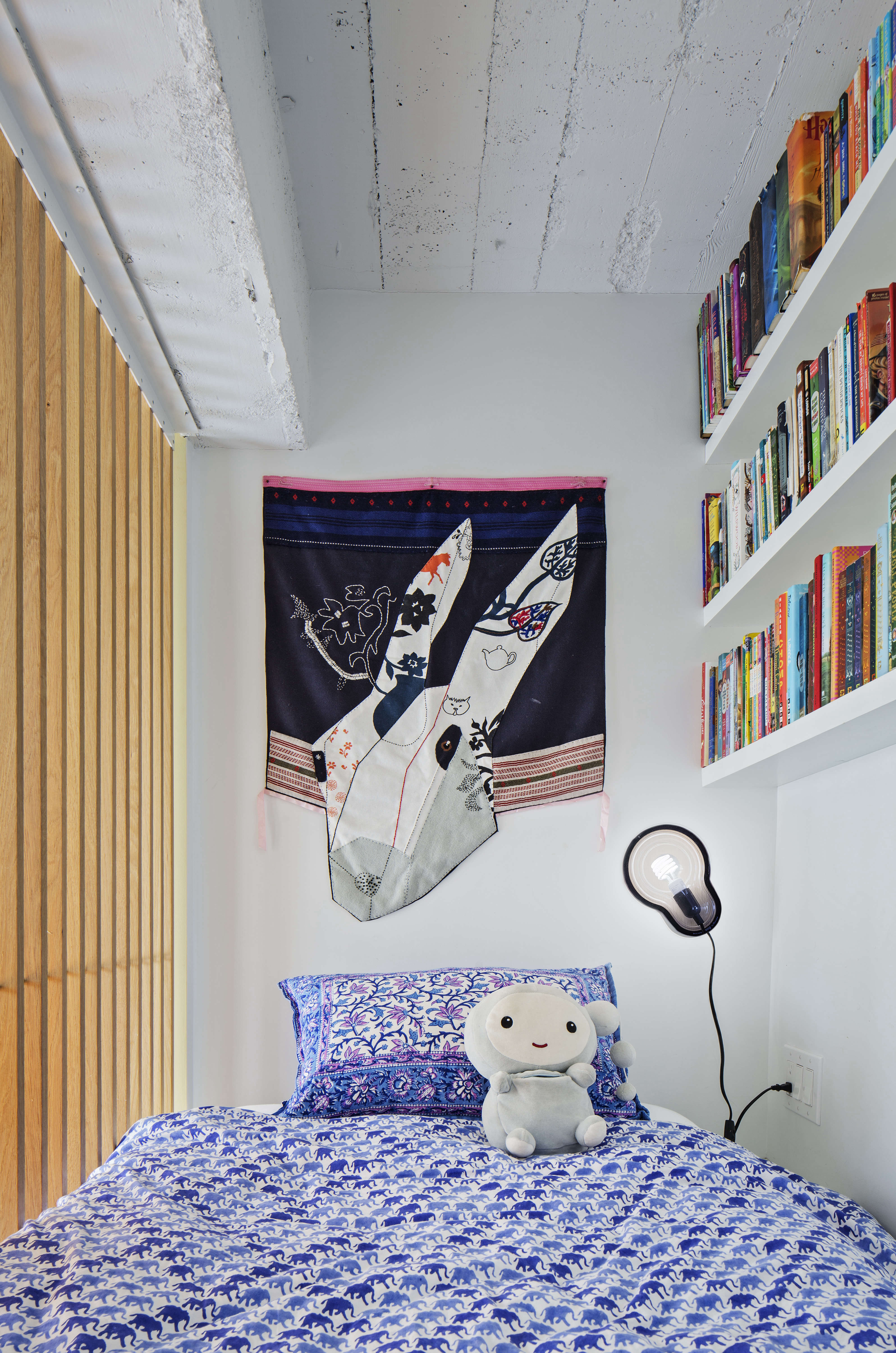
The Droog Sticky Lamp is what happens when a designer looks at annoying plastic packaging and says, “You know what? This should be a lamp.” Most of us look at blister packaging and immediately start searching for scissors, patience, and emotional support. Chris Kabel looked at it and found a lighting idea.
Designed for Droog in 2002, the Sticky Lamp is a small, self-adhesive designer light that can be attached to a wall, ceiling, door, or other suitable surface. It is playful, practical, slightly rebellious, and very Droog: dry humor, everyday materials, and a clever twist that makes you grin before you even switch it on.
At first glance, it may seem too simple. A molded plastic shade, a bulb socket, a cord, and adhesive backing. That is the point. The Droog Sticky Lamp turns the familiar look of disposable packaging into a functional interior object. It asks a very design-world question in a very non-design-world voice: why hide the packaging when the packaging can become the personality?
What Is the Droog Sticky Lamp?
The Droog Sticky Lamp is a compact plug-in wall light designed by Dutch designer Chris Kabel and distributed by Droog. Its best-known feature is its self-adhesive back, which allows the lamp to be placed without drilling holes, brackets, anchors, or a dramatic Saturday afternoon involving a level and mild regret.
The lamp’s shade is made from plastic inspired by blister packaging, the hard transparent or molded plastic commonly used to package small consumer goods. Instead of treating that material language as cheap or disposable, the lamp turns it into the central design feature. In other words, the Sticky Lamp does not pretend to be marble, brass, or hand-blown glass. It proudly says, “I am plastic, I am useful, and I have jokes.”
Depending on the version and retailer, the Droog Sticky Lamp has been listed in clear or white versions, commonly with a compact form around 25 cm tall and a slim profile. It typically uses an E27 socket and is intended for low-wattage energy-saving or LED bulbs. Because versions have existed for different markets, buyers in the United States should always confirm voltage, plug type, bulb compatibility, and safety ratings before purchasing a vintage or imported model.
Why the Sticky Lamp Became a Design Conversation Piece
The Sticky Lamp is not famous because it is the brightest lamp in the room. It is famous because it changes the conversation in the room. Many lamps are designed to look expensive, elegant, sculptural, or invisible. The Droog Sticky Lamp takes a different route. It is humble, funny, and conceptually sharp.
Droog, founded in the early 1990s by Renny Ramakers and Gijs Bakker, became known for a design attitude built around simplicity, reused materials, wit, and practical experimentation. The word “droog” means “dry” in Dutch, and the brand’s humor is exactly that: dry, clever, and delivered without jazz hands. The Sticky Lamp fits beautifully within that world. It is not decorative in the traditional sense. It is decorative because it has an idea.
This is the kind of object that works equally well in a design collector’s apartment, a creative studio, a tiny rental bedroom, or a hallway that needs just enough light to prevent you from stepping on shoes at midnight. It is a lamp, yes, but it is also a miniature design manifesto with a cord.
Design Details: Small Object, Big Personality
Self-Adhesive Installation
The most memorable feature of the Droog Sticky Lamp is the adhesive backing. Instead of mounting the lamp with screws, the user peels and sticks it to a suitable surface. That makes it especially interesting for renters, students, small-space dwellers, and people who want light in odd places without permanently altering a wall.
Of course, “stick anywhere” should be read with common sense. Smooth, clean, dry surfaces are best. Textured plaster, dusty paint, damp walls, and delicate wallpaper are less ideal. Adhesive lighting can be wonderfully convenient, but gravity remains undefeated, so installation should be thoughtful.
Packaging as Lampshade
The Sticky Lamp’s plastic shell is the joke and the genius. Blister packaging is usually the thing we rip apart and throw away. Here, that visual language becomes the shade. It gives the lamp a slightly industrial, slightly toy-like, slightly museum-shop energy. It feels accessible rather than precious.
That choice also makes the lamp easy to understand. You do not need a degree in design theory to get it. The idea lands quickly: packaging has become product. Waste has become wit. A throwaway shape has become a light source. That clarity is one reason the lamp continues to attract attention among fans of Dutch design and minimalist lighting.
Flexible Placement
The Droog Sticky Lamp can function as a plug-in wall light, a bedside lamp, a small accent lamp, or a quirky ceiling-mounted mood light, depending on the setup. It has been described as suitable for walls, doors, ceilings, and even floors, though floor placement requires extra caution because cords and feet have a long history of not cooperating.
Placed beside a bed, it becomes a tiny reading companion. In a hallway, it acts like a friendly guide. In a studio, it becomes an object that says, “Yes, someone interesting works here.” Used in multiples, it can create a playful rhythm across a wall, almost like illuminated stickers.
How to Use the Droog Sticky Lamp in Your Home
As a Bedside Reading Light
One of the best uses for the Droog Sticky Lamp is beside a bed, especially in a small bedroom where a nightstand is either too bulky or already occupied by books, glasses, a phone charger, and one mysterious receipt from three months ago. Because the lamp mounts to the wall, it frees up surface space while adding visual interest.
For reading, choose a suitable LED bulb with a warm color temperature. Warm white light feels softer and more relaxing than harsh cool light. Since the lamp is compact and designed for low-wattage bulbs, it is better for close-range task lighting or atmosphere than for lighting an entire room.
As a Hallway Accent
Hallways are often neglected in home lighting. They get one ceiling fixture, usually with the emotional warmth of a parking garage. A Sticky Lamp can make a hallway feel more intentional. Mounting one near a doorway, coat hook, or small artwork can create a welcoming glow without requiring a major electrical project.
This is especially useful in apartments where hardwired sconces are not an option. A plug-in lamp with personality can solve a real problem while making the space feel designed rather than merely survived.
As a Studio or Office Detail
In a creative workspace, the Droog Sticky Lamp becomes both light source and visual wink. It pairs well with plywood shelves, white walls, modular furniture, metal desks, and other utilitarian materials. It also works nicely in interiors that mix high and low objects: a serious chair, a simple desk, a beautiful print, and then this little plastic lamp that refuses to take itself too seriously.
The result is a room that feels human. Good interiors do not need every object to shout luxury. Sometimes the best object in the room is the one that tells a smart little joke.
Droog Sticky Lamp vs. Ordinary Wall Lights
Compared with a typical wall sconce, the Droog Sticky Lamp is easier to understand, easier to place, and more conceptually memorable. A traditional sconce may offer stronger illumination, better permanence, and a more polished finish. But it usually needs hardware, electrical planning, and commitment. The Sticky Lamp offers the opposite: lightness, humor, and flexibility.
Compared with modern peel-and-stick LED lights, the Sticky Lamp feels more like a design object than a convenience gadget. Many adhesive lights are purely functional: tap them, stick them under a cabinet, replace them when they fade. The Droog lamp belongs to a different category. It is functional, but the idea matters just as much as the brightness.
That makes it appealing to people who care about design history, Dutch design, conceptual objects, and interiors that feel personal. It is not the lamp you buy because you need maximum lumens. It is the lamp you buy because you want a story on the wall.
Buying Tips for the Droog Sticky Lamp
Because the Droog Sticky Lamp has appeared through different retailers and may not always be widely available, shoppers should pay attention to condition, authenticity, and electrical compatibility. Vintage, discontinued, or imported lighting can be wonderful, but it deserves a careful inspection.
Check the Version
Look for details such as clear or white finish, dimensions, cord length, switch type, plug type, and voltage. Some listings may refer to European voltage, while others may mention availability for the U.S. market. If you are buying in the United States, do not assume compatibility. Confirm it before plugging anything in.
Use the Right Bulb
The lamp is typically intended for low-wattage energy-saving or LED bulbs. Avoid high-heat bulbs. Plastic shades and excessive heat are not a friendship anyone should encourage. A low-wattage LED bulb is usually the smartest choice for performance, energy efficiency, and safety.
Inspect the Adhesive
If buying a new-old-stock or secondhand Sticky Lamp, check whether the adhesive backing is still usable. Adhesive can age, collect dust, or lose strength. If the original adhesive is weak, consult the seller or a lighting professional about safe mounting options that do not damage the lamp or create a falling hazard.
Think About the Surface
Before mounting, clean the surface and let it dry completely. Avoid fragile paint, textured walls, dusty surfaces, or areas exposed to steam. If you are renting, test carefully and remember that adhesive products can sometimes remove paint. The Sticky Lamp may be charming, but your landlord may not share your passion for conceptual Dutch lighting.
Who Is the Droog Sticky Lamp Best For?
The Droog Sticky Lamp is ideal for design lovers, collectors, renters, students, creative professionals, and anyone who enjoys objects with a sense of humor. It is also a strong choice for small spaces, especially when you want a lamp without adding another table, shelf, or floor stand.
It may not be the best choice for someone who needs powerful task lighting, permanent architectural lighting, or a luxury finish. This is not a crystal chandelier’s cousin. It is more like the clever friend who shows up to dinner in sneakers and somehow says the smartest thing all night.
For interiors that lean minimalist, playful, industrial, or eclectic, the Sticky Lamp can be a perfect little punctuation mark. It does not dominate the room. It gives the room a raised eyebrow.
Why Designers Still Talk About It
The Droog Sticky Lamp remains interesting because it captures several enduring design ideas at once. It questions waste. It changes the role of packaging. It makes installation simple. It uses humor without becoming a novelty item. It is affordable in spirit, even when collectible availability changes. Most importantly, it proves that good design does not always need expensive materials or complicated engineering.
Chris Kabel’s design works because it is direct. You see it, you understand it, and then you keep thinking about it. That is harder than it looks. Many objects are strange for the sake of being strange. The Sticky Lamp is strange because it has solved a problem in an unexpected way.
It also represents a useful lesson for modern interiors: not every object has to be timeless in the beige-sofa sense. Some objects are timeless because the idea remains fresh. The Sticky Lamp still feels relevant in a world full of renters, micro-apartments, temporary workspaces, and people looking for design with less waste and more personality.
Experiences With the Droog Sticky Lamp: Living With a Lamp That Has a Punchline
Experiences with the Droog Sticky Lamp tend to be less about raw brightness and more about the feeling it brings into a space. People who enjoy it usually appreciate the combination of convenience, humor, and design credibility. It is the kind of lamp guests notice quickly. Someone will point at it and ask, “Wait, is that packaging?” Then you get to explain it, which is half the fun.
In a bedroom, the experience is practical but intimate. Mounted near the bed, the lamp can provide a soft glow for reading, scrolling, or finding your slippers without waking the entire household. Its slim profile is helpful in tight rooms where a conventional bedside table lamp would feel bulky. The cord reminds you that this is not invisible lighting, but that can be part of its charm. The lamp does not try to disappear into the architecture. It behaves more like a friendly object that happens to glow.
In a rental apartment, the Sticky Lamp experience is especially appealing because it offers a sense of customization without the seriousness of renovation. Many renters live with lighting they did not choose: ceiling fixtures that buzz, wall sconces from another decade, or rooms with no built-in lighting at all. A self-adhesive plug-in wall light gives renters a way to personalize a corner, reading nook, or entryway. Still, renters should be careful with paint and adhesive removal. A clever lamp is wonderful; a peeled patch of drywall is less poetic.
In a home office or studio, the Sticky Lamp adds character. It works well near a pinboard, above a small shelf, beside a desk, or in a corner that needs a visual lift. Creative people often like objects that reveal process, material, and concept. The Sticky Lamp does exactly that. It does not hide how it works. It shows the shade, the socket, the cord, and the joke. That honesty makes it feel more personal than many polished lighting products.
The lamp also teaches a small lesson about expectations. If you expect it to perform like a large task lamp, you may be disappointed. If you expect it to behave like a compact mood light with a strong design story, it makes much more sense. Its value is not only in illumination but in atmosphere. It makes a blank wall feel considered. It makes a small room feel less generic. It makes lighting feel less like hardware and more like a conversation.
One of the best experiences comes from using more than one. A cluster of Sticky Lamps can create a playful pattern, especially in a hallway, studio, or gallery-like wall. Odd numbers often look more natural than perfectly symmetrical pairs. Three lamps placed at slightly different heights can feel spontaneous, while a straight row can feel graphic and architectural. Either way, the lamp rewards experimentation.
Living with the Droog Sticky Lamp is ultimately about enjoying design that does not act superior. It is smart without being snobby, useful without being boring, and funny without becoming a gimmick. That balance is rare. Many products try to be iconic by shouting. The Sticky Lamp becomes memorable by sticking quietly to the wall and letting the idea glow.
Conclusion
The Droog Sticky Lamp is a small object with a surprisingly large design footprint. Created by Chris Kabel for Droog, it transforms the look of hard plastic packaging into a self-adhesive light that can work as a wall lamp, bedside lamp, accent light, or playful interior detail. Its appeal comes from the balance between practicality and wit: no screws, no fuss, no grand speech, just a clever lamp that sticks where you need a little glow.
For anyone interested in Dutch design, minimalist lighting, renter-friendly decor, or conversation-starting home accessories, the Sticky Lamp remains a memorable choice. It is not for every room and not for every lighting need, but that is part of its charm. It knows exactly what it is: a useful, funny, packaging-inspired designer lamp that proves good ideas do not have to be heavy, expensive, or overly serious.