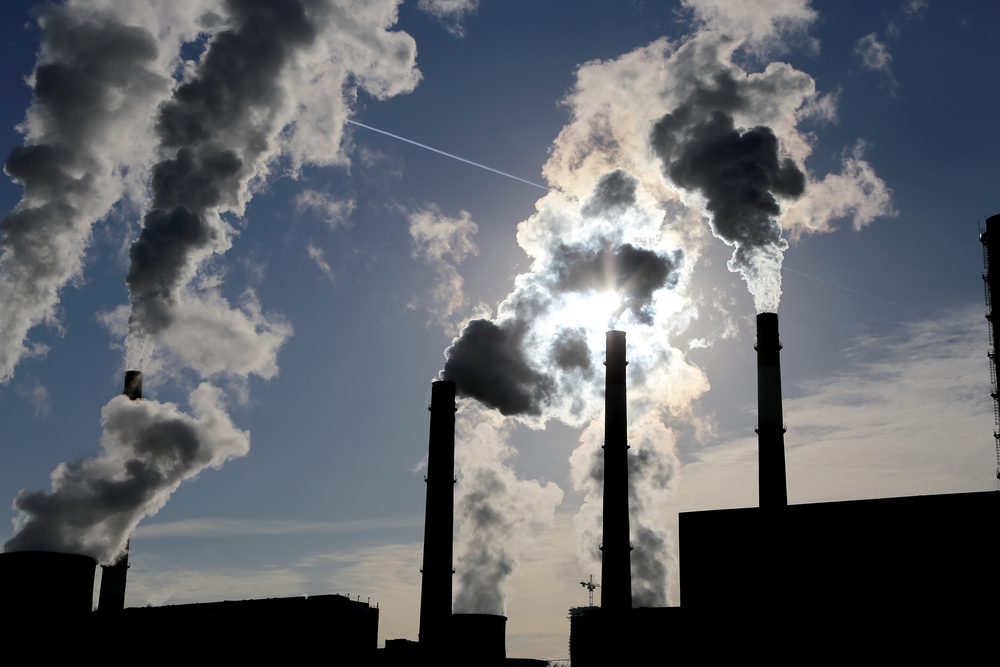
Doctors are trained to notice patterns before they become emergencies. A faint murmur, a strange rash, a patient who says “I’m fine” while looking very much not finemedicine is full of early warning signs. Climate change is no different. The fever is rising, the breathing is harder, the vital signs are flashing, and the fossil fuel industry is still sitting in the waiting room insisting it only came in for a routine checkup.
That is why doctors need to lead the way on divestment from fossil fuels. This is not just a financial debate about portfolios, pensions, and endowments. It is a health issue. Burning coal, oil, and gas worsens air pollution, drives extreme heat, intensifies wildfires, increases climate-related disasters, and places heavier burdens on people with asthma, heart disease, kidney disease, pregnancy risks, and limited access to cooling or care.
For health professionals, the moral logic is simple: if an investment helps fuel disease, it deserves a serious second opinion.
What Fossil Fuel Divestment Means
Fossil fuel divestment means removing investments from companies whose core business depends on extracting, producing, transporting, or selling coal, oil, and gas. In health care, this can apply to medical associations, hospital systems, universities, insurance plans, retirement funds, foundations, and individual physician portfolios.
Divestment is not a magic wand. It will not, by itself, shut down every smokestack or replace every gas-powered ambulance with an electric one by next Tuesday. But it does something powerful: it withdraws social approval and financial support from industries whose products are directly linked to preventable harm. In public health, symbolism matters when it changes behavior. Seat belt campaigns, tobacco warnings, and clean indoor air laws all began with the radical idea that preventing harm is better than billing for it afterward.
Why This Is a Medical Issue, Not Just an Environmental One
Climate change is often described with images of melting ice, rising seas, and polar bears looking understandably annoyed. But doctors see climate change in exam rooms. It shows up as a child wheezing during high-ozone days, an older adult dehydrated after a heat wave, a pregnant patient exposed to wildfire smoke, or a worker whose kidneys are stressed by long hours in extreme heat.
Fossil fuel combustion produces fine particulate matter, nitrogen oxides, sulfur dioxide, and other pollutants that can inflame lungs, strain the cardiovascular system, and worsen chronic disease. Add climate change to the mix, and the health burden grows: hotter temperatures can increase ground-level ozone, drought can worsen dust, and wildfires can send smoke across entire regions. The lungs, unfortunately, do not care whether the smoke came from down the street or three states away.
The Patients Most at Risk
The burden is not shared equally. Children, older adults, pregnant people, outdoor workers, people with disabilities, people with low incomes, and communities living near highways, refineries, ports, power plants, and industrial zones often face higher exposure and fewer resources. That makes fossil fuel divestment a health equity issue as much as a climate strategy.
A doctor who treats asthma but ignores the pollution that triggers it is fighting a fire with a paper cup. Divestment pushes health institutions to look upstreamtoward the systems producing illness in the first place.
The Medical Community Has Already Started Moving
The idea that doctors should support fossil fuel divestment is not fringe. Major medical and health organizations have increasingly recognized that climate change threatens public health and that health professionals have a duty to respond. The American Medical Association has supported efforts by physicians and health professional associations to proceed with divestment. The American College of Physicians has urged physicians and the broader health care community to reduce carbon emissions, educate the public, and support climate-health solutions.
These positions matter because doctors remain among the most trusted voices in society. When physicians speak about fossil fuels as a health risk, the conversation shifts. It is no longer only about carbon accounting or energy policy. It becomes about emergency departments, inhalers, heatstroke, heart attacks, missed school days, and the basic promise of medicine: first, do no harm.
Health Care Cannot Heal With One Hand and Invest in Harm With the Other
The U.S. health care system has a large climate footprint. Hospitals run around the clock, operating rooms use energy-intensive equipment, supply chains stretch across the globe, and single-use materials pile up faster than coffee cups during a night shift. Studies and health policy analyses have estimated that U.S. health care accounts for roughly 8.5% of national greenhouse gas emissions.
That does not mean doctors should feel guilty for ordering a CT scan or using sterile equipment. Medicine requires resources. But it does mean health care leaders have a responsibility to align operations, purchasing, energy use, and investments with health. If a hospital installs solar panels on the roof while its endowment supports fossil fuel expansion, the message becomes muddled. It is like prescribing a heart-healthy diet and then sending the patient home with a deep fryer as a parting gift.
Divestment and Decarbonization Work Together
Divestment should not stand alone. It should be paired with practical decarbonization: cleaner electricity, efficient buildings, lower-waste operating rooms, sustainable procurement, telehealth where appropriate, climate-resilient facilities, and safer pharmaceutical supply chains. The best approach is not “sell the stocks and call it a day.” It is “sell the stocks, reduce emissions, reinvest responsibly, and report progress honestly.”
The Financial Argument Is Getting Stronger
Critics of divestment often argue that institutions must maximize returns and avoid political gestures. That concern deserves a serious answer. Hospitals, medical schools, and pension funds have fiduciary responsibilities. They must protect long-term financial stability. But fossil fuel investments increasingly carry long-term risks: regulatory risk, litigation risk, stranded asset risk, market transition risk, and reputational risk.
Clean energy is growing, investors are tracking climate exposure more carefully, and many institutions have already committed to divestment. The global fossil fuel divestment movement includes universities, faith groups, foundations, cities, pension funds, and health organizations. The point is not that every fossil fuel stock will collapse tomorrow morning. The point is that health institutions should ask whether betting on long-term fossil fuel dependence is consistent with both prudent investment and medical ethics.
Doctors Understand Prevention Better Than Anyone
Medicine is built on prevention. Vaccines prevent infections. Blood pressure control prevents strokes. Smoking cessation prevents cancer and heart disease. Screening catches disease early. Public health campaigns reduce risk before a patient arrives in crisis.
Fossil fuel divestment belongs in that same preventive mindset. It addresses a root cause of climate-related illness rather than treating only the symptoms. Of course, doctors still need to care for patients harmed by heat, pollution, and disasters. But they can also help prevent future harm by changing the financial and cultural signals that allow fossil fuel dependence to continue unchecked.
How Doctors Can Lead Fossil Fuel Divestment
1. Start With Their Own Institutions
Doctors can ask hospitals, medical schools, professional societies, and retirement plans whether they hold fossil fuel investments. The first step is transparency. If nobody knows what is in the portfolio, nobody can claim the portfolio reflects health values. Physicians can request investment reviews, climate-risk assessments, and public reporting.
2. Build Coalitions Across Departments
Divestment campaigns work best when they include more than one passionate person with a reusable water bottle and a very intense spreadsheet. Clinicians, nurses, students, public health experts, finance officers, sustainability teams, patients, and community representatives all bring different strengths. A cardiologist can explain pollution and heart disease. A pediatrician can speak for children. A finance expert can evaluate transition risk. A community advocate can keep equity at the center.
3. Connect Divestment to Patient Care
The strongest case is not “fossil fuels are bad.” It is more specific: fossil fuel pollution increases health risks, climate change worsens existing inequities, and health institutions should not profit from industries that make patients sick. Doctors can translate climate data into patient-centered language that boards and the public understand.
4. Reinvest in Health-Promoting Solutions
Divestment should be paired with reinvestment. Funds can move toward renewable energy, energy efficiency, affordable housing, community resilience, green bonds, sustainable infrastructure, and companies aligned with a healthier future. The message is not simply “take money away.” It is “move money toward what keeps people alive and well.”
5. Keep the Conversation Evidence-Based
Doctors do not need slogans when they have evidence. Climate-related health risks include extreme heat, air pollution, wildfire smoke, infectious disease shifts, mental health stress, disaster displacement, and food and water insecurity. The argument for divestment is strongest when it remains grounded in science, ethics, and fiduciary responsibility.
Common Objections to Fossil Fuel Divestment
“Divestment Won’t Change Anything.”
Divestment is not the only tool, but it is a meaningful one. It changes norms, reduces institutional dependence on fossil fuel profits, and strengthens public pressure for policy change. Tobacco divestment did not single-handedly end smoking, but it helped make tobacco profits unacceptable for health-focused institutions. Fossil fuels deserve similar scrutiny.
“Doctors Should Stay Out of Politics.”
Protecting health is not a partisan hobby. Doctors already speak about seat belts, vaccines, lead exposure, tobacco, gun injury prevention, clean water, and nutrition. Climate change and fossil fuel pollution affect morbidity and mortality. That makes them medical issues. Silence is not neutrality when the waiting room is filling up.
“We Need Fossil Fuels Right Now.”
Yes, modern society still uses fossil fuels. Ambulances, medical supply chains, heating systems, and backup generators do not transform overnight. But continued dependence is not an argument against transition; it is the reason transition must be planned carefully. Divestment does not mean pretending the switch has already flipped. It means refusing to finance delay.
Why Doctors Have Unique Moral Authority
Doctors sit at the intersection of science, trust, and lived human experience. They see the clinical consequences of policy choices. They also understand that risk does not need to be absolute before action is justified. A physician does not wait for a patient’s cholesterol to become a heart attack before recommending change.
When doctors call for fossil fuel divestment, they are not acting as stock pickers in white coats. They are acting as health advocates. They are saying that a stable climate, clean air, and livable communities are part of the conditions required for health. No medication can fully compensate for an environment that keeps making people sick.
A Practical Roadmap for Medical Divestment
Health institutions can begin with a clear policy: freeze new investments in fossil fuel companies, assess current exposure, create a timeline for divestment, and reinvest in assets aligned with health and climate resilience. They can publish progress reports, engage staff and patients, and ensure that investment decisions consider environmental justice.
Medical schools can teach climate finance as part of health policy and ethics. Residency programs can include climate-health advocacy in community medicine. Professional associations can offer toolkits, sample resolutions, and continuing education. Hospital boards can include climate risk in governance. Individual physicians can review their own retirement funds and ask hard questions of fund managers.
The goal is not moral perfection. The goal is moral consistency. Medicine does not demand that doctors solve every problem alone. It does ask them not to look away when harm is predictable, preventable, and already arriving.
Experiences Related to Doctors Leading Fossil Fuel Divestment
Across the health sector, the most persuasive divestment stories often begin quietly. A physician notices that heat-related visits are rising during summer. A pediatrician sees more children missing school because wildfire smoke has aggravated their asthma. A hospitalist cares for an older patient whose heart failure worsened during a power outage. These moments do not always appear dramatic in isolation, but together they form a pattern: climate change is not an abstract forecast. It is already part of clinical practice.
One useful experience comes from hospital sustainability committees. At first, many committees focus on visible changes: recycling bins, LED lights, less waste in cafeterias, or safer anesthesia choices. These are important. But eventually someone asks, “What about our investments?” That question can make the room go quiet, because investments feel distant from patient care. Yet they are not distant at all. Money is a form of institutional voice. When a health system invests in fossil fuel expansion, it quietly supports the conditions that increase respiratory disease, heat illness, and climate instability.
Another experience comes from medical students and trainees. Younger clinicians often bring urgency to the conversation because they expect to practice medicine for decades in a warming world. They are not asking for a decorative climate statement to hang next to the mission plaque. They are asking whether the institution’s financial decisions match its promise to protect health. Their advocacy can be persistent, data-driven, and, when necessary, politely inconvenientthe best kind of inconvenient.
Physicians who have participated in divestment campaigns often learn that the finance department is not the enemy. In many cases, trustees and investment officers are willing to discuss climate risk when the request is specific and professional. A stronger approach is to ask for portfolio transparency, define fossil fuel exposure, propose a phased timeline, and identify reinvestment options. “Please save the planet” is morally correct but operationally vague. “Please commission a fossil fuel exposure audit and report findings within six months” gives leaders something concrete to do.
Community experience matters too. Patients living near refineries, highways, ports, compressor stations, or power plants do not experience fossil fuels as a debate topic. They experience them as odors, flares, soot, missed work, inhalers, headaches, and emergency visits. Doctors who listen to these communities can make divestment more than a boardroom exercise. They can connect institutional finance to neighborhood health.
Finally, doctors who lead on divestment often find that the conversation changes their own practice. They become more aware of waste, prescribing habits, energy use, transportation, and prevention. The point is not to turn every clinician into a climate economist. The point is to make health care more honest about what creates health. A clinic visit can treat disease. A divestment policy can help prevent it. Medicine needs both.
Conclusion
Doctors need to lead the way on divestment from fossil fuels because climate change is a health emergency, fossil fuel pollution is a driver of disease, and health institutions should not profit from the very forces filling hospital beds. Divestment is not a substitute for policy, clean energy, resilient hospitals, or better patient care. It is a public declaration that medicine understands the diagnosis and is willing to act.
The white coat carries trust. That trust should be used carefully, but not timidly. When the evidence is clear and the harm is preventable, doctors have a duty to speak. Fossil fuel divestment is one way for medicine to say, with both its voice and its wallet, that health comes first.