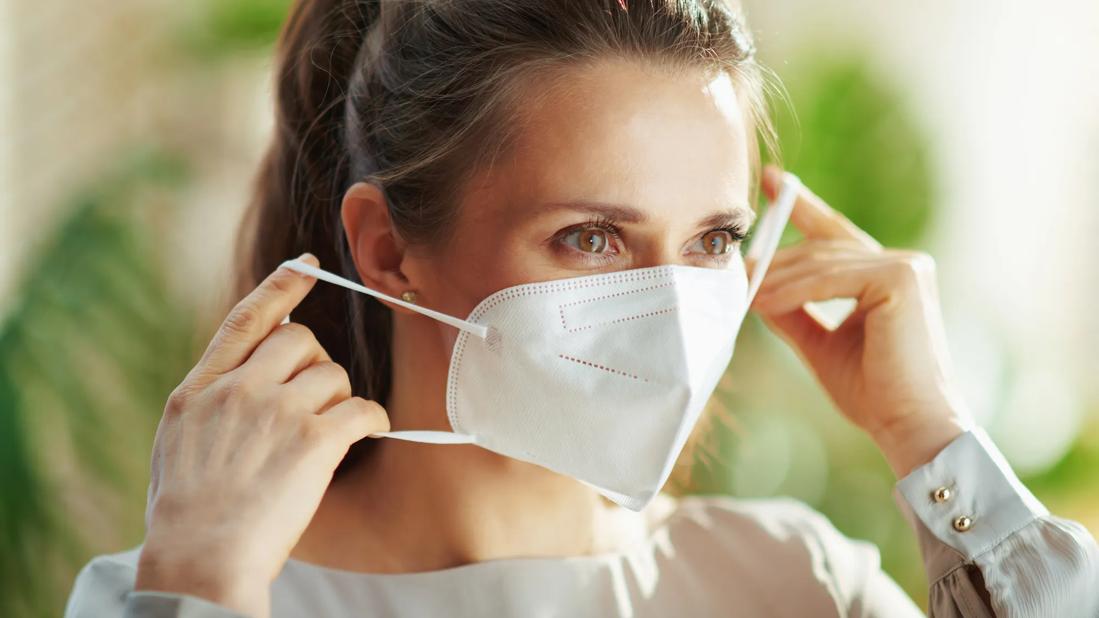
Do masks prevent respiratory virus spread? The practical answer is yes, they can help reduce the spread of respiratory viruses, especially when the mask fits well, is worn correctly, and is used in the right setting. The less magical answer is that a mask is not a superhero cape for your nose. It is a tooluseful, imperfect, and much more effective when paired with other smart habits like staying home when sick, improving ventilation, washing hands, and keeping distance in crowded indoor spaces.
Respiratory viruses such as COVID-19, influenza, RSV, seasonal coronaviruses, rhinoviruses, and other cold-causing germs often travel through tiny particles released when people breathe, talk, cough, sneeze, laugh, sing, or give a passionate speech about how they “never get sick.” Some particles are large droplets that fall quickly. Others are smaller aerosols that can linger in the air, especially indoors where airflow is poor. Masks help by blocking some of those particles at the source and reducing what the wearer breathes in.
The key phrase is risk reduction. Masks do not create a germ-free force field. But in many real-life situations, they lower the amount of virus moving from one person to another. That matters because infection risk is often about dose, time, distance, airflow, and behavior. A well-fitted mask can turn a high-risk situation into a lower-risk onestill not perfect, but definitely less “respiratory virus party bus.”
How Respiratory Viruses Spread
To understand why masks help, start with how respiratory viruses leave the body. When an infected person breathes, speaks, coughs, or sneezes, they release respiratory particles. These particles may contain virus. The particles can land on nearby surfaces, but for many respiratory illnesses, the bigger concern is inhalationbreathing in particles suspended in the air.
Indoor spaces are especially important. A crowded bus, classroom, clinic waiting room, airport gate, or office conference room can allow virus-containing particles to build up. Poor ventilation makes the problem worse because stale air keeps circulating like gossip in a small town. Outdoor spaces usually dilute particles faster, which is why masks are generally more useful indoors or in crowded outdoor settings than during a solo walk in the park.
So, Do Masks Work?
Yes, masks can reduce respiratory virus transmission, but their effectiveness depends on several details: mask type, fit, filtration quality, how consistently people wear them, how much virus is circulating, and whether other prevention steps are used. A mask worn below the nose is basically a chin hammock. It may be emotionally supportive, but it is not doing the job.
Masks work in two main ways. First, they provide source control, meaning they help reduce the particles released by an infected person. This is especially important because people can spread viruses before they know they are sick. Second, masks provide wearer protection, meaning they reduce the number of infectious particles the wearer inhales.
The strongest evidence is not that every mask in every situation works equally well. The evidence is more specific: better masks, better fit, and better consistency produce better protection. A loose cloth mask used occasionally is not the same as a well-fitted N95 respirator worn properly in a crowded indoor space.
Mask Types: Not All Face Coverings Are Created Equal
Cloth Masks
Cloth masks can block some respiratory droplets, especially larger particles, but their performance varies widely. Fabric type, number of layers, weave tightness, and fit all matter. A thin single-layer mask may offer limited protection. A multi-layer cloth mask with a snug fit is better, but cloth masks are generally less protective than surgical masks or respirators.
Cloth masks became popular because they are reusable, affordable, and easy to make. They can still be useful when better options are unavailable, but for higher-risk settings, they are no longer the top choice. Think of cloth masks as the bicycle of mask protection: better than walking into traffic, but not exactly a seat-belted SUV.
Surgical and Medical Masks
Surgical or medical masks are designed to block droplets and provide a barrier over the nose and mouth. They usually filter better than basic cloth masks, but they often fit loosely around the sides. Those gaps allow unfiltered air to leak in and out. A surgical mask that fits closely to the face is more effective than one that flaps around like a tiny blue curtain.
For everyday use, surgical masks can be a reasonable option, especially in lower- to moderate-risk settings. Their biggest weakness is fit. Knotting ear loops, tucking side gaps, using a mask fitter, or wearing a snug cloth mask over a surgical mask can improve the seal. However, double masking is not recommended over an N95, KN95, or similar respirator because it can interfere with the respirator’s fit.
N95, KN95, and KF94 Respirators
Respirators such as N95s are designed to filter very small airborne particles and fit closely to the face. A genuine, well-fitted respirator usually provides the best protection among common mask options. N95 respirators are certified under U.S. standards, while KN95 and KF94 masks follow different international standards. Quality can vary, so buying from reputable sources matters.
Respirators are especially useful in high-risk situations: crowded indoor spaces, public transportation, healthcare settings, long flights, poorly ventilated rooms, or when caring for someone who is sick. For people at higher risk of severe illness, a comfortable respirator can be a smart upgrade. It is the difference between bringing an umbrella to a drizzle and bringing one to a thunderstorm.
Fit Matters More Than Most People Think
A mask’s material can be excellent, but if air leaks around the edges, protection drops. Air follows the path of least resistance. If the mask has gaps at the nose, cheeks, or chin, particles can sneak through like they have a backstage pass.
A good mask should cover the nose, mouth, and chin. It should sit snugly against the sides of the face without making breathing difficult. The nose wire should be pressed down to reduce gaps. Facial hair can interfere with the seal of tight-fitting respirators, which is one reason healthcare workers who need respirators often follow fit-testing rules.
Comfort also matters. The “best” mask is not helpful if someone removes it every five minutes. For real-world protection, choose the most protective mask you can wear correctly and consistently. A comfortable, well-fitted mask beats a premium respirator dangling from one ear like a defeated decoration.
When Masks Help the Most
Masks are most useful when respiratory viruses are spreading in the community, when you are indoors with many people, or when someone nearby is coughing, sneezing, or visibly sick. They are also helpful during seasonal surges of flu, RSV, and COVID-19. If your local pharmacy sounds like a cough choir, that is a clue.
High-value mask situations include:
- Public transportation, including buses, trains, and airplanes
- Healthcare settings, clinics, and pharmacies
- Crowded stores, schools, offices, and events
- Indoor gatherings during flu, RSV, or COVID-19 waves
- Visiting older adults or people with weakened immune systems
- Caring for a sick household member
- Returning to normal activities after recent respiratory illness
Masks are less important in uncrowded outdoor settings, especially when airflow is strong and people are spread out. Walking alone outdoors without a mask is usually low risk. Standing shoulder-to-shoulder in a packed indoor room during flu season is a different story.
What the Research Says
Mask research can look confusing because studies ask different questions. Some studies test filtration in a lab. Others examine whether mask policies reduce infections in communities. Some measure personal protection. Others look at source control. Randomized trials can be difficult because people may not wear masks consistently, may use different mask types, or may have exposures outside the study.
Laboratory studies generally show that masks and respirators reduce the release and inhalation of respiratory particles. Observational studies often find that communities or settings with better mask use have lower transmission, especially during periods of high virus circulation. Some randomized trials show mixed or uncertain results, often because of low adherence, small effect sizes, changing virus patterns, or difficulty measuring who was exposed where.
The fairest summary is this: masks are not perfect, but the overall evidence supports their use as one part of a layered prevention strategy. The strongest benefit appears when masks are high quality, fit well, and are used consistently in higher-risk settings. Respirators generally outperform surgical masks, and surgical masks generally outperform loose, thin cloth masks.
Masks Work Best as Part of a Layered Strategy
One common mistake is treating masks as an all-or-nothing argument. In real life, infection prevention works more like Swiss cheese. Each layer has holes, but several layers together block more risk. Masks are one layer. Ventilation is another. Vaccination, staying home when sick, testing when appropriate, hand hygiene, and air filtration add more layers.
Ventilation deserves special attention. Respiratory viruses spread more easily indoors when virus-containing particles build up in the air. Opening windows, improving HVAC systems, using portable HEPA air cleaners, and increasing outdoor air exchange can reduce that buildup. A mask plus better airflow is stronger than either one alone. Your lungs appreciate teamwork.
Common Mask Mistakes That Reduce Protection
Even a good mask can fail if used badly. The most common mistake is leaving the nose uncovered. The nose is not a decorative breathing chimney; it must be covered. Another mistake is repeatedly touching the front of the mask and then touching the face. Dirty or damp masks should be replaced. Reusable masks should be washed regularly.
Other mistakes include choosing a mask that is too loose, reusing disposable masks until they look like they survived a camping trip, wearing masks with exhalation valves for source control, or assuming that a mask means you can ignore symptoms. If you are sick, staying home remains one of the best ways to prevent respiratory virus spread.
Do Masks Protect the Wearer or Only Other People?
Masks can do both. Early public messaging often emphasized protecting others, which is source control. That message made sense because many people spread respiratory viruses before symptoms appear. But masks can also protect the wearer by reducing inhaled particles. The level of wearer protection depends heavily on the mask type and fit.
A loose face covering may reduce outgoing droplets more than it protects the wearer from incoming aerosols. A well-fitted respirator can provide stronger two-way protection. This is why someone at higher risk may choose an N95 or similar respirator in crowded indoor areas, even if others are not masked.
Should You Wear a Mask If You Feel Healthy?
Sometimes, yes. Respiratory viruses can spread before symptoms begin or from people who never feel very sick. If virus levels are high, or if you are visiting someone vulnerable, wearing a mask while feeling healthy can still reduce risk. It is not about panic; it is about courtesy plus physics.
That said, mask decisions can be practical. You may not need a mask everywhere, every day. A more realistic approach is situational masking: use a better mask when the setting is crowded, indoor, poorly ventilated, medically sensitive, or filled with suspicious sniffles.
Who Should Be Extra Careful?
People at higher risk of severe illness may benefit more from masking in public indoor spaces. This includes older adults, people with certain chronic medical conditions, people with weakened immune systems, pregnant people, and those who live with or care for vulnerable family members. Healthcare workers and caregivers may also need stronger protection depending on exposure risk.
Children can wear masks when they are old enough to do so safely and correctly, but masks are not recommended for children under age two. For young children, fit, comfort, and supervision matter. A mask that causes distress or is constantly removed may not help much.
Practical Tips for Choosing and Wearing a Mask
Choose the Right Level of Protection
For low-risk errands, a well-fitting surgical mask may be enough. For higher-risk situations, use a respirator such as an N95, KN95, or KF94. If you are caring for someone who is sick, traveling during a respiratory virus surge, or spending time in a crowded indoor space, upgrading your mask makes sense.
Check the Seal
Put the mask over your nose, mouth, and chin. Press the nose wire firmly. Look for gaps at the cheeks and under the chin. If your glasses fog heavily, air may be leaking upward. A little fog is not always proof of failure, but it is a useful warning sign.
Replace or Clean Masks Properly
Disposable masks should be replaced when dirty, wet, damaged, or difficult to breathe through. Cloth masks should be washed regularly. Respirators can sometimes be reused for limited periods if they remain clean, dry, and structurally intact, but they should be discarded when straps loosen, the seal fails, or the material becomes soiled.
Real-Life Examples: When a Mask Makes a Difference
Imagine you are on a two-hour flight during flu season. The cabin is full, the person behind you is coughing, and the air feels dry enough to turn crackers into dust. A well-fitted respirator can reduce the particles you inhale throughout the trip. It may not guarantee you stay healthy, but it improves your odds.
Now imagine a parent caring for a child with a respiratory infection. If the sick child can safely wear a mask when close to others, and the caregiver wears a well-fitted mask too, the household exposure may decrease. Add handwashing, separate sleeping space when possible, and open windows or air filtration, and the home becomes less welcoming to germs.
Another example: an employee returns to work after a cold but still has a mild cough. Wearing a mask for a few days, avoiding close meetings, and improving room ventilation can reduce the chance of sharing that virus with coworkers. Office heroism should not involve donating germs to accounting.
Bottom Line: Do Masks Prevent Respiratory Virus Spread?
Masks can help prevent respiratory virus spread by reducing the release and inhalation of infectious particles. They work best when they fit well, are worn over both the nose and mouth, and are used consistently in higher-risk indoor settings. Respirators such as N95s generally offer the strongest protection, followed by well-fitting surgical masks, with cloth masks varying widely in performance.
The smartest approach is not “mask forever” or “masks do nothing.” The smartest approach is using masks strategically. Wear a higher-quality mask when risk is higher. Stay home when sick. Improve ventilation. Protect vulnerable people. Keep your prevention plan flexible, practical, and based on real-world conditions.
In short, masks are not magic. But they are useful. And when respiratory viruses are making their seasonal comeback tour, a good mask can be one of the simplest tools for keeping more of those germs out of your lungs and out of everyone else’s week.
Personal Experiences and Everyday Lessons About Masking
One of the most interesting things about masks is that their value often becomes clearest in ordinary life, not just in charts or laboratory reports. Anyone who has been in a crowded urgent care waiting room during flu season understands the appeal immediately. You look around, hear three coughs, two sneezes, and one heroic nose-blow, and suddenly a well-fitted mask feels less like a debate topic and more like common sense with ear loops.
Many people learned during the COVID-19 pandemic that mask quality matters. A loose cloth mask may have felt comfortable, but in crowded indoor places, it often did not inspire much confidence. Switching to a better-fitting surgical mask or respirator changed the experience. The mask felt more secure, glasses fogged less, and the wearer could move through airports, pharmacies, or clinics with a stronger sense of control. That sense of control matters because respiratory virus prevention is partly about reducing anxiety through practical action.
Families also learned that masks can be helpful during household illness, although they are not always easy to use at home. When one person gets sick, the virus has already had a head start. Still, masking around a sick family member, opening windows, running an air purifier, and sleeping separately when possible can reduce exposure. Parents often discover that the plan has to be realistic. A tired child with a fever may not tolerate a mask for long. In that case, the adult caregiver wearing a respirator, washing hands, and keeping air moving may be the more workable solution.
Workplaces offer another practical lesson. Before the pandemic, many employees dragged themselves into the office while coughing because staying home felt inconvenient or frowned upon. Now, more people understand that “just allergies” sometimes turns into “sorry, everyone, I accidentally started the office cold festival.” A mask can be a polite short-term tool when someone is recovering but still needs to be around others. Even better, staying home when actively sick should be normalized. No spreadsheet is improved by a side order of influenza.
Travelers have perhaps become the most practical mask users. On planes, trains, and buses, people sit close together for long periods, often during peak virus season. A respirator can be uncomfortable after several hours, but many travelers decide that mild discomfort is better than spending vacation day two under a blanket with soup and regret. The best travel habit is to pack several masks, change them if they become damp, and choose a style that remains comfortable without constant adjustment.
Another everyday lesson is that mask etiquette works best when it is calm and respectful. Some people wear masks because they are medically vulnerable. Some wear them because they live with someone at risk. Some wear them because they have symptoms and are trying not to spread germs. Others simply prefer extra protection in crowded places. Treating masking as a normal health choice makes public spaces easier for everyone.
The biggest experience-based takeaway is simple: masks are most useful when used before exposure, not after. Putting on a mask after sitting next to a coughing person for an hour is like applying sunscreen after the sunburn. Timing matters. Keep a few good masks in a bag, car, backpack, or desk drawer. That way, when the elevator sounds like a bronchitis convention, you are ready.
Note: This article is for general educational purposes and should not replace medical advice from a qualified healthcare professional. People with specific health conditions should ask their clinician which prevention steps are best for them.