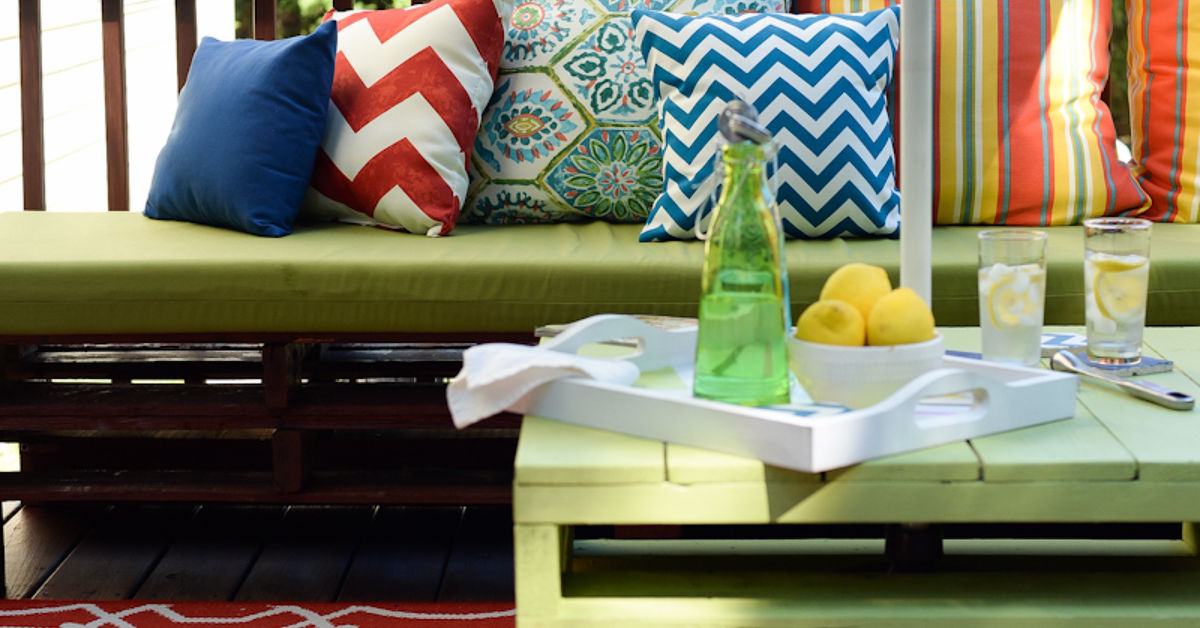
A DIY pallet furniture patio makeover is the kind of project that makes your backyard feel richer without making your wallet faint dramatically on the floor. With a few clean wood pallets, basic tools, exterior stain, outdoor cushions, and a little patience, you can turn a plain patio, porch, balcony, or deck into a cozy outdoor lounge that looks intentional, personal, and surprisingly expensive.
The charm of pallet furniture is simple: it is affordable, flexible, and forgiving. You do not need to be a master carpenter with a workshop full of machines that sound like jet engines. You need a good plan, safe materials, smart finishing techniques, and a willingness to sand until your arms question your life choices. The result can be a rustic sectional sofa, coffee table, plant wall, daybed, side table, or full outdoor conversation area that feels custom-made for your space.
But before you start grabbing every pallet behind a store like a raccoon with a Pinterest board, there are important safety and design details to know. Not every pallet belongs near your family, your pets, or your iced lemonade. This guide walks through how to choose safe pallets, design your patio layout, build strong furniture, finish wood for outdoor weather, style the space, and maintain it so your makeover lasts longer than one summer barbecue.
Why Pallet Furniture Works So Well for a Patio Makeover
Pallets are naturally modular. Their boxy shape makes them ideal for outdoor seating, low tables, benches, vertical gardens, and storage-friendly designs. Stack two pallets and you have a sofa base. Add casters and you have a rolling coffee table. Stand one upright, add hooks or small planters, and suddenly you have a charming garden wall that says, “Yes, I grow herbs now, please respect my lifestyle.”
For small patios, pallet furniture can be especially useful because it can be built to fit awkward corners. Store-bought patio sets often come in fixed dimensions, and somehow the chair legs always land exactly where your patio door needs to swing. With pallets, you can cut, stack, trim, and rearrange pieces to fit the actual space you have. That makes pallet furniture a practical choice for apartment balconies, narrow decks, backyard patios, and side-yard sitting areas.
Another benefit is personality. A pallet patio set can look coastal, farmhouse, boho, modern rustic, industrial, or colorful depending on the finish and accessories. Natural stain creates a warm organic feel. White paint looks breezy and beachy. Charcoal or black gives the furniture a more modern edge. Add outdoor pillows, lanterns, string lights, plants, and an outdoor rug, and your patio goes from “extra concrete” to “why are we not eating dinner out here every night?”
Start With Safe Pallets: What to Look For
The first step in any DIY pallet patio furniture project is choosing the right wood. Look for pallets that are clean, dry, sturdy, and free from mystery stains. Mystery stains are not rustic charm. They are questions you do not want answered.
Choose Heat-Treated Pallets When Possible
Many pallets used in shipping carry markings that show how the wood was treated. A pallet marked HT means it was heat-treated. That is generally the preferred choice for DIY furniture because the treatment uses heat rather than chemical fumigation. Pallets marked MB were treated with methyl bromide and should be avoided for home furniture projects. Also skip pallets that smell odd, show oily residue, have heavy discoloration, or look like they lived a dramatic life in a chemical warehouse.
Avoid Painted Rental Pallets
Brightly painted pallets, especially blue, red, or branded ones, may belong to rental or logistics companies. They can also be harder to identify and may have been used in unknown supply chains. For home projects, plain, clean, unpainted pallets are usually the safest starting point. Always ask permission before taking pallets from a business, even if they are sitting near a dumpster. “It looked abandoned” is not a great legal strategy.
Inspect the Wood Carefully
Check for broken boards, loose nails, mold, insect damage, soft spots, and deep cracks. A few rough edges are normal; a pallet that crumbles when you lift it is not “vintage.” It is firewood auditioning for a second career. Select pallets with thick boards and solid blocks if you plan to build seating, because the structure needs to support body weight safely.
Plan the Patio Before You Build
A good pallet furniture makeover starts with measuring. Before cutting wood or buying cushions, measure your patio width, depth, door clearance, traffic paths, and any fixed features such as railings, steps, grills, planters, or outdoor outlets. Then sketch a simple layout. It does not need to be museum-worthy. A rectangle with labeled furniture zones is enough.
Create Zones for Real Life
Think about how you want to use the patio. Is it a coffee spot for two? A weekend lounge for friends? A family game-night corner? A poolside rest area? A reading nook where you pretend you are unavailable to everyone? Your layout should support that purpose.
For a small patio, an L-shaped pallet sectional often works best because it hugs a corner and leaves the center open. For a larger backyard patio, consider a U-shaped seating area around a pallet coffee table. If you host meals, add a taller pallet dining table or pair a low lounge with a separate folding dining setup.
Leave Walking Space
Outdoor furniture should not turn your patio into an obstacle course. Leave comfortable walkways between seating, tables, doors, and steps. Keep the grill away from cushions, wood furniture, and low-hanging decor. Place coffee tables close enough for drinks but not so close that guests need advanced yoga training to sit down.
Tools and Materials for a Pallet Patio Makeover
You do not need a professional shop, but the right basics make the project smoother and safer. Gather your materials before starting so you do not end up halfway through the build holding a board in one hand and searching “can butter knife remove pallet nails” with the other.
Basic Tools
- Work gloves and safety glasses
- Dust mask or respirator for sanding
- Hammer, pry bar, or pallet buster
- Drill and exterior-grade screws
- Orbital sander or sanding block
- Measuring tape and pencil
- Circular saw or handsaw
- Paintbrushes, rollers, or stain pads
- Drop cloth or tarp
Materials
- Clean heat-treated pallets
- Exterior wood screws
- Wood filler for cracks and nail holes
- Exterior primer if painting
- Outdoor paint, exterior stain, or stain-and-sealer
- Clear exterior sealant if needed
- Outdoor cushions or high-density foam with outdoor fabric
- Casters for a movable coffee table
- Outdoor rug, pillows, lights, and planters for styling
How to Build a Simple Pallet Sectional
A pallet sectional is one of the most popular projects because it delivers the biggest visual payoff. It also gives you a flexible lounge that can be rearranged or expanded later.
Step 1: Clean the Pallets
Brush off loose dirt, debris, and cobwebs. Wash the pallets with mild soapy water and a scrub brush, then rinse and let them dry completely. Do not rush this step. Stain and paint do not perform well on damp, dirty wood, and trapped moisture can shorten the life of your furniture.
Step 2: Sand Until Splinter-Free
Pallet wood is rough, and rough wood plus bare legs equals an outdoor tragedy. Sand all exposed surfaces, corners, and edges. Start with a coarser grit for rough boards, then move to a finer grit for a smoother feel. Pay special attention to armrests, seat fronts, and table edges where people will touch the wood often.
Step 3: Stack the Base
For a comfortable lounge height, stack two pallets for each seat base. Screw the pallets together using exterior-grade screws. If you want a higher sofa, add short legs made from 4×4 lumber or sturdy blocks. Make sure every section sits level. A wobbly sofa is funny for about four seconds, then it becomes a repair project.
Step 4: Add the Backrest
You can create a backrest by standing a pallet vertically behind the seat base or by attaching cut pallet boards to a simple frame. Angle the back slightly if possible for better comfort. Secure the backrest firmly with screws and metal brackets. Outdoor furniture must handle shifting weight, enthusiastic guests, and at least one person who flops down like they are auditioning for a mattress commercial.
Step 5: Finish the Wood
Choose an exterior finish based on the look you want. For a natural style, use an exterior stain-and-sealer. For a colorful makeover, use exterior primer followed by outdoor paint. For a weathered rustic look, choose a semi-transparent stain that keeps some wood grain visible. Always test the color on a hidden spot first, because pallet wood absorbs finish unevenly and may surprise you with a shade best described as “accidental orange.”
Build a Pallet Coffee Table to Anchor the Space
No patio lounge is complete without a table for drinks, snacks, books, and the one citronella candle everyone pretends is doing more than it is. A pallet coffee table is simple: stack one or two pallets, secure them together, sand thoroughly, and add a finished top.
For a smoother surface, attach deck boards, plywood rated for exterior use, or reclaimed boards across the top. This prevents cups from wobbling between pallet slats. Add locking casters if you want the table to move easily. Casters are especially useful on covered patios where you might roll the table aside for cleaning, yoga, or emergency dance space.
You can also cut a hole in the center for a patio umbrella if the table sits in a sunny spot. Just make sure the umbrella has a stable base underneath. A flying umbrella is not shade; it is a neighborhood event.
Outdoor Cushions: Comfort Is Not Optional
Pallets are sturdy, but they are not naturally soft. Without cushions, your beautiful new patio sofa may feel like sitting on a stylish shipping department. Use outdoor cushions, crib mattresses, custom foam, or high-density foam wrapped in weather-resistant outdoor fabric.
For seat cushions, choose foam thick enough to soften the pallet surface. Four to six inches is usually more comfortable for lounge seating. Back pillows can be thinner and softer. Use removable cushion covers if possible so you can wash them. Store cushions in a deck box, shed, or dry indoor space when not in use for long periods.
Outdoor fabric matters. Indoor fabric may look lovely for three days and then surrender to sun, rain, and mildew. Look for fabric designed for outdoor use, especially if your patio is uncovered. Choose patterns and colors that work with your home exterior, not just what looks cute in a shopping cart at midnight.
Style the Patio Like an Outdoor Room
The furniture is the foundation, but styling is what makes the makeover feel finished. Treat your patio like an outdoor living room. Add softness, lighting, plants, and personality.
Add an Outdoor Rug
An outdoor rug helps define the seating area and makes the patio feel intentional. It also hides a boring concrete slab like a magician with better taste. Choose a rug large enough for the front legs of the seating and table to sit on it. For small patios, a rug can visually organize the entire space.
Use Lighting for Atmosphere
String lights, solar lanterns, battery candles, and wall sconces can transform the mood at night. Soft lighting makes pallet furniture look warmer and more polished. It also helps guests see where the coffee table is, which their shins will appreciate.
Bring in Plants
Plants make a patio feel alive. Use potted herbs, flowering annuals, ornamental grasses, or a pallet plant wall. A vertical pallet planter is perfect for small patios because it adds greenery without stealing floor space. Just line planters properly so water does not sit against the wood and cause decay.
Weatherproofing and Maintenance Tips
Because pallet furniture lives outdoors, maintenance is part of the deal. Even the best makeover needs seasonal care. Clean the furniture regularly with mild soap and water. Let it dry before covering. Reapply sealant or stain as needed, especially after harsh sun, heavy rain, or winter storage.
Inspect the furniture at the start and end of each season. Tighten loose screws, sand any rough spots, touch up chipped paint, and replace damaged boards. Keep furniture slightly raised off wet ground if possible. Small feet, blocks, or casters can improve airflow and reduce moisture exposure.
Use breathable furniture covers during long periods of rain or off-season storage. Avoid trapping wet cushions under plastic covers, because moisture can lead to mildew. Cushions should be stored dry, not sealed up like leftovers.
Budget-Friendly Ideas to Upgrade the Makeover
A pallet patio makeover can be very affordable, especially if the pallets are free. Still, the budget can sneak upward once you add foam, fabric, stain, screws, casters, plants, and accessories. Plan your spending before you start.
Save Money Where It Makes Sense
Look for discounted outdoor fabric, end-of-season cushions, clearance rugs, and secondhand lanterns. Reuse leftover exterior paint if it is still in good condition. Repurpose planters, baskets, or old side tables. Pallet projects are naturally friendly to bargain hunting, and the best spaces often mix handmade pieces with affordable finds.
Spend Money Where It Matters
Do not cheap out on screws, sealant, or cushion foam. Weak fasteners can compromise safety. Poor finish can peel quickly. Thin cushions can make the seating uncomfortable. The goal is not just to build something cheap; it is to build something inexpensive that still feels good to use.
Common Mistakes to Avoid
The biggest mistake is using unsafe pallets. Always inspect and choose clean heat-treated pallets. The second mistake is skipping sanding. If people will sit on it, lean on it, or rest their arms on it, sand it. The third mistake is failing to seal the wood. Outdoor furniture needs protection from moisture and sun.
Another common problem is building furniture too deep or too low. Pallets can create deep lounge seating, which is great for relaxing but awkward for dining. Decide whether the space is for lounging, eating, or both. If you want dining-height comfort, you may need taller legs and firmer cushions.
Finally, do not forget drainage. If your table top or seat design traps water, the wood will wear faster. Leave small gaps where needed, angle surfaces slightly, or choose breathable covers. Outdoor furniture should be beautiful, but it also needs to survive weather with dignity.
Conclusion: A Pallet Patio Makeover With Personality
A DIY pallet furniture patio makeover is one of the most rewarding outdoor projects because it combines creativity, budget control, and real function. You can build a sectional that fits your exact space, add a rolling coffee table, create a plant wall, and style the whole area with cushions, rugs, lights, and greenery. The finished patio does not have to look homemade in the “uh-oh” sense. With safe pallets, good sanding, exterior-grade finishes, and thoughtful styling, it can look custom, cozy, and ready for long summer evenings.
The secret is balance. Keep the build sturdy. Keep the finish weather-ready. Keep the layout practical. Then add the fun: bold pillows, a rug with personality, a few plants, and lighting that makes everyone look like they drink sparkling water and have their lives together. Pallet furniture may start as shipping material, but with the right makeover, it can become the best seat outside the house.
Real Experience: Lessons From a DIY Pallet Furniture Patio Makeover
The first thing you learn during a DIY pallet furniture patio makeover is that pallets are heavier than they look. Online, they appear charming and cooperative, like rustic Lego blocks. In real life, they have nails, rough edges, and a strong desire to scrape your driveway. That is why gloves are not optional. Neither is measuring. The patio may look large when empty, but once you start placing stacked pallet bases, a coffee table, planters, and cushions, the space shrinks faster than a cotton shirt in hot water.
One practical lesson is to build the layout with unfinished pallets first. Place them where the seating will go, test the walking paths, open the door, pull out chairs, and pretend to carry a tray of drinks. This little rehearsal prevents big regrets. A sectional that looks perfect on paper may block the grill, crowd the stairs, or leave guests stepping sideways like crabs. Adjusting raw pallets is easy. Adjusting fully painted, screwed-together furniture is less fun and usually involves muttering.
Sanding also takes longer than expected, but it is the step that separates “cute patio project” from “splinter delivery system.” Pallet boards are inconsistent, so some pieces sand quickly while others fight back. The best approach is to focus on every surface people touch: seat fronts, arm areas, backrests, table edges, and corners. A slightly rustic look is fine. A sharp corner that attacks guests is not.
Finishing the wood is another area where patience pays off. Cleaning, drying, sanding, and testing stain can feel slow, especially when you want the patio finished by Saturday. But outdoor wood needs preparation. When stain is applied to dusty or damp pallet boards, the final look can become blotchy, sticky, or uneven. A test patch helps you see how the wood reacts. Pallet boards often come from different wood species, so one board may turn honey brown while the next becomes espresso with commitment issues.
Cushions are usually the biggest surprise in the budget. Free pallets are wonderful, but comfortable outdoor foam and weather-resistant fabric can cost more than expected. Still, this is the place to invest. A pallet sofa without good cushions may photograph well but will not become anyone’s favorite seat. Thick seat cushions, soft back pillows, and washable covers make the furniture feel like a real outdoor lounge instead of a temporary project.
The final lesson is that styling does more than decorate. An outdoor rug defines the seating zone. Plants soften the hard wood. Lanterns and string lights make the space usable after sunset. A small side table gives people somewhere to place a drink without performing acrobatics. Once those details come together, the patio stops feeling like a DIY experiment and starts feeling like an outdoor room. That is the magic moment: when you sit down, look around, and realize the project that began with dusty pallets has become the most inviting spot at home.