Some household odors are subtle. Others walk into the room wearing boots, introduce themselves, and ask where the snacks are. That is where DIY air freshener discs come in: small, simple, homemade deodorizing tablets made with baking soda, water, and a careful amount of scent. They are inexpensive, customizable, and surprisingly handy in places where odors like to settle in and sign a long-term lease.
These little discs are not magic, and they are not a replacement for cleaning, ventilation, or fixing the actual source of a smell. A disc will not solve a damp basement, a forgotten gym bag, or a trash can that has seen things no trash can should see. But for mild everyday odors in drawers, closets, bathrooms, trash-can bottoms, linen cabinets, and laundry rooms, homemade air freshener discs can be a charmingly practical solution.
The beauty of this project is that it uses common ingredients and does not require special crafting skills. If you can stir a paste and resist poking it every five minutes while it dries, you are qualified. Let’s make your home smell fresher without turning it into a perfume counter with a mortgage.
What Are DIY Air Freshener Discs?
DIY air freshener discs are small, dry tablets usually made from baking soda, water, and optional essential oils. The mixture is pressed into a silicone mold, muffin tin, ice cube tray, or mini paper cups, then left to dry until firm. Once hardened, the discs can be placed in odor-prone areas to absorb mild smells and release a gentle scent.
Think of them as tiny odor managers. They sit quietly in the background doing unglamorous work, like the household version of someone who refills the toilet paper roll without needing applause.
The most common base is sodium bicarbonate, better known as baking soda. Baking soda is widely used as a household deodorizer because it can help neutralize certain odor molecules rather than simply covering them up. That is one reason people use it in refrigerators, carpets, trash cans, and cleaning routines.
Why Make Air Freshener Discs Instead of Buying Air Fresheners?
Store-bought air fresheners are convenient, but they can be too strong, too sweet, or too mysterious. When the label says “spring waterfall breeze,” you may wonder whether anyone involved has met a spring, a waterfall, or a breeze.
Homemade air freshener discs give you more control. You decide the scent strength, the ingredients, the size, and where to use them. They are also low-cost and low-waste compared with many single-use commercial products. A batch can last for weeks, and when a disc stops smelling fresh, you can refresh it with a drop or two of essential oil or replace it with a new one.
Another advantage is simplicity. You do not need electricity, aerosol spray, plastic cartridges, or a plug-in device. A disc can be tucked into small spaces where sprays are impractical, such as shoe cabinets, drawers, closet corners, under-sink areas, or the bottom of a clean trash can beneath the liner.
Important Reality Check: Fresh Scent Is Not the Same as Clean Air
Before we start mixing, let’s be honest: making a room smell pleasant is not the same as improving indoor air quality. Air freshener discs can help with mild odors, but they do not remove pollutants, mold spores, smoke, or serious chemical smells from the air.
If your home smells musty, smoky, rotten, sour, or damp, the first step is to find the source. Check for leaks, spoiled food, wet towels, dirty drains, pet accidents, trash residue, or poor ventilation. Covering a problem smell with lavender is like putting a bow tie on a raccoon. It may look better for a second, but you still have a raccoon problem.
Good odor control usually follows a simple order: remove the source, clean the area, improve airflow, control moisture, and then add a light scent if desired. DIY air freshener discs belong at the end of that process, not the beginning.
Best Ingredients for DIY Air Freshener Discs
1. Baking Soda
Baking soda is the star of this project. It is affordable, easy to find, and effective for many everyday household odors. It works best in small, enclosed, or semi-enclosed spaces where air can circulate around it slowly.
2. Water
Water turns the baking soda into a moldable paste. Use just enough to create a thick mixture that holds together. Too much water makes the discs fragile and slow to dry.
3. Essential Oils
Essential oils are optional. They add fragrance, but they should be used carefully. These oils are highly concentrated, and “natural” does not automatically mean harmless. If you have babies, young children, pets, asthma, allergies, fragrance sensitivity, or respiratory concerns in your home, use little or no essential oil.
4. Optional Cornstarch
A small amount of cornstarch can make the discs smoother and slightly less crumbly. It is not required, but it can improve texture.
5. Optional Dried Herbs or Flowers
Dried lavender buds, rosemary leaves, or tiny dried flower petals can make the discs prettier. Keep decorations minimal because large pieces may weaken the disc structure.
Basic DIY Air Freshener Discs Recipe
Ingredients
- 2 cups baking soda
- 1/2 cup water, added slowly
- 10 to 20 drops essential oil, optional
- 1 tablespoon cornstarch, optional
- Dried herbs or flowers, optional
Tools
- Mixing bowl
- Spoon or spatula
- Silicone mold, muffin tin, or ice cube tray
- Parchment paper, if using a metal muffin tin
- Airtight jar or container for storage
Instructions
- Add the baking soda to a mixing bowl.
- If using cornstarch, stir it into the baking soda until evenly combined.
- Add essential oil, if using, and mix well to distribute the scent.
- Slowly add water, a little at a time, stirring constantly.
- Stop when the mixture resembles thick paste or damp sand that holds its shape when pressed.
- Spoon the mixture into molds and press firmly to remove air pockets.
- Let the discs dry uncovered for 24 to 48 hours in a dry, well-ventilated place.
- Once completely hard, remove them gently from the mold.
- Store extra discs in an airtight container until ready to use.
The finished discs should feel dry and firm. If they crumble, the mixture may have been too dry, too thin in the mold, or removed too early. No shame. Even crumbly discs can still be used in a jar, sachet bag, or trash can bottom.
Best Essential Oil Blends for Air Freshener Discs
If you choose to use essential oils, go light. A soft scent is usually more pleasant than a fragrance that enters the room before you do.
Fresh Kitchen Blend
- 6 drops lemon essential oil
- 4 drops rosemary essential oil
- 3 drops peppermint essential oil
This blend feels bright and clean. Use it near kitchen trash areas, but avoid placing scented discs directly near food storage or food prep surfaces.
Calm Closet Blend
- 8 drops lavender essential oil
- 4 drops cedarwood essential oil
- 2 drops orange essential oil
This is a cozy option for linen closets, dresser drawers, or guest-room cabinets. It smells like someone organized their life, even if the junk drawer says otherwise.
Bathroom Refresh Blend
- 6 drops eucalyptus essential oil
- 6 drops lemon essential oil
- 3 drops tea tree essential oil
This blend is strong, so use less if your bathroom is small. Also avoid eucalyptus and tea tree oils in homes with pets unless your veterinarian says they are safe for your specific household setup.
Pet-Sensitive Home Option
Skip essential oils completely and use plain baking soda discs. You can still benefit from odor absorption without adding fragrance. This is often the safest choice for homes with cats, dogs, birds, small pets, or fragrance-sensitive family members.
Where to Use DIY Air Freshener Discs
Homemade deodorizing discs work best in small spaces where odors build up slowly. They are not designed to fragrance a giant open living room. One little disc cannot defeat last night’s fish fry, a wet dog, and a teenager’s sports bag at the same time. Let’s be fair to the disc.
Trash Cans
Place one disc at the bottom of a clean, dry trash can before adding the liner. It can help reduce mild odors between cleanings. Replace it when it loses scent or becomes damp.
Closets
Set one disc on a small dish or inside a breathable fabric pouch. Keep it away from delicate fabrics, especially if you used oils, because oils can stain.
Bathrooms
Place a disc on a shelf, behind the toilet, or near the sink. Do not place it where it can fall into water, and do not use it as a toilet cleaner. It is an air freshener, not a tiny plumber.
Shoe Cabinets
Use plain or lightly scented discs near shoes to reduce stale odors. Avoid direct contact with leather, suede, or fabric shoes because oils may leave marks.
Laundry Rooms
A disc can help freshen the area around hampers. It will not replace washing damp clothes promptly, but it can help the room smell less like “forgotten towel documentary.”
Cars
You can use a disc in a small open container in a cup holder, but do not place loose discs on dashboards, under pedals, or anywhere they can slide while driving. Heat can intensify fragrance and soften some homemade mixtures, so use caution.
Where Not to Use Air Freshener Discs
Do not place DIY air freshener discs directly on wood, painted surfaces, stone countertops, fabric, leather, or plastic surfaces that could stain or react with essential oils. Always use a small dish, jar lid, breathable pouch, or paper liner.
Do not put them inside litter boxes, pet beds, bird cages, cribs, toy bins, or food cabinets. Keep them away from children and pets. Even plain baking soda discs can create a mess if chewed or scattered, and essential-oil discs can be risky if swallowed, licked, or handled.
Also avoid using these discs to mask serious smells from mold, gas, sewage, electrical burning, smoke damage, or chemical spills. Those odors need real investigation, not a craft project wearing a citrus hat.
How Long Do DIY Air Freshener Discs Last?
Most DIY air freshener discs last about two to four weeks, depending on the size, humidity, airflow, and amount of essential oil used. In damp areas, they may soften faster. In dry closets, they may last longer.
When the scent fades, add one or two drops of essential oil to the top and let it absorb before returning the disc to its spot. If the disc becomes wet, dirty, cracked, or dusty, replace it.
How to Store Homemade Air Freshener Discs
Store unused discs in an airtight glass jar or sealed container. Keep them in a cool, dry place away from sunlight. Label the jar if you used essential oils, especially if different scents look similar. Nobody wants to accidentally put “peppermint bathroom thunder” in the linen closet.
If you make unscented discs, you can scent them later. This is a smart strategy because essential oils fade over time. Plain discs are also more flexible for households where scent preferences change from season to season.
Troubleshooting Common Problems
The Discs Are Crumbling
The mixture may have been too dry, or the discs may not have dried long enough before removal. Next time, add water slowly until the mixture holds together when pressed. Also press the paste firmly into the mold.
The Discs Will Not Dry
You may have added too much water, or the room may be too humid. Let them dry longer, place them near gentle airflow, or make thinner discs next time.
The Scent Is Too Strong
Use fewer drops of essential oil in your next batch. For the current batch, move the discs to a larger or better-ventilated area. Strong fragrance can bother people with headaches, allergies, asthma, or scent sensitivity.
The Scent Disappears Quickly
That is normal. Homemade air freshener discs give off a softer scent than commercial products. Refresh with one or two drops of oil, or use them mainly as odor absorbers rather than heavy fragrance boosters.
Safety Tips for Children, Pets, and Sensitive Noses
Essential oils should be handled with respect. They are concentrated plant extracts, not casual kitchen sprinkles. Keep bottles and finished discs out of reach of children and pets. Do not let kids handle essential oils without adult supervision.
Pet owners should be especially careful. Cats, dogs, birds, rabbits, and other animals may react differently to fragrances than humans do. Some essential oils can be harmful to pets through skin contact, inhalation, or ingestion. Birds are particularly sensitive to airborne irritants, so fragrance products should be used very cautiously around them.
If anyone in your home has asthma, migraines, allergies, chemical sensitivity, or respiratory issues, choose unscented discs or use very mild scent levels. Fresh should feel comfortable, not like your hallway is hosting a candle-store wrestling match.
DIY Air Freshener Discs vs. Sprays, Candles, and Plug-Ins
Air freshener discs are passive. They sit in place and slowly absorb mild odors while releasing a small amount of scent. Sprays work quickly but can leave droplets on surfaces. Candles create ambience but involve flame and combustion. Plug-ins provide steady fragrance but may be too strong for some homes.
Discs are best when you want a low-maintenance option for small spaces. They are not the most powerful solution, but that can be a good thing. A home should smell clean and lived-in, not like a vanilla cupcake exploded in a pine forest.
Simple Variations to Try
Unscented Odor-Control Discs
Use only baking soda and water. These are ideal for pet-sensitive homes, closets, shoe areas, and places where fragrance is not welcome.
Seasonal Holiday Discs
Try orange and cinnamon for fall, pine and cedarwood for winter, lavender and lemon for spring, or mint and lime for summer. Use oils sparingly so the scent feels inviting rather than bossy.
Decorative Guest Bathroom Discs
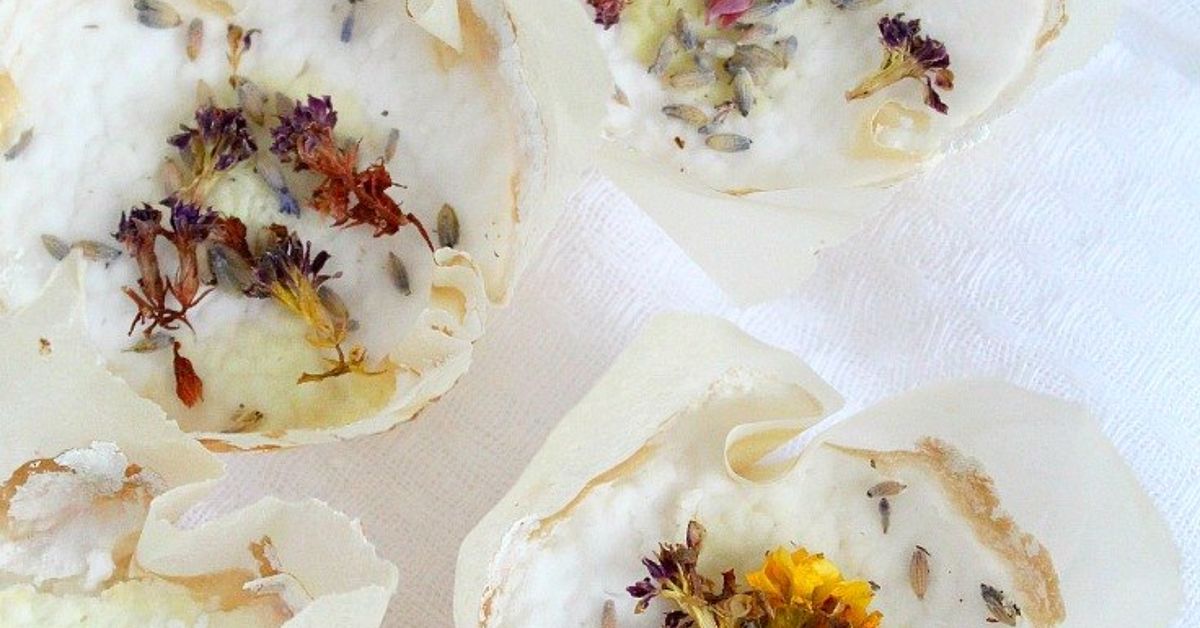
Press the mixture into small flower-shaped silicone molds. Add a few dried lavender buds on top. Place one in a small dish for a guest bathroom that says, “I have my life together,” even if you cleaned the mirror five minutes before guests arrived.
My Experience Making DIY Air Freshener Discs
The first time I made DIY air freshener discs, I treated the recipe like cookie dough, which was both understandable and completely wrong. I added too much water, stirred with dramatic confidence, and ended up with a mixture that looked less like craft paste and more like a science-fair volcano waiting for emotional support. The discs eventually dried, but they were fragile enough to crumble if I looked at them with disappointment.
The second batch was much better. The trick was adding water slowly. Not “pour and pray” slowly, but truly slowly: a tablespoon at a time, stirring between additions. The best texture felt like damp sand at the beach when you are building a sandcastle and pretending you are not too old to care about sandcastles. It held together when pressed but did not puddle in the bowl.
I tested the discs in several places: a bathroom shelf, the bottom of a kitchen trash can, a shoe cabinet, and a linen closet. The bathroom disc worked nicely because the space was small and the air moved just enough. The trash can disc helped only after the can had been washed and dried first. That part matters. A disc placed in a dirty trash can is not a deodorizer; it is a tiny witness.
The shoe cabinet test was the most satisfying. I used unscented baking soda discs in a small dish because I did not want oils touching shoes. After a few days, the cabinet smelled noticeably less stale. It did not smell like a mountain meadow, but it also did not smell like sneakers had formed a government.
The linen closet was where scent choice mattered most. I tried lavender first, and it was pleasant. Then I tried orange and cedarwood, and that became my favorite. It smelled warm, clean, and subtle. The key word is subtle. When I used too much essential oil, the closet smelled like it was trying to sell me a spa membership. A few drops go a long way.
I also learned that humidity changes everything. In a dry hallway closet, the discs stayed firm for weeks. In a humid bathroom, they softened faster and needed replacing sooner. That made sense because baking soda can absorb moisture. Now I use smaller discs in bathrooms and larger ones in closets.
Another lesson: silicone molds are better than rigid trays. The discs pop out more easily, and fewer break during removal. If you use a muffin tin, parchment liners help. Do not rush the drying stage. Give the discs at least 24 hours, and 48 hours is better if your home is humid.
My favorite practical habit is making a plain batch first, then adding scent later. Unscented discs are flexible. I can use them in pet-adjacent areas without fragrance, then add a drop of lavender or lemon to a few discs for adult-only spaces. This keeps the project simple and safer.
Overall, DIY air freshener discs are one of those small home projects that feel more useful than expected. They will not transform your house into a luxury hotel lobby, and honestly, that is probably for the best. But they can make closets, trash cans, bathrooms, and shoe areas feel fresher with very little effort. They are cheap, customizable, and forgiving. Even the ugly ones work. That is the kind of craft project we can all support.
Conclusion
DIY air freshener discs are a simple, affordable way to manage mild household odors while adding a gentle scent to small spaces. With baking soda as the base and optional essential oils for fragrance, these homemade deodorizing discs are easy to customize for bathrooms, closets, laundry rooms, shoe cabinets, and trash cans.
The smartest approach is to use them as part of a bigger freshness routine: remove odor sources, clean regularly, control moisture, improve ventilation, and use fragrance lightly. Keep essential oils away from children and pets, avoid placing discs directly on delicate surfaces, and remember that fresh air still beats fake fresh every time.
In short, these little discs are practical, budget-friendly, and oddly satisfying to make. They are not glamorous, but neither is baking soda sitting in a fridge, and that humble box has been doing heroic odor work for generations.