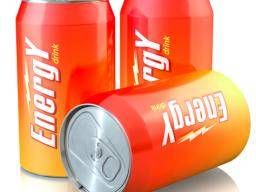
Energy drinks are sold as liquid motivation, but their caffeine load can hit a child’s smaller body like a marching band in a library. Poison-center data show that young children account for a striking share of repoful cans or contact with concentrated caffeine products. Here is what the numbers mean, why symptoms can escalate, and how families can prevent a routine afternoon from becoming an urgent medical call.
Why the Word “Disproportionate” Matters
Young children art for an unexpectedly large share of reports to U.S. poison control centers. A child may never buy a neon can or follow a fitness influencer, but the product can still be left on a counter, in a car cup holder, or beside a gaming setup.
An analysis of records from October 2010 through September 2013 examined 5,156 reported energy-drink exposures. More than 40% involved children younger than 6, and many were accidental. A later study covering 2011 through 2023 identified 32,482 caffeine energy-product exposures among people under 20. About 70% involved children younger than 6, and nearly all exposures in that age group were unintentional.
The newer study covered beverages, shots, tablets, capsules, powders, crystals, and granules, but not ordinary coffee, tea, or caffeinated soda. Concentrated products are especially concerning because a small amount may contain a large caffeine dose.
What a Poison Call Actually Means
A “poison call” does not mean every child was critically ill. Poison centers use the broader term exposure for actual or suspected contact with a substance, whether or not symptoms appear. A parent may call after one sip, after finding an empty can, or after a child becomes shaky and nauseated.
The databases also have limits. They capture only reported cases, product details may be incomplete, and they cannot prove that every recorded symptom was caused by the drink. Even so, the trend is hard to ignore. America’s Poison Centers reported a 24.2% increase in energy-drink exposure calls involving people under 20 from 2022 to 2023, with children ages 6 to 12 showing the largest proportional increase in their share of pediatric cases.
Why Energy Drinks Affect Children Differently
Caffeine is a stimulant that can increase alertness, heart rate, blood pressure, breathing, and urine production. In a smaller child with little or no caffeine tolerance, the familiar adult “buzz” may feel like every tablet notification arriving at once.
Smaller Bodies Receive a Larger Relative Dose
A drink does not adjust its caffeine content to the person holding it. If a 40-pound child and a 180-pound adult consume the same amount, the child receives a much larger dose per pound. Young children may also struggle to describe a pounding heartbeat, dizziness, nausea, or panic.
Sleep and Developing Brains Are Vulnerable
Caffeine blocks adenosine, a chemical involved in sleep pressure. It can delay bedtime, shorten sleep, and reduce sleep quality. For children and teens, repeated sleep disruption can affect mood, attention, learning, behavior, and athletic recovery.
One Product May Contain Several Stimulant Sources
Some energy products combine caffeine with guarana, yerba mate, green tea extract, or other performance additives. Guarana itself contains caffeine, serving sizes vary, and one container may hold more than one listed serving.
Energy Drinks Are Not Sports Drinks
Sports drinks generally provide water, carbohydrates, and electrolytes. Energy drinks are designed primarily to stimulate, often with substantial caffeine and added sugar. For routine play or a typical youth practice, water is usually the best hydration choice. Giving a child an energy drink before soccer is a little like replacing shin guards with a desk lamp: definitely a product, but not the one the situation requires.
Symptoms of Too Much Caffeine in a Child
Effects vary with body size, the amount consumed, the formulation, other ingredients, health conditions, and medications. Warning signs may include:
- Jitteriness, tremors, restlessness, or unusual agitation
- Nausea, vomiting, diarrhea, or stomach pain
- Headache, dizziness, sweating, or frequent urination
- Rapid or pounding heartbeat and elevated blood pressure
- Anxiety, irritability, confusion, or panic-like symptoms
- Difficulty falling asleep or staying asleep
- Rapid breathing or signs of dehydration
- In severe cases, an irregular heart rhythm, seizure, collapse, or loss of consciousness
Risk may be higher for children with heart disease, seizure disorders, high blood pressure, anxiety, diabetes, or stimulant sensitivity. Total daily caffeine also matters because soda, coffee drinks, chocolate, supplements, gum, medications, and pre-workout products all add up.
What Parents Should Do After an Exposure
Do not wait for dramatic symptoms or rely on a home remedy. In the United States, call Poison Help at 1-800-222-1222 for free, confidential guidance. Keep the container or a photo of the label nearby. Be ready to provide the child’s age and weight, product name, estimated amount, exposure time, symptoms, medications, and medical conditions.
Call 911 immediately for difficulty breathing, a seizure, collapse, severe confusion, an irregular heartbeat, or inability to awaken the child. Do not induce vomiting unless a medical professional directs you to do so.
Powders, Tablets, and “Dry Scooping” Raise the Stakes
The 2011–2023 study found a particularly sharp increase in exposures involving caffeine powders or granules, including some pre-workout mixes. Small measurement errors can produce large dosing errors when instructions are unclear, scoops vary, or a user takes a heaping scoop.
“Dry scooping,” or swallowing powder without mixing it into liquid, can deliver caffeine rapidly and create a choking or aspiration hazard. Pure and highly concentrated caffeine products are far more dangerous: the FDA warns that one teaspoon of pure powdered caffeine may contain roughly as much caffeine as dozens of cups of coffee. Ideally, these products should not be kept in homes with young children. When present, they should remain in original containers and be locked away from food.
Packaging and Everyday Availability Increase Risk
Fruit flavors, vivid colors, gaming themes, and sports imagery can blur the line between an adult stimulant and an ordinary sweet drink. Some cans resemble sparkling water or soda closely enough that even older children may not notice the difference.
Store energy products securely in every place a child spends time, including grandparents’ homes, vehicles, garages, backpacks, home gyms, and shared-custody households. Pour out unfinished cans, and never transfer powders or tablets into unlabeled cups, bags, or food containers. Toddlers are famously unreliable compliance officers, so storage works better than a stern warning.
How to Talk to School-Age Children and Teens
Explain what caffeine does, why serving size matters, and how the product can undermine the goal it promises to improve. A student may use an energy drink to study longer, yet poor sleep can impair attention and memory the next day. A young athlete may expect better performance, yet jitters, stomach upset, dehydration, or a racing heart can derail practice.
Teach children to recognize the words caffeine, energy, pre-workout, guarana, and stimulant. Encourage them to ask an adult before trying an unfamiliar drink or supplement. The family rule can be simple: children do not drink energy drinks.
Healthier Ways to Improve Energy
When a child says, “I need energy,” the real issue may be too little sleep, skipped meals, dehydration, stress, medication effects, or an overloaded schedule. Practical alternatives include a consistent bedtime, water, regular meals with protein and fiber, movement breaks, morning light, and a realistic study plan. Persistent fatigue, fainting, palpitations, headaches, or declining school performance deserves a pediatric evaluation.
Conclusion: Treat Energy Products Like Stimulants
“Disproportionate poison calls” describes a household safety problem hiding in plain sight. Energy drinks are legal and familiar, but familiarity is not the same as pediatric safety. The American Academy of Pediatrics advises that energy drinks are not appropriate for children and adolescents, and no safe caffeine dose has been established for young children.
Families can reduce risk by keeping drinks and concentrated caffeine products out of reach or locked away, teaching children to recognize stimulant products, modeling healthier beverage choices, and calling Poison Help promptly after a suspected exposure. Water may not arrive in a lightning-bolt can, but it has an excellent safety record and has never tried to convince a third grader to “unlock beast mode.”
Experience-Based Scenarios: How Accidental Exposures Commonly Happen
Note: The following scenarios are illustrative composites based on common exposure patterns described by poison centers and pediatric specialists. They are not identifiable patient histories.
The Open Can on the Coffee Table
A parent opens an energy drink while answering emails, takes a few sips, and leaves the room when the doorbell rings. A preschooler sees a colorful can, assumes it is soda, and drinks an unknown amount. The child soon becomes restless and says their “chest feels funny.” The parent’s first instinct may be to search online and estimate the missing liquid. The safer move is to call Poison Help with the can in hand. A specialist can use the child’s weight, product strength, possible amount, and symptoms to recommend the next step.
The Look-Alike Drink in the Refrigerator
A school-age child is allowed to choose a sparkling water after practice. A slim energy-drink can sits on the same shelf with similar fruit graphics. The child grabs it, drinks most of it quickly, and later develops nausea, shaking, and a fast heartbeat. This shows why verbal rules alone are not enough. Products children should never consume should not share easy-access refrigerator space with approved drinks. A locked location is safer than expecting a thirsty child to conduct a label audit.
The Pre-Workout Powder in the Home Gym
An older sibling keeps a tub of pre-workout powder near a shaker bottle. A younger child opens it because the powder smells sweet and tastes a small spoonful. No adult knows the exact amount. Concentrated powders create special uncertainty because dose depends on formulation and measurement. The family should not wait for symptoms, induce vomiting, or invent a dilution plan. Calling Poison Help immediately provides product-specific guidance. Prevention means locking the tub away and never storing its contents in an unlabeled bag or kitchen jar.
The Teen Who Uses Caffeine to Repair Lost Sleep
A teenager stays up late studying, drinks an energy beverage the next morning, has another before practice, and uses a caffeinated supplement in the evening. No single item seems extraordinary, but the total caffeine accumulates. The teen experiences anxiety, palpitations, stomach upset, and another sleepless night. The lesson is that caffeine exposure is cumulative across beverages, foods, supplements, and medicines. A calm review of the entire day is more useful than arguing about one brand.
The “They Seem Fine” Delay
A toddler takes several swallows from a visitor’s drink and initially behaves normally. The adults decide to watch because the child is not vomiting. Later, the child becomes unusually agitated and develops a rapid heartbeat. Symptoms may not be obvious immediately, and young children cannot always explain what they feel. Calling early lets a poison specialist establish a timeline and explain what to monitor. The experience families most want is the uneventful one: a quick expert call, sensible observation, and a new household rule that open energy drinks never remain within reach.