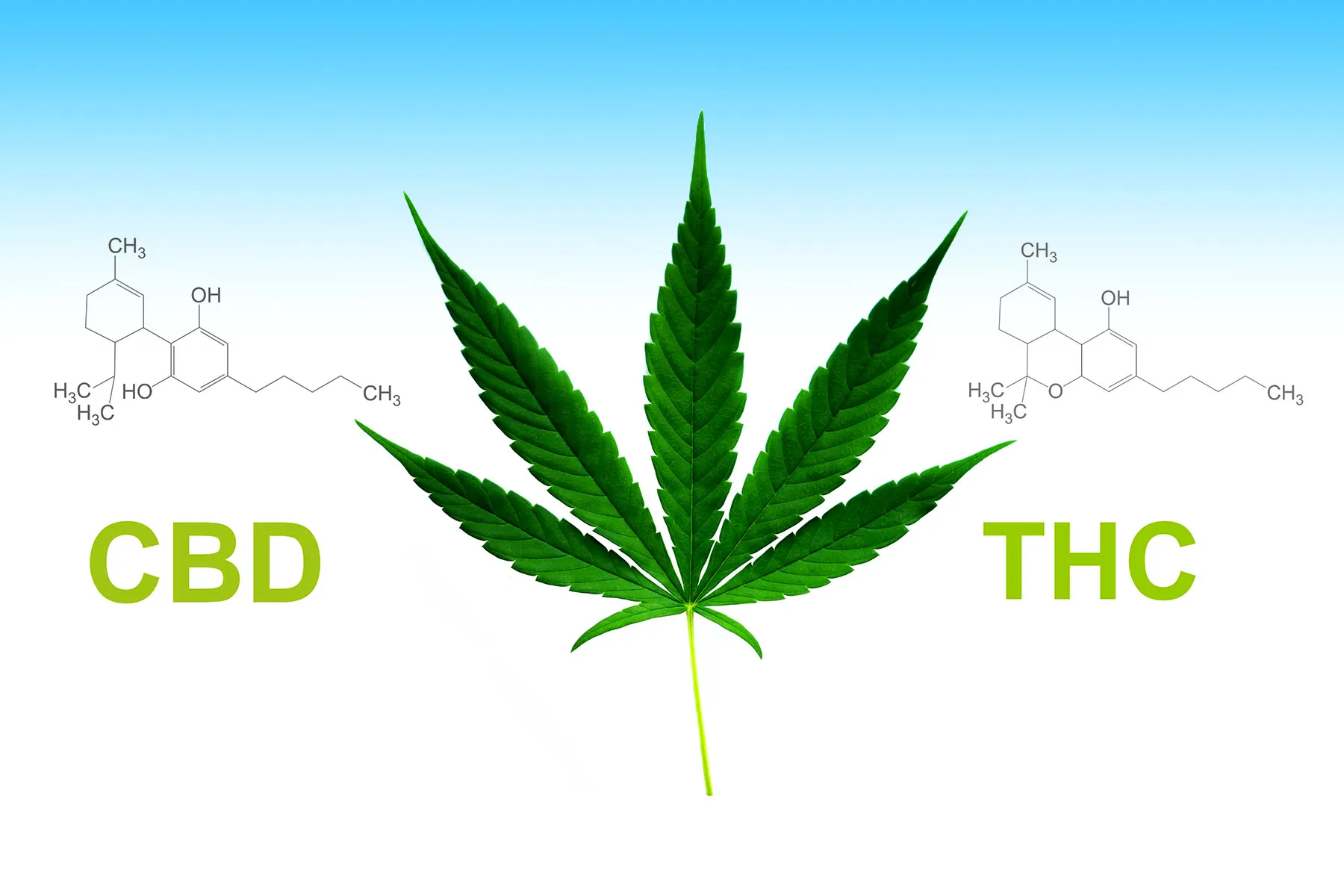
CBD and THC are two of the most talked-about compounds in cannabis, and for good reason: they sit at the center of a very noisy conversation about wellness, medicine, regulation, safety, and, yes, a lot of marketing that sounds like it was written by a yoga mat with a business degree. The short version is simple: CBD generally does not cause a high, while THC is the main intoxicating compound in cannabis. But the real differences between CBD vs. THC go much deeper than that.
Both CBD and THC are cannabinoids, meaning they are naturally occurring chemical compounds found in the cannabis plant. They interact with the body’s endocannabinoid system, a network involved in functions such as mood, appetite, pain signaling, memory, sleep, and immune response. However, they do not interact with that system in the same way, and that difference explains why THC can alter perception and coordination while CBD is considered non-intoxicating.
Understanding the difference matters because cannabis-related products are not all the same. A CBD oil, a prescription cannabidiol medication, a THC edible, a hemp-derived product, and a dispensary cannabis product can have very different effects, risks, legal status, and labeling accuracy. Confusing them is a little like confusing coffee, decaf, and espresso concentrate: they may come from the same general family, but your brain will definitely notice the difference.
What Is CBD?
CBD stands for cannabidiol. It is one of the major cannabinoids found in cannabis and hemp plants. Unlike THC, CBD is not considered impairing, meaning it does not typically cause the euphoric “high” associated with marijuana. This is the main reason CBD became popular in wellness products, topical creams, oils, capsules, beverages, and other consumer goods.
CBD is often marketed for stress, sleep, discomfort, inflammation, and general relaxation. However, marketing claims should be treated carefully. In the United States, the FDA has approved one prescription cannabidiol medication, Epidiolex, for seizures associated with specific rare conditions: Lennox-Gastaut syndrome, Dravet syndrome, and tuberous sclerosis complex. That does not mean every over-the-counter CBD product has the same quality, dose consistency, evidence, or medical effect.
What Is THC?
THC stands for tetrahydrocannabinol. More specifically, delta-9 THC is the primary psychoactive cannabinoid in cannabis. It is the compound most responsible for the high linked with marijuana. THC can affect mood, perception, memory, coordination, reaction time, appetite, and decision-making. Depending on the person and the product, it may produce relaxation or euphoria, but it may also cause anxiety, confusion, panic, or unpleasant mental effects.
THC is not limited to one form. Delta-9 THC is the best known, but other THC-related cannabinoids, including delta-8 THC, have appeared in hemp-derived products. These can still be intoxicating and may carry additional concerns because manufacturing quality and labeling can vary widely. In plain English: “hemp-derived” does not automatically mean “non-intoxicating,” and a cute package does not make a product safe.
CBD vs. THC: The Core Difference
The biggest difference between CBD and THC is intoxication. THC can cause a high; CBD does not usually do that on its own. This happens because THC binds strongly to CB1 receptors in the brain, which are involved in mood, memory, coordination, and perception. CBD has a more indirect relationship with cannabinoid receptors and appears to influence several signaling systems rather than acting like THC.
This difference changes everything: how people experience the compound, how it is regulated, how it may affect driving or school or work, whether it might show up on a drug test, and how cautious a person should be around mental health, pregnancy, medications, or developing brains.
CBD vs. THC: Side-by-Side Comparison
| Feature | CBD | THC |
|---|---|---|
| Main name | Cannabidiol | Tetrahydrocannabinol |
| Intoxicating effect | Generally non-intoxicating | Intoxicating; can cause a high |
| Primary concern | Drug interactions, liver effects, inaccurate labels, side effects | Impairment, anxiety, dependence risk, cognition, driving safety |
| Drug testing | Pure CBD should not trigger THC results, but contaminated or full-spectrum products may | May trigger a positive THC test |
| FDA-approved medicines | Prescription cannabidiol product for certain seizure disorders | Synthetic THC-related prescription drugs exist for specific medical uses |
| Common consumer confusion | Assuming all CBD products are risk-free | Assuming all hemp-derived THC products are mild or legal everywhere |
How CBD and THC Affect the Body
CBD Effects
CBD is commonly described as calming, but that does not mean it is harmless or universally effective. Some people report drowsiness, changes in appetite, dry mouth, diarrhea, or fatigue. CBD can also interact with medications because it may affect how the liver processes certain drugs. This is especially important for people taking seizure medications, blood thinners, antidepressants, sedatives, or other prescriptions.
Another important point: CBD products sold outside prescription channels may not contain what the label says. Some may contain more CBD than listed, less CBD than listed, or detectable THC. That matters for safety, drug testing, and unexpected impairment.
THC Effects
THC can produce stronger and more noticeable effects on the brain. It may change sensory perception, slow reaction time, impair coordination, and affect short-term memory. Some people experience relaxation or increased appetite; others experience anxiety, paranoia, dizziness, or confusion. These effects can be more intense with high-potency products or products that are eaten rather than inhaled, because delayed onset can lead people to underestimate the effect.
THC can also affect driving and other activities that require attention and coordination. Mixing THC with alcohol or other substances can increase impairment. For teens and young adults, cannabis use raises additional concern because the brain is still developing, especially in areas related to decision-making, learning, and impulse control.
Legal Differences Between CBD and THC
In the United States, the legal difference between CBD and THC is complicated. Hemp is generally defined federally as cannabis containing no more than 0.3% delta-9 THC by dry weight. CBD derived from hemp is often treated differently from marijuana under federal law, but that does not mean every CBD product is automatically legal in every form or every state.
THC remains much more tightly controlled at the federal level when it comes from marijuana. At the same time, state laws vary widely. Some states allow medical cannabis, some allow adult-use cannabis, some restrict THC products heavily, and some have special rules for hemp-derived cannabinoids. The result is a legal patchwork that can feel less like a map and more like a board game designed by attorneys.
The FDA has also made clear that many cannabis-derived products are not approved to diagnose, treat, cure, or prevent disease. Prescription cannabinoid medicines exist, but consumer CBD and THC products should not be confused with FDA-approved medications.
Medical Uses: What Has Stronger Evidence?
The best-supported medical use of CBD in the United States is prescription cannabidiol for certain rare seizure disorders. That is very different from saying every CBD gummy, oil, or drink has proven medical benefits. Many wellness claims around CBD are still being studied, and evidence varies by condition.
THC-related prescription drugs also exist. FDA-approved synthetic cannabinoid medications include products used for specific situations such as nausea and vomiting related to chemotherapy when other treatments have not worked, or appetite-related issues in certain medical contexts. These are regulated medicines, not the same thing as buying a random cannabis product and hoping the label is feeling honest today.
For pain, sleep, anxiety, inflammation, and other commonly advertised uses, the research picture is mixed. Some studies suggest potential benefits in certain settings, while others show limited results, side effects, or insufficient evidence. The responsible takeaway is not “CBD does everything” or “THC fixes everything.” The better takeaway is: cannabinoids are biologically active, some have medical promise, and quality research matters.
Side Effects and Safety Concerns
CBD Safety Concerns
CBD is often described as gentle, but it can still cause side effects. Reported issues include sleepiness, digestive changes, reduced appetite, and dry mouth. More importantly, CBD can interact with medications and may affect liver enzymes. People with liver disease, people taking prescription medication, pregnant people, and children should be especially cautious and should not rely on casual online advice.
THC Safety Concerns
THC can impair judgment, coordination, learning, memory, and reaction time. It may also worsen anxiety or trigger panic in some people. Frequent or heavy THC use can increase the risk of cannabis use disorder, and some individuals may experience withdrawal symptoms when stopping after regular use. THC may also be riskier for people with a personal or family history of psychosis or certain mental health conditions.
Product Quality Concerns
One of the biggest shared risks is product quality. Labels may be inaccurate. Products may contain unexpected THC. Some may contain contaminants, residual solvents, pesticides, heavy metals, or other unwanted compounds. This is especially concerning with unregulated or poorly tested products. A package that says “natural” does not automatically mean “safe.” Arsenic is natural too, and nobody is putting it in a smoothie on purpose.
Will CBD or THC Show Up on a Drug Test?
THC can show up on drug tests. CBD itself is not usually the target of standard drug testing, but some CBD products contain THC, especially full-spectrum products or mislabeled items. That means a person using a CBD product could still face a positive THC result if the product contains enough THC or if use is frequent enough.
This matters for jobs, athletics, school policies, legal situations, and medical programs. Anyone subject to testing should be cautious about assuming a CBD label guarantees no THC exposure. In real life, “THC-free” should mean exactly that, but the marketplace has not always been a shining temple of precision.
CBD vs. THC for Anxiety, Sleep, and Pain
CBD and THC are often discussed for anxiety, sleep, and pain, but they do not behave the same way. CBD is commonly marketed as calming, and some early research suggests it may have potential in anxiety-related conditions. However, more evidence is needed, especially for over-the-counter products.
THC may help some adults feel relaxed or sleepy, but it can also increase anxiety, especially in higher-potency products or in people sensitive to its effects. For pain, cannabis-based approaches remain an active research area, but results depend heavily on the condition, product type, cannabinoid content, and individual biology.
The most important point is that symptoms such as chronic pain, insomnia, anxiety, or nausea deserve proper medical evaluation. Self-treating with poorly labeled products can delay real care, create medication interactions, or cause unexpected side effects.
CBD vs. THC: Which Is “Better”?
Neither CBD nor THC is automatically better. They are different compounds with different effects, risks, and evidence. CBD may be preferable in contexts where intoxication is unwanted, but it is not risk-free. THC may have specific medical uses, but it can impair thinking and coordination and carries a higher risk of misuse.
The smarter question is not “Which one is better?” It is “What is the purpose, what does the evidence say, what are the risks, and is a qualified healthcare professional involved?” That question is less catchy, but it is far more useful.
Common Myths About CBD and THC
Myth 1: CBD Has No Side Effects
CBD can cause side effects and can interact with medications. It may be non-intoxicating, but non-intoxicating does not mean biologically inactive.
Myth 2: THC Is Always Dangerous
THC has real risks, especially around impairment and frequent use, but regulated THC-related medications have specific medical roles. The problem is oversimplification. Science rarely fits on a bumper sticker.
Myth 3: Hemp Products Cannot Get You High
Some hemp-derived products contain intoxicating cannabinoids, including delta-8 THC or other THC-like compounds. Hemp-derived does not always mean non-intoxicating.
Myth 4: A CBD Label Guarantees No THC
Not always. Some CBD products may contain THC because of full-spectrum formulation, contamination, or inaccurate labeling.
Real-World Experiences: What People Often Notice When Comparing CBD vs. THC
In real-world conversations, the difference between CBD and THC often becomes clearest through everyday scenarios. Imagine someone hearing about CBD from a friend who says it helped them feel more relaxed after a stressful day. That person may expect a dramatic effect, only to find that CBD feels subtle, or perhaps they notice nothing at all. This is common because CBD does not usually create a strong, obvious mental shift. For many people, the experience is not “Whoa, what just happened?” but more like, “Maybe I feel a little calmer, or maybe my couch is just very persuasive.”
THC experiences tend to be much more noticeable. People may describe changes in perception, time, appetite, mood, or body sensation. Some adults report relaxation or laughter, while others report anxiety, racing thoughts, or discomfort. This split reaction is one reason THC can be unpredictable. The same product category that feels relaxing to one person may feel overwhelming to another. Body chemistry, mental state, potency, environment, tolerance, and product quality all influence the experience.
Another practical difference people notice is next-day impact. CBD, especially if it causes drowsiness, may leave some people feeling tired. THC may affect sleep architecture, memory, motivation, or morning clarity in some users, particularly with frequent use or higher-potency products. This is why casual stories can be misleading. A friend may say, “It helped me sleep,” while leaving out the part where they felt foggy the next morning and had a staring contest with their alarm clock.
People also learn quickly that labels matter. A person may buy something marketed as CBD and later discover it contains THC. This can be stressful if they are avoiding intoxication, subject to drug testing, or sensitive to THC. For this reason, consumers and clinicians often emphasize caution around product claims, especially in an uneven marketplace.
Healthcare conversations are another common experience. Patients may feel embarrassed to ask about CBD or THC, but clinicians generally prefer honest questions over guessing games. A doctor or pharmacist can help identify medication interactions, liver concerns, pregnancy risks, mental health considerations, and whether symptoms need a different evaluation. That discussion can prevent a lot of problems.
The biggest lesson from real-world CBD vs. THC experiences is that cannabinoids are not one-size-fits-all. CBD is not magic. THC is not harmless. Both deserve respect because both can affect the body. A thoughtful, evidence-based approach beats hype every time.
Conclusion: CBD and THC Are Related, Not Interchangeable
CBD and THC come from the same plant family, but they are not twins. CBD is generally non-intoxicating and best known for its role in a prescription seizure medication and its widespread wellness marketing. THC is intoxicating and can affect perception, reaction time, mood, memory, and coordination. Both compounds may have medical relevance, but both also come with safety questions, especially when products are mislabeled, unregulated, or used without medical guidance.
For readers comparing CBD vs. THC, the safest takeaway is simple: know the difference, question bold claims, consider legal and testing issues, and talk with a qualified healthcare professional before using cannabis-derived products for health concerns. Cannabis science is moving fast, but common sense still gets a front-row seat.