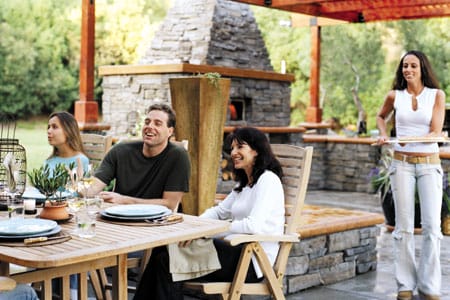
Some people dream of a backyard pool. Others dream of a fire pit. But the true overachievers dream of flipping burgers, slicing limes, and pretending they are the calm, capable host in a home design show. That is the magic of a well-planned outdoor kitchen. It is not just a grill with commitment issues. It is a working space that brings cooking, conversation, and fresh air together in one smart setup.
If you want your backyard kitchen to look great and actually work, design comes first. The best outdoor kitchens are not the biggest or the most expensive. They are the ones that fit the way you cook, the way you entertain, and the way your yard behaves on a windy Tuesday night. Before you buy shiny appliances that whisper bad financial decisions, it helps to think through layout, materials, utilities, storage, lighting, and weather protection.
This guide breaks down how to design an outdoor kitchen that feels polished, practical, and worth every square inch. Whether you want a compact grill station or a full backyard cooking zone with seating, prep space, and a sink, here is how to make it happen without turning your patio into a beautiful inconvenience.
Why Outdoor Kitchen Design Matters
An outdoor kitchen should do more than look impressive in photos. It should support real cooking, easy cleanup, comfortable movement, and relaxed entertaining. The design phase matters because outdoor spaces have more variables than indoor kitchens. Sun shifts. Rain shows up uninvited. Smoke drifts. Surfaces heat up. Guests wander directly into your prep zone asking where the chips are.
Good outdoor kitchen design solves these problems before construction starts. It helps you choose the right location, keeps your work zones organized, and prevents common regrets like not having enough counter space, placing the grill where smoke blows toward the house, or forgetting a trash pullout until you are carrying napkins through the yard like a defeated raccoon.
When done well, a backyard kitchen becomes part of your daily life. It can be a casual breakfast station, a summer dinner spot, a weekend pizza corner, or the center of every birthday, game day, and family gathering. That is why the smartest designs start with lifestyle, not just looks.
Start with How You Actually Cook
Before choosing finishes or appliances, ask one very honest question: what will you really use? If your version of outdoor cooking is burgers, skewers, and corn on the cob, you may only need a built-in grill, a compact refrigerator, and a generous prep counter. If you host often and love cooking outside, your needs may include a sink, side burner, pizza oven, ice storage, bar seating, and serious weather coverage.
Build Your Wish List in Three Tiers
Must-haves: the features you will use all the time, such as a grill, prep surface, storage, and task lighting.
Nice-to-haves: upgrades that improve convenience, like a sink, beverage fridge, trash drawer, or warming drawer.
Luxury extras: specialty items like a smoker, kegerator, pizza oven, dishwasher, or custom bar.
This simple exercise keeps the project focused. It is also the easiest way to avoid building a backyard version of a showroom that looks amazing and functions like a museum exhibit.
Choose the Right Location
Location is one of the biggest decisions in outdoor kitchen design. It affects convenience, comfort, utilities, and how often you use the space. A kitchen placed close to the house is usually easier and less expensive because gas, water, and electricity runs may be shorter. It also makes carrying ingredients, dishes, and forgotten condiments much easier. Nobody wants a 70-foot round trip for a missing spatula.
At the same time, proximity is not the only goal. You also want to consider prevailing wind, sun exposure, privacy, views, and traffic flow. A grill directly under a low roof or too close to doors and windows can create smoke and ventilation issues. A kitchen in full afternoon sun may look gorgeous at noon and feel like the surface of Mercury by dinnertime.
Questions to Ask About Placement
Is the surface level and strong enough for heavy appliances and counters? Will the grill smoke drift away from seating and the house? Is there enough room for people to gather without blocking the cook? Can the design connect naturally to your patio, dining area, or pool zone? These details shape whether the space feels effortless or awkward.
Pick a Layout That Matches Your Space
Outdoor kitchens do not need to be huge to be effective. The right layout depends on your yard size, appliance list, and how many people usually gather.
Straight-Line Layout
This is ideal for smaller patios and modest budgets. Everything lines up along one wall or island: grill, prep counter, and storage. It is clean, efficient, and easier to build. If your backyard is compact, this layout keeps the footprint tight while still looking intentional.
L-Shaped Layout
An L-shape creates better separation between cooking and prep areas. It gives you more usable counter space and can help define the kitchen as a true zone within a larger patio. This is a strong choice for families who want both function and style without going overboard.
U-Shaped Layout
If you entertain often, a U-shaped design delivers the most work surface and storage. It surrounds the cook with everything within easy reach. The only catch is that it needs enough room to avoid feeling cramped. In a tight yard, a U-shape can make the cook feel like they are trapped inside a very expensive horseshoe.
Island and Bar Layout
This is the social butterfly option. A central island with seating encourages guests to hang around without stepping into the prep zone. It works especially well when you want the kitchen to feel like part cooking station, part outdoor lounge.
Create Functional Zones
The best outdoor kitchens work in zones, just like good indoor kitchens. Even a simple setup should separate the major tasks so cooking feels smoother and safer.
The Core Zones to Plan
Cooking zone: grill, side burner, smoker, or pizza oven.
Prep zone: landing space next to the grill, cutting area, seasoning space, and access to utensils.
Cleanup zone: sink, trash, recycling, paper towels, and cleaning supplies.
Serving zone: pass-through counter, buffet space, or bar seating.
Cold storage zone: refrigerator, beverage cooler, or insulated ice bin.
One of the most overlooked details is landing space beside the grill. You need room to set down platters, tongs, sauces, and hot trays. Without it, every meal turns into an awkward balancing act. Add storage for plates, glasses, and grill tools, and suddenly your outdoor kitchen feels like a real kitchen instead of a cooking stunt.
Choose Materials That Can Handle the Outdoors
Outdoor kitchen materials need to do more than look nice. They must stand up to moisture, temperature swings, grease, sunlight, and constant cleanup. This is not the place for delicate finishes that get dramatic after one thunderstorm.
Best Material Categories to Consider
Cabinetry: Stainless steel, powder-coated metal, marine-grade polymer, and other exterior-rated materials are popular because they are built for weather exposure. The right choice depends on your climate and budget.
Countertops: Concrete, granite, soapstone, and certain outdoor-rated surfaces are common choices. Look for durability, easy maintenance, and performance in your local climate. In freeze-thaw areas, material selection and installation details matter even more.
Base finishes: Stone veneer, brick, stucco, and concrete block can all work beautifully. Match them to your house and surrounding hardscape for a more cohesive look.
Flooring: Pavers, concrete, stone, and tile can work outdoors, but slip resistance, drainage, and heat retention should guide your decision.
A smart rule is to design for your actual climate, not your fantasy one. If your summers are brutally hot, dark counters may feel like frying pans. If your area gets heavy rain, protected storage and quick-drying materials become more important than style trends.
Appliances: Buy for Function, Not Bragging Rights
The grill is usually the star of the show, but it should not be the only decision. Think about how the rest of the appliances support your routine. A beverage fridge may be more useful than a side burner. A sink may save more time than a second grill. A trash drawer may quietly become your favorite feature because it saves you twenty annoying trips indoors.
Common Outdoor Kitchen Appliances
Built-in grill, freestanding grill, side burner, refrigerator, ice maker, sink, pizza oven, smoker, storage drawers, access doors, and warming units are among the most common additions. The trick is scale. Do not cram every appliance into the plan if it leaves no counter space or walking room.
Also remember that covered kitchens may require more thought about ventilation, especially when using larger grills or heat-heavy appliances. Always check local building requirements and manufacturer specifications before installation.
Do Not Forget Lighting, Shade, and Seating
Many outdoor kitchens look finished during the day and useless at night. That is because lighting gets treated like an afterthought. Good design includes layered lighting from the start.
Lighting That Makes the Space Work
Task lighting: Focused light over the grill, prep counters, and sink.
Ambient lighting: Softer overhead or wall lighting for general atmosphere.
Accent lighting: Step lights, under-counter lighting, or subtle highlights that improve mood and visibility.
Shade matters just as much. Pergolas, roof extensions, umbrellas, and covered pavilions can make the kitchen more comfortable and more usable across seasons. They also help protect finishes and make guests more likely to linger. Add weather-friendly stools, a dining table, or a lounge zone nearby, and the space begins to function like an outdoor room instead of a random grill island dropped onto concrete.
Plan Utilities Early
Utilities are the behind-the-scenes heroes of every successful outdoor kitchen. Gas, electric, water, and drainage should be addressed before you fall in love with a layout. Moving utility lines later is expensive, frustrating, and the kind of lesson nobody wants to learn twice.
If you want a sink, refrigerator, lighting, outlets, or entertainment features, plan them from day one. Think about where outlets should go for convenience, how water will be supplied and drained, and whether natural gas or propane makes more sense for your setup. Also think about local permit needs. Depending on the design, electrical work, plumbing, roofing, or structural elements may require approvals and inspections.
Make Storage Work Harder
Storage is what separates a polished kitchen from a patio with clutter. Outdoor cooking generates more gear than people expect: grill tools, fuel, spices, trays, cutting boards, cleaners, paper towels, and serving pieces. If there is no dedicated place for them, your countertops become permanent storage units.
At minimum, include weather-resistant drawers or access doors, a trash solution, and storage near the prep area. If you entertain often, add a zone for dishes and drinkware. If children or frequent guests are part of the picture, consider where coolers, snacks, and self-serve drinks can go without crowding the cook.
Design for Style, But Tie It to the House
An outdoor kitchen should feel connected to your home, not like it was delivered from another zip code. Repeating materials, colors, or architectural lines from the house helps the whole backyard feel more intentional. A modern home may pair well with sleek cabinetry, large-format pavers, and minimal detailing. A traditional home may look better with stone, warm wood accents, and softer textures.
You do not need a perfect match. You just need visual harmony. Even small choices like coordinating hardware finishes, countertop tones, or bar stool style can make the space feel designed rather than assembled.
Smart Budget Moves
Outdoor kitchens can range from simple and sensible to “we accidentally built a resort.” A smart budget focuses on the elements that improve daily use first. Spend on a quality grill, durable counters, reliable utilities, and enough prep space. Save on extras you may not truly need in phase one.
Modular systems can be a practical option for homeowners who want a faster installation and more predictable cost. Custom builds offer more design freedom but typically require more time, coordination, and money. A phased approach also works well. Start with the core kitchen, then add a pergola, pizza oven, or upgraded seating later.
Common Outdoor Kitchen Mistakes to Avoid
Design mistakes are usually not dramatic. They are annoying. They show up every time you cook. Not enough counter space. No trash bin. Poor lighting. Bad traffic flow. Storage that is too far from the prep area. A grill placed where the smoke heads straight for guests. These are the details that make a beautiful kitchen frustrating to use.
Another common mistake is overbuilding for the yard. A giant kitchen can overwhelm a modest patio and leave little room for circulation or seating. Bigger is not always better. Better is better.
The Experience of a Well-Designed Outdoor Kitchen
A well-designed outdoor kitchen changes the mood of a home in ways that are easy to underestimate. On paper, it sounds like a project about grills, countertops, and cabinets. In real life, it becomes a place where evenings stretch a little longer and simple meals feel more memorable. The experience starts before anyone cooks. You step outside with a tray of ingredients, and instead of feeling like you are improvising on a patio, everything has a place. The prep counter is right there. The sink is close by. The fridge already holds cold drinks. You are not running back inside every six minutes because the kitchen forgot to be a kitchen.
That convenience changes the energy of entertaining. Guests naturally gather near the bar or island, but they do not crowd the cook because the layout quietly guides them where to stand. Someone leans on the counter with a drink. Kids hover near the snack side. Music drifts through the yard. The grill is doing its job, but the space is what makes everything feel easy. Good design creates that invisible comfort where people know where to sit, where to chat, and where not to stand with a plate while you are trying to flip shrimp.
There is also something satisfying about how an outdoor kitchen slows people down. Dinner becomes less about rushing in and out and more about staying present. You notice the smell of fresh herbs, charcoal, citrus, and evening air all mixing together. Even weeknight meals can feel like an occasion when you are cooking under soft lights with a fan overhead and a little room to breathe. That is part of the appeal. A thoughtful backyard kitchen does not just add function. It adds atmosphere.
Seasonality makes the experience even better. In spring and summer, the kitchen becomes the center of backyard life. In fall, it turns into a cozy place for roasting vegetables, serving warm drinks, and gathering around heaters or a fire feature nearby. Even in smaller spaces, a smart design can create that “favorite spot” feeling, where people automatically drift outside because it is the nicest place to be.
What surprises many homeowners is how often the space gets used for things beyond cooking. Morning coffee tastes better at an outdoor counter. Weekend brunch becomes easier when there is room to serve fruit, pastries, and coffee without juggling everything through the back door. A simple fridge and prep area can turn the space into a casual outdoor hub even when the grill stays off.
In the end, the best experience of all is that the kitchen feels natural. It does not look like a trendy add-on or a flashy backyard trophy. It feels like it belongs to the house and to the people who live there. It supports how they eat, host, relax, and spend time together. That is what good design does. It quietly removes friction and leaves behind a space people actually want to use. And when that happens, your outdoor kitchen stops being a project and starts becoming part of your life.
Conclusion
If you want to design your outdoor kitchen well, think beyond the grill. Focus on location, workflow, durable materials, smart storage, comfort, and the way people naturally gather. The best backyard kitchens are not built from random upgrades. They are shaped by real habits, real weather, and real entertaining needs.
Start with what you actually cook. Choose a layout that fits your space. Plan the utilities before construction. Prioritize prep areas, lighting, and seating. Then finish the space with materials and details that feel connected to your home. Do that, and your outdoor kitchen will not just look good for one summer. It will keep earning its place year after year, one grilled dinner at a time.