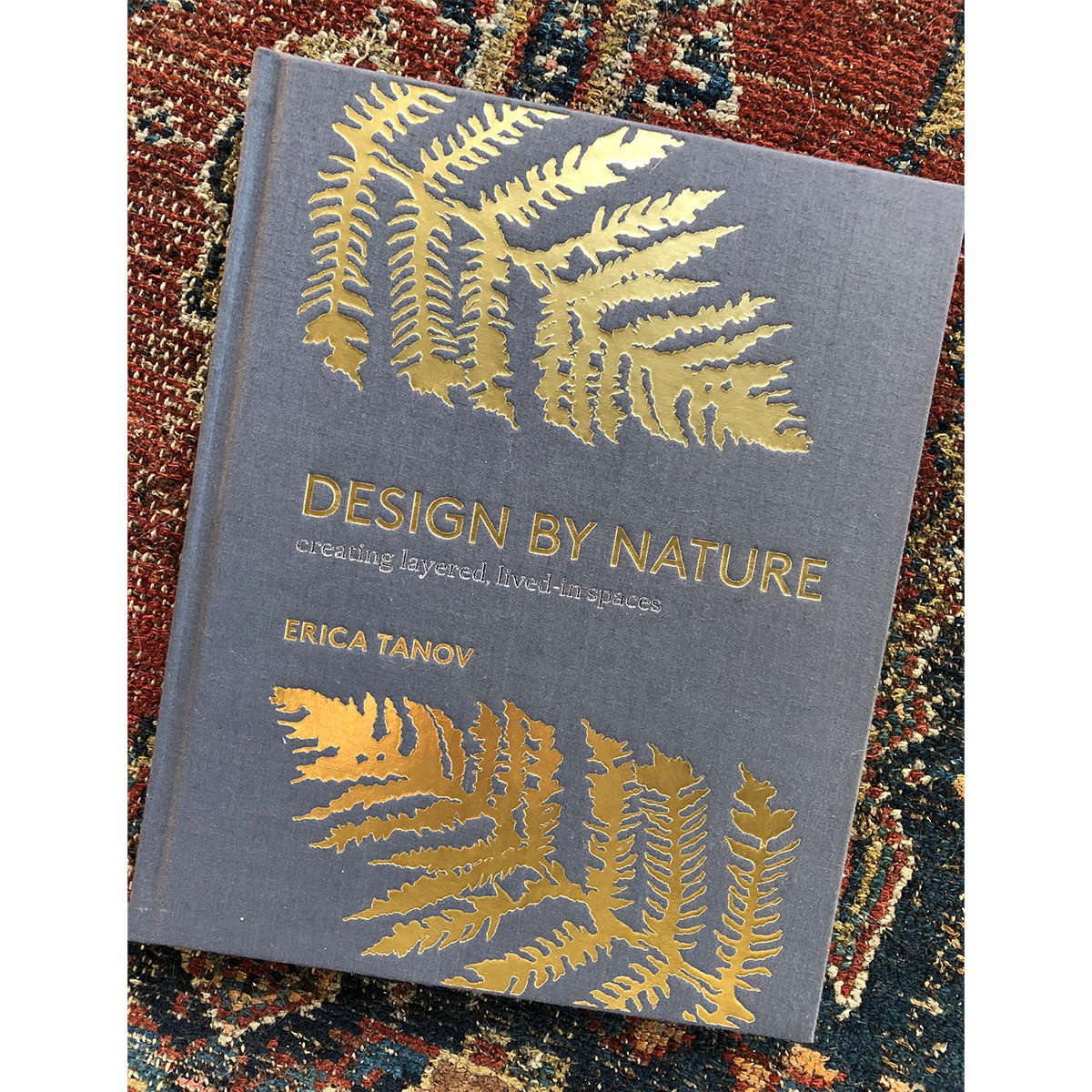
Some of the smartest designers in the world have started doing something refreshingly humble: looking outside. Not outside for coffee. Outside for answers. The curve of a leaf, the structure of a nest, the cooling logic of a termite mound, the flexibility of a wing, the patience of a forest floornature has been prototyping solutions for a very long time. Roughly billions of years long. That is a research-and-development budget no startup can match, even if it stocks the office fridge with sparkling water and emotional support granola.
That is the heart of Design By Nature: a way of thinking that treats the natural world not as wallpaper, but as mentor. It shows up in architecture, interiors, product design, materials, engineering, and even urban planning. Sometimes it means directly borrowing a strategy from biology. Sometimes it means creating spaces that restore people by reconnecting them with daylight, airflow, texture, water, and greenery. Either way, the big idea is the same: when design works with living systems instead of fighting them, the results are usually smarter, calmer, cleaner, and far more beautiful.
In a world filled with hot buildings, tired cities, stressed-out workers, and enough synthetic nonsense to make a mushroom file a complaint, design inspired by nature feels less like a trend and more like common sense catching up. It asks a simple but powerful question: if nature has already solved a problem elegantly, why are we reinventing the wheel with extra plastic?
What “Design By Nature” Really Means
At its core, Design By Nature blends three related ideas: biomimicry, biophilic design, and ecological design. They overlap, but they are not identical twins wearing matching linen outfits.
Biomimicry: Learning From How Nature Solves Problems
Biomimicry looks at how living organisms function and asks how those strategies can inform human design. A termite mound regulates airflow. A water lily distributes structural stress with stunning efficiency. An insect wing folds compactly and opens fast. These are not random quirks. They are highly refined solutions shaped by survival, adaptation, and repetition over time.
When designers study those systems, they often uncover lessons in strength, resilience, energy efficiency, modularity, and waste reduction. In other words, nature is the original no-nonsense engineer. No bloated slide deck. No buzzwords. Just performance.
Biophilic Design: Creating Spaces Humans Actually Enjoy
Biophilic design focuses less on copying a biological mechanism and more on supporting the human need to connect with nature. Think daylight, greenery, views, natural materials, flowing forms, subtle movement, and spaces that balance openness with shelter. If biomimicry asks, “How does nature do it?” biophilic design asks, “How do humans feel better when nature is present?”
This matters because people are not machines who can thrive in beige boxes with fluorescent lights and one sad fern in the lobby. Natural cues help reduce stress, improve focus, and make built environments feel more alive. A well-designed room can do more than look nice in a photo. It can calm the nervous system before your third email of the morning has a chance to start a feud.
Ecological Design: Respecting the Whole System
Ecological design takes the wide-angle view. It considers how a building, product, or place affects water, energy, habitats, climate, and long-term resilience. This is where the question becomes bigger than style. A project is not just an object. It is part of a living context. It draws resources, changes a site, influences behavior, and leaves a footprint long after the ribbon-cutting ceremony and the awkward canapés are gone.
Why Nature-Inspired Design Matters More Than Ever
The appeal of nature-inspired design is not merely poetic. It is practical. Buildings consume enormous energy. Cities intensify heat. Products often create waste faster than they create delight. Meanwhile, human beings continue to react favorably to light, air, water, pattern, vegetation, and sensory richness. That should tell us something.
Design By Nature offers a better path because it merges performance and experience. It helps architects create structures that respond to climate more intelligently. It helps product designers develop forms and materials that use less energy or perform more efficiently. It helps interior designers create spaces where people can think clearly, recover mentally, and maybe avoid feeling like they are trapped inside a very polished spreadsheet.
There is also a powerful sustainability argument here. Nature wastes very little. In healthy ecosystems, one process feeds another. By contrast, modern design has often operated like a chaotic kitchen after a holiday dinner: too much packaging, too much heat, too much leftover mess, and no clear plan for what happens next. Design By Nature pushes us toward circular thinking, adaptable materials, and systems that age more gracefully.
Famous Examples of Design By Nature in Action
1. Buildings That Learn From Termite Mounds
One of the most talked-about examples in biomimicry is passive building ventilation inspired by termite mounds. The famous Eastgate Centre in Harare became notable for using climate-responsive design to reduce reliance on conventional air conditioning. Its ventilation logic, thermal mass, and airflow strategy showed that buildings do not always need to blast cold air like they are trying to freeze an argument in progress. Sometimes they can breathe.
The lesson is bigger than one building. Nature-inspired architecture reminds us that temperature control starts with orientation, massing, shade, air movement, and material behaviornot just equipment hidden in mechanical rooms. Passive design is not old-fashioned. It is sophisticated restraint.
2. Homes That Work With the Sun Instead of Against It
Passive solar design follows a similar logic. By using site conditions, window placement, thermal mass, shading, and seasonal sun angles, homes can reduce energy loads while improving comfort. This is a classic example of Design By Nature because it does not force the environment into submission. It studies the environment, then collaborates with it.
Good design, in this sense, is less about domination and more about timing. Morning light becomes an asset. Shade becomes a strategy. Airflow becomes architecture. Suddenly, sustainability looks less like sacrifice and more like intelligence with better manners.
3. Structural Ideas Borrowed From Lily Pads
Nature also inspires structural innovation. The giant Amazonian water lily has drawn attention because of the way its underside distributes force through a network of branching supports. That geometry has inspired designers and engineers who are looking for lightweight strength in buildings, platforms, and other structures. It is a beautiful reminder that elegance and performance are not enemies. A form can look delicate and still be astonishingly capable.
Designers love that kind of revelation. It is the moment when the pretty thing turns out to be the smart thing too. Nature has been winning that contest for ages.
4. Foldable Engineering Inspired by Wings and Tiny Organisms
Another rich area of inspiration comes from folding systems in nature. Insects that tuck wings into compact spaces and organisms that expand and retract in surprising ways are giving engineers ideas for drones, robotics, and deployable structures. When a tiny creature can solve the problem of expansion, storage, and retraction better than a team with software and snacks, it is worth paying attention.
This is where Design By Nature becomes especially exciting. It is not stuck in rustic aesthetics or leafy patterns. It can be highly advanced, deeply technical, and future-facing. Nature is not anti-technology. It is often better technology.
5. Fashion and Materials That Think Like Living Systems
Nature-inspired design is moving into textiles and materials as well. Designers and research groups are exploring fibers, bio-based materials, and manufacturing systems that are more compatible with biological cycles. Instead of making materials that linger as pollution for generations, the goal is to create materials that behave more like something ecosystems can actually recognize, process, and reintegrate.
That shift could change the story of fashion and product design in a major way. Imagine clothes and materials designed not just for appearance and performance, but also for afterlife. That is the sort of question nature would ask immediately: what happens next?
The Design Principles Nature Teaches Best
Use Only What You Need
Nature tends to be efficient. Structures are often lightweight but strong. Systems are responsive, not excessive. Great nature-inspired design follows that same logic by avoiding unnecessary materials, reducing energy demand, and letting form do more work.
Adapt to Local Conditions
A desert plant and a wetland plant do not solve the same problem the same way. Good design should show similar humility. It should respond to climate, geography, daylight, water, and culture instead of dropping identical solutions into wildly different places like a copy-paste magician.
Create Conditions for Life
The strongest interpretation of Design By Nature does not merely reduce harm. It supports ecosystems, habitat, comfort, biodiversity, and resilience. It asks whether a place becomes healthier because a design exists there. That is a higher bar, and frankly, a more interesting one.
Build for Change
Living systems are dynamic. They grow, adapt, recover, and evolve. Design can learn from that by embracing flexibility, modularity, repairability, and long-term usefulness. A rigid, disposable object may be fast to make, but it is usually not very wise.
Balance Beauty and Performance
Nature rarely separates aesthetics from function. Patterns, textures, symmetry, asymmetry, color, layering, and movement often serve more than one purpose. Designers who work with nature learn that beauty is not decoration after the fact. It is often the visible expression of how something works well.
How Designers Can Apply This Thinking Today
You do not need to design a giant museum or a futuristic robotics lab to use Design By Nature. The approach can start small and still be transformative.
Architects can begin by studying site ecology, solar orientation, prevailing winds, shade, and water flow before sketching massing options. Interior designers can prioritize daylight, natural materials, layered textures, prospect-and-refuge spaces, and stronger visual connections to the outdoors. Product designers can explore shapes, joints, surfaces, and material systems that mimic natural efficiency instead of forcing square solutions onto round problems. Urban designers can think beyond isolated buildings and create corridors of green space, stormwater-friendly landscapes, and public places that restore rather than exhaust.
The real trick is not to use nature as a mood board. Leaves pasted onto a wall do not automatically equal wisdom. Design By Nature works best when the inspiration is functional, not superficial. A flower-shaped lampshade is cute. A lighting strategy that mimics natural light rhythms and supports human well-being is smarter. One belongs on social media. The other belongs in the future.
Experience Section: What Design By Nature Feels Like in Real Life
It is one thing to discuss Design By Nature as a theory and another thing to feel it in a real space. Most people know the difference instantly, even if they cannot name it. Walk into a cramped, overlit room with sealed windows, hard surfaces, stale air, and zero connection to the outdoors, and your body notices before your brain writes the review. You feel alert in the wrong way. Slightly tense. Slightly tired. Like your shoulders have entered the room before the rest of you.
Now imagine a different place. Morning light moves softly across the floor. The materials feel warm instead of clinical. You can see a tree outside, hear a bit of movement, and sense fresh air circulating without a machine roaring overhead like it is auditioning for an action film. There is a quiet corner that feels protected and an open view that makes the room feel generous. Nothing is shouting for attention, yet everything seems to work together. That is the experience Design By Nature aims to create.
I have noticed that nature-inspired spaces tend to do something subtle but important: they slow down the internal static. A well-designed café with wood grain, plants, daylight, and comfortable spatial rhythm can make a ten-minute stop feel restorative. A school with natural light and better airflow feels less like a holding tank and more like a place for curiosity. A workplace with refuge spaces, textured materials, and visual calm can make people less irritable, more focused, and possibly less likely to send dramatic emails typed entirely in passive aggression.
The same is true outdoors in cities. A street lined with trees, shade, stormwater planting, and human-scale seating feels different from a block of heat-radiating pavement and reflective glass. One invites you to stay. The other suggests you keep moving unless you enjoy feeling like toast. Nature-informed design changes behavior because it changes comfort, mood, and perception.
Even products can create this effect. Objects shaped with natural logic often feel more intuitive in the hand. Materials that age gracefully feel more trustworthy. Patterns borrowed from branching, layering, or repetition in nature can make a product feel richer without becoming fussy. Good design by nature rarely screams. It resonates.
What makes these experiences memorable is not just the presence of plants or organic shapes. It is the feeling of coherence. Nature-inspired design often feels easier to inhabit because it reflects conditions humans have responded to for a very long time: light, shelter, texture, variation, view, rhythm, and sensory balance. It reminds us that comfort is not accidental. Belonging is not accidental. A space can either fight your biology or support it.
That is why Design By Nature has such lasting power. It gives design a deeper purpose than novelty. It is not about making things look earthy and calling it a day. It is about building places, products, and systems that feel more intelligent because they are more alive to context. When design listens to nature, people often feel heard too.
Conclusion
Design By Nature is not a style. It is a philosophy, a strategy, and increasingly, a necessity. It invites designers to study how life works, how people heal, how ecosystems function, and how materials can belong to a cycle rather than end as waste. It makes room for beauty, but not empty beauty. It values performance, but not cold performance. The goal is integration.
In the best examples, nature-inspired design helps buildings breathe, products simplify, cities soften, and interiors restore. It teaches that efficiency can be elegant, that sustainability can feel human, and that innovation does not always begin with invention. Sometimes it begins with observation. The smartest next move may be to stop acting like we are the first clever species to solve a problem and start learning from the one that has been quietly acing the test all along.