Note: This article is for general educational purposes and is not a substitute for medical advice. People with high blood pressure, kidney disease, diabetes, heart disease, or those taking blood pressure medication should speak with a doctor or registered dietitian before making major diet changes.
High blood pressure, also called hypertension, is a little like a quiet roommate who never pays rent but keeps damaging the furniture. It often has no obvious symptoms, yet it can increase the risk of heart disease, stroke, kidney problems, and other serious health issues. The good news? Your plate can become one of your most practical tools for managing it.
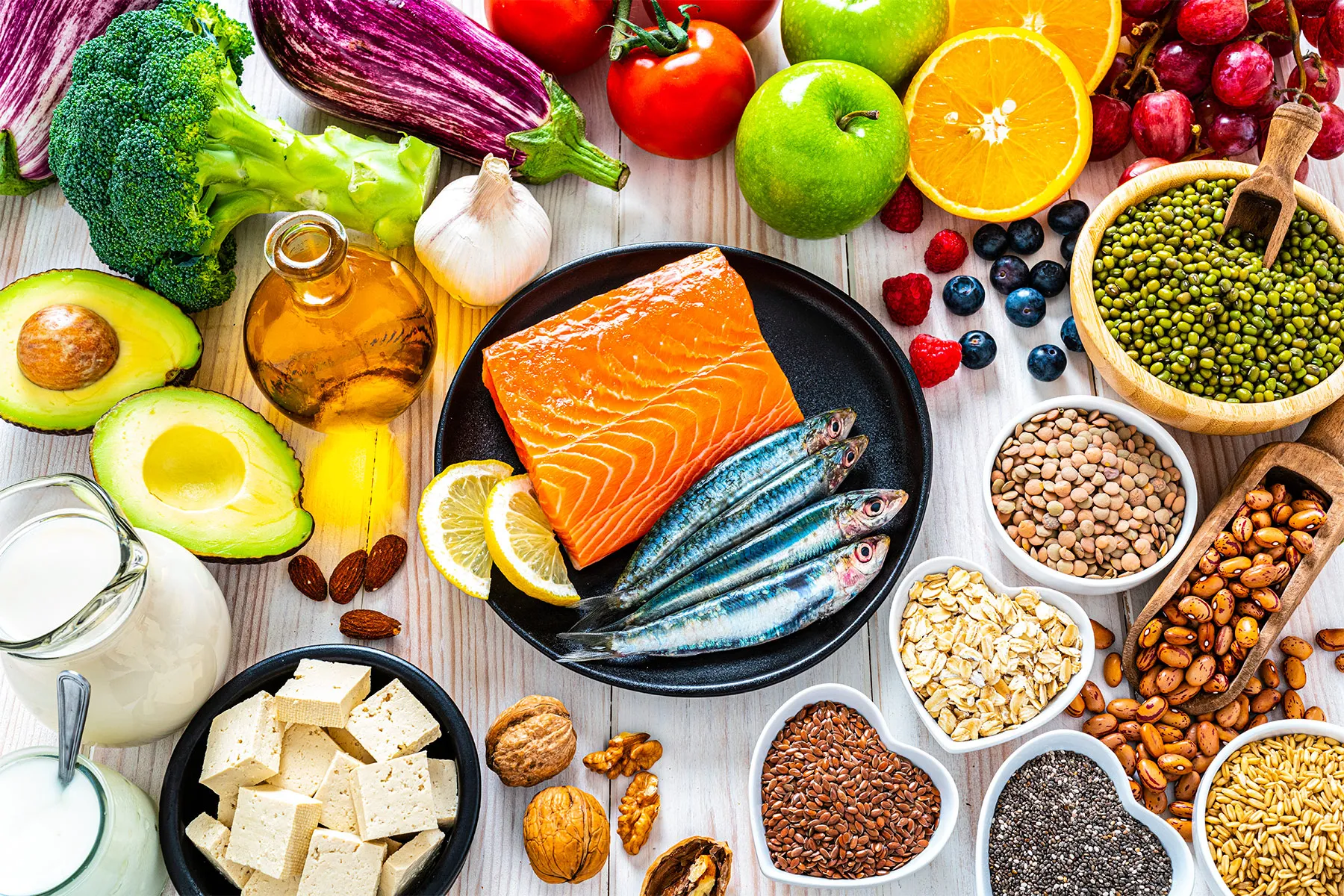
That is where the DASH diet comes in. DASH stands for Dietary Approaches to Stop Hypertension, and unlike many “miracle” diets that require expensive powders, mysterious green liquids, or a personality change, DASH is refreshingly normal. It focuses on real foods: vegetables, fruits, whole grains, beans, nuts, seeds, low-fat dairy, fish, poultry, and heart-healthy fats. It also asks you to reduce sodium, saturated fat, added sugar, and highly processed foods.
The DASH diet is not a crash diet. It is a flexible, evidence-based eating pattern designed to help lower blood pressure and support long-term heart health. Think less “diet prison” and more “grocery cart with a plan.”
What Is the DASH Diet?
The DASH diet is a balanced eating plan created to help prevent and manage high blood pressure. Its main idea is simple: eat more foods naturally rich in potassium, magnesium, calcium, fiber, and protein, while eating less sodium, saturated fat, and added sugar.
These nutrients matter because blood pressure is affected by fluid balance, blood vessel function, heart health, and overall metabolic health. Potassium helps balance the effects of sodium. Magnesium supports normal blood vessel function. Calcium is important for muscle and vascular health. Fiber supports cholesterol, weight management, and blood sugar control. Protein helps make meals more satisfying, which is useful when you are trying not to “accidentally” eat a family-size bag of chips during one episode of television.
Why DASH Foods Help With Hypertension
Blood pressure rises when the force of blood against artery walls stays too high over time. Diet can influence that pressure in several ways. Too much sodium can cause the body to hold on to extra fluid, which may increase blood volume and pressure. A diet low in potassium-rich foods may make this problem worse. Diets high in saturated fat, added sugar, and refined carbohydrates can also contribute to weight gain, inflammation, poor cholesterol levels, and insulin resistance.
DASH works because it improves the overall quality of the diet. It does not rely on one “superfood.” No single blueberry is going to march into your arteries wearing a cape. Instead, DASH builds a daily pattern of foods that consistently support healthier blood pressure.
Best DASH Diet Foods for High Blood Pressure
1. Vegetables: The Blood Pressure All-Stars
Vegetables are the heart of the DASH diet. Aim for a colorful mix, especially leafy greens and potassium-rich options. Good choices include spinach, kale, collard greens, broccoli, carrots, tomatoes, bell peppers, squash, sweet potatoes, and beets.
Leafy greens provide potassium, magnesium, fiber, and nitrates, which may support blood vessel relaxation. Sweet potatoes and potatoes are rich in potassium, but preparation matters. A baked potato with herbs is DASH-friendly. A mountain of salty fries is basically a potato wearing a bad disguise.
Easy examples: Add spinach to scrambled eggs, use roasted vegetables as a side dish, toss broccoli into pasta, or build a lunch bowl with greens, beans, brown rice, and avocado.
2. Fruits: Naturally Sweet and Heart-Friendly
Fruits bring potassium, fiber, antioxidants, and natural sweetness to the DASH plan. Excellent choices include bananas, oranges, berries, apples, pears, peaches, melons, kiwi, and grapefruit.
Berries are especially useful because they are rich in plant compounds that support blood vessel health. Bananas and oranges are famous for potassium, while apples and pears provide soluble fiber. Choose whole fruit more often than juice because whole fruit contains more fiber and is more filling.
Easy examples: Try oatmeal with berries, Greek yogurt with sliced banana, apple slices with peanut butter, or a fruit salad with melon and citrus.
3. Whole Grains: Better Carbs for Better Control
Whole grains are a major part of the DASH diet because they provide fiber, minerals, and steady energy. Choose oats, brown rice, quinoa, barley, whole-wheat pasta, whole-grain bread, shredded wheat, and farro.
Whole grains are different from refined grains because they keep more of the original grain structure. That means more fiber and nutrients. Fiber helps with fullness, cholesterol management, and blood sugar stability. It also makes meals feel more satisfying, which is helpful when reducing salty snack foods.
Easy examples: Eat oatmeal for breakfast, use brown rice in stir-fries, choose whole-grain bread for sandwiches, or swap white pasta for whole-wheat pasta.
4. Low-Fat or Fat-Free Dairy: Calcium Without the Extra Saturated Fat
The DASH diet includes low-fat or fat-free dairy because it provides calcium, protein, and sometimes potassium. Good choices include low-fat milk, plain low-fat yogurt, kefir, and reduced-fat cheese in moderate portions.
Plain yogurt is especially useful because it can work in sweet or savory meals. Add fruit and oats for breakfast, or use it as a base for a low-sodium sauce with garlic, lemon, and herbs. Choose unsweetened options when possible, because some flavored yogurts contain enough added sugar to make dessert feel underdressed.
People who do not consume dairy can consider calcium-fortified soy milk or other fortified alternatives, but it is important to check labels for added sugar and sodium.
5. Beans, Lentils, and Peas: Small Foods With Big Benefits
Beans, lentils, chickpeas, black-eyed peas, and split peas are DASH diet champions. They provide plant protein, fiber, potassium, magnesium, and very little saturated fat. They are also affordable, versatile, and filling.
If canned beans are your go-to, choose no-salt-added versions when possible. If regular canned beans are what you have, rinse them under water to reduce some sodium. Your sink will not complain, and your blood pressure may appreciate the effort.
Easy examples: Add lentils to soup, use black beans in tacos, make chickpea salad, stir white beans into pasta, or serve hummus with vegetables.
6. Nuts and Seeds: Crunchy, Satisfying, and Nutrient-Dense
Nuts and seeds provide magnesium, healthy fats, protein, and fiber. DASH-friendly choices include almonds, walnuts, pistachios, sunflower seeds, pumpkin seeds, chia seeds, and flaxseeds.
The key is portion size and sodium. Choose unsalted nuts and keep servings moderate because nuts are calorie-dense. A small handful can be heart-healthy. Eating half a jar while standing in the pantry at midnight is a different nutrition strategy entirely.
Easy examples: Sprinkle chia seeds into yogurt, add walnuts to oatmeal, use ground flaxseed in smoothies, or snack on unsalted pistachios with fruit.
7. Fish and Lean Protein: Smart Choices for the Main Dish
The DASH diet includes fish, skinless poultry, eggs in moderation, and lean cuts of meat in smaller portions. Fatty fish such as salmon, sardines, trout, and tuna provide omega-3 fats that support heart health.
Try to replace some red meat and processed meats with fish, beans, lentils, tofu, or poultry. Processed meats such as bacon, sausage, hot dogs, deli meats, and pepperoni are often high in sodium and saturated fat. They may be convenient, but your arteries are not sending thank-you cards.
Easy examples: Make grilled salmon with roasted vegetables, chicken and quinoa bowls, turkey lettuce wraps, tofu stir-fry, or bean chili.
8. Healthy Fats and Oils: Small Amounts, Big Flavor
DASH does not eliminate fat. It encourages healthier unsaturated fats from foods such as olive oil, avocado, nuts, seeds, and fish. These fats can help meals taste satisfying while replacing sources of saturated fat such as butter, cream, fatty meats, and full-fat dairy.
Easy examples: Use olive oil and vinegar on salads, add avocado slices to whole-grain toast, or cook vegetables with a small amount of canola or olive oil.
Foods to Limit on the DASH Diet
The DASH diet is not about perfection. It is about making better choices most of the time. However, some foods are worth limiting because they can work against blood pressure goals.
High-Sodium Packaged Foods
Many people think sodium mainly comes from the salt shaker, but packaged foods and restaurant meals are major sources. Common high-sodium foods include canned soups, frozen dinners, instant noodles, boxed rice mixes, salty snacks, deli meats, pizza, fast food, sauces, condiments, and pickles.
Reading the Nutrition Facts label is one of the most useful DASH habits. Look for “low sodium,” “reduced sodium,” or “no salt added” when available. Also compare brands. Two similar products can have wildly different sodium levels, almost as if one of them was seasoned by a salt pirate.
Added Sugars and Sugary Drinks
Soda, sweet tea, energy drinks, candy, pastries, and many desserts can add extra calories without much nutrition. The DASH diet limits sweets and added sugars because they can contribute to weight gain and metabolic problems, both of which may worsen blood pressure control.
Red Meat and Processed Meat
Red meat does not have to disappear forever, but DASH recommends limiting it. Processed meats are especially worth reducing because they are often high in sodium and saturated fat. Choose leaner proteins more often, such as fish, poultry, beans, lentils, tofu, and low-fat dairy.
Full-Fat Dairy and Tropical Oils
Butter, cream, full-fat cheese, coconut oil, palm oil, and fatty meats can raise saturated fat intake. DASH encourages lower-fat dairy and oils higher in unsaturated fats.
How Much Sodium Should You Eat on DASH?
The standard DASH plan limits sodium to about 2,300 milligrams per day. A lower-sodium DASH version limits sodium to about 1,500 milligrams per day, which may be recommended for some people with hypertension. The right target depends on your health history, medications, activity level, and clinician guidance.
A practical first step is not to jump from “extra salty everything” to “food tastes like cardboard” overnight. Instead, reduce sodium gradually. Your taste buds can adapt. After a few weeks, foods that once tasted normal may start tasting surprisingly salty.
A Simple One-Day DASH Meal Plan
Breakfast
Oatmeal topped with blueberries, sliced banana, and ground flaxseed, served with plain low-fat yogurt.
Lunch
A whole-grain wrap with grilled chicken or hummus, spinach, tomato, cucumber, and avocado. Add a side of fruit.
Snack
Apple slices with unsalted peanut butter, or low-fat yogurt with berries.
Dinner
Baked salmon with roasted sweet potato, steamed broccoli, and a quinoa salad with olive oil, lemon juice, parsley, and chickpeas.
Optional Evening Snack
Unsalted nuts, air-popped popcorn without added salt, or sliced vegetables with a low-sodium yogurt dip.
Grocery List for DASH Diet Foods
Produce
Spinach, kale, broccoli, carrots, tomatoes, bell peppers, squash, potatoes, sweet potatoes, bananas, apples, berries, oranges, pears, peaches, melons, and kiwi.
Whole Grains
Oats, brown rice, quinoa, whole-wheat pasta, barley, farro, whole-grain bread, and low-sodium whole-grain cereals.
Protein
Salmon, tuna, trout, skinless chicken, turkey, eggs, tofu, lentils, black beans, chickpeas, kidney beans, and split peas.
Dairy and Alternatives
Low-fat milk, plain low-fat yogurt, kefir, reduced-fat cheese, and calcium-fortified unsweetened soy milk.
Flavor Builders
Garlic, onion, lemon, lime, vinegar, basil, oregano, cumin, paprika, black pepper, rosemary, thyme, ginger, and salt-free seasoning blends.
Tips for Making DASH Easier
Start by adding, not just subtracting. Add one fruit to breakfast. Add a vegetable to lunch. Add beans to soup. Add a handful of unsalted nuts as a snack. When your meals become more filling and flavorful, reducing sodium and processed foods feels less like punishment and more like common sense.
Cook at home more often when possible. Restaurant meals can be high in sodium, even when they do not taste extremely salty. When eating out, ask for sauces and dressings on the side, choose grilled instead of fried foods, and request no added salt when available.
Use herbs, spices, citrus, vinegar, garlic, and onion to replace some salt. Flavor does not need to retire just because sodium gets a smaller role. A squeeze of lemon can wake up fish, vinegar can brighten beans, and smoked paprika can make roasted vegetables taste like they hired a publicist.
Common Mistakes to Avoid
One mistake is assuming all “healthy” packaged foods are low in sodium. Turkey slices, veggie burgers, cottage cheese, canned beans, salad dressings, and whole-grain breads can still contain significant sodium. Always check labels.
Another mistake is eating too little. DASH is not a starvation plan. It includes generous servings of fruits, vegetables, and whole grains. If you are hungry all day, you may need more protein, fiber, or healthy fat at meals.
A third mistake is changing everything at once. A complete kitchen revolution sounds heroic, but it often ends with takeout. Start with two or three realistic changes and build from there.
Experience-Based Section: What Following DASH Can Feel Like in Real Life
Starting the DASH diet can feel surprisingly ordinary, which is both comforting and slightly suspicious. Many people expect a blood-pressure-friendly diet to involve bland steamed vegetables, dry chicken, and a lifetime ban from anything enjoyable. In reality, the first experience is often more like reorganizing the plate: more color, more fiber, less salt, and fewer foods that come with a tiny packet of mystery seasoning.
One common experience is the “salt adjustment phase.” During the first week, lower-sodium meals may taste a little quiet. Soup may seem less exciting. Popcorn without heavy salt may feel like it forgot its speech. But after a few weeks, taste buds often become more sensitive. Herbs, garlic, citrus, and roasted vegetables start to taste stronger. Foods that once seemed normal, such as deli meats or fast-food fries, may suddenly taste extremely salty.
Another real-life challenge is breakfast. Many people are used to quick options like bacon sandwiches, pastries, or sweetened cereal. A DASH-style breakfast takes a small shift: oatmeal with fruit, yogurt with berries, whole-grain toast with avocado, or eggs with spinach and tomatoes. These meals can be fast, filling, and much less sodium-heavy.
Lunch can be the tricky meal because it often happens at work, school, or on the road. The DASH-friendly solution is planning without becoming a meal-prep robot. A few reliable combinations help: a grain bowl with brown rice, vegetables, beans, and chicken; a low-sodium tuna salad with whole-grain crackers; or leftovers from dinner packed with fruit. The goal is not gourmet perfection. The goal is having something ready before hunger makes a vending machine look like a trusted medical advisor.
Dinner is where DASH can become genuinely enjoyable. Roasted vegetables, grilled fish, bean chili, turkey meatballs, lentil soup, chicken fajita bowls, and whole-wheat pasta with vegetables all fit the plan. The biggest discovery for many people is that DASH is not a list of forbidden foods; it is a pattern. You can still eat flavorful meals. You simply build them around whole foods and season them smarter.
Social situations require flexibility. At restaurants, choosing grilled fish, salads with dressing on the side, vegetable sides, baked potatoes, or bean-based dishes can help. At family meals, you do not need to announce, “I am now a sodium minimalist.” Just fill more of your plate with vegetables and lean protein, choose smaller portions of salty foods, and move on with your life.
The best experience with DASH usually comes from consistency, not perfection. One salty meal does not ruin anything. One low-sodium salad does not fix everything. But repeated daily choices can create meaningful progress over time. DASH works best when it becomes a normal rhythm: fruit at breakfast, vegetables at lunch and dinner, beans a few times a week, fish regularly, fewer processed foods, and labels checked before sodium sneaks into the cart wearing sunglasses.
Conclusion
The DASH diet is one of the most practical eating patterns for high blood pressure because it focuses on foods you can actually find, cook, and enjoy. It emphasizes vegetables, fruits, whole grains, low-fat dairy, beans, nuts, seeds, fish, poultry, and healthy fats while limiting sodium, added sugar, red meat, and heavily processed foods.
For people with hypertension, DASH is not about chasing perfection. It is about building a plate that supports better blood pressure one meal at a time. Start with simple upgrades: add a fruit, double the vegetables, choose whole grains, rinse canned beans, buy unsalted nuts, and compare sodium on labels. Small habits may not look dramatic, but they can become powerful when repeated daily.
In other words, the DASH diet does not ask you to eat like a monk on a mountaintop. It asks you to eat like someone who wants their heart, blood vessels, and future self to send a thank-you note.