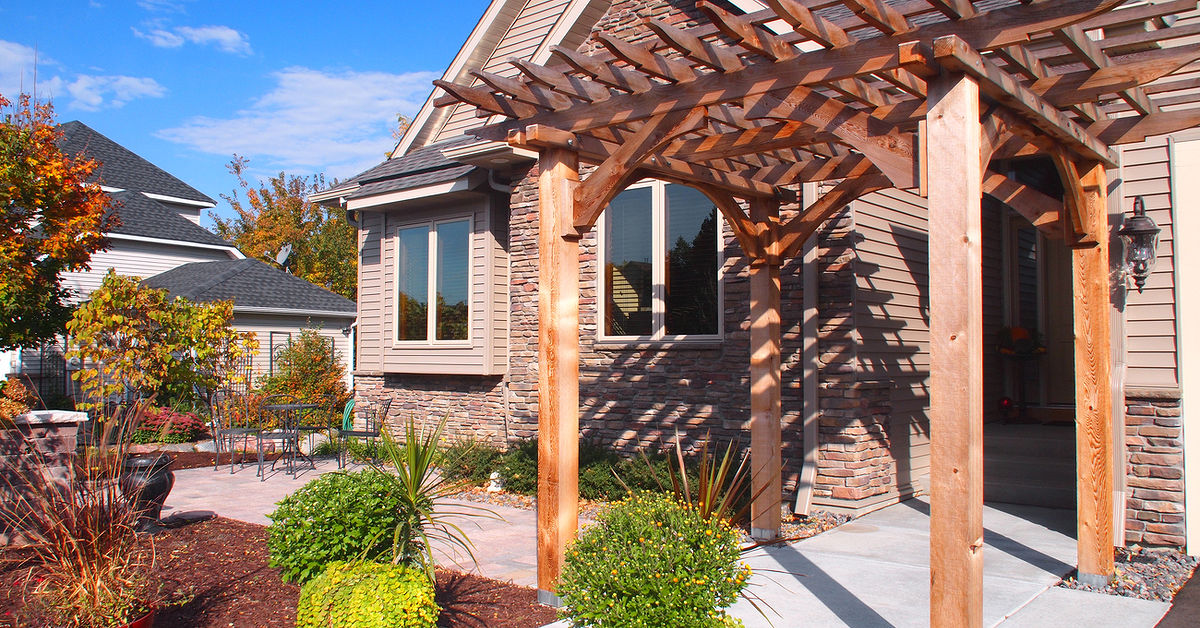
A front entrance should do more than politely exist. It should wave from the curb, guide guests toward the door, and quietly say, “Yes, thoughtful people live here.” That is exactly why a custom cedar arbor and a well-designed paver patio make such a powerful pair. One creates charm and vertical structure at the entry. The other turns unused outdoor square footage into a comfortable sitting and gathering area where coffee, conversation, and the occasional neighborhood gossip can flourish.
In landscape design, small upgrades often work hardest. A cedar arbor frames the front walk, adds architectural interest, and supports climbing plants that soften the hard edges of a home. A paver patio, meanwhile, gives homeowners a durable surface for chairs, planters, a bistro table, or a fire feature. Together, they create a front yard or side-yard transition that feels intentional instead of accidental.
This article explores why custom cedar arbors remain a favorite for front entrances, how paver patios create practical gathering spaces, what design choices matter most, and what real-life experience teaches about making the whole project beautiful, durable, and easy to enjoy.
Why a Custom Cedar Arbor Works So Well at the Front Entrance
A custom cedar arbor is more than a decorative arch. It is a visual doorway. Even before guests reach the actual front door, the arbor tells them where to go and creates a welcoming moment in the landscape. That is especially helpful for homes with long walkways, wide lawns, plain facades, or front entries that need a little personality.
Cedar is a natural fit for this job. It has a warm color, attractive grain, and the kind of outdoor-friendly durability that makes it popular for garden structures. Compared with many untreated softwoods, cedar resists decay better, which is one reason homeowners use it for arbors, fences, raised beds, pergolas, and other exposed outdoor features. Translation: cedar is not invincible, but it is not a drama queen either.
Custom Design Means Better Proportion
The word “custom” matters. A store-bought arbor may work in some settings, but a custom cedar arbor can be built to match the scale of the home, the width of the walkway, and the architectural style of the exterior. A narrow cottage path may need a charming arched arbor with lattice sides. A larger home may look better with square posts, substantial beams, and a clean horizontal top.
Good proportion keeps the arbor from looking like a tiny hat on a very large head. The structure should be wide enough for comfortable passage, tall enough to feel open, and strong enough to support vines, lighting, or seasonal decor. When built correctly, it becomes part of the home’s curb appeal instead of an awkward garden accessory that wandered in from another zip code.
Cedar Adds Warmth Without Shouting
Cedar has a natural beauty that works with many exterior styles. It can feel rustic beside stone, crisp beside white siding, cozy beside brick, and modern when paired with clean lines and simple planting. Homeowners can let cedar weather to a silvery gray, seal it to preserve the warm tone, or stain it to coordinate with shutters, trim, fencing, or porch details.
That flexibility is useful because the front entrance is the handshake of the house. It should look attractive, but it should not compete with the front door, roofline, or landscaping. Cedar brings texture and warmth in a way that feels grounded and timeless.
How an Arbor Improves Curb Appeal
Curb appeal is not only about resale value, although a polished entry can certainly help a home feel more desirable. It is also about daily experience. Pulling into the driveway feels better when the entry looks finished. Visitors feel more comfortable when the path is obvious. Delivery drivers may still place packages in mysterious locations, but at least the walkway will be clear.
A custom cedar arbor improves curb appeal in several ways. It frames the view toward the home, adds height to a flat landscape, creates a transition from public sidewalk to private space, and gives climbing plants a place to grow. It can also balance the shape of the house. For example, a tall narrow entry may benefit from a wider arbor, while a low ranch-style home may gain charm from an arbor that creates vertical lift.
Best Plants for a Cedar Arbor
Climbing plants can turn a cedar arbor into a living feature. Popular choices include clematis, climbing roses, honeysuckle, jasmine in warmer climates, and annual vines such as morning glory or black-eyed Susan vine. The best plant depends on the climate, sunlight, soil, maintenance tolerance, and whether the homeowner wants flowers, fragrance, privacy, or shade.
Before planting, consider mature size. Some vines are polite guests. Others behave like they inherited the property. Heavy vines such as wisteria or mature grapevines need a very strong structure and regular pruning. Lighter vines are better for smaller arbors near a front entrance, where the goal is beauty, not a botanical wrestling match.
Why a Paver Patio Creates a Better Sitting and Gathering Area
A paver patio transforms outdoor space into usable living space. Unlike a patch of lawn, it offers a level surface for furniture. Unlike a plain concrete slab, it provides pattern, texture, and design flexibility. Pavers can be arranged in running bond, herringbone, basket weave, modular patterns, or large-format layouts. They can look traditional, modern, rustic, or elegant depending on color and shape.
For a sitting and gathering area, pavers offer a practical advantage: if one section settles or stains, individual units can often be lifted and replaced. That is a nice feature for real life, where chairs scrape, planters leak, leaves fall, and someone eventually spills salsa. Outdoor spaces should be beautiful, but they should also forgive humans for being human.
Choosing the Right Patio Size
The most common patio mistake is making the space too small. A patio may look generous on paper, then shrink dramatically once furniture arrives. A simple bistro setup needs less room than a lounge area with chairs, side tables, planters, and a fire pit. For comfortable movement, leave space behind chairs and around gathering zones.
If the patio connects to the front entrance or side yard, it should feel like part of the walking route rather than an island floating in mulch. A curved edge can soften the design, while a rectangular or square layout may suit a more formal home. The key is to design around how people will actually use the space: sitting, greeting neighbors, drinking morning coffee, watching kids play, or pretending to read while scrolling on a phone.
Color and Texture Matter
Paver color should coordinate with the home’s exterior, roof, trim, and existing hardscape. Warm beige and tan pavers often pair well with cedar because they echo its natural tones. Gray pavers can create a modern look, especially with black accents or white siding. Mixed-color pavers can hide dirt and leaf stains better than a single flat color.
Texture matters too. Smooth pavers feel contemporary and are easier to move furniture across. Tumbled pavers offer an aged, relaxed appearance. Natural stone-style pavers can create a high-end look without the unpredictability of irregular stone. For a front gathering area, choose a surface that is attractive, stable, and comfortable underfoot.
The Foundation: What Makes a Paver Patio Last
The beauty of a paver patio starts underground. That may not sound glamorous, but neither is a patio that sinks like a sad pancake after the first rainy season. A lasting patio depends on excavation, a compacted base, bedding sand, edge restraint, proper slope, and joint material.
The base layer distributes weight and helps prevent settling. Bedding sand allows the pavers to sit evenly. Edge restraints keep the pavers from spreading outward. Joint sand or polymeric sand helps lock the surface together and reduce weed growth. Drainage directs water away from the house and prevents puddles from turning the patio into a shallow birdbath.
Drainage Should Never Be an Afterthought
Any patio near a home must be graded carefully. Water should move away from the foundation, not toward it. In areas with heavy rain, clay soil, or poor drainage, a patio may need additional solutions such as gravel layers, permeable pavers, French drains, or planting beds that absorb runoff.
Permeable pavers can be especially useful where stormwater management is a concern. They allow water to move through joints or openings into a prepared stone base below. This can reduce runoff and help filter pollutants before water reaches surrounding soil. Not every site needs permeable paving, but it is worth considering for environmentally minded homeowners or properties with drainage challenges.
Blending the Cedar Arbor and Paver Patio
The best outdoor projects feel connected. A cedar arbor and paver patio should not look like two separate ideas arguing in the yard. They should share visual cues: color, line, proportion, planting style, and purpose.
For example, cedar tones can be repeated with wood planters, a bench, porch rail details, or natural mulch. Paver colors can echo stone on the house, walkway borders, or retaining walls. Plants around the arbor can be repeated near the patio to guide the eye through the space. Lighting can tie everything together, especially in the evening.
Lighting Adds Magic and Safety
Outdoor lighting is one of the most underrated upgrades for an arbor and patio. Low-voltage path lights can guide guests to the front door. Small downlights or string lights on the arbor can create a warm glow. Wall sconces, step lights, and lanterns help the gathering area feel usable after sunset.
The goal is not to turn the front yard into a baseball stadium. Soft, layered lighting is better. It improves safety, highlights the cedar structure, and makes the patio feel inviting during evening conversations.
Furniture and Decor for a Front Patio Gathering Area
Furniture should match the scale of the patio. A compact space may need two chairs and a small table. A larger patio can handle a bench, lounge chairs, planters, and maybe a fire bowl if local codes and safety clearances allow. Choose weather-resistant materials and cushions designed for outdoor use.
Planters are especially helpful because they soften the hardscape and connect the patio to the arbor. Use containers with seasonal flowers, ornamental grasses, dwarf evergreens, or herbs. A few well-placed pots can make the space feel finished without creating an obstacle course.
Keep the Front Entrance Functional
Because this project enhances the home’s front entrance, function must come first. The walkway should stay clear. The arbor should not block visibility or make the entry feel cramped. Patio furniture should not interfere with guests, deliveries, strollers, or anyone carrying too many grocery bags and questioning their life choices.
Good design creates welcome without clutter. Leave breathing room around the entrance. Use the patio as a gathering area, but keep the path to the door obvious and comfortable.
Maintenance Tips for Cedar Arbors and Paver Patios
Cedar is durable, but it still benefits from care. Clean the arbor periodically, remove leaves and debris, and inspect fasteners, posts, and joints. If you want to preserve the original cedar color, apply an exterior-grade sealer or stain according to manufacturer directions. If you prefer the natural gray patina, let it weather gracefully while still monitoring for moisture traps or plant overgrowth.
For paver patios, sweep regularly, rinse as needed, and refill joint sand when gaps appear. Pull weeds early before they become emotionally attached. Address settling quickly by lifting affected pavers, correcting the base, and reinstalling them. A little maintenance keeps the space looking intentional rather than “abandoned courtyard chic.”
Specific Design Example: A Welcoming Front Entrance Makeover
Imagine a home with a plain concrete walk leading to a modest front porch. The yard is neat but flat, and the entrance lacks a focal point. A custom cedar arbor is installed over the walkway about eight feet from the porch, creating a threshold between the public-facing front yard and the more intimate entry garden. The arbor uses square cedar posts, simple crossbeams, and side lattice panels for climbing clematis.
Beside the walkway, a paver patio is added in a soft rectangular shape with a slightly curved planting edge. The pavers are warm gray with tan undertones, tying together the cedar arbor, roof shingles, and stone foundation. Two comfortable chairs, a small round table, and three large planters create a sitting area that feels useful but not crowded.
Low path lights guide visitors through the arbor. A pair of evergreen shrubs provides year-round structure. Seasonal flowers add color near the patio. The result is a front entrance that feels welcoming, layered, and practical. The house did not get bigger, but it suddenly feels more generous.
Common Mistakes to Avoid
One mistake is building an arbor too small for the home. A flimsy arbor can make the entrance look underwhelming. Another mistake is choosing vines that overpower the structure or require constant pruning. Homeowners should also avoid placing posts where they narrow the walkway or create awkward traffic flow.
For patios, poor base preparation is the big villain. Skipping compaction, ignoring drainage, or forgetting edge restraint can lead to shifting pavers and uneven surfaces. Another common mistake is choosing furniture before measuring the patio. Outdoor chairs need room to move, and guests need space to walk without performing sideways dance moves.
Experience-Based Insights: What Homeowners Learn After Living With a Cedar Arbor and Paver Patio
After the excitement of installation fades, the real test begins: daily use. Homeowners often discover that a custom cedar arbor changes how people approach the house. Guests naturally slow down as they pass through it. The entrance feels more ceremonial, but not stiff. It creates a little moment of arrival, which is something many front yards lack.
One practical lesson is that shade and sunlight patterns matter more than expected. A cedar arbor near the front entrance may look perfect in spring, but climbing plants can grow vigorously by midsummer. If the arbor is close to the porch, vines may need regular trimming to keep the entry bright and open. A beautiful vine is wonderful. A vine that grabs visitors by the hat is less charming.
Another experience-based lesson involves seating placement. People tend to sit where they feel protected but still connected. A patio placed too close to the sidewalk may feel exposed. A patio tucked slightly beside the entry walk, softened with planters or low shrubs, usually feels more comfortable. It allows homeowners to wave at neighbors without feeling like they are hosting a press conference on the lawn.
Homeowners also learn that paver patios are excellent for flexible living. In the morning, the patio may hold coffee and a book. In the afternoon, it may become a landing zone for kids, pets, and packages. In the evening, it becomes a casual conversation spot. Unlike a formal porch that sometimes feels attached to the house, a paver patio feels connected to the landscape.
Maintenance becomes easier when the design includes access. Leave enough room around the arbor posts to weed, prune, and reseal the wood. Avoid planting aggressive shrubs directly against cedar posts, where trapped moisture can shorten the life of the structure. Around the patio, use planting beds or gravel borders that allow water to move and make edging easier.
Another real-world tip: choose outdoor furniture that is comfortable enough to use, not just pretty enough to photograph. A stunning chair that feels like sitting on a decorative punishment device will not encourage gathering. Add cushions, small tables, and shade where needed. The goal is not just curb appeal; it is actual enjoyment.
Lighting is another feature homeowners rarely regret. Even a simple set of warm path lights can make the cedar arbor look beautiful at night and help guests navigate safely. If wiring is difficult, solar lighting may help, although quality varies. For the most polished result, low-voltage lighting installed during the patio project is usually worth planning in advance.
Seasonal decorating is where the cedar arbor becomes especially fun. In spring, it can support flowering vines or hanging baskets. In fall, it can hold a tasteful wreath, pumpkins nearby, or warm-toned planters. During the holidays, simple garland or soft lights can turn the entrance into a greeting card, minus the glitter explosion.
The biggest lesson is that successful outdoor design is about rhythm. The arbor creates the entry rhythm. The paver patio creates the gathering rhythm. Plantings soften the edges. Lighting extends the hours of use. Furniture invites people to stay. When all of these elements work together, the front entrance becomes more than a pass-through space. It becomes a small outdoor room with personality.
A custom cedar arbor and paver patio also encourage homeowners to spend more time in the front of the home, not just the backyard. That can change the social feel of a property. Neighbors stop to chat. Guests feel welcomed before they ring the bell. The home looks cared for, but not fussy. It says, “Come in,” while also saying, “Yes, we absolutely know where the good chair is.”
Conclusion
A custom cedar arbor enhances a home’s front entrance by adding structure, warmth, and a clear sense of arrival. A paver patio provides the practical foundation for sitting, gathering, and enjoying the outdoors in comfort. Together, they improve curb appeal, expand usable living space, and create a front yard that feels designed rather than merely maintained.
The best results come from thoughtful planning: choose durable cedar, size the arbor to the home, select climate-appropriate vines, build the patio on a proper base, manage drainage, and furnish the area with comfort in mind. With the right design, the front entrance becomes more than a doorway. It becomes a destination.