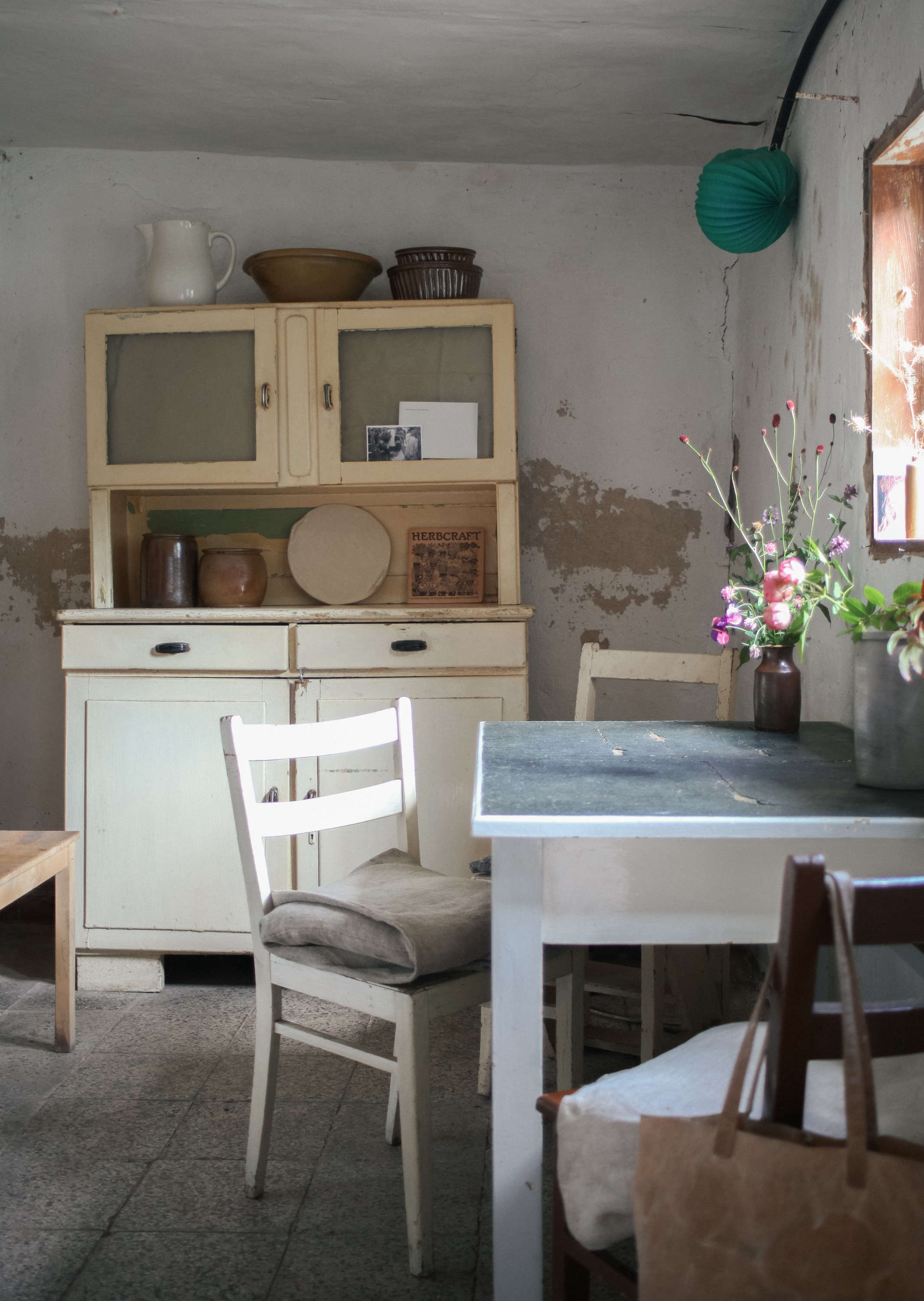
There is a moment every year when the dining table looks at its winter wardrobe and quietly begs for help. The heavy runner feels too serious. The dark napkins have done enough emotional labor. Even the candlesticks seem ready to loosen their collars and enjoy a little sunshine.
Enter the spring table: light, colorful, garden-inspired, and refreshingly uninterested in being perfect. This season’s most appealing tablescapes combine fresh flowers, layered linens, cheerful dishes, natural textures, and personal objects that make guests curious. The result should feel collected rather than purchased as a matching set five minutes before everyone arrives.
Whether you are planning Easter brunch, a Mother’s Day lunch, a backyard dinner, or an ordinary Tuesday meal that deserves better lighting, these current spring table obsessions offer plenty of practical inspiration.
Why the Spring Table Feels So Irresistible
A spring table is less about following a strict decorating formula and more about capturing the season’s sense of renewal. After months of bulky fabrics and deeper colors, lighter materials and brighter accents make a room feel awake again.
The best spring table ideas also invite flexibility. You do not need an entirely new collection of dinnerware or a centerpiece large enough to qualify for its own ZIP code. A few thoughtful changes can transform an everyday dining area: a washed linen cloth, several bud vases, colorful salad plates, or a bowl filled with lemons and herbs.
The goal is not to build a museum exhibit that guests are afraid to touch. It is to create a welcoming setting where people can pass the bread without knocking over a botanical monument.
Obsession No. 1: A Fresh but Focused Color Palette
Spring is associated with color, but that does not mean every pastel needs to attend the same party. A restrained palette usually produces a more polished spring tablescape.
Start With Two or Three Main Colors
Choose one foundation color, one supporting shade, and one lively accent. Soft green, cream, and butter yellow make a warm natural combination. Pale blue, white, and coral feel crisp and coastal. Lavender, moss, and blush create a romantic garden mood without making the table resemble a candy display.
A simple palette also makes mismatched pieces look intentional. Blue floral plates from a thrift store can sit comfortably beside modern white bowls when blue reappears in the napkins or flowers.
Let Green Act as a Neutral
Green is one of the easiest colors to use on a spring table because it connects almost everything: flowers, herbs, vegetables, glassware, painted ceramics, and outdoor scenery. Sage linens, leafy branches, and olive-toned plates can provide structure while brighter colors deliver the fun.
Add One Unexpected Note
A surprising accent keeps soft spring colors from becoming too polite. Try cobalt glasses with pale pink flowers, burgundy tulips against a yellow cloth, or a few tomato-red napkin rings on an otherwise neutral table. Spring may be gentle, but it does not have to whisper.
Obsession No. 2: Linens That Look Relaxed, Not Starched Into Submission
Spring linens are at their best when they bring movement and texture. Washed linen, cotton gingham, block prints, embroidered cloths, and vintage quilts all create a softer atmosphere than one perfectly pressed formal tablecloth.
Layering is especially effective. Place woven mats over a striped cloth, cross several runners over a bare wooden table, or use patterned napkins with a solid foundation. The layers add visual depth while helping unrelated dishes feel like part of the same story.
Do not panic over a wrinkle. A slightly rumpled linen tablecloth suggests ease and hospitality. A cloth ironed with military precision suggests someone may inspect the forks later.
Mix Patterns by Changing Their Scale
Successful pattern mixing usually combines prints of different sizes. Pair a broad stripe with a small floral, or a large botanical motif with tiny checks. Repeating one color across the patterns creates harmony even when the designs are different.
When the tablecloth is bold, keep some dishes simple. When the dishes are highly decorated, use calmer linens underneath. The table needs a few places where the eye can rest before dessert arrives and causes another commotion.
Obsession No. 3: Flowers That Encourage Conversation
Fresh flowers are an obvious spring centerpiece, but the arrangement should support the meal rather than dominate it. Low groupings, scattered bud vases, and single-variety bouquets are easier to manage than one enormous centerpiece blocking half the guests.
Choose Seasonal-Looking Flowers
Tulips, daffodils, ranunculus, hellebores, irises, lilacs, peonies, flowering branches, and garden-style wildflowers all suit a spring table. Local availability will vary, so the smartest approach is to see what looks freshest at the market rather than arriving with an unbreakable demand for one specific bloom.
Using one flower in abundance can be more striking than combining twelve varieties. A loose bundle of yellow tulips needs little assistance. It already knows it is charming.
Create a Collection of Small Arrangements
Several short arrangements can run down the center of a rectangular table without interrupting sightlines. Small pitchers, jam jars, teacups, bottles, and ceramic cups can become vases. Repeating the same flower or color ties the different containers together.
Clean vessels and fresh water help cut flowers stay attractive. Remove leaves that would sit below the waterline, trim the stems, and keep the arrangements away from intense heat. These small steps are considerably less dramatic than performing emergency surgery on wilted tulips ten minutes before brunch.
Try Living Centerpieces
Potted herbs, miniature ferns, small topiaries, and flowering bulbs offer a longer-lasting alternative to cut arrangements. Terra-cotta pots add warmth, while herbs such as mint, thyme, and rosemary provide fragrance and can be used in the meal.
Just make sure each pot has a clean saucer or hidden liner. “Rustic garden charm” loses some appeal when the tablecloth develops a mud puddle.
Obsession No. 4: Dinnerware With a Collected Personality
Perfectly matched dinnerware will always look elegant, but spring is an ideal time to loosen the rules. Combining vintage plates, everyday white dishes, colored glassware, and family pieces creates a table that feels personal.
Start with one consistent element. Every place setting might use the same dinner plate while the salad plates vary. Alternatively, use mismatched plates but repeat the same glassware and napkins. This controlled inconsistency prevents the setting from looking like the dishwasher made the design decisions.
Blend Old and New
An heirloom serving bowl can share space with contemporary flatware. Antique goblets can sit beside inexpensive ceramic plates. The contrast makes older pieces feel lively and newer pieces feel more distinctive.
This is also an excellent excuse to use objects that normally wait in a cabinet for an occasion judged worthy enough. A spring lunch is worthy. So is dinner with three friends. So, frankly, is eating takeout from a beautiful plate because the week has been unreasonable.
Use Glassware as Color
Colored glasses introduce brightness without taking up additional space. Amber, green, pink, and blue tumblers catch daylight beautifully, especially outdoors. They do not all have to match, provided the overall palette remains connected.
Obsession No. 5: Edible Decorations
Produce makes an affordable, seasonal centerpiece and gives the table a relaxed sense of abundance. Bowls of lemons, artichokes, strawberries, radishes, snap peas, or small heads of lettuce can introduce color and texture without requiring advanced floral skills.
Fresh herbs can be tucked beside napkins or used as simple place-setting accents. A sprig of rosemary, mint, or thyme looks attractive and subtly previews ingredients from the menu. Small loaves of bread, bowls of citrus, and pitchers of infused water can also function as part of the display.
Edible decorations should remain genuinely edible. Wash produce before serving, protect food from decorative materials, and avoid placing anything guests might consume directly against candles, floral foam, paint, or non-food-safe containers.
Obsession No. 6: Candlelight Before Sunset
Candles are not reserved for dark winter dinners. Slim tapers bring height to a spring tablescape, while small votives add warmth once daylight begins to fade. Mixing candleholder materials such as ceramic, glass, brass, and wood can make the table feel collected.
Vary the heights, but position flames where guests will not lean across them while reaching for food. Keep burning candles well away from flowers, paper place cards, loose fabric, and anything else that could catch fire. Stable holders are essential, and flameless candles are a sensible option for breezy patios, children’s tables, or arrangements with abundant greenery.
A beautiful table should produce compliments, not an unscheduled visit from the fire department.
How to Build a Spring Table Step by Step
1. Begin With the Occasion
A brunch may call for airy colors, casual flowers, and simple glassware. An evening dinner can handle richer shades, more candles, and layered place settings. Outdoor gatherings require heavier napkins, stable centerpieces, and decorations that will not leave during the first breeze.
2. Establish the Foundation
Decide whether to use a tablecloth, runner, placemats, or the bare table. This choice determines how formal the setting feels and creates the background for every other element.
3. Arrange the Functional Pieces
Place the dinner plate in the center of each setting. Flatware should reflect the courses being served, with utensils used first positioned farthest from the plate. Water glasses generally sit above the knife. Napkins may be placed to the left, centered on the plate, or casually tucked beneath a smaller dish.
There is no prize for setting out utensils nobody needs. If soup is not on the menu, the soup spoon may enjoy the evening off.
4. Add the Centerpiece
Test the centerpiece while sitting in a dining chair. If you cannot see the person opposite you, lower it, separate it into smaller arrangements, or move the tallest portion to a buffet table.
5. Finish With Personal Details
Place cards, handwritten menus, ribbon-tied napkins, tiny flowers, or small favors make guests feel expected rather than merely accommodated. These details can be inexpensive because their value comes from thoughtfulness, not size.
6. Edit the Entire Table
Remove anything that interferes with serving dishes, glasses, or conversation. Editing is often the difference between a richly layered table and a crowded one. When every decorative item insists on being the star, the salad bowl has nowhere to live.
Practical Hosting Details That Protect the Mood
A successful spring gathering depends on more than attractive napkins. Leave enough room for serving dishes or create a separate buffet so the dining table remains comfortable. Check chairs for stability, provide shade for outdoor meals, and keep a backup plan ready if the weather develops opinions.
When food is served buffet-style, hot dishes should remain hot and cold dishes should remain cold. Perishable food should generally not sit at room temperature for more than two hours, or more than one hour when outdoor temperatures rise above 90 degrees Fahrenheit. Using smaller serving dishes and replacing them as needed can be safer and more attractive than placing everything out at once.
Prepare flowers, linens, and tableware ahead of time, but wait to add easily wilted herbs, chilled dishes, and delicate garnishes. This schedule allows the host to greet guests instead of disappearing into the kitchen while shouting optimistic updates.
Budget-Friendly Spring Table Ideas
A memorable table does not require a complete seasonal shopping spree. Start by looking through cabinets, closets, and storage boxes. Pitchers can become vases, scarves can become runners, and ordinary white plates can support nearly any color scheme.
Thrift stores are excellent sources for small vases, dessert plates, candlesticks, embroidered napkins, and colored glassware. Instead of searching for a complete set, look for pieces connected by color or material.
Other affordable updates include:
- Using grocery-store flowers divided among several small vessels
- Adding branches or garden clippings where gathering them is permitted
- Turning herbs or inexpensive potted plants into centerpieces
- Making place cards from folded cardstock or seed packets
- Displaying seasonal fruit in bowls already owned
- Mixing paper napkins with reusable plates for casual outdoor meals
Spending selectively also produces a more individual result. One excellent linen cloth or set of versatile glasses can support many future tables, while highly themed accessories may spend eleven months of the year negotiating for closet space.
Spring Tables for Different Occasions
The Casual Weekend Brunch
Use a striped or gingham cloth, white plates, low jars of tulips, and a help-yourself beverage station. Add baskets of pastries and bowls of berries as edible decoration. The overall mood should say, “Stay awhile,” not, “Your assigned seating begins at precisely 10:03.”
The Garden-Inspired Dinner
Choose green, cream, and one vivid floral color. Layer woven placemats with ceramic dishes, add potted herbs, and use taper candles for height. A menu featuring asparagus, peas, herbs, citrus, or strawberries can continue the seasonal theme.
The Small Apartment Gathering
Keep the dining table functional by using one compact arrangement and moving drinks to a counter or cart. A few colorful glasses and patterned napkins provide impact without consuming valuable surface area.
The Outdoor Spring Lunch
Select weighted or sturdy decorations, short flowers, and linens that can be clipped or secured. Place flameless candles or lanterns around the area if the meal continues into evening. Keep cold food chilled and provide a covered place for dishes that attract insects.
A Final 500-Word Experience: What Happened When I Built the Spring Table
My most useful spring table experiment began with a plan that was far too ambitious. I imagined a sweeping botanical centerpiece, layered floral china, three kinds of glassware, embroidered napkins, handwritten menus, and enough taper candles to illuminate a minor palace. In my mind, the scene looked effortless. In reality, the table looked as though a garden center had collided with an antiques booth.
The first problem was the centerpiece. I had placed flowering branches in a tall ceramic pitcher because height creates drama. It certainly did. Nobody seated at the table could see anybody else. Guests leaned sideways to talk, creating the atmosphere of a very polite surveillance operation. I eventually moved the pitcher to a sideboard and divided smaller flowers among jam jars. The improvement was immediate. Conversation returned, the table gained breathing room, and the branches still looked impressive from their new location.
The second lesson involved color. I had collected pink napkins, blue plates, yellow flowers, green glasses, purple place cards, and an orange serving bowl. Each item was attractive by itself. Together, they resembled a committee in which every member had arrived with a different branding proposal. Removing the purple and orange pieces allowed the blue, green, yellow, and pink elements to cooperate. The table remained colorful, but it no longer seemed to be shouting several springtime slogans at once.
The most successful details were also the simplest. I tucked a small mint sprig beneath each napkin and wrote guests’ names on inexpensive cream cards. A bowl of lemons became a centerpiece near one end of the table. Nobody asked how much any of it cost, but several people commented on the scent of the mint and the personal place cards. Thoughtful details did more work than elaborate decorations.
I also learned that a spring table changes after guests arrive, and that is a good thing. Napkins unfold, serving bowls appear, glasses move, flowers get nudged, and crumbs begin their occupation. A tablescape photographed before dinner may look perfect, but a table in use looks alive. The mess is evidence that people are eating, talking, reaching, and staying longer than planned.
At a later gathering, I prepared less and enjoyed more. I used everyday white plates, mismatched green glasses, a rumpled linen cloth, and six small arrangements made from one bunch of tulips. Dessert came from a bakery. The main course was served from the cookware rather than transferred into decorative dishes. This version of the spring table took half the effort and felt twice as welcoming.
That experience changed my definition of a beautiful table. Beauty is not the number of layers under each plate or the complexity of the centerpiece. It is the feeling that someone cared enough to make the meal special without making the guests afraid to move anything. The ideal spring table has color, texture, flowers, and personality, but it also has room for elbows, bread baskets, second helpings, and spontaneous conversation.
So the current obsession is not perfection. It is a spring table that feels fresh, personal, useful, and ready to be enjoyed. Set out the flowers, mix the plates, light the candles safely, and let the meal provide the final decoration.
Note: Flower availability, outdoor conditions, and hosting needs vary by region and occasion. Adapt the table design to your space, menu, guests, and local spring season.
{

  "meta_title": "Current Obsessions: The Spring Table Ideas",

  "meta_description": "Refresh your spring table with flowers, layered linens, color, vintage dishes, and practical ideas for an effortless seasonal gathering.",

  "sapo": "The spring table is getting a joyful refresh with relaxed linens, seasonal flowers, colorful glassware, vintage dishes, edible centerpieces, and personal details. This guide explores the latest spring tablescape obsessions while showing how to balance beauty with comfort, safety, and practicality. Discover focused color palettes, conversational floral arrangements, budget-friendly decorating tricks, place-setting basics, and real hosting lessons that prove a memorable table does not need to be perfectly matchedor painfully complicated.",

  "keywords": [

    "spring table",

    "spring tablescape ideas",

    "spring table decor",

    "spring centerpiece ideas",

    "seasonal table setting",

    "spring entertaining"

  ]

}</pre