White quartz countertops are the little black dress of kitchen designexcept brighter, less moody, and far less likely to ask for dry cleaning. They deliver the polished look of marble, the crispness of fresh paint, and the practical attitude of a surface that understands real life includes coffee rings, school lunches, spaghetti sauce, and someone placing a hot pan exactly where you told them not to.
For homeowners who want a kitchen that feels elegant without turning into a part-time maintenance job, white quartz has become one of the most reliable countertop choices. It is engineered for consistency, available in a wide range of shades and veining patterns, and easier to care for than many natural stones. Whether your dream kitchen leans modern farmhouse, quiet luxury, coastal, transitional, or “I saw this on Pinterest at 1:12 a.m. and now I need it,” white quartz can play along beautifully.
This guide explores why luxe, low-maintenance quartz countertops in shades of white remain a favorite, how to choose the right tone, what to know about durability, and how to keep them looking fresh without developing a complicated relationship with cleaning products.
What Are White Quartz Countertops?
Quartz countertops are engineered stone surfaces made by combining ground quartz and other minerals with resins, pigments, and binders. The result is a dense, nonporous slab that can mimic marble, limestone, concrete, or a clean solid surface while offering more predictable performance than many natural stones.
White quartz countertops come in many styles. Some are pure and minimal, like a blank page before a very expensive grocery list. Others feature soft gray veining, warm beige movement, dramatic Calacatta-style streaks, or tiny mineral flecks that add depth without shouting across the room.
The biggest appeal is balance. White quartz gives you the high-end look people love in marble, but without the same level of sealing, staining, and etching concerns. It is not indestructiblenothing in a kitchen is, except maybe the drawer full of takeout sauce packetsbut it is impressively practical for everyday living.
Why White Quartz Feels Luxurious Without Acting High-Maintenance
It Delivers the Marble Look Without the Marble Drama
Marble is gorgeous, but it can be sensitive. Acidic foods like lemon juice, vinegar, wine, and tomato sauce can etch the surface, leaving dull marks. White quartz offers a similar bright, elegant appearance with better resistance to common kitchen messes. That means you can enjoy the look of a refined stone kitchen without hovering over guests like a countertop bodyguard.
It Does Not Need Sealing
Unlike porous materials such as marble and some granites, quartz does not require routine sealing. Its engineered composition creates a nonporous surface that resists liquid absorption. For busy households, this is a major advantage. No sealing schedule. No yearly reminder. No mysterious bottle in the garage labeled “stone treatment” that nobody remembers buying.
It Works With Almost Every Design Style
White quartz countertops are wonderfully adaptable. Pair them with walnut cabinets for warmth, navy cabinets for contrast, white oak for softness, black hardware for modern edge, or brushed brass for a touch of quiet glamour. They also make small kitchens feel more open because they reflect light and create visual breathing room.
The Main Shades of White Quartz Countertops
Not all white countertops are the same. Choosing white quartz is less like choosing printer paper and more like choosing a paint color: undertones matter, lighting changes everything, and one “simple white” can suddenly look icy, creamy, gray, or beige depending on the room.
Pure White Quartz
Pure white quartz is clean, crisp, and modern. It works especially well in contemporary kitchens, minimalist spaces, laundry rooms, bathrooms, and commercial-style interiors. Because it has little to no veining, it creates a seamless look that feels fresh and uncluttered.
The trade-off is that solid white surfaces may show crumbs, dust, and smudges more easily. They are easy to clean, but if you have three kids, two dogs, and a partner who treats toast crumbs as confetti, a slightly patterned white quartz may be more forgiving.
Warm White Quartz
Warm white quartz has creamy, ivory, or soft beige undertones. It pairs beautifully with wood cabinetry, zellige tile, brass fixtures, and traditional or transitional kitchens. This shade feels inviting rather than stark, making it a smart choice for homes where pure white might look too clinical.
Warm white quartz is especially useful in kitchens with warm flooring, off-white walls, or natural wood accents. It creates harmony instead of making every other finish look yellow by comparison.
Cool White Quartz
Cool white quartz often includes gray undertones or silver veining. It feels sleek, polished, and slightly more urban. This style works well with stainless steel appliances, black cabinets, charcoal tile, polished chrome, and modern slab doors.
Cool whites can look stunning in bright spaces, but test samples carefully. In a north-facing kitchen or a room with cool LED lighting, some cool white quartz may appear bluish or chilly. Unless “luxury dental office” is your design goal, always check the slab in your actual lighting.
Marble-Look White Quartz
Marble-look quartz is one of the most popular choices for homeowners who want elegance and practicality in the same slab. Carrara-inspired quartz usually has soft, delicate gray veining. Calacatta-inspired quartz tends to feature bolder, more dramatic movement, often with thicker gray, taupe, gold, or charcoal lines.
For a subtle kitchen, choose quiet veining. For a statement island, choose dramatic movement. A large island with bold Calacatta-style quartz can become the star of the room without requiring its own social media manager.
Speckled White Quartz
Speckled white quartz includes small mineral-like dots, flecks, or soft granular movement. It can look classic, casual, and very practical. Speckled patterns hide crumbs and light daily wear better than solid white surfaces, making them ideal for active kitchens.
This style is also a strong option for rental properties, family kitchens, and secondary spaces like mudrooms, craft rooms, and laundry rooms where durability matters more than dramatic veining.
White Quartz vs. Marble, Granite, Quartzite, and Porcelain
White Quartz vs. Marble
Marble is natural, timeless, and undeniably beautiful. It is also porous and prone to etching. White quartz offers a marble-inspired look with simpler maintenance. If you want authentic natural veining and do not mind patina, marble may be your match. If you want a polished look with fewer “oops” moments, quartz is easier to live with.
White Quartz vs. Granite
Granite is a natural stone known for durability and heat resistance, but many granite countertops require periodic sealing. Quartz offers more consistent patterns and generally easier day-to-day care. Granite can be excellent for homeowners who love natural variation; quartz is better for those who want predictability and a coordinated design.
White Quartz vs. Quartzite
Quartzite is a natural stone, while quartz countertops are engineered. Quartzite can be very durable and heat-resistant, but it usually needs sealing because it is porous. Quartz does not need sealing, but it is more sensitive to high heat because of the resin content. The names are similar enough to confuse anyone who has ever tried to shop for countertops before coffee.
White Quartz vs. Porcelain
Porcelain countertops are gaining attention for heat resistance, UV stability, and slim profiles. They can be excellent in modern kitchens and outdoor applications. Quartz, however, remains a favorite for interior kitchens because it offers a warmer feel, broad design availability, and familiar fabrication options.
Design Ideas for Luxe White Quartz Countertops
Pair White Quartz With White Oak Cabinets
White oak and white quartz are a dream team for soft modern kitchens. The wood adds warmth, while the quartz keeps the space light and refined. Choose a warm white quartz with subtle beige or taupe veining to avoid a cold contrast.
Use a Waterfall Edge on the Island
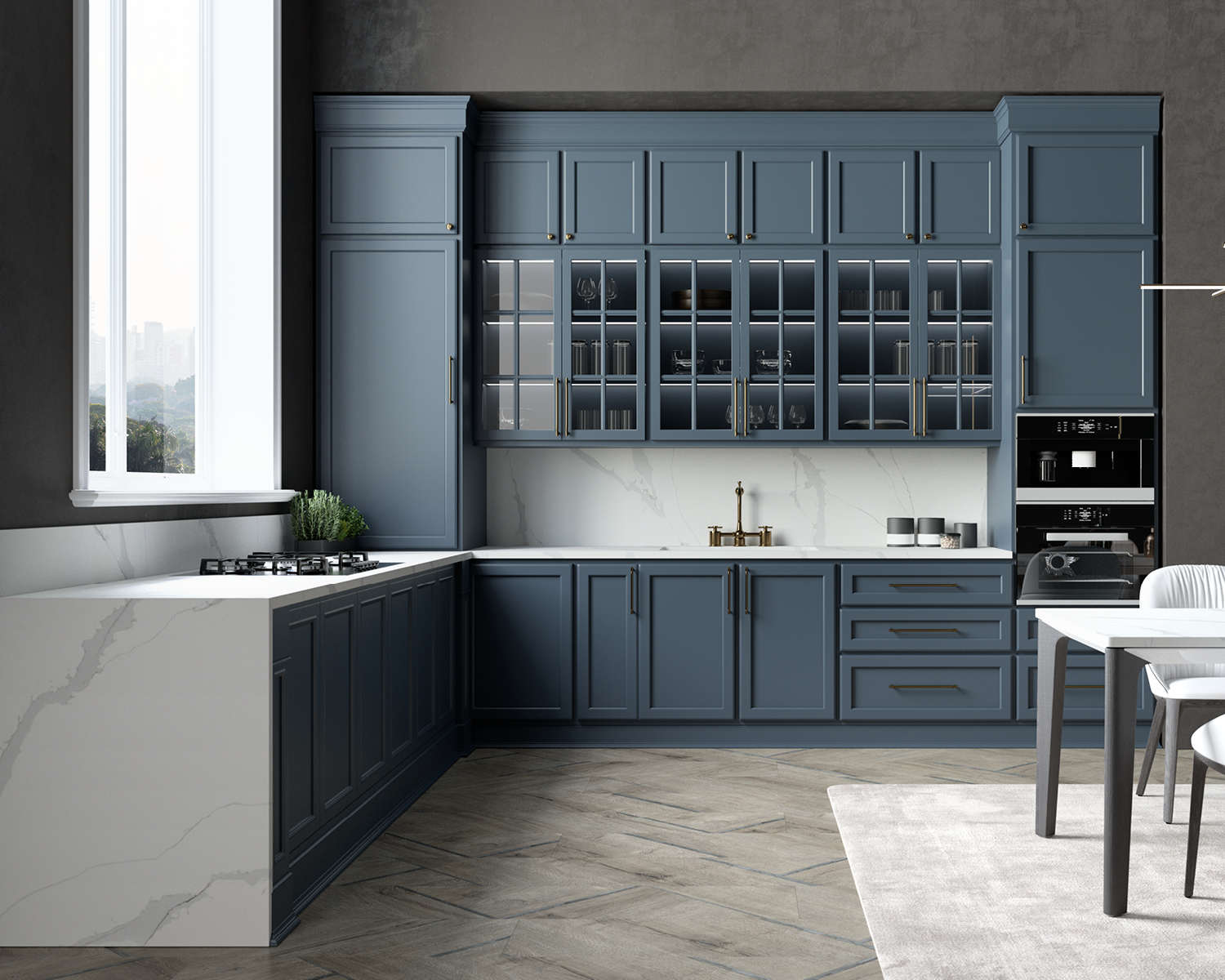
A waterfall edge carries the countertop material down the sides of the island, creating a sculptural effect. This works especially well with dramatic marble-look quartz because the veining can become a design feature. It is a splurge, but it gives the kitchen a custom look that says, “Yes, I have opinions about edge profiles.”
Choose a Full-Height Quartz Backsplash
Running quartz up the wall as a backsplash creates a clean, luxurious look with fewer grout lines to clean. This is ideal behind ranges, sinks, and coffee stations. A full-height backsplash in white quartz can make even a compact kitchen feel sleek and expensive.
Contrast With Dark Cabinets
White quartz countertops look striking against black, espresso, navy, forest green, or charcoal cabinetry. The contrast feels polished and architectural. Add warm metal hardware or wood accents to keep the room from feeling too severe.
Go Tone-on-Tone for Quiet Luxury
For a calm, high-end look, pair white quartz with off-white cabinets, plaster-like walls, soft neutral tile, and understated hardware. The result is layered rather than flat. Think “expensive hotel breakfast area,” but with better snacks.
How to Choose the Right White Quartz Countertop
Bring Samples Home
Showroom lighting is helpful, but it is not your kitchen. Bring quartz samples home and view them in morning light, afternoon light, and evening artificial light. Place them next to cabinet doors, flooring, backsplash samples, and wall paint.
Pay Attention to Undertones
If your cabinets are creamy, a cool white quartz may make them look yellow. If your cabinets are crisp white, a warm quartz may look dingy. The secret is not finding the “best” white, but finding the white that gets along with the rest of the room.
Decide How Much Movement You Want
Subtle veining feels classic and flexible. Bold veining creates drama and works well on islands. Speckled patterns are forgiving and practical. Solid white is clean and modern but less forgiving of daily crumbs and marks.
Think About Slab Layout
For marble-look quartz, slab layout matters. Ask your fabricator how the veining will run across seams, corners, islands, and backsplashes. A good layout can make the surface look intentional; a poor layout can make a beautiful slab look like it lost an argument with a puzzle.
Match the Finish to Your Lifestyle
Polished quartz reflects light and feels glossy. Honed or matte finishes can look softer and more contemporary, but they may show fingerprints, oils, and smudges more visibly. If you cook often, test the finish with real-life messes before committing.
Maintenance: How to Keep White Quartz Looking Fresh
White quartz countertops are low-maintenance, not no-maintenance. Fortunately, the routine is simple.
Daily Cleaning
Use warm water, mild dish soap, and a soft cloth or sponge. Wipe the surface, rinse if needed, and dry with a clean towel to prevent streaks or water spots. This basic routine handles most everyday messes.
Spill Management
Quartz is stain-resistant, but white surfaces deserve prompt cleanup. Wipe up coffee, tea, wine, turmeric, tomato sauce, food coloring, and oil-based spills as soon as possible. The countertop is forgiving, but it is not a magic force field.
What to Avoid
Avoid harsh chemicals, abrasive pads, oven cleaners, paint removers, undiluted bleach, and highly acidic or alkaline cleaners. These can dull or damage the resin in the surface. Also avoid using the countertop as a cutting board. Quartz is hard, but knives and counters should not be in a duel.
Heat Protection
Quartz resists normal kitchen activity, but hot pans, baking sheets, slow cookers, air fryers, and electric griddles can cause discoloration or thermal damage. Always use trivets or hot pads. This is especially important with white quartz because heat marks may be more visible.
Cost and Installation Considerations
White quartz countertops are typically a mid-to-high-end investment. Pricing varies by brand, slab design, thickness, edge profile, fabrication complexity, and local labor costs. Simple solid white quartz is often less expensive than elaborate marble-look quartz with dramatic veining, although premium brands and specialty finishes can change the math quickly.
Professional installation is strongly recommended. Quartz slabs are heavy, seams must be planned carefully, and cutouts for sinks, faucets, cooktops, and outlets require precision. This is not the ideal weekend project unless your weekend hobbies include structural regret.
When budgeting, consider more than the slab price. Edge profiles, waterfall panels, full-height backsplashes, sink cutouts, removal of old countertops, plumbing reconnection, and delivery can affect the final cost. Ask for a detailed quote so your dream kitchen does not surprise you like a restaurant bill after “just one more appetizer.”
Best Rooms for White Quartz Countertops
Kitchens
The kitchen is the obvious star. White quartz brightens the space, supports heavy use, and complements nearly every cabinet color. It is especially helpful in open-concept homes where the kitchen needs to feel clean and connected to living areas.
Bathrooms
White quartz works beautifully for bathroom vanities because it resists water and is easy to wipe down. A marble-look white quartz can create a spa-like effect without the upkeep of natural marble.
Laundry Rooms
In laundry rooms, white quartz offers a durable folding surface that stands up to detergent drips, damp clothes, and daily utility. It also makes the space look more finished, which is nice because laundry itself refuses to be glamorous.
Pantries and Coffee Bars
Quartz is excellent for coffee stations, butler’s pantries, and beverage centers. Choose a lightly patterned white quartz to help camouflage coffee splashes and small crumbs between cleanups.
Common Mistakes to Avoid
Choosing a White That Clashes
White-on-white kitchens can go wrong when undertones fight. Always compare quartz samples with cabinet doors, paint colors, flooring, and backsplash materials before ordering.
Ignoring Seam Placement
Seams are normal, but they should be planned. Discuss seam locations before fabrication, especially if you choose quartz with strong veining.
Assuming Quartz Is Heatproof
Quartz is durable, but not immune to heat damage. Use trivets. Your countertop will thank you by continuing to look expensive.
Using the Wrong Cleaner
More aggressive cleaning does not mean better cleaning. Mild soap and water are usually enough. Save the industrial-strength products for situations that actually deserve drama.
Skipping Large Samples
Small samples can be misleading, especially with bold veining. Whenever possible, view the full slab or a large-format sample before final approval.
Real-Life Experience: Living With White Quartz Countertops
White quartz sounds glamorous in a showroom, but the real test happens at home, somewhere between breakfast toast and the moment someone spills iced coffee while trying to carry groceries, keys, and a phone at the same time. In everyday use, the best thing about white quartz is how quickly it returns to looking composed. A simple wipe with warm soapy water usually handles crumbs, fingerprints, sauce splatters, and the mysterious sticky spot nobody wants to confess to.
In a busy kitchen, lightly veined white quartz often feels more practical than a completely solid white slab. The soft movement helps disguise tiny crumbs and water spots between cleanings, while still keeping the space bright. This is especially useful around islands, where people gather, snack, sort mail, do homework, charge devices, and generally behave as if the countertop is a family command center.
One of the biggest lessons from living with white quartz is that the surface rewards small habits. Keep a trivet near the stove. Place a cutting board where you actually prep food. Wipe up dark liquids before they get comfortable. These are not difficult rituals; they are more like countertop manners. After a while, they become automatic.
White quartz also changes the mood of a kitchen. It reflects light, makes cabinetry feel sharper, and gives the room a clean visual foundation. In smaller kitchens, it can make the space feel larger. In larger kitchens, it can make the room feel more polished and intentional. The surface does not have to be flashy to feel luxurious. Sometimes the luxury is simply walking into the kitchen and seeing a bright, calm counter instead of a chaotic visual obstacle course.
There are a few honest drawbacks. White quartz can show certain marks more readily than darker or busier materials. Matte finishes may reveal fingerprints or oils faster than polished finishes. Strongly pigmented spills should not be ignored. And while quartz can handle normal kitchen use, setting a scorching pan directly on the surface is asking for trouble. Quartz is low-maintenance, but it is not interested in being treated like a cast-iron skillet.
The best experience comes from choosing a design that matches your actual life, not your imaginary life where everyone uses coasters and nobody eats spaghetti. Families may prefer soft veining or speckled patterns. Minimalists may love pure white. Traditional homes may look better with warm white quartz, while modern spaces may suit cool white with gray veining.
For many homeowners, white quartz becomes the sweet spot between beauty and sanity. It gives the kitchen a luxe look, supports daily routines, and avoids the delicate maintenance that can come with natural marble. It is elegant enough for a dinner party, durable enough for Tuesday leftovers, and forgiving enough for the occasional “who put this here?” moment.
Conclusion
White quartz countertops remain popular because they solve a very modern design problem: homeowners want kitchens that look sophisticated but do not require constant pampering. Quartz offers the bright, elegant appeal of white stone with excellent durability, stain resistance, and simple cleaning. It works across design styles, from sleek modern spaces to warm transitional kitchens, and it gives homeowners a wide range of choices in tone, pattern, and finish.
The smartest approach is to choose the shade carefully, test samples in real lighting, plan seams with a skilled fabricator, and protect the surface from direct heat. Do that, and white quartz can be one of the most rewarding countertop investments in the home: beautiful, practical, and refreshingly unfussy.
In other words, white quartz is countertop culture at its best. It looks polished, behaves sensibly, and does not demand that you rearrange your entire life around it. That is not just luxury. That is luxury with good manners.
Note: This article was written as original, publication-ready content based on current countertop care guidance, manufacturer recommendations, consumer remodeling resources, and U.S. kitchen design best practices. No source placeholders or citation artifacts are included.