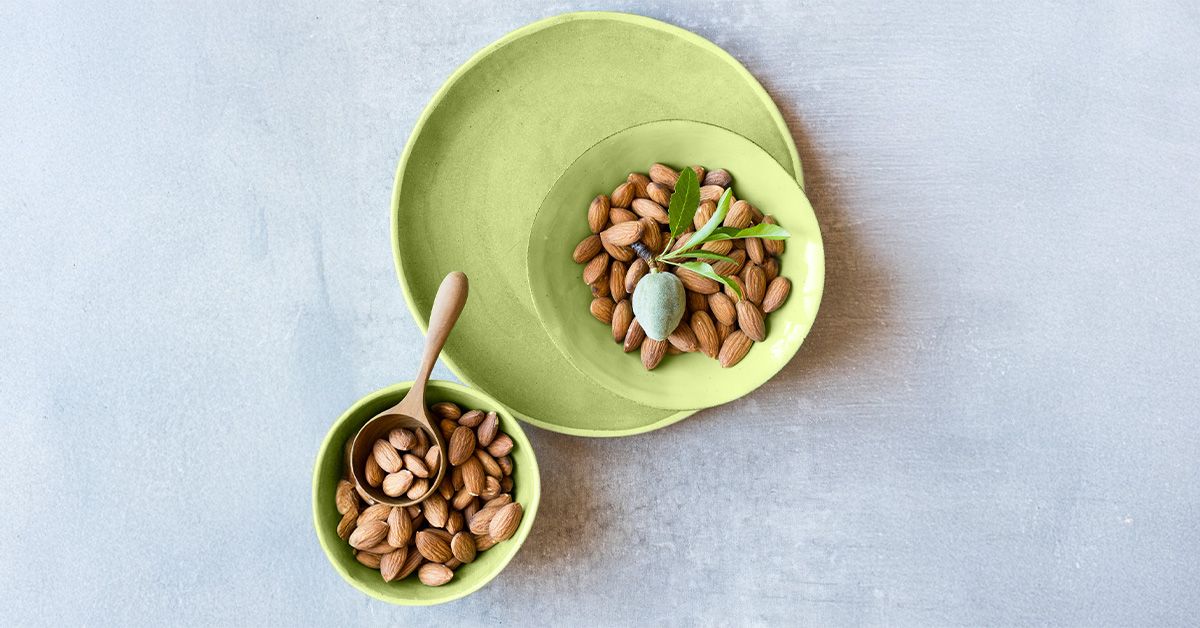
Almonds have somehow pulled off a rare trick in the nutrition world: they are both genuinely healthy and just fancy enough to make a desk lunch feel organized. But can eating them every day actually help prolong your health span? That is the more interesting question. Not just, “Will almonds help me live forever?” because, sadly, almonds are not tiny edible time machines. The real question is whether a daily almond habit can help you stay healthier for longer by supporting the systems that matter most as you age: your heart, blood sugar, weight, gut, and maybe even your brain.
The honest answer is encouraging, but not magical. Eating almonds daily may help support a longer health span indirectly by improving several risk factors tied to chronic disease. Research is strongest for cardiovascular and metabolic health, with promising data on inflammation, satiety, and gut health. What science does not show is that almonds alone can “anti-age” your body, prevent dementia by themselves, or cancel out a lifestyle built on four hours of sleep and drive-thru fries. Nice try, but no.
Note: This article is for informational purposes only and is not a substitute for personalized medical advice.
What does “health span” actually mean?
Life span is how long you live. Health span is how long you stay relatively healthy, functional, and independent while doing it. In other words, it is the gap between simply being alive and actually feeling like yourself. A longer health span means more years with better mobility, steadier energy, lower disease burden, and fewer of the health problems that make aging feel less like a privilege and more like a paperwork nightmare.
When people ask whether a food can extend health span, they usually mean something practical: can it reduce the odds of heart disease, diabetes, frailty, inflammation, excess weight gain, or other conditions that chip away at quality of life? That is where almonds become interesting. They do not work through one flashy miracle pathway. They work through several smaller, boring, useful ones. And in nutrition, boring and useful usually beats dramatic and fake.
Why almonds keep showing up in healthy aging conversations
A compact nutrient package with very little nonsense
A standard serving of almonds is about 1 ounce, or roughly 23 almonds. That small handful delivers plant protein, fiber, mostly unsaturated fats, vitamin E, magnesium, and other minerals. That combination matters because healthy aging is not built on one superstar nutrient. It is built on patterns that help your body manage cholesterol, blood sugar, oxidative stress, appetite, and overall nutrient sufficiency over time.
Vitamin E is especially worth noticing. Almonds are one of the richest food sources of it, and vitamin E acts as an antioxidant that helps protect cells from oxidative damage. Magnesium is another quiet overachiever in almonds. It is involved in muscle and nerve function, blood pressure regulation, and glucose metabolism. Fiber helps with satiety, cholesterol, and gut health. The fat profile matters, too: almonds are rich in monounsaturated and polyunsaturated fats, not the kind of fats that usually cause your doctor to lean back in the chair and start using a serious tone.
They often improve the quality of the whole diet
This part gets overlooked. Sometimes the value of almonds is not just what they add, but what they replace. A daily handful of almonds instead of chips, pastries, candy, or ultra-processed snack bars is a meaningful upgrade. That swap lowers the odds that your afternoon snack is basically sugar, salt, and regret in shiny packaging.
So the almond question is not only, “Are almonds healthy?” It is also, “Healthy compared to what?” Compared to a donut, yes. Compared to a bag of barbecue-flavored corn puffs masquerading as lunch, absolutely. Compared to other whole foods like fruit, beans, oats, yogurt, or walnuts, almonds are not uniquely magical, but they are a very strong option.
What the research actually says about daily almonds and health span
1. Heart health is the strongest part of the case
If there is a best argument for almonds supporting health span, this is probably it. Cardiovascular disease remains one of the biggest reasons people lose healthy years of life. Anything that helps improve cholesterol, vascular health, or cardiometabolic risk deserves attention.
Research on nuts in general, and almonds in particular, consistently points toward benefits for heart health. Small clinical trials and broader reviews suggest almonds can help lower LDL cholesterol and improve overall lipid profiles, especially when they replace foods rich in saturated fat or refined carbohydrates. That “replace” part matters. Adding almonds on top of a diet already overloaded with excess calories is not the same as using almonds to improve the structure of the diet.
There is also a strong reason public health agencies keep nuts in the conversation. The FDA allows nuts to qualify for “healthy” labeling under updated criteria, and nuts have long been recognized as nutrient-dense foods that fit healthy dietary patterns. That does not mean almonds are medicine. It means they line up well with the kind of diet that is associated with better long-term cardiovascular outcomes.
And since better heart health usually means more healthy years, not just more years, almonds score points here. A healthy aging strategy that protects the heart is not glamorous, but it is incredibly effective. Your arteries are not impressed by social media wellness trends. They prefer consistency.
2. Almonds may help with blood sugar control and insulin response
Another reason almonds are relevant to health span is blood sugar management. Poor glucose control and insulin resistance are tied to a long list of age-related problems, from Type 2 diabetes to cardiovascular disease and inflammation. Almonds can help because they bring fiber, healthy fat, and protein to the table, all of which can slow digestion and blunt post-meal blood sugar spikes.
Several studies suggest almonds can improve post-meal glucose response, and some research in people with metabolic risk factors or diabetes shows improvements in measures such as LDL cholesterol, HbA1c, or insulin-related markers. That does not mean almonds are a stand-alone treatment. It means they may be a smart supporting player in a blood-sugar-friendly eating pattern.
Real life example: adding almonds to a breakfast that is mostly refined carbs may make that meal less likely to trigger the classic 10:30 a.m. crash where you would happily trade your dignity for a cinnamon roll. That steadier energy is not just convenient. Over time, better glycemic control supports healthier aging.
3. Inflammation and oxidative stress may improve a little
Low-grade chronic inflammation is one of the recurring villains in aging research. It is linked with cardiometabolic disease, frailty, and a whole parade of problems nobody adds to a vision board. Almonds may help here, though the effect appears modest rather than dramatic.
Meta-analyses of randomized trials have found that almond intake can reduce certain inflammatory markers such as C-reactive protein and interleukin-6 in some groups. That is not a license to start calling almonds “anti-inflammatory medicine,” but it does support the idea that regular intake may gently nudge the body in a healthier direction.
Part of the explanation may be the overall almond package: vitamin E, polyphenols, unsaturated fats, fiber, and magnesium. Nutrients rarely act like solo artists. They are more like a band. Sometimes the song works because the whole group showed up.
4. Gut health is one of the most interesting emerging areas
Your gut microbiome is now invited to every health conversation, often with the energy of a celebrity guest star. In the case of almonds, that attention is not entirely overblown. Research suggests almond consumption may increase butyrate production, a short-chain fatty acid associated with gut health and beneficial microbiota function.
Why should you care? Because the gut is not just a digestion machine. It is tied to inflammation, metabolism, immune signaling, and possibly aspects of healthy aging. A randomized trial found almonds increased butyrate without causing gut symptoms, which makes almonds attractive as a practical high-fiber food. They are not just theoretically healthy; they are usually easy to live with.
That said, gut health research is still developing. “Supports gut function” is fair. “Turns your microbiome into a youth serum factory” is not.
5. Brain health is promising, but the evidence is still modest
This is where many articles get a little too excited. Almonds contain nutrients that could support brain health, including vitamin E and healthy fats. But the strongest aging experts remain careful here. There is no convincing evidence that a specific food, including almonds, can by itself prevent Alzheimer’s disease or age-related cognitive decline.
Some research on almonds is intriguing. In one six-month trial involving healthy middle-aged and older adults, overall cognitive improvement was not significant across groups, though the higher-almond group showed improvement in some memory-related measures. That is interesting, but it is not the same as proof. So, if you want the honest version: almonds may fit into a brain-healthy dietary pattern, but they should not be sold as a memory miracle in snack form.
Could daily almonds really help prolong the health span?
Yes, possibly, but in a realistic way. Almonds are unlikely to extend health span through a direct, dramatic anti-aging effect. Instead, they may help by supporting the underlying conditions that make healthy aging more likely: better cholesterol levels, better blood sugar control, improved satiety, better nutrient intake, modest inflammation benefits, and healthier gut function.
That is how many effective dietary habits work. They are not cinematic. They are cumulative. A handful of almonds today will not make you wake up tomorrow with the cardiovascular profile of a 25-year-old yoga instructor. But repeating a healthy habit over months and years can change your risk trajectory, especially when it replaces poorer food choices.
There is also some newer observational evidence that daily nut consumption in older adults may be associated with better disability-free survival, which is a very health-span-like outcome. That does not prove almonds alone are responsible, but it supports the larger idea that regular nut intake fits the pattern of healthier aging.
How many almonds a day makes sense?
For most people, 1 ounce a day is a smart, practical amount. That is about 23 almonds, or a small handful. It gives you the nutritional upside without making your snack drawer behave like a calorie ambush.
Some studies use larger amounts, often 1.5 to 2 ounces daily, and the FDA’s long-standing qualified heart-health language for nuts refers to 1.5 ounces per day as part of a diet low in saturated fat and cholesterol. But from a real-life perspective, 1 ounce is an excellent daily target, especially if you are just building the habit.
Best ways to work almonds into a healthy routine
- Eat a small handful with fruit for a more balanced snack.
- Add chopped almonds to oatmeal or yogurt for more texture and staying power.
- Use them instead of croutons on salads, because your lettuce deserves better.
- Choose plain or dry-roasted almonds more often than candy-coated or heavily salted versions.
- Watch portions with almond butter, which is nutritious but very easy to turn into “accidentally half the jar.”
When daily almonds may not be such a great idea
Almonds are healthy, but they are not universally ideal. If you have a tree nut allergy, obviously skip them. If you are on a medically restricted diet for kidney disease or another condition, ask your clinician or dietitian how almonds fit. If you are trying to manage calories and tend to snack mindlessly, measure a serving rather than eating directly from the bag like you are defusing stress with your hands.
And not all almond products deserve the same health halo. Honey-roasted almonds with lots of added sugar are not nutritionally identical to plain almonds. Salted almonds can also push sodium intake up if the rest of your diet already leans salty. The closer the food is to “just almonds,” the stronger the health argument usually is.
The bigger picture: almonds are supporting actors, not the whole movie
If you want a longer health span, daily almonds can be a strong supporting habit. But they work best in the company of other habits: regular exercise, enough sleep, not smoking, managing stress, keeping blood pressure under control, eating more plants overall, and staying socially engaged. That list may be less exciting than “one weird snack trick,” but it has the advantage of being true.
Think of almonds as part of a Mediterranean-style or whole-food eating pattern, not as a solo fix. In that context, they make a lot of sense. They are portable, shelf-stable, nutrient-dense, satisfying, and easy to repeat every day without needing a blender, a supplement aisle, or spiritual alignment with an influencer.
Everyday experiences with eating almonds daily
What does a daily almond habit actually feel like in regular life? Usually, it is less dramatic than the internet would have you believe. Nobody eats 23 almonds and suddenly hears a choir of anti-aging angels. The changes, when they happen, tend to be subtle, practical, and surprisingly useful.
One of the first things many people notice is better staying power between meals. Almonds are not a high-volume food, but the combination of protein, fat, and fiber can make a snack feel more substantial than it looks. People who swap a sugary snack for almonds often report feeling less ravenous an hour later. That matters more than it sounds. Fewer extreme hunger swings usually means fewer impulsive food decisions, fewer “I just needed a little treat” detours that somehow become 600 calories, and more stable energy through the afternoon.
Another common experience is convenience. Almonds are easy. They live in your bag, your desk drawer, your car console, and that kitchen cabinet where all your good intentions go to wait for Tuesday. When a healthy habit is convenient, it is more likely to stick. That alone gives almonds an advantage over “wellness routines” that require three powders, frozen dragon fruit, and the emotional resilience to wash a blender before work.
Some people also notice digestive changes, especially if their diet was low in fiber before. A measured daily serving may help meals feel more balanced and can support regularity. Others notice nothing at all, which is also normal. “Healthy” does not always feel dramatic in the body. Sometimes it just means fewer extremes. Less crashing. Less constant snacking. Less wandering into the kitchen as if the refrigerator has developed new information.
Weight-related experiences are often interesting. Despite being calorie-dense, almonds do not necessarily lead to weight gain when eaten in sensible portions. In real life, many people find they help curb the urge to keep grazing on less satisfying foods. That does not make almonds a weight-loss hack, but it does make them a better snack than foods that disappear fast and leave you hungry again before your email inbox finishes being rude.
There is also a psychological side to the experience. A daily almond habit can create a useful identity cue. You start becoming the kind of person who keeps decent snacks around, who thinks ahead, who does not rely entirely on vending machines and chaotic decisions. That may sound cheesy, but behavior change often grows from these tiny repeated acts. Health span is not just biology. It is routine.
Of course, not everyone falls in love with almonds. Some people get bored. Some discover that portion control is harder than expected. Some prefer other nuts or seeds, and that is perfectly fine. The best healthy food is not the one with the flashiest headline. It is the one you will actually eat consistently as part of a balanced diet.
So the lived experience of eating almonds daily is usually this: fewer snack disasters, a little more fullness, a little more nutritional insurance, and a habit that quietly supports better choices. Not fireworks. Not immortality. Just a small, repeatable behavior that can make the rest of your diet sturdier. Honestly, that is pretty impressive for a food that spends most of its time in a resealable bag.
Final verdict
Could eating almonds daily help prolong the health span? It might, yes, but not because almonds are a miracle food. The stronger case is that daily almonds can support a longer health span by improving the quality of your diet and helping key systems stay healthier over time. Research is most convincing for heart health, cholesterol, blood sugar support, satiety, and some markers of inflammation and gut health. The evidence for direct effects on brain aging or longevity is still limited.
If you like almonds, a daily handful is a smart habit. If you hate almonds, do not force yourself into a lifelong crunchy standoff. The bigger lesson is that health span grows from consistent dietary patterns, not one perfect food. Almonds just happen to be a very convenient place to start.