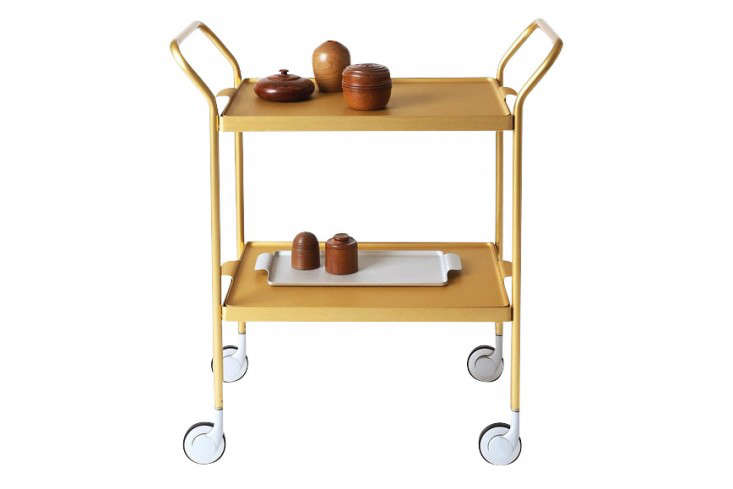
Some pieces of furniture enter a room quietly and still manage to steal the show. A Kaymet trolley is one of them. It does not shout. It does not arrive dressed in unnecessary curves, glitter, or gadgetry. It simply rolls in with polished confidence, carrying drinks, tea, books, flowers, or whatever else the host has decided deserves a grand entrance.
Classic trolleys from Kaymet in England are more than serving carts. They are small, mobile monuments to British practicality, mid-century design, and the lost art of making household objects that feel useful, elegant, and slightly more sophisticated than the person pushing them. Since 1947, Kaymet has been associated with handmade anodized aluminum trays, trolleys, and hotplates produced in London. The brand’s classic designs have endured because they solve a real problem beautifully: how to serve, store, and style everyday life without turning your home into a furniture showroom with commitment issues.
Today, the Kaymet trolley sits comfortably between a bar cart, tea trolley, side table, serving station, and design collectible. It works in a dining room, living room, kitchen, guest room, home office, or that mysterious corner everyone decorates with one sad plant and good intentions. Its charm lies in the balance: light but strong, decorative but practical, nostalgic but surprisingly modern.
Why Kaymet Trolleys Still Feel Fresh
Many vintage-inspired pieces rely on nostalgia alone. They wink at the past, borrow a few shapes, then hope nobody notices the flimsy construction. Kaymet is different because its classic trolleys are not merely “inspired by” mid-century design; they come from the era itself. The company’s ribbed trolleys have roots in the 1950s, while the modern trolley line has been continuously produced in London since the 1960s.
That continuity matters. A Kaymet serving trolley does not look vintage because a marketing team decided gold wheels were having a moment. It looks timeless because the design was already good enough to survive decades of changing interiors, from formal dining rooms to compact city apartments. Like a well-cut blazer or a properly mixed martini, it does not need to chase trends. Trends can come to it, wearing slightly uncomfortable shoes.
A Short History of Kaymet: From Postwar Machinery to Polished Homeware
Kaymet’s story begins in postwar England, when founder Sydney Schreiber found new uses for machinery that had previously supported wartime production. The company moved into household goods, especially aluminum products, and became known for trays, trolleys, cocktail sets, ashtrays, and later hotplates. Over time, Kaymet’s anodized aluminum designs became associated with hotels, restaurants, homes, yachts, and formal entertaining.
The company’s London-made identity is a major part of its appeal. In a world where many home products travel through long, anonymous supply chains, Kaymet still feels refreshingly specific. It belongs to a place, a workshop tradition, and a material language. The brand’s trays and trolleys are not trying to look handmade in the vague lifestyle sense. They are hand-finished objects built around aluminum, clean geometry, and practical serving needs.
That makes the Kaymet trolley especially appealing to people who want furniture with a story but not a lecture. You can mention its heritage at a dinner party, then immediately use it to serve cake. This is the ideal level of culture: interesting, useful, and unlikely to trap guests in a 40-minute monologue.
What Makes a Kaymet Trolley Different?
1. Anodized Aluminum Construction
The signature material is anodized aluminum, valued for its lightness, durability, and clean finish. Aluminum keeps the trolley easy to move, while anodizing gives the surface a refined look and added resistance to wear. In practical terms, that means a Kaymet trolley can feel elegant without behaving like a fragile museum piece that panics when someone sets down a glass.
2. Removable Trays
Many Kaymet trolleys include removable trays, especially in two-tier and three-tier designs. This is a small feature with a large payoff. You can wheel the trolley into position, lift off the top tray, serve drinks or snacks, then return it to the frame. It turns one piece of furniture into a mobile serving system. Fancy? Yes. Sensible? Also yes. The British do enjoy a well-organized beverage.
3. Ribbed and Pressed Details
Kaymet’s ribbed trays, pressed trays, and gallery-style borders bring texture and structure to the design. These details are not only decorative. They help define the tray surface, frame what is placed on it, and give the trolley its recognizable architectural quality. The result is a serving cart that looks finished even when it is empty.
4. Compact Footprint
A classic Kaymet trolley is useful because it does not demand a ballroom. It can fit into apartments, breakfast nooks, narrow dining spaces, and living rooms where every inch has already been negotiated like an international treaty. Its vertical storage makes it especially practical: two or three shelves provide serving space without eating up the floor plan.
Bar Cart, Tea Trolley, Serving Cart: One Piece, Many Personalities
The phrase “bar cart” gets most of the attention today, but classic trolleys from Kaymet in England are more versatile than that. Yes, they make a handsome drinks trolley. A gold or silver Kaymet cart loaded with glassware, bottles, an ice bucket, and citrus garnishes has immediate old-school glamour. It says, “I know where the cocktail napkins are,” which is a powerful social statement.
But a Kaymet trolley is just as convincing as a tea trolley. Add a teapot, cups, linen napkins, a small plate of biscuits, and suddenly the room becomes calmer. It can also act as a dessert station, breakfast cart, coffee corner, plant stand, bedside table, or bathroom organizer for towels and apothecary jars. The best furniture is never offended by a career change.
Interior designers often recommend bar carts because they create a defined entertaining zone without requiring built-in cabinetry. A trolley gives the host flexibility. It can live against a wall on ordinary days, then roll closer to guests when the evening begins. That mobility is the secret. A stationary cabinet waits for people to come to it. A trolley joins the party.
How to Style a Kaymet Trolley Without Making It Look Like a Tiny Liquor Store
The danger with any bar cart is overcrowding. Too many bottles, tools, glasses, plants, candles, books, and novelty stirrers can make a trolley look less like elegant entertaining and more like a very ambitious yard sale. Kaymet’s clean design works best when the styling respects the lines of the piece.
Keep the Lower Tier Practical
Heavy bottles, mixers, larger serving pieces, and extra glassware belong on the lower shelf. This keeps the trolley visually grounded and physically stable. It also prevents the top tier from looking like it is training for a strongman competition.
Use the Top Tier for the Moment
The upper tray should carry what guests see and use first: a decanter, two or three beautiful glasses, a small bowl of citrus, a cocktail shaker, or a teapot and cups. A single vase with herbs or flowers can soften the aluminum surface. Mint, rosemary, or basil is especially clever because it looks pretty and can also end up in a drink. That is multitasking with fragrance.
Add One Personal Element
A framed photo, small artwork, vintage bottle opener, or travel souvenir can make the trolley feel personal rather than staged. The goal is not to recreate a hotel lounge exactly. The goal is to borrow its polish while keeping your own home’s personality intact.
Choosing the Right Kaymet Trolley for Your Space
Kaymet trolleys come in several styles, including ribbed trolleys, modern trolleys, two-tier versions, three-tier versions, drinks trolleys, and designs with removable trays. The right choice depends on how you plan to use it.
If you host often, a three-tier trolley gives you extra vertical space for bottles, glassware, napkins, tools, and snacks. If you live in a smaller apartment, a two-tier trolley may be more graceful and easier to position. If you want maximum flexibility, choose a model with a removable top tray. That feature is especially useful for serving guests in another room or clearing cups after everyone has mysteriously decided the coffee table is a dish return station.
Finish matters, too. Gold frames lean glamorous and warm, especially with dark walls, walnut furniture, marble, velvet, or jewel-toned accessories. Silver frames feel crisp, modern, and versatile, pairing well with Scandinavian interiors, stainless steel kitchens, black accents, and neutral palettes. Black details can make the trolley feel more graphic and contemporary.
Where Kaymet Fits in Modern American Homes
Although Kaymet is proudly English, its trolleys work beautifully in American interiors because they solve familiar decorating problems. Many U.S. homes now mix open-plan living, casual entertaining, and smaller multifunctional spaces. A Kaymet trolley supports that lifestyle because it can be decorative in the morning, useful in the afternoon, and party-ready by evening.
In a city apartment, it can become a compact home bar without needing built-ins. In a suburban dining room, it can hold serving pieces during holidays. In a guest room, it can carry bottled water, towels, books, and a small lamp. In a kitchen, it can serve as a coffee station. In a living room, it can become a side table that happens to have wheels, which is furniture’s version of having a secret talent.
The Kaymet trolley also pairs well with several popular design styles: mid-century modern, Art Deco revival, traditional English, minimalist, contemporary, and eclectic interiors. Because its form is simple, it can adapt. Because its finish is polished, it still feels special.
Care and Maintenance: Keep the Shine, Skip the Drama
Kaymet pieces are made for real use, but they still deserve proper care. The general rule is simple: wipe clean with a soft cloth and avoid harsh treatment. Anodized aluminum should not be treated like a stainless steel pot, a cutting board, or the inside of a dishwasher after Thanksgiving dinner.
Avoid abrasive pads, strong chemicals, and dishwasher cleaning unless a specific product states otherwise. Many luxury aluminum serving pieces are best maintained by hand. Dry the surface after wiping, especially if drinks have spilled. If using the trolley as a bar cart, place sticky syrups, citrus, or wine bottles on coasters or small trays. This keeps the surface cleaner and makes the whole setup look more intentional.
Casters should also be checked occasionally. A trolley is only charming when it rolls smoothly. If it squeaks like a haunted tea service, it may need cleaning around the wheels or a gentle adjustment.
Is a Kaymet Trolley Worth It?
A Kaymet trolley is not the cheapest way to hold bottles, cups, or snacks. A folding table can do that. So can a countertop, a bookshelf, or, in emergencies, the top of the washing machine. But price is not the only question. The better question is whether the object improves daily life while lasting long enough to justify its place.
Kaymet trolleys stand out because they combine utility, heritage, and beauty. They are not disposable decor. They are long-life objects with a recognizable design language. For buyers who appreciate British craftsmanship, mid-century furniture, aluminum homeware, and flexible entertaining pieces, a Kaymet trolley is easy to understand. It is practical enough to use and elegant enough to admire.
Experience Section: Living With a Classic Kaymet Trolley
The experience of using a Kaymet trolley begins before guests arrive. You roll it out, and suddenly the room has a plan. That is the first surprise. A classic trolley does not merely hold things; it organizes the mood. Bottles look less random. Glasses look more deliberate. A bowl of lemons becomes decor. Even a stack of napkins gains confidence, which is not something napkins are usually known for.
In daily life, the trolley’s usefulness becomes clearer. On a weekday morning, it can hold coffee, mugs, a small jar of sugar, and breakfast plates. Instead of making three trips from kitchen to table, you make one graceful journey. It feels slightly ceremonial, but not fussy. You are still eating toast. You are just eating toast with better logistics.
For entertaining, the Kaymet trolley changes the host’s rhythm. Rather than disappearing into the kitchen every few minutes, you can keep essentials nearby. Sparkling water, wine, cocktail tools, tea, snacks, dessert plates, or after-dinner coffee can all wait on the trolley. Guests serve themselves more comfortably, and the host stops performing the frantic kitchen shuttle. Everyone wins, especially the person who usually forgets the corkscrew.
The removable tray is one of those details that seems minor until you use it. Lift it off, carry drinks to guests, return it to the frame, and the trolley instantly resets. It feels almost theatrical, like a prop from a black-and-white movie where everyone speaks beautifully and nobody has email. Yet it remains practical. That is the Kaymet magic: elegance that earns its keep.
There is also pleasure in the material. Anodized aluminum has a cool, smooth character that catches light without becoming flashy. Gold finishes bring warmth; silver finishes bring clarity. The ribbed edges and clean corners give the piece a tailored look. It is the opposite of bulky furniture. It has manners. It waits politely against the wall until needed, then rolls forward like it has been rehearsing.
Over time, a Kaymet trolley tends to become part of household ritual. It may start as a bar cart and become a Sunday coffee station. It may move from dining room to guest room. It may spend December holding champagne and January holding mineral water and good intentions. That flexibility is the reason classic trolleys survive. They adapt to the owner instead of demanding a single purpose.
And perhaps the best experience is the quiet compliment it attracts. Someone notices it, asks where it came from, and suddenly the trolley has done what good design always does: started a conversation without trying too hard. It proves that a useful object can still feel charming, that heritage can still feel modern, and that sometimes the most stylish thing in the room is the one carrying the snacks.
Conclusion
Classic trolleys from Kaymet in England remain desirable because they combine the rare qualities of lasting design: function, proportion, material honesty, and character. They are rooted in London manufacturing history, shaped by mid-century practicality, and still relevant for modern homes that need flexible, beautiful pieces.
Whether used as a British bar cart, tea trolley, serving cart, plant stand, or elegant side table, a Kaymet trolley brings order and polish to everyday living. It does not need to dominate a room. It simply improves it. In a design world full of loud furniture begging for attention, Kaymet’s quiet confidence feels refreshing. It rolls in, does the job, looks wonderful, and leaves everyone wondering why they ever served drinks from the kitchen counter.