For many women over 50, vaginal dryness can arrive like an uninvited houseguest: it shows up quietly, makes everything uncomfortable, and refuses to leave until someone addresses it. The good news is that dryness after menopause is common, treatable, and absolutely not something you have to simply “put up with” because of age.
Vaginal dryness can affect comfort during daily activities, exercise, sleep, urination, and intimacy. It may cause itching, burning, irritation, or pain during sex. Some women also notice more frequent urinary tract infections or a sudden urge to urinate. While menopause is often the main reason, it is not the only possible cause.
This guide explains the common causes of dryness in women over 50, practical relief strategies, treatment options to discuss with a clinician, and signs that deserve medical attention.
What Does Vaginal Dryness After 50 Actually Mean?
Many people use the word “dryness” to describe discomfort in the vaginal area, but the issue can involve both the vagina and the vulva. The vagina is the internal canal, while the vulva is the external genital area. Both can become more sensitive as hormone levels change.
Healthcare professionals often use the term genitourinary syndrome of menopause, or GSM. This broader term describes changes that can affect the vagina, vulva, bladder, and urinary tract after estrogen levels decline. Symptoms may include vaginal dryness, burning, itching, painful sex, urinary urgency, and recurrent urinary tract infections.
In the past, these changes were often called vaginal atrophy or atrophic vaginitis. The newer term GSM is more useful because it recognizes that the condition is not “just dryness.” It can affect comfort, confidence, relationships, sleep, exercise, and everyday quality of life.
The Most Common Causes of Dryness in Women Over 50
1. Lower Estrogen Levels After Menopause
The leading cause of vaginal dryness after 50 is declining estrogen. Estrogen helps keep vaginal tissue thick, flexible, lubricated, and well supplied with blood. As estrogen levels fall during perimenopause and menopause, the tissues can become thinner, less elastic, and more easily irritated.
Menopause itself is officially reached after 12 consecutive months without a menstrual period. However, vaginal dryness may begin during perimenopause, sometimes years before periods stop completely. In other words, the body may start changing its internal weather forecast long before the calendar announces menopause.
Lower estrogen can also change the natural environment of the vagina. This may make the tissue more vulnerable to irritation and may contribute to urinary symptoms. Dryness is not a sign that someone is “failing” at aging gracefully. It is a biological response to changing hormones.
2. Surgical or Medically Induced Menopause
Some women experience a sudden drop in estrogen because of surgery, cancer treatment, or medications that affect hormone production. Removal of the ovaries, certain breast cancer treatments, chemotherapy, pelvic radiation, and medications that block estrogen can all contribute to vaginal dryness.
When hormone changes occur abruptly, symptoms may feel more intense than they do during gradual natural menopause. Women who have a history of breast cancer, endometrial cancer, blood clots, or hormone-sensitive conditions should not self-treat with hormone products without discussing options with a qualified clinician.
3. Irritating Soaps, Fragrances, and Over-Cleansing
The vaginal area does not need a complicated beauty routine. In fact, it usually prefers the opposite. Scented wipes, perfumed sprays, bubble baths, harsh soaps, fragranced pads, and douching can irritate delicate tissue and worsen dryness.
Douching may sound like a “freshness” solution, but it can disrupt the vagina’s natural balance. The vagina is not a kitchen counter. It does not need aggressive scrubbing, floral perfume, or a product that promises to make it smell like a tropical vacation.
Gentle care is usually best: avoid fragrances, wash the vulva gently with water or a mild unscented cleanser if needed, and pat dry rather than rubbing. If a product causes stinging, burning, or itching, stop using it and consider speaking with a healthcare professional.
4. Certain Health Conditions
Menopause is common, but not every case of dryness is caused only by menopause. Some medical conditions can contribute to dryness throughout the body. For example, Sjögren’s syndrome is an autoimmune condition that can cause dry eyes, dry mouth, dry skin, and vaginal dryness.
Diabetes, skin conditions affecting the vulva, recurrent infections, and immune-related conditions may also contribute to irritation or discomfort. That is one reason persistent dryness deserves a real medical conversation instead of an endless parade of random drugstore products.
If vaginal dryness occurs along with dry eyes, dry mouth, unexplained fatigue, joint pain, unusual rashes, or frequent infections, mention all of those symptoms during a medical appointment. The full picture matters.
5. Medications and Lifestyle Changes
Some medications can contribute to dryness or reduce natural lubrication. This may include medicines used for allergies, mood disorders, bladder symptoms, or other chronic conditions. Do not stop a prescription medication on your own, but ask whether dryness could be a side effect and whether alternatives are available.
Stress, poor sleep, anxiety, relationship concerns, and reduced arousal can also make dryness more noticeable. This is not “all in your head.” The brain, hormones, circulation, mood, and pelvic muscles all participate in sexual comfort. Bodies are complicated ecosystems, not vending machines.
Symptoms You Should Not Ignore
Vaginal dryness may feel like a minor nuisance at first, but ongoing discomfort can affect quality of life. Common symptoms include:
- Burning, itching, stinging, or irritation
- Feeling dry or sore during the day
- Discomfort while walking, exercising, or sitting
- Pain during sex
- Light spotting after sex
- Burning during urination
- Frequent urination or sudden urinary urgency
- Recurring urinary tract infections
Dryness can overlap with yeast infections, bacterial vaginosis, urinary tract infections, sexually transmitted infections, vulvar skin conditions, or other medical issues. That means guessing is not always helpful. A clinician can often identify the cause with a conversation, examination, and targeted testing if necessary.
What You Can Do for Vaginal Dryness After 50
Start With a Gentle Daily Routine
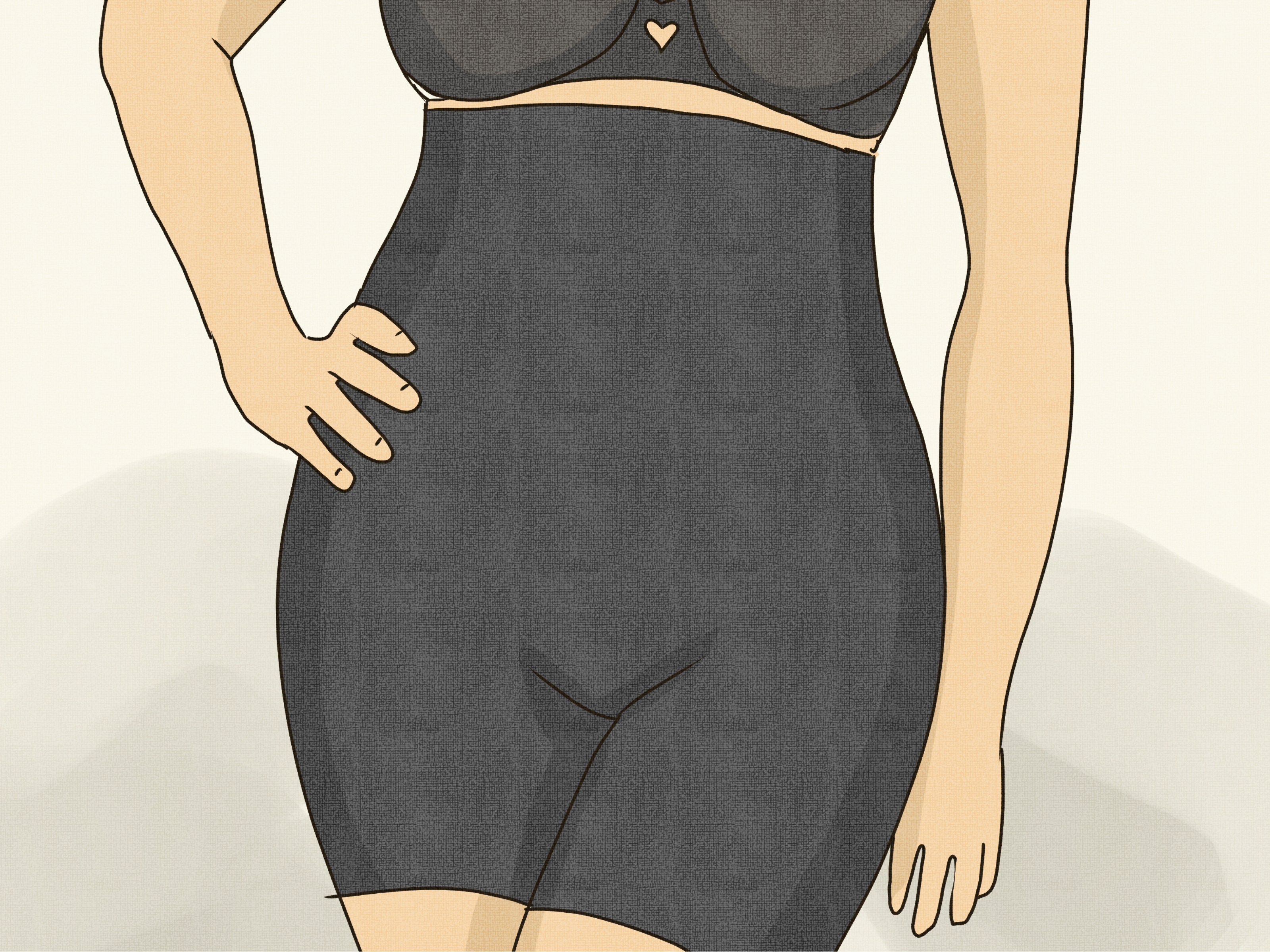
For mild dryness, simple changes can make a meaningful difference. Avoid scented products around the vulva and vagina. Skip douching. Choose breathable underwear, change out of damp workout clothes or swimsuits promptly, and avoid products that repeatedly cause irritation.
Use lukewarm water rather than very hot water for bathing. Hot baths may feel relaxing, but they can be less relaxing for already sensitive skin. Think “spa day,” not “boil the pasta.”
Use Vaginal Moisturizers Regularly
A vaginal moisturizer is designed for regular use, not just for sex. It helps support moisture in vaginal tissue over time and may reduce everyday discomfort. These products are often used every few days, depending on the formula and label directions.
Moisturizers are different from lubricants. A moisturizer works more like a regular skin-care product for vaginal tissue. It is intended to provide longer-lasting relief from dryness and irritation.
Use Lubricant During Sex
A vaginal lubricant is used before or during sex to reduce friction and improve comfort. Water-based and silicone-based lubricants are common options. If condoms are involved, check the product label for compatibility, especially when considering oil-based products.
More time for arousal can also help. Menopause can mean the body needs a longer warm-up period than it did at 25. That is not a malfunction. It is simply a new operating system with fewer pop-up windows and more loading time.
Ask About Low-Dose Vaginal Estrogen
If over-the-counter moisturizers and lubricants are not enough, low-dose vaginal estrogen may be one of the most effective treatments for menopausal dryness. It is available in several forms, including creams, tablets, inserts, and rings.
Local vaginal estrogen is designed to act mainly in vaginal tissue. It can help improve moisture, elasticity, tissue thickness, and comfort. It may also help some urinary symptoms associated with GSM. The best option depends on your symptoms, medical history, personal preferences, and comfort with different delivery methods.
Anyone with a history of breast cancer, unexplained vaginal bleeding, blood-clotting conditions, or other hormone-sensitive health issues should speak with their gynecologist, oncologist, or primary care clinician before starting hormone treatment.
Discuss Other Prescription Treatments
For moderate or severe symptoms, a clinician may discuss other treatment choices. Depending on your health history, options may include prescription vaginal DHEA, an oral medication called ospemifene, or systemic menopausal hormone therapy when vaginal dryness occurs alongside other disruptive menopause symptoms such as frequent hot flashes.
Systemic hormone therapy is not the right choice for everyone, and it is not automatically necessary for dryness alone. A personalized discussion is important because the benefits and risks can vary based on age, medical history, time since menopause, and other medications.
Consider Pelvic Floor Physical Therapy
When dryness has led to ongoing pain, muscle tightening, fear of discomfort, or avoidance of intimacy, pelvic floor physical therapy may help. A trained pelvic floor therapist can address muscle tension, pain patterns, and comfort during movement or sex.
This option is especially worth considering when pain continues even after dryness improves. Sometimes the tissue problem gets better, but the pelvic muscles remain on high alert, like a smoke alarm that keeps chirping after the toast is already out of the toaster.
What Not to Do
It is understandable to want a fast solution, especially when dryness affects comfort or confidence. Still, be cautious with products or procedures that make big promises but provide little useful information.
- Do not douche or use fragranced vaginal sprays.
- Do not keep using a lubricant or wash that burns or stings.
- Do not assume every itch is a yeast infection.
- Do not use someone else’s prescription estrogen product.
- Do not ignore bleeding after menopause.
- Do not feel pressured into expensive “rejuvenation” treatments without discussing evidence, risks, and alternatives with a qualified gynecologist.
When to See a Doctor About Dryness
Make an appointment with a healthcare professional if dryness lasts more than a few weeks, interferes with daily life, causes pain during sex, or does not improve with gentle care and over-the-counter products.
Seek medical evaluation sooner if you have postmenopausal bleeding, blood in urine, pelvic pain, fever, new or unusual discharge, sores, severe burning, painful urination, recurrent urinary tract infections, or a new lump or skin change around the vulva.
Postmenopausal bleeding should always be checked. It may have a harmless cause, but it should not be brushed off as “just part of getting older.” Your body is allowed to send a memo, and that one deserves to be opened.
Experiences Women Commonly Describe: The Real-Life Side of Vaginal Dryness
Vaginal dryness is often discussed in medical language, but real life rarely feels like a textbook. Women may describe the experience in practical, everyday terms: “It feels uncomfortable when I walk.” “I suddenly notice irritation after wearing leggings.” “I thought I had another urinary tract infection.” “I assumed painful sex was something I had to accept after menopause.”
One common experience is confusion. A woman may be healthy, active, and surprised that her body feels different in such a private area. She may blame a new laundry detergent, a stressful month, a lack of water, or an awkward pair of jeans. Sometimes those things can contribute to irritation, but ongoing dryness after 50 is often connected to changing estrogen levels.
Another common experience is silence. Many women grew up in households where menopause was barely discussed, and vaginal comfort was discussed even less. They may talk freely about knee pain, cholesterol, and an annoying neighbor’s leaf blower, but not mention burning, dryness, or pain during sex. That silence can delay relief.
Some women try several products before finding the right approach. They may buy scented washes, wipes, “feminine freshness” sprays, or random supplements, only to discover that these products make things worse. The turning point is often realizing that simple care works better: fewer fragrances, gentler washing, a regular vaginal moisturizer, and lubricant when needed.
Women also often describe a major emotional shift after speaking with a clinician. Many expect to be told, “That is normal at your age.” Instead, a good provider may say, “Yes, it is common, and yes, we can treat it.” Those are very different messages. Common does not mean insignificant, and aging does not mean surrendering comfort.
For some, low-dose vaginal estrogen becomes a practical solution after moisturizers and lubricants are not enough. Others prefer nonhormonal options because of personal preference or medical history. There is no gold star for choosing one path over another. The goal is comfort, safety, and a treatment plan that fits the person.
Partners can also play a role. Open communication may reduce pressure and help intimacy feel more relaxed. For women who are not currently sexually active, treating dryness can still matter. Vaginal comfort is not only about sex. It is about sitting comfortably, sleeping comfortably, exercising comfortably, and feeling at home in your own body.
The most encouraging experience many women report is relief. Once dryness is addressed, they may feel less anxious, more comfortable, and more willing to enjoy activities they had started avoiding. The solution is not always instant, and it may take some trial and error. But vaginal dryness after 50 is highly manageable, and no one should feel embarrassed about asking for help.
Conclusion
Dryness in women over 50 is often linked to lower estrogen levels during menopause, but it can also be influenced by medications, irritants, infections, autoimmune conditions, and other health concerns. The most important step is not to dismiss the problem.
Gentle care, regular vaginal moisturizers, lubricants during sex, and medical treatments such as low-dose vaginal estrogen can make a meaningful difference. If symptoms are persistent, painful, or accompanied by bleeding, urinary issues, or unusual discharge, speak with a healthcare professional. Getting older may change the body, but comfort is still worth protecting.