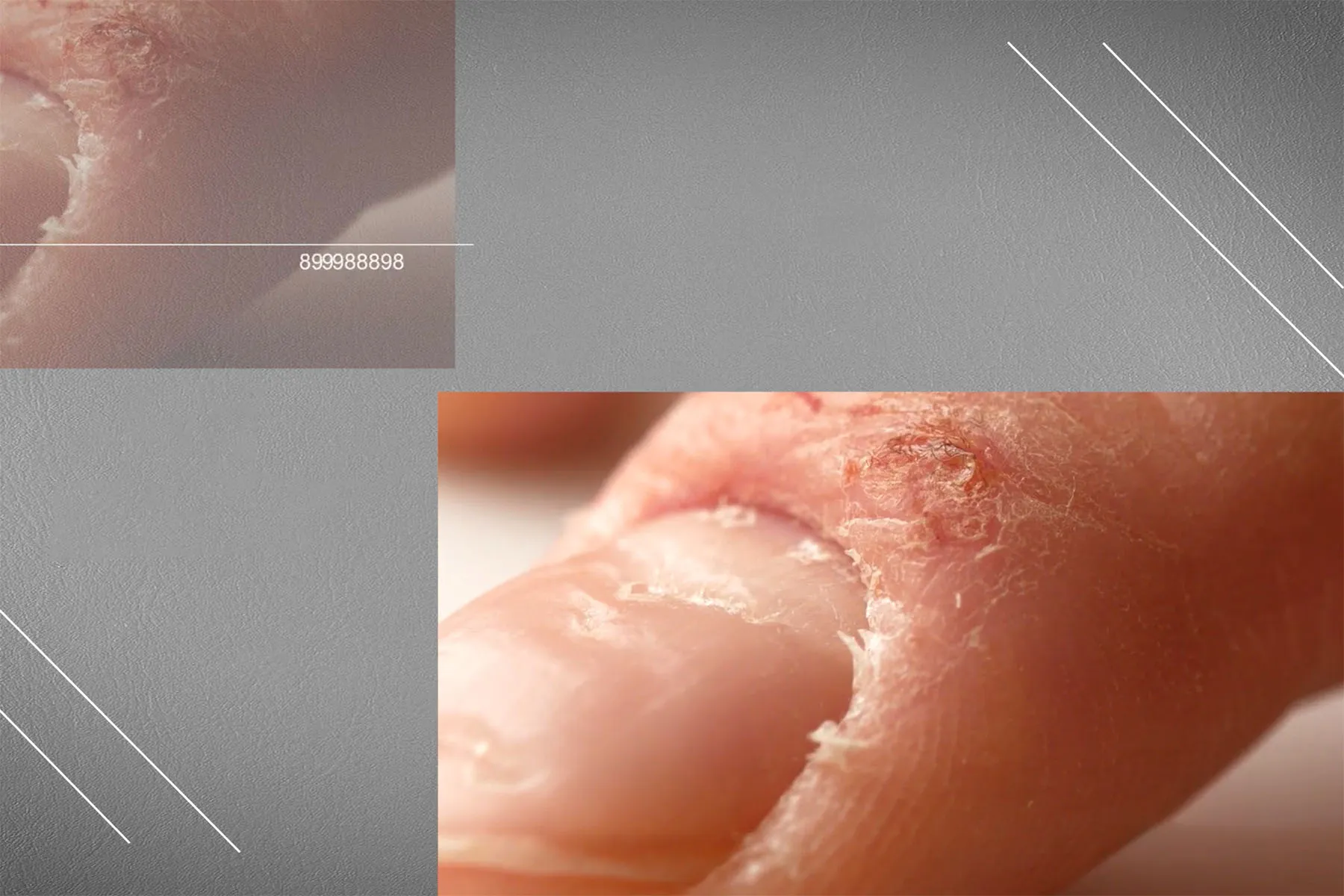
Nail psoriasis can be one of the rudest versions of psoriasis. It does not merely show up, say hello, and leave. It may leave dents, discoloration, thick buildup, splitting, lifting, tenderness, and that deeply annoying feeling that your nails have become tiny, unreliable pieces of furniture.
For many people, nail changes are more than cosmetic. Nails help with typing, buttoning shirts, opening cans, walking comfortably, and performing dozens of small daily tasks that suddenly feel much bigger when a fingernail hurts or a toenail catches on a sock. Nail psoriasis can affect fingernails, toenails, or both, and it may appear alongside skin psoriasis or psoriatic arthritis.
The good news is that nail psoriasis can be managed. It usually requires patience, gentle nail care, realistic expectations, and sometimes prescription treatment. Nails grow slowly, which means improvement tends to move at the pace of a turtle carrying groceries. Still, steady care can reduce discomfort, prevent injury, and help new healthy nail grow in over time.
What Is Nail Psoriasis?
Nail psoriasis occurs when psoriasis-related inflammation affects the nail matrix, nail bed, or skin around the nail. The nail matrix is the area that produces the nail, while the nail bed is the skin beneath it. When either area becomes inflamed, the nail can change shape, texture, thickness, or color.
Common signs of nail psoriasis include tiny dents called nail pitting, white or yellow-brown discoloration, thickened nails, ridges, crumbling edges, skin buildup under the nail, and nails separating from the nail bed. Nail separation is called onycholysis, which sounds like a villain from a science-fiction movie but simply means the nail has lifted away from the skin underneath.
Some people experience only mild pitting on a few nails. Others may have nails that become painful, loose, brittle, difficult to trim, or uncomfortable inside shoes. Symptoms can come and go, just like psoriasis elsewhere on the body.
Why Nail Psoriasis Needs Extra Attention
It is tempting to dismiss nail psoriasis as a beauty issue, especially when the changes are mostly visible rather than painful. But nail symptoms can affect confidence, work, hobbies, exercise, and everyday independence. A person who loves gardening may suddenly dread getting dirt under lifted nails. Someone who types all day may notice that even light pressure causes tenderness.
Nail psoriasis can also overlap with other conditions. Fungal nail infections may look similar, and it is possible to have both psoriasis and fungus at the same time. That is why treating every thick, yellow, crumbly nail with an over-the-counter antifungal without getting a diagnosis can be a frustrating and expensive guessing game. A dermatologist may examine the nail, take a clipping, or order testing when fungus is suspected.
Another reason to pay attention is the connection between nail changes and psoriatic arthritis. Nail psoriasis does not guarantee that someone has or will develop psoriatic arthritis, but nail involvement is more common in people with that inflammatory joint condition. Joint pain, morning stiffness, swelling of fingers or toes, heel pain, or a whole finger or toe becoming sausage-like should be discussed with a healthcare professional promptly.
How to Care for Nail Psoriasis at Home
Home care will not cure nail psoriasis, but it can make life much easier. Think of it as creating a low-drama environment for your nails. The goal is to reduce trauma, moisture problems, pressure, and irritation while giving treatment the best possible chance to work.
Keep Nails Short and Smooth
Trim fingernails and toenails regularly. Shorter nails are less likely to snag, split, lift further, or collect debris underneath. Use a nail file or emery board to smooth sharp edges rather than aggressively clipping already fragile nails. For thick toenails, it may help to soften them after bathing before trimming, but do not force a clipper through a painful or unusually hard nail.
Toenails should generally be cut straight across to reduce pressure and ingrown edges. If your toenails are very thick, painful, or difficult to trim safely, ask a dermatologist or podiatrist for help. There is no trophy for wrestling with a nail clipper in the bathroom.
Protect Nails From Injury
In psoriasis, physical injury can sometimes trigger or worsen symptoms. That makes nail trauma especially unhelpful. Wear gloves for dishwashing, cleaning, gardening, painting, or handling chemicals. Choose gloves with a soft lining when possible, and avoid wearing wet gloves for long periods because trapped moisture can irritate the surrounding skin.
Avoid using your nails as tools. Opening cans, scraping labels, prying staples, picking at stickers, and attacking delivery boxes with your thumbnail may feel efficient in the moment, but your nails will file a complaint later. Use a proper tool instead.
Leave the Cuticles Alone
Cuticles are not decorative speed bumps. They help protect the nail area from irritants and germs. Do not cut, push back, rip, or aggressively buff cuticles. Manipulating cuticles can create tiny tears, increase irritation, and make nail psoriasis worse. Moisturizing the cuticle area is a much kinder strategy.
Moisturize Nails and Surrounding Skin
Apply a fragrance-free moisturizer, ointment, or thick cream to the nails, cuticles, and surrounding skin after washing your hands and before bed. Moisture will not erase nail pitting overnight, but it can reduce dryness, cracking, and tenderness around the nail folds.
For many people, a simple routine works best: wash gently, pat dry, apply moisturizer, and avoid turning nail care into a chemistry experiment involving six serums and a motivational candle. Consistency matters more than fancy packaging.
Choose Shoes That Respect Your Toenails
Toenail psoriasis can be especially miserable when shoes press against thick or tender nails. Wear roomy shoes with enough toe-box space to prevent rubbing. Tight shoes, pointed styles, and repeated pressure from running or work boots can worsen discomfort and encourage further lifting.
If you exercise regularly, check whether your shoes are too short or too narrow. A shoe that feels fine while standing may become a tiny toe prison during a long walk. Breathable socks and dry footwear can also help reduce the chance of moisture-related irritation or fungal infection.
Be Careful With Manicures, Pedicures, and Nail Enhancements
You do not have to give up nail polish forever, but be selective. Some people find that regular polish helps camouflage discoloration and improves confidence. Others notice that polish removers, artificial nails, gel manicures, acrylic extensions, aggressive filing, or salon cuticle work irritate their nails.
Tell your nail technician that you have nail psoriasis. Ask them not to cut or push back cuticles, scrape beneath lifted nails, or buff the nail aggressively. Bring your own tools when possible, especially if you are concerned about infection control. If a nail is painful, lifted, cracked, or showing signs of infection, skip the salon appointment and check with a clinician first.
When Nail Psoriasis May Need Medical Treatment
Gentle care is useful, but it may not be enough when nail psoriasis is painful, widespread, causing nail separation, interfering with work, or affecting quality of life. A dermatologist can tailor treatment based on whether the inflammation is mainly in the nail matrix, nail bed, surrounding skin, or several areas at once.
Topical Treatments
For mild nail psoriasis, a clinician may recommend prescription topical medications such as corticosteroids, vitamin D analogs, tazarotene, or other anti-inflammatory treatments. These medications may be applied to the nail folds, beneath the free edge of the nail, or to affected surrounding skin depending on the pattern of disease.
Topical treatment requires persistence because medication has to reach the right part of the nail unit and new nail needs time to grow out. Doctors sometimes use a combination approach, such as a corticosteroid plus a vitamin D analog, to improve results while limiting long-term steroid exposure.
Injections and Office-Based Treatments
For stubborn nail psoriasis affecting only a few nails, a dermatologist may consider corticosteroid injections around the nail. These can be helpful for some people but are not a casual spa treatment. They can be uncomfortable and should be performed by an experienced clinician.
Some patients may also be offered targeted light-based treatment or other office procedures depending on the severity and location of psoriasis. The right option depends on the nail changes, other psoriasis symptoms, medical history, and personal treatment goals.
Oral Medicines and Biologic Treatments
When nail psoriasis is severe, affects many nails, occurs with moderate-to-severe skin psoriasis, or is linked with psoriatic arthritis, systemic treatment may be considered. Systemic medicines work throughout the body and may include oral medications, injectable biologics, or other immune-targeting therapies.
These treatments are not chosen solely because a nail looks imperfect. They are considered when disease burden is significant, symptoms are painful, daily function is affected, or joint disease needs treatment. Nail psoriasis can be difficult to treat with creams alone, and oral or injectable therapies may be more useful for extensive disease.
Nail Psoriasis Versus Nail Fungus
Nail psoriasis and nail fungus can look annoyingly alike. Both may cause thickening, discoloration, crumbling, debris beneath the nail, and separation from the nail bed. That similarity is why self-diagnosis can send people down a long road of antifungal products that do absolutely nothing except occupy a bathroom shelf.
Clues that may suggest nail psoriasis include pitting, psoriasis plaques elsewhere on the body, several nails changing at once, and a history of psoriasis or psoriatic arthritis. Clues that may suggest fungus include a classic thickened yellow toenail, scaling between the toes, or a household history of fungal infection. Still, appearance alone is not always enough.
A healthcare professional may test a nail clipping or sample from under the nail. Testing is important because psoriasis and fungal infection can coexist, and the treatment plan changes depending on what is actually present.
Signs You Should Call a Dermatologist
Schedule an appointment if your nails are becoming painful, lifting significantly, bleeding, crumbling, or making routine activities difficult. You should also seek medical advice if you notice increasing redness, warmth, swelling, pus, drainage, or severe tenderness around a nail, as these may suggest infection.
Bring up joint symptoms as well. Painful or swollen joints, stiffness that is worse after rest, heel pain, lower back pain, or swelling of an entire finger or toe may point to psoriatic arthritis. Early evaluation matters because psoriatic arthritis can affect joints over time.
Managing the Emotional Side of Nail Psoriasis
Nail psoriasis can feel surprisingly personal. Hands are visible during greetings, meetings, meals, photos, and every accidental close-up when someone hands you a coffee. Toenail changes can make sandals, swimming pools, yoga classes, and pedicures feel more complicated than they should be.
It is okay to care about how your nails look. Wanting relief from visible symptoms is not vanity; it is part of feeling comfortable in your body. A dermatologist can discuss treatment options, camouflage strategies, and practical care that supports both comfort and confidence.
Try not to judge your progress by staring at your nails every morning under bathroom lighting designed by someone who apparently hates humanity. Take a photo once a month instead. Nail growth is slow, and comparison photos often reveal gradual improvement that day-to-day inspection misses.
Everyday Experiences With Caring for Nail Psoriasis
Living with nail psoriasis often teaches people that small adjustments can make a surprisingly large difference. The most useful routines are usually not dramatic. They are the quiet habits repeated day after day: clipping nails before they catch, applying moisturizer before bed, wearing gloves before cleaning, and choosing shoes that do not turn every walk into a toe-based argument.
One common experience is realizing that nail care has to become gentler. People who once enjoyed frequent salon manicures may learn to ask for minimal cuticle work, skip aggressive buffing, or choose regular polish instead of acrylic extensions. This does not mean giving up on appearance. It means finding ways to feel polished without punishing already sensitive nails.
Another experience is learning that “just leave it alone” can be harder than it sounds. A lifted nail invites picking. Thick buildup under a nail can feel impossible to ignore. A rough edge seems to beg for trimming. Yet repeated digging, scraping, clipping too deeply, or peeling can trigger more irritation and damage. Many people find that keeping a file nearby helps because smoothing an edge is safer than tearing at it.
Toenail psoriasis can create its own set of challenges. Thick or tender nails may make certain shoes feel unbearable, especially during long workdays, travel, or exercise. People often discover that roomy sneakers, wide toe boxes, moisture-wicking socks, and careful shoe selection are not minor details. They are comfort tools. Sometimes the most helpful purchase is not an expensive cream but a pair of shoes that allows toes to exist without constant pressure.
Work can also be affected. Someone who uses a keyboard, handles paperwork, styles hair, cooks professionally, plays an instrument, or works with tools may notice that nail pain changes the way they use their hands. In these situations, protecting the nails becomes part of work ergonomics. Gloves, padded grips, short nails, and treatment plans that reduce inflammation can make daily tasks more manageable.
Many people describe frustration with the slow timeline of improvement. Skin psoriasis may change within weeks, but nails need to grow out. A fingernail can take months to show meaningful improvement, while toenails can take even longer. This delay makes it easy to assume treatment is failing when it may simply be too early to judge. Monthly photos, notes about pain, and tracking whether nails are lifting less can provide a more realistic picture than checking every day.
There is also the emotional experience of explaining nail changes to other people. Some people worry that coworkers, friends, or salon staff will assume the nails are contagious or caused by poor hygiene. Nail psoriasis is not a cleanliness failure. It is an inflammatory condition. A short explanation such as, “It is psoriasis affecting my nails, and I am treating it,” can be enough when you want to address questions without turning lunch into a dermatology seminar.
For people with possible psoriatic arthritis, nail changes can become an important clue rather than just a cosmetic concern. A person may initially focus on pitting or discoloration, then notice morning stiffness, sore fingers, heel pain, or swollen joints. Mentioning all of those symptoms during a dermatology appointment can lead to earlier evaluation and a more complete care plan.
Perhaps the biggest shared experience is learning to be patient without being passive. Caring for nail psoriasis does not mean ignoring symptoms and hoping for the best. It means protecting nails, asking for help when pain or function is affected, testing for fungus when appropriate, and working with a clinician to find treatment that fits the severity of the condition.
Your nails may not follow a perfect schedule, and flare-ups can be discouraging. But steady care, thoughtful treatment, and realistic expectations can make nail psoriasis far less disruptive. Small wins count: less pain in shoes, fewer broken nails, a smoother edge, easier typing, or the simple freedom to hold out your hand without feeling self-conscious.
Conclusion
Caring for nail psoriasis is a mix of practical protection and medical follow-through. Keep nails short, moisturized, and protected from repeated trauma. Avoid picking, harsh salon treatments, and tight shoes that pressure toenails. Seek medical advice when symptoms are painful, worsening, hard to distinguish from fungus, or accompanied by joint pain or stiffness.
Nail psoriasis can be stubborn, but stubborn is not the same as unbeatable. With gentle daily habits and the right treatment plan, it is possible to reduce discomfort, support healthier nail growth, and regain confidence one nail at a time.
Note: This article is for general education and does not replace individualized medical advice. A dermatologist or qualified healthcare professional can diagnose nail psoriasis, check for fungal infection, and recommend treatment based on your symptoms and health history.