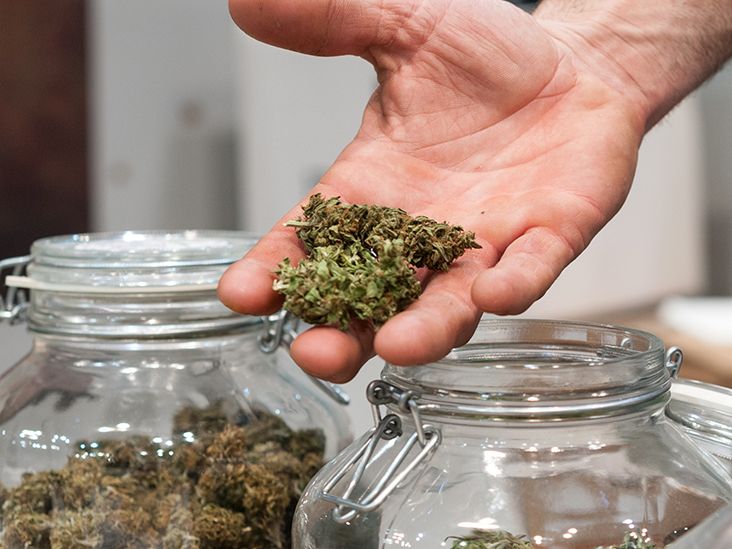
If you have ever looked at a cannabis bud and wondered whether you could skip the smoke, skip the brownie, and simply munch on the plant like an unusually controversial salad, you are not alone. The short answer is: eating raw weed usually will not produce the same noticeable high associated with smoking cannabis or eating THC-infused edibles.
The reason comes down to chemistry. Fresh and unheated cannabis contains much of its potential THC in an acidic precursor form called tetrahydrocannabinolic acid, or THCA. Delta-9 THC, by contrast, is the cannabinoid primarily responsible for the familiar intoxicating effects of marijuana.
That does not mean raw cannabis is chemically inactive, harmless, or guaranteed to contain zero THC. Storage, drying, light, age, and heat can gradually change its cannabinoid profile. Let’s unpack what actually happens when somebody eats raw marijuana, why it is different from an edible, and what safety issues are worth knowing.
What happens when you eat raw weed?
Raw cannabis flower contains dozens of biologically active plant compounds, including cannabinoids, terpenes, flavonoids, and other chemicals. Researchers have identified more than 100 cannabinoids in cannabis, although THC and cannabidiol (CBD) receive most of the attention.
The crucial detail is that cannabis does not simply grow enormous quantities of ready-to-go delta-9 THC inside its flowers. In living and relatively unheated plant material, cannabinoids occur largely in acidic forms. One of the most important is THCA, the chemical precursor of THC.
Eating that material therefore isn’t chemically equivalent to swallowing a conventional THC gummy. Your digestive system receives a mixture dominated by different compounds, and THCA does not behave in the brain exactly the way delta-9 THC does. Laboratory research has found that THCA has very different activity at cannabinoid receptors compared with THC.
Why raw weed usually doesn’t get you high
THCA and THC are not the same thing
The cannabis high is strongly associated with delta-9 THC interacting with cannabinoid receptors, particularly CB1 receptors in the central nervous system. THC exposure can alter perception, coordination, memory, attention, reaction time, and decision-making.
THCA has a similar-looking name but very different pharmacology. Research examining THCA at cannabinoid receptors has found relatively little CB1 activity compared with THC. That helps explain why consuming predominantly THCA-rich material does not ordinarily produce the classic marijuana intoxication people expect.
Animal metabolism research has also found that orally administered THCA was not substantially converted into THC inside the body. In other words, your stomach is not simply a miniature cannabis oven waiting to transform every milligram of THCA into intoxicating THC.
Heat changes the chemistry
The major transformation is known as decarboxylation. During decarboxylation, THCA loses part of its molecular structure and becomes THC. Heat dramatically accelerates this reaction, which is one reason cannabis that has been smoked, vaporized, or appropriately heated behaves differently from fresh raw plant material.
Scientific studies of cannabis processing consistently show that heating converts acidic cannabinoids into their neutral counterparts. Research published through the American Chemical Society has likewise documented temperature-dependent conversion of THCA to THC.
That’s the chemistry lesson hiding inside a very simple question: raw weed and THC edibles may come from the same plant, but they are not the same product.
Can raw marijuana contain any THC?
Yes. Saying raw weed contains THCA does not mean every piece of unheated cannabis contains exactly zero delta-9 THC.
Cannabis changes after harvest. Exposure to time, warmth, oxygen, and light can alter cannabinoids, and some THCA can gradually decarboxylate during drying and storage. Research on postharvest cannabis has documented these chemical changes, meaning the cannabinoid profile of a fresh flower can differ from one that has spent months sitting in storage.
Consequently, eating dried-but-unheated cannabis could expose someone to at least some THC. Exactly how much depends on the plant, processing conditions, storage, age, and cannabinoid concentrations.
This is why the safest answer to “Can eating raw weed get you high?” is probably not in the typical way, but it cannot be guaranteed to produce zero intoxicating effect.
Raw weed versus cannabis edibles
This distinction causes plenty of confusion because both products are technically cannabis that goes into your mouth.
A THC-containing edible has already been formulated so that psychoactive THC is available for absorption. Raw flower contains a very different cannabinoid balance. Calling both of them “eating weed” is a little like calling raw coffee beans and a double espresso the same breakfast beverage. Botanically related? Absolutely. Same experience? Not particularly.
When THC is swallowed, its effects also develop differently from inhaled cannabis. The CDC reports that edible cannabis can take roughly 30 minutes to two hours before intoxicating effects become noticeable, and those effects can last longer than expected. This delay contributes to accidental overconsumption because somebody may take additional THC before the original dose has fully taken effect.
MedlinePlus similarly notes that marijuana eaten by mouth produces slower and sometimes less predictable effects than marijuana that is smoked.
Does eating more raw weed eventually make you high?
There is no reliable amount of raw cannabis that can be described as a predictable intoxicating dose. Cannabis flowers vary enormously in cannabinoid composition, and an unregulated piece of plant material does not come with the dosing precision of a standardized medication.
More importantly, eating increasing quantities in pursuit of an effect is not a smart experiment. Even when intoxication is limited, ingesting a large amount of unfamiliar plant material can cause gastrointestinal discomfort. Meanwhile, dried or partially processed cannabis may contain more THC than expected because some decarboxylation has already occurred.
THC strength also matters. SAMHSA notes that products containing greater amounts of THC generally create stronger effects on the brain and may increase unwanted reactions.
Could you feel anything after eating raw cannabis?
Possibly, but “feeling something” should not automatically be interpreted as a THC high.
Cannabis contains numerous compounds besides THC. Raw material can contain THCA, CBDA, CBD-related compounds, aromatic terpenes, chlorophyll, and many other plant constituents. Researchers continue to investigate what individual acidic cannabinoids do in humans, and evidence supporting many commercial wellness claims remains limited.
People sometimes report relaxation, stomach sensations, changes in alertness, or other subjective experiences after consuming cannabinoid products. Such experiences are difficult to interpret because products vary, expectations influence perception, and cannabinoid concentrations are not always known.
The FDA emphasizes that many nonprescription cannabis-derived products have not undergone the same evaluation as approved medicines for effectiveness, dosing, interactions, or safety. Product labels can also fail to accurately represent cannabinoid content.
Is eating raw weed healthy?
The lack of a strong high does not automatically transform marijuana leaves into kale wearing sunglasses.
You may encounter online claims that raw cannabis is a “superfood,” anti-inflammatory miracle, detox ingredient, or treatment for various illnesses. Some cannabinoids are indeed being studied for biological activity, but early laboratory findings are not equivalent to proof that eating raw cannabis treats disease.
The FDA has repeatedly cautioned consumers about unsupported therapeutic claims involving cannabis-derived compounds. Outside a small number of approved cannabinoid medications for specific medical conditions, cannabis products should not be assumed to diagnose, cure, prevent, or treat disease simply because they originated from a plant.
Potential risks of eating raw cannabis
Unexpected THC exposure
A flower’s cannabinoid profile can change during drying and storage. Someone expecting only THCA could therefore consume some THC without realizing it. Cannabis potency also varies significantly among products and plants.
Contaminants
Cannabis is an agricultural product. Depending on cultivation and processing, plant material can potentially contain pesticides, microbes, heavy metals, or other contaminants. MedlinePlus notes that such contamination can occur and may itself create health problems.
This matters especially when somebody is consuming material that was not grown, handled, tested, or sold for human ingestion.
Medication interactions
Cannabis contains more than one cannabinoid. If significant CBD or other compounds are consumed, drug interactions become another consideration. The FDA notes that CBD can interact with medications and has been associated with liver-related safety concerns at meaningful exposures.
Pregnancy and breastfeeding
Pregnancy is not the time to experiment with raw cannabis because it “doesn’t really get you high.” The FDA advises against cannabis, THC, and CBD use during pregnancy and breastfeeding because of potential risks and unanswered safety questions.
What if a child accidentally eats cannabis?
Accidental ingestion should be taken seriously, especially because you may not know how much active THC was present.
Poison Control reports that children exposed to cannabis edibles can develop vomiting, dizziness, trouble walking, rapid heart rate, drowsiness, confusion, and breathing difficulties. Severe cases may require hospital care.
Although raw flower and a THC gummy are chemically different, parents should not assume an unknown cannabis product is harmless merely because it appears “raw.” Its cannabinoid concentration and processing history may be uncertain.
The CDC recommends keeping cannabis products locked away and out of children’s sight and reach. Emergency symptoms such as severe breathing problems or inability to awaken require immediate medical attention.
Can raw weed make you fail a drug test?
Possibly. Drug testing and intoxication are two different questions.
A person does not necessarily need to feel high for cannabinoid-related compounds or metabolites to be measurable. The presence and duration of detectable compounds depend on the material consumed, frequency of exposure, amount, individual metabolism, and the type of test being used.
THCA itself has been investigated as a biological marker of cannabis exposure, while conventional workplace testing commonly targets THC metabolites. Anyone subject to employment, athletic, legal, or medical drug testing should therefore avoid assuming that “raw” automatically means “undetectable.”
Why people confuse raw weed with edibles
Commercial cannabis terminology does not exactly make life easier.
You may encounter “THCA flower,” “raw cannabis,” “edibles,” “hemp-derived THC,” CBD flower, concentrates, tinctures, gummies, and several other labels sitting beside one another. They can contain dramatically different amounts and forms of cannabinoids.
The phrase edible cannabis generally refers to a food or beverage deliberately formulated with cannabinoids. It should not be confused with simply chewing untreated marijuana flower.
That distinction is important because THC-containing edibles can produce significant intoxication and delayed effects. The CDC specifically warns that edible potency can sometimes be difficult for consumers to judge and that delayed effects may contribute to poisoning.
Common myths about eating raw weed
Myth: A cannabis bud is basically a ready-made edible
Reality: Raw or minimally processed cannabis generally contains much of its potential THC as THCA. A prepared THC edible contains substantially more cannabinoid material in an intoxicating form.
Myth: Your stomach automatically converts THCA into THC
Reality: Available metabolism research does not support the idea that ordinary digestion efficiently transforms orally consumed THCA into large amounts of THC.
Myth: If it doesn’t get you high, it’s completely safe
Reality: Intoxication is only one type of risk. Contamination, medication interactions, accidental pediatric exposure, uncertain potency, and effects of other cannabinoids still matter.
Myth: Every batch of raw cannabis behaves exactly the same
Reality: Cannabinoid levels differ among plants and continue changing after harvest. Storage temperature, time, light, drying, and processing can influence THCA and THC concentrations.
So, can you get high from eating raw weed?
For most people eating genuinely raw, unheated cannabis, a traditional THC-style high is unlikely. The plant predominantly supplies THCA rather than fully activated delta-9 THC, and THCA does not interact with the body’s cannabinoid system in the same intoxicating manner as THC.
There are important exceptions. Cannabis that has dried, aged, been exposed to warmth, or otherwise undergone partial decarboxylation may already contain some THC. Product composition can also be uncertain. So “raw weed can’t get you high” is a little too absolute for good science.
A better summary is: fresh raw cannabis is generally much less intoxicating than heated cannabis or THC edibles, but individual products are unpredictable enough that effects should never be assumed.
Real-world experiences: What eating raw weed may actually be like
Imagine somebody who is familiar with ordinary THC gummies but has never learned much about cannabis chemistry. They see dried flower labeled with a high “total THC” percentage, eat a small piece, and expect the room to begin negotiating with gravity within an hour.
Nothing dramatic happens.
That experience makes sense because laboratory labels frequently account for the potential THC that can result when THCA is converted into THC. The number does not necessarily mean all of that cannabinoid material is already present as immediately intoxicating delta-9 THC.
The person’s first reaction may be disappointment. Their second may involve discovering that cannabis flower tastes significantly less glamorous than its marketing photography suggests. Raw plant material can be fibrous, bitter, grassy, and strongly aromatic. Gourmet dining, this is not.
Another person might report a subtle feeling and conclude that raw cannabis definitely got them high. That is possible, particularly with dried or older material containing some THC. But subjective effects alone cannot reveal which cannabinoid caused the sensation or how much THC was actually absorbed.
Storage creates another wrinkle. Consider cannabis that has spent months somewhere warm rather than freshly harvested material. Researchers have documented gradual changes in cannabinoid composition during storage, including degradation of THCA and formation or degradation of other cannabinoids.
That older material may therefore produce an experience different from truly fresh flower.
Then there is the classic mistake: assuming that nothing happened quickly, so consuming dramatically more must be the solution. That logic is particularly dangerous when the product isn’t actually raw flower but a THC-containing edible.
Oral THC behaves differently from inhaled cannabis. With an edible, somebody can feel very little initially, decide the first serving was ineffective, consume another serving, and then discover that both servings have arrived for the party simultaneously. The CDC identifies delayed onset as a major reason edible cannabis can lead to accidental overconsumption.
People who experience too much THC can develop anxiety, panic, paranoia, impaired coordination, confusion, rapid heartbeat, or other uncomfortable effects. MedlinePlus notes that serious psychological reactions can occur, particularly with higher exposure or in susceptible individuals.
Experiences also differ because human beings stubbornly refuse to behave like identical laboratory equipment. Body size, previous cannabis exposure, medications, food intake, product potency, cannabinoid composition, and individual biology can influence what somebody feels. That variability is one reason anecdotes such as “I ate raw weed and felt absolutely nothing” and “I ate it and definitely noticed something” can both exist without either story establishing a universal rule.
The most useful lesson from these experiences is not that raw cannabis is a secret edible or completely inert. It is that chemical form matters. THCA-rich raw cannabis, partially aged flower, and a manufactured delta-9 THC edible may all originate from Cannabis sativa while producing substantially different experiences.
And that is probably the least dramatic but most scientifically useful answer. Sometimes the difference between “salad” and “space travel” really is molecular chemistry.
Conclusion
Eating raw weed generally does not cause the strong psychoactive high associated with smoking marijuana or consuming THC-infused edibles. Fresh cannabis contains much of its potential THC as THCA, a cannabinoid that behaves differently from delta-9 THC and is not strongly intoxicating in the same way. Heat accelerates the conversion of THCA into THC through decarboxylation.
Still, raw cannabis should not be treated as guaranteed THC-free or risk-free. Drying, aging, warmth, and storage can change cannabinoid levels, while contaminants and unexpected product composition introduce additional uncertainty.
If cannabis has been accidentally consumed by a child, causes severe confusion, breathing difficulties, loss of consciousness, or another concerning reaction, seek appropriate medical or poison-control assistance rather than waiting for the chemistry experiment to resolve itself.