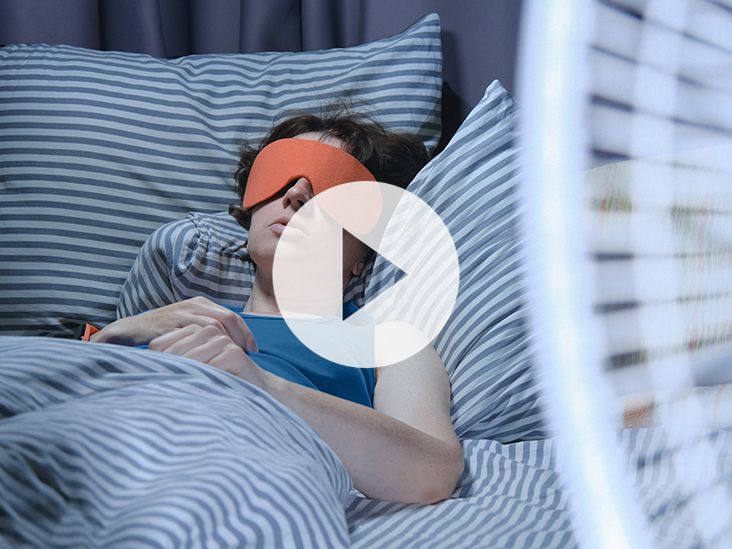
If your eyes feel like they spent the night in a desert wind tunnel, you are not alone. Dry eye is one of those annoyingly common problems that can make reading, working, driving, or scrolling feel way harder than it should. So it makes sense that people start looking at eye masks and wondering: Can eye masks help dry eyes? The answer is yes, but with a very important asterisk. Not every eye mask is created equal, and not every dry eye problem responds to the same fix.
Some eye masks are basically tiny spa days for your eyelids. Others are just soft blackout accessories that help you sleep but do not really treat the root cause of dry eye. And some can be helpful in a completely different way, by protecting the surface of the eye overnight. In other words, an eye mask can help dry eyes, but only when the type of mask matches the type of dryness you are dealing with.
This article breaks down which eye masks may help, when they work best, when they are mostly just decorative face blankets, and how to use them without accidentally making your irritated eyes even grumpier.
The Short Answer: Yes, Some Eye Masks Can Help Dry Eyes
Warm eye masks can be especially useful for people with evaporative dry eye, which often happens when the oil glands in the eyelids are not working well. Those glands, called meibomian glands, release oil that slows tear evaporation. When the oil gets thick or the glands get clogged, tears evaporate too fast and the eyes start to feel dry, scratchy, or tired.
A warm compress-style eye mask may help soften that oil, improve gland flow, and support a healthier tear film. That is why warm eye masks are commonly recommended as part of at-home care for meibomian gland dysfunction and blepharitis. Think of it as unclogging the plumbing before blaming the faucet.
Moisture chamber masks or goggles may help in a different way. Instead of heating the lids, they reduce evaporation by creating a more humid space around the eyes. These can be helpful for people whose eyes dry out overnight, especially if they sleep with their eyelids slightly open.
But a plain sleep mask that only blocks light? It might improve sleep quality, and better sleep can be good for the eyes overall, but it usually is not a direct treatment for dry eye unless it also helps limit airflow or exposure.
Why Dry Eyes Happen in the First Place
Dry eye is not just a “not enough tears” problem
Many people assume dry eye means the body is simply not making enough tears. Sometimes that is true. But often the problem is that the tears are poor quality and evaporate too quickly. Healthy tears need the right balance of water, oil, and mucus. If one part of that system is off, the surface of the eye gets irritated.
That is why dry eye can feel oddly contradictory. Your eyes may water like crazy, yet still feel dry. They may burn, sting, look red, blur on and off, or feel like there is a grain of sand camping out under the eyelid without paying rent.
Common reasons dry eyes flare up
Dry eye symptoms often get worse because of screen time, reduced blinking, air conditioning, heaters, wind, smoke, contact lenses, aging, certain medications, eyelid inflammation, or problems with the meibomian glands. For some people, the biggest trigger is what happens at night: incomplete eyelid closure, a dry bedroom, or a fan aimed straight at the face like a tiny leaf blower of doom.
Which Eye Masks Actually Help Dry Eyes?
1. Warm eye masks
These are the stars of the dry-eye-mask conversation. A warm eye mask or heated compress is designed to deliver steady, gentle heat to the eyelids. That heat can help loosen thickened oils in the meibomian glands and make it easier for those oils to spread into the tear film.
Warm eye masks tend to help most when dry eye is related to:
- Meibomian gland dysfunction
- Blepharitis
- Evaporative dry eye
- Crusting or clogged oil glands along the eyelid margins
In plain English, if your tears evaporate too fast because the oily layer is weak, warmth may help more than you would expect from something that looks like a bedtime accessory.
2. Moisture chamber masks or goggles
These do not rely mainly on heat. Instead, they help keep moisture around the eyes and reduce evaporation. They can be especially useful overnight or in very dry environments. People with exposure-related dryness, severe evaporative dry eye, or nocturnal lagophthalmos sometimes do better with this kind of setup than with a standard heated mask.
If you wake up with eyes that feel dramatically worse in the morning than at bedtime, this category deserves a closer look.
3. Soft blackout sleep masks
These help with light, not necessarily dryness. A regular sleep mask can still be nice if it improves sleep and protects the eyes from direct airflow. But unless it fits in a way that shields the eyes from evaporation or pressure points, it is not the same thing as a treatment mask for dry eye.
That means a soft sleep mask may be a bonus, not a cure. Helpful? Sometimes. Heroic? Usually not.
4. Cooling eye masks
Cooling masks can feel wonderful if your eyes are puffy, itchy, or irritated, especially when allergies are part of the picture. But they are not usually the first choice for meibomian gland-related dry eye. If your goal is to improve the oil layer of the tear film, warmth generally makes more sense than cold.
When Eye Masks Work Best for Dry Eyes
Eye masks are not one-size-fits-all, but they can be genuinely helpful in the right situations.
Warm masks often help most when:
- Your eye doctor has mentioned meibomian gland dysfunction
- Your eyelids feel greasy, crusty, or inflamed
- Your symptoms get worse late in the day
- Your eyes feel dry even though they water a lot
- You spend long hours on screens and blink less than usual
Moisture masks often help most when:
- You wake up with especially dry, gritty eyes
- You sleep with a fan or air vent blowing nearby
- Your eyelids do not fully close during sleep
- You have severe evaporation-related dryness overnight
In these situations, the right eye mask can be a useful tool, not just a trendy self-care prop living a glamorous life in your nightstand drawer.
When Eye Masks Probably Will Not Do Much on Their Own
Eye masks can help, but they are not magic. If your dry eye is mainly caused by low tear production, autoimmune disease, medication side effects, severe ocular surface disease, or contact lens overuse, a mask may only be one small part of the plan.
You may still need:
- Artificial tears or lubricating gels
- Prescription eye drops
- Lid hygiene
- Changes to screen habits and environment
- Treatment for inflammation or eyelid disease
- Specialty devices, punctal plugs, or other medical care
This is where many people get frustrated. They buy one eye mask, use it twice, and decide the whole category is a scam. But the real issue is often mismatch: the wrong mask, the wrong cause, or not enough consistency.
How to Use an Eye Mask for Dry Eyes Safely
Use the right kind of heat
If you are using a warm eye mask, it should feel comfortably warm, not hot enough to make you wince. More heat is not better. “Toasty” is the goal. “Accidentally reenacting a volcano documentary on your eyelids” is not.
Be consistent
Many people do better when they use a warm mask regularly rather than randomly. Occasional use may feel soothing, but routine use is more likely to help clogged oil glands over time.
Keep it clean
Your eyelids are delicate, and anything that touches them should be clean. Follow product instructions for washing, replacing covers, or sanitizing reusable masks. A dirty eye mask is not “natural eye flora support.” It is just dirty.
Pair it with lid care when needed
If blepharitis or lid debris is part of the problem, warm compresses often work better when followed by gentle eyelid hygiene. That might mean a doctor-recommended lid cleanser, wipe, or foam rather than improvising with whatever happens to be next to the sink.
Pay attention to pressure and fit
A mask should rest gently on closed eyes. It should not mash the eyeballs, pull on the skin, or feel so tight that you notice pressure more than comfort. If it slips, pinches, or leaves you feeling worse, it is the wrong fit.
Simple Habits That Make Eye Masks Work Better
An eye mask works best when it is part of a bigger dry eye strategy. Helpful habits include blinking more during screen time, taking breaks from digital devices, using a humidifier in dry rooms, avoiding direct air from fans or vents, and using lubricating drops if your eye doctor recommends them.
That matters because dry eye often comes from multiple causes at once. You might have clogged oil glands, reduced blinking, contact lens irritation, and dry indoor air all joining forces like the least fun group project ever.
Mistakes That Can Make Dry Eyes Worse
- Using a heated mask that is too hot
- Assuming any sleep mask is a treatment mask
- Using a dirty or worn-out mask
- Ignoring worsening redness, pain, or vision changes
- Rubbing the eyes after removing the mask
- Expecting instant results from a chronic problem
- Skipping medical care when symptoms are persistent or severe
Also, if you wear contact lenses, do not try to get creative and use a warm mask while wearing them. Your eyes deserve better life choices than that.
When to See an Eye Doctor
Dry eye is common, but not every red, irritated eye is simple dry eye. You should get medical care if you have persistent symptoms, very red eyes, significant pain, thick discharge, light sensitivity, or vision changes. The same goes for symptoms after an eye injury or sudden worsening that does not improve with basic care.
That is especially important because conditions like infection, corneal problems, allergy, inflammation, or incomplete lid closure can overlap with dry eye and need a more specific treatment plan.
So, Can Eye Masks Help Dry Eyes?
Yes, eye masks can help dry eyes, but the helpful kind is usually not the generic “cute thing you bought because it matched your pajamas.” The best option depends on why your eyes are dry.
If the issue is clogged meibomian glands or evaporative dry eye, a warm eye mask may absolutely be worth trying. If your eyes dry out overnight, a moisture chamber mask or protective sleep setup may make a noticeable difference. If the mask only blocks light, it may still support better rest, but it is less likely to treat the root problem by itself.
The smartest approach is not to ask whether eye masks work in general. It is to ask: Which kind of eye mask helps my kind of dry eye? Once you answer that, the whole topic gets a lot less confusing and a lot more useful.
Experiences Related to “Can Eye Masks Help Dry Eyes?”
People’s experiences with eye masks for dry eyes tend to fall into a few common patterns, and those patterns are surprisingly revealing. The first group often includes office workers, students, gamers, and anyone whose daily schedule involves staring at a screen for long stretches. These people often say their eyes feel worst in the evening. They describe burning, fluctuating vision, or the classic “I need to blink six times before this sentence comes back into focus” sensation. For many of them, a warm eye mask feels soothing right away, but the bigger difference shows up after regular use. The immediate sensation is comfort. The longer-term benefit is that the lids feel less heavy and the eyes feel less dry at the end of the day.
A second common experience comes from people who wake up with dry eyes rather than developing symptoms later. They may say things like, “My eyes are fine during the day, but every morning feels like I slept in a sandstorm.” These people sometimes try a heated eye mask first and like it, but the real game changer is often changing the nighttime setup. A moisture-retaining mask, a less aggressive ceiling fan, or moving the vent away from the bed can make a bigger difference than expected. In this group, the mask works less like a treatment session and more like overnight protection.
Then there are people with blepharitis or crusty lids who often report that warmth helps most when it becomes part of a routine. They usually notice that one dramatic use does not transform everything, but daily use followed by gentle lid hygiene makes their eyes feel cleaner, calmer, and less sticky. Their experience is a good reminder that dry eye management often rewards consistency more than intensity.
Contact lens wearers have a mixed experience. Some say a warm mask helps them feel better in the evenings after removing lenses, especially if screen time dried them out all day. Others discover that the mask alone is not enough because the real problem is lens fit, over-wear, or reduced tear stability. In those cases, the eye mask feels nice, but it is not the main answer. That can still be useful information. Sometimes a treatment “sort of helping” is the clue that you need a bigger adjustment.
Another frequent experience is disappointment with the wrong product. Some people buy a plush blackout sleep mask, assume it will act like a medical dry-eye treatment, and then wonder why nothing changes except they now look more glamorous at bedtime. Others use a mask that is too hot, too heavy, or too dirty and end up with more irritation instead of less. Those experiences do not mean eye masks never help. They usually mean product choice and technique matter a lot.
Overall, the most positive experiences come from people who match the mask to the problem, use it safely, and combine it with other good dry eye habits. The biggest lesson from real-world experience is simple: eye masks are often helpful tools, but they work best when they are used with a little strategy and a lot less guesswork.