Some design trends walk into a room wearing sunglasses indoors and announcing themselves loudly. Brass, when handled badly, can be one of them. But in the hands of Iacoli and McAllister, brass does not shout. It glows. It stretches into thin lines, hangs like a constellation, and turns a simple ceiling light into the kind of object guests pretend not to stare at while absolutely staring at it.
Brass Tacks Glam from Iacoli and McAllister is more than a catchy phrase. It captures a very specific kind of modern glamour: clean, geometric, warm, practical, and just polished enough to feel special without making your dining room look like a hotel lobby that sells $18 sparkling water. The Seattle-born studio became known for furniture, lighting, and objects that used metal with restraint, especially brass, copper, bronze, steel, and powder-coated finishes. Their work proved that glamour does not need tassels, crystal droplets, or dramatic velvet fainting couches. Sometimes all it needs is a precise metal frame, a clever silhouette, and a finish that gets better with age.
This article explores why Iacoli and McAllister’s brass lighting still feels relevant, how their Spica lights helped define a refined metallic look, and how homeowners can borrow the same spirit without turning the house into a brass marching band.
What “Brass Tacks Glam” Really Means
The phrase “brass tacks” usually means getting down to essentials. In interior design, that idea fits Iacoli and McAllister beautifully. Their pieces are not overdecorated. They are reduced to line, proportion, structure, finish, and function. The glamour comes from discipline, not excess.
Think of it this way: traditional glam might arrive with mirrored furniture, chandeliers, glossy lacquer, and a strong suspicion that someone owns a perfume atomizer. Iacoli and McAllister’s version arrives with a slim brass pendant, a sculptural wire side table, and a calm confidence that says, “Yes, this room has taste, but it also knows how to make coffee.”
The studio’s best-known work often balances industrial design and jewelry-like detail. A brass light fixture may be architectural in shape, but it still has the warmth of a small precious object. A wire table may look airy and minimal, yet the metal finish gives it enough personality to avoid looking like a math assignment.
Iacoli and McAllister: A Quick Design Background
Iacoli and McAllister began in Seattle in 2007, founded by Jamie Iacoli and Brian McAllister. The studio designed and fabricated furniture, lighting, and home objects with a strong focus on natural materials, clean composition, and American-made production. Their work later evolved through collaborations, vendor relationships, and the continued creative direction now associated with Viva Iacoli.
What made the studio stand out was not simply that it used metal. Plenty of designers use metal. Some use it gracefully; others use it as though a hardware store exploded. Iacoli and McAllister treated metal as both structure and ornament. Their pieces were often spare, but never cold. That is a rare trick. Minimalism can sometimes feel like a room is judging you for owning snacks. Their minimalism feels warmer, more human, and more livable.
The Spica Lights: Small Stars with Big Personality
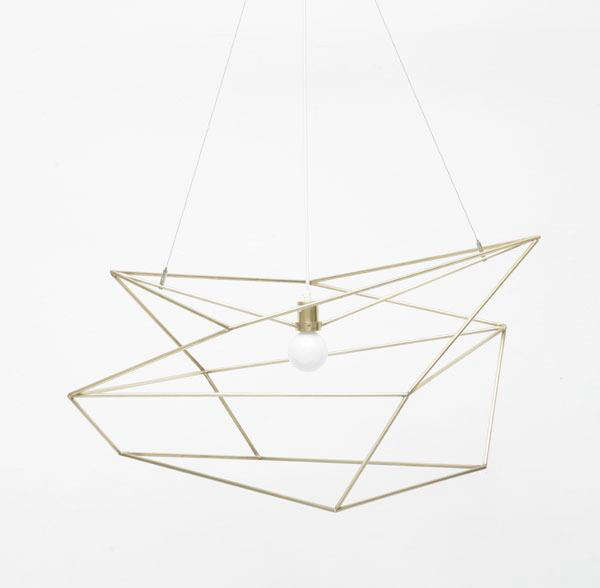
The Spica lighting line is central to the story of Brass Tacks Glam from Iacoli and McAllister. Named after the brightest star in the Virgo constellation, Spica lights translate the idea of a star into a crisp, geometric lighting object. Rather than relying on a huge shade or dramatic glass globe, the design uses metal, line, and proportion to create presence.
Spica fixtures have appeared in brass, copper, chrome, black, white, and wrapped versions. The brass and copper versions are especially memorable because they soften the geometry. A black metal frame can look graphic and architectural; brass makes the same form feel warmer, more atmospheric, and slightly more luxurious.
The beauty of the Spica design is that it works alone or in clusters. A single fixture can act like a delicate punctuation mark over a small table. A cluster can become a visual constellation over a dining area, stairwell, or high-ceilinged room. The result is dramatic, but not bulky. In small homes and apartments, that matters. A fixture can make a statement without eating all the visual oxygen in the room.
Why Brass Works So Well in Modern Interiors
Brass has a strange superpower: it can look vintage and modern at the same time. Its warm yellow tone connects to older hardware, classic lamps, antique fixtures, and historic homes. But when shaped into thin lines, simple frames, or sculptural forms, it suddenly feels contemporary.
That is why brass lighting works so well in clean interiors. White walls, pale wood, concrete floors, marble counters, and black steel details can all look beautiful, but they sometimes need warmth. Brass adds that warmth without demanding a full color makeover. It is the design equivalent of adding a good lamp to a sad corner: suddenly everyone looks better.
Brass Adds Warmth Without Adding Clutter
One of the reasons Iacoli and McAllister’s brass pieces remain appealing is that they deliver richness through material rather than decoration. A brass pendant does not need extra pattern, fringe, or ornament. The finish itself provides depth. This is especially useful in modern rooms where clutter can quickly ruin the mood.
Brass Plays Nicely with Other Materials
Brass pairs beautifully with wood, stone, glass, leather, plaster, linen, and matte paint. It warms up cool marble, adds polish to rustic wood, and gives black-and-white interiors a softer edge. It also mixes well with other metals when handled carefully. A room can include brass, blackened steel, nickel, or bronze, as long as the finishes feel intentional rather than accidentally collected during three separate renovations.
How Iacoli and McAllister Avoided “Too Shiny” Glam
The danger with brass is that it can become too shiny, too yellow, or too obviously trendy. Iacoli and McAllister avoided this by pairing warm metals with lean forms. Their designs often rely on open frameworks, thin rods, and geometric restraint. This gives the brass room to glow without becoming visually heavy.
Another important factor is patina. Uncoated brass and copper can darken and become richer over time. For some homeowners, that aging process is part of the charm. It means the piece does not stay frozen in showroom perfection. It becomes part of the home’s story. Of course, if you are the kind of person who panics at a fingerprint, living finishes may test your spiritual development. But for many design lovers, patina is the point.
Spica, Revati, Wire Tables, and the Studio’s Larger Language
Although Spica lighting is a natural focus for this topic, it sits within a broader Iacoli and McAllister design language. The studio’s Wire Side Table, for example, uses simple metal lines to create a graphic object that is both furniture and sculpture. It has been produced in powder-coated finishes and metallic options, showing the studio’s interest in color, structure, and material presence.
The Revati lights also continue the celestial naming theme and explore the relationship between brass framework and glowing form. When viewed together, these pieces reveal a consistent approach: make the structure visible, keep the silhouette clear, and let the material do the emotional work.
This is why the pieces feel collectible without feeling precious. They are not trying to disappear into the background, but they also do not behave like diva furniture. They occupy the middle ground: noticeable, useful, elegant, and a little playful.
How to Bring the Look Home
You do not need a full designer renovation to capture the spirit of Iacoli and McAllister brass lighting. The key is to focus on proportion, placement, and restraint. Brass works best when it feels like a deliberate accent, not like the room lost a fight with a gold spray can.
1. Start with One Strong Brass Fixture
A pendant light over a dining table, kitchen island, reading corner, or entryway is the easiest way to introduce brass glamour. Choose a fixture with a clean silhouette. Thin lines, open frames, or sculptural shapes will feel closer to the Iacoli and McAllister mood than ornate, overly traditional designs.
2. Let Negative Space Do Some Work
One reason Spica-style lighting feels so fresh is the use of open space. The fixture is not a solid mass; it is a drawing in the air. In a small room, this is magic. You get visual interest without blocking sightlines or making the ceiling feel lower.
3. Pair Brass with Matte Surfaces
Brass looks especially good against matte paint, plaster walls, honed stone, unfinished wood, or simple textiles. The contrast helps the metal shine without making the room feel flashy. A brass light against a white ceiling is classic. A brass fixture over a dark table is moodier. A brass accent in a room full of beige can rescue the space from looking like a bowl of oatmeal.
4. Mix Metals Carefully
Mixing metals can make a room feel layered, but too many finishes can feel chaotic. A simple rule: choose one dominant metal and one supporting metal. Brass can be the warm lead, while black metal or brushed nickel plays backup. The result feels collected rather than confused.
5. Respect Scale
A tiny brass pendant over a massive dining table will look nervous. A huge cluster in a low-ceilinged room may make guests duck instinctively. Measure carefully, consider ceiling height, and think about how the light will look from multiple angles. Great lighting is not just about the object; it is about the object in space.
Why This Look Still Feels Fresh
Design trends move quickly. One year everyone wants all-white kitchens; the next year white cabinets are accused of emotional distance. Brass, however, has stayed relevant because it is both decorative and functional. It is not just a color trend. It is a material with history, warmth, and physical depth.
Iacoli and McAllister’s brass work feels especially enduring because it does not depend on trendiness alone. The pieces are geometric, balanced, and versatile. They can live in a minimalist apartment, a renovated craftsman home, a boutique office, a creative studio, or a dining room where the chairs do not match but somehow look expensive.
The studio’s work also reflects a broader shift in American interiors: away from disposable decor and toward pieces with material honesty. A well-made brass fixture has weight, texture, and longevity. It can age. It can be polished. It can be moved from one home to another. It does not have to be replaced every time social media declares a new “must-have” finish.
Design Lessons from Iacoli and McAllister
The biggest lesson is that glamour does not need to be loud. In fact, the most sophisticated glamour often whispers. It shows up in a perfect proportion, a warm reflection, a shadow on the ceiling, or the way a fixture changes as daylight fades.
The second lesson is that materials matter. Brass is not simply “gold-colored metal.” It has tone, age, maintenance needs, and personality. It can be polished and bright, or darker and more lived-in. Understanding that range helps homeowners make better choices.
The third lesson is that restraint creates power. By keeping forms simple, Iacoli and McAllister allowed brass to feel modern rather than nostalgic. Their work shows that a piece does not need decorative noise to become memorable. Sometimes the cleanest line is the one that stays in your mind.
Experiences and Real-Life Styling Ideas Inspired by Brass Tacks Glam
Living with brass-inspired design is a little different from admiring it in a perfect studio photograph. In real homes, the dog sheds, the dining table collects mail, and someone always leaves a phone charger exactly where the room was supposed to look “editorial.” That is why the Iacoli and McAllister approach is so useful: it gives you beauty without requiring museum behavior.
One of the best ways to experience this style is in a dining room. Imagine a simple wood table, plain chairs, white walls, and a brass geometric pendant above the center. During the day, the fixture reads as sculpture. At night, it becomes atmosphere. Dinner feels more intentional, even if dinner is takeout noodles eaten directly from the container. The brass does not judge. It simply glows.
In a home office, a brass accent can change the mood from “temporary laptop cave” to “creative studio.” A slim brass lamp, a metal-framed side table, or a small pendant near a reading chair can add warmth to screens, books, and paperwork. Brass is especially helpful in workspaces because it adds visual interest without introducing loud color. It is polished, but not distracting.
Entryways are another perfect location. A brass light near the front door creates a welcoming first impression. It tells visitors, “Someone thought about this space,” even if the shoe pile underneath tells a more complicated story. Because entryways are usually small, one strong fixture can do more than a dozen decorative objects.
For renters, the experience can be more temporary but still effective. If changing hardwired lighting is not possible, brass can appear through plug-in sconces, table lamps, trays, mirror frames, cabinet pulls, or small sculptural objects. The key is to avoid scattering random brass bits everywhere. Choose two or three moments and let them talk to each other across the room.
Maintenance is part of the experience, too. Some people love the way brass ages. Others prefer a cleaner shine. Neither approach is wrong. The important thing is knowing what finish you have before cleaning it. Unlacquered brass develops patina; plated or lacquered finishes may need gentler treatment. A soft cloth and mild cleaning habits are usually safer than aggressive scrubbing. Brass should look cared for, not interrogated.
The most enjoyable part of brass tacks glam is how flexible it feels. It can lean minimal, vintage, industrial, artistic, or quietly luxurious. It can warm up a cool room, sharpen a soft one, and make ordinary spaces feel considered. That is the real magic of Iacoli and McAllister’s influence: they showed that glamour can be precise, practical, and still full of charm.
Conclusion: The Lasting Glow of Brass Tacks Glam
Brass Tacks Glam from Iacoli and McAllister remains compelling because it combines opposites that many interiors struggle to balance. It is glamorous but restrained, modern but warm, sculptural but useful, refined but not stiff. Their brass and copper lighting, especially the Spica line, shows how a simple material can become memorable when shaped with clarity and confidence.
For homeowners, designers, and design lovers, the lesson is simple: choose fewer pieces, choose better materials, and let proportion do the heavy lifting. A well-placed brass fixture can transform a room without overwhelming it. It can make a quiet space feel intentional. It can add warmth where everything feels too cool. And, most importantly, it can deliver glamour without requiring your house to wear sequins before noon.