Blue splatter dinner plates have a funny way of making dinner look more intentional than it probably was. A Tuesday-night pasta suddenly feels like it was plated by someone who owns linen napkins on purpose. A sandwich looks charming. A salad looks coastal. Even leftover pizza gets a tiny promotion. That is the quiet magic of blue splatter dinner plates: they are relaxed, graphic, nostalgic, and stylish without acting like they need their own velvet rope.
In the world of dinnerware, patterns come and go, but blue and white has serious staying power. From classic porcelain to rustic enamelware, from farmhouse tables to modern apartments, blue splatter designs manage to feel both vintage and fresh. The look is playful but not childish, bold but not loud, and practical enough for daily meals. In other words, it is the dinner plate equivalent of a good denim jacket.
This guide explores what blue splatter dinner plates are, why they are popular, how to choose the right material, how to style them, and how to care for them so they stay beautiful through many meals, many dishwashers, and at least a few “I forgot guests were coming” emergencies.
What Are Blue Splatter Dinner Plates?
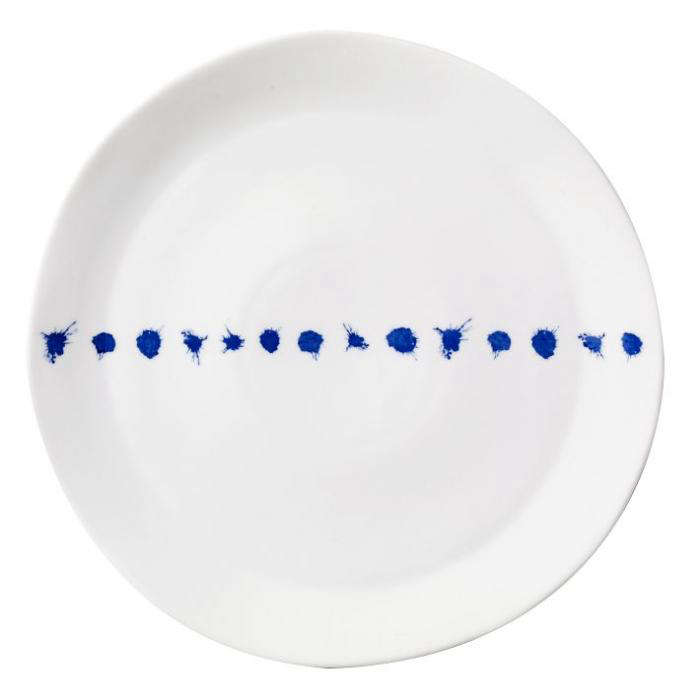
Blue splatter dinner plates are plates decorated with irregular blue marks, speckles, dots, flicks, or paint-like bursts across a lighter base, usually white, cream, or pale ceramic. The pattern can be subtle and airy, like tiny ink droplets, or dramatic and energetic, like a painter shook the brush with enthusiasm and zero regrets.
The design is often inspired by traditional splatterware, spatterware, spongeware, and enamelware. These styles have long appeared in American kitchens, country homes, camping gear, and handmade pottery. Today, the look has been updated for modern tables in stoneware, porcelain, ceramic, melamine, and enamel-coated metal.
The best part is that no two splatter patterns need to look exactly alike. That tiny variation gives the plates personality. Instead of feeling mass-produced and stiff, blue splatter dinner plates often feel handmade, casual, and full of movement.
Why Blue Splatter Dinner Plates Are So Popular
They Balance Classic and Casual
Blue and white dinnerware is one of the most timeless combinations in table design. It feels clean, crisp, and familiar. Add a splatter pattern, and suddenly that classic color pairing loosens its tie. The result is dinnerware that works for both everyday meals and relaxed entertaining.
Plain white plates are useful, of course, but blue splatter plates bring a little more energy. They say, “Yes, this is a bowl of soup, but it has ambiance.” That matters, especially when the meal is simple. Good dinnerware does not need to upstage the food, but it should make the table feel cared for.
They Fit Many Home Styles
Blue splatter dinner plates slide easily into several decorating styles. In a farmhouse kitchen, they feel rustic and friendly. In a coastal dining room, they echo sea spray, denim blues, and breezy summer meals. In a modern kitchen, their graphic dots add contrast without overwhelming the space. In a vintage-inspired home, they nod to enamelware and old-fashioned pantry shelves.
That flexibility is one reason splatter dinnerware continues to show up in homes, restaurants, outdoor dining setups, and curated tablescapes. It is distinctive enough to be noticed but versatile enough not to fight with everything else on the table.
They Hide Minor Marks Better Than Plain Plates
Let us be honest: daily dinnerware has a job. It must survive forks, knives, stacking, unloading, reheating, enthusiastic children, and the occasional dramatic cabinet shuffle. A patterned plate can visually disguise small utensil marks better than a glossy white plate. Blue splatter patterns are especially forgiving because the eye reads the surface as textured and lively.
This does not mean the plates are indestructible. Sadly, dinner plates have not yet evolved into superheroes. But a busy, irregular pattern can help everyday wear look less obvious.
Common Materials for Blue Splatter Dinner Plates
Stoneware
Stoneware is one of the most common materials for blue splatter dinner plates. It has a sturdy feel, a slightly earthy personality, and a pleasing weight in the hand. Many stoneware plates are dishwasher-safe and microwave-safe, though it is always smart to check the manufacturer’s label.
Stoneware works beautifully with splatter designs because the material already feels warm and handmade. A blue speckled glaze or painted splatter pattern enhances that artisanal look. The trade-off is that stoneware can be heavier than porcelain and may chip if treated roughly. If you like plates that feel substantial and cozy, stoneware is a strong choice.
Porcelain
Porcelain is usually lighter and more refined than stoneware. It is fired at high temperatures, which helps create a hard, nonporous surface. Blue splatter porcelain dinner plates can look crisp, bright, and elegant while still feeling playful.
Porcelain is a great option if you want dinner plates that transition well from weeknight meals to company dinners. A porcelain blue splatter plate with a clean rim can feel polished, while a more irregular handmade-style version can feel relaxed and artistic.
Ceramic
The word “ceramic” is broad and can include earthenware, stoneware, porcelain, and other clay-based dinnerware. When shopping, pay attention to the specific type, glaze quality, and care instructions. Some ceramic plates are excellent for daily use, while others are more decorative or delicate.
For blue splatter dinner plates, ceramic designs are often popular because they allow for expressive glazes and handmade effects. Look for plates labeled food-safe, dishwasher-safe, and microwave-safe if you plan to use them daily.
Enamelware
Blue splatter enamelware is a classic. It often features a white base with cobalt blue speckles and a dark rim. Enamelware is usually made by coating metal with enamel, creating lightweight, durable pieces that are especially beloved for camping, picnics, cabins, and rustic kitchens.
However, enamelware has its own rules. It is not always microwave-safe because of its metal core. It can chip if dropped, and once the enamel surface is damaged, the exposed metal may rust. For outdoor dining, casual meals, or vintage charm, enamelware is fantastic. For microwave reheating, choose ceramic, porcelain, or stoneware instead.
Melamine
Melamine plates are lightweight and break-resistant, making them useful for patios, poolside meals, kids’ tables, and outdoor parties. Blue splatter melamine plates can mimic the look of ceramic without the same risk of breakage.
The main caution is heat. Melamine is generally not recommended for microwave use. If you want carefree outdoor dinner plates and do not need to reheat food on them, melamine can be practical and attractive.
How to Choose the Best Blue Splatter Dinner Plates
Start With Your Daily Routine
Before falling in love with a plate because it looks adorable in a photo, ask how you actually eat. Do you microwave leftovers directly on the plate? Do you use the dishwasher every night? Do you stack plates in a small cabinet? Do you have children who treat dinnerware like percussion instruments?
If your plates will be used every day, prioritize durability, dishwasher safety, microwave safety, and stackability. If they are for special occasions, you can lean more into artistry, unusual shapes, or delicate finishes.
Check the Size
Most modern dinner plates range from about 10 to 11 inches wide. Larger plates look restaurant-style, but they can crowd smaller cabinets and dishwashers. Smaller plates may help with portion control and fit better on compact tables.
For blue splatter dinner plates, size also affects the visual impact of the pattern. A large plate gives the splatter design room to breathe. A smaller plate can make the pattern feel denser and more playful.
Look at the Rim Shape
Flat coupe plates have a modern look and are easy to style. Plates with raised rims help contain saucy foods, which is important if your pasta believes in freedom. A rimmed blue splatter plate can feel slightly more traditional, while a coupe shape can feel cleaner and more contemporary.
Think About the Shade of Blue
Not all blue splatter dinner plates create the same mood. Cobalt blue feels bold, crisp, and classic. Navy blue feels sophisticated and dramatic. Sky blue feels soft and coastal. Indigo feels earthy and handmade. Teal-blue splatter adds a brighter, more casual personality.
If your kitchen already includes blue accents, choose a shade that complements them. If your home is mostly neutral, cobalt or navy splatter plates can become the table’s statement piece.
Prioritize Food-Safe Glazes
Because dinner plates touch food directly, safety matters. Choose dinnerware from reputable sellers and look for food-safe labeling. This is especially important with handmade pottery, vintage ceramics, imported traditional pottery, or decorative plates that may not be intended for eating.
For vintage blue splatter plates, inspect the surface. Avoid eating from plates with cracked glaze, unknown decorative paint, or heavy wear on the food-contact area. Vintage pieces can be wonderful for display, wall decor, or serving wrapped foods, but daily food use should be reserved for pieces confirmed as safe.
Styling Blue Splatter Dinner Plates
Keep the Table Simple
Blue splatter plates already bring pattern, so you do not need to invite every decorative item in the house to the party. White napkins, clear glasses, stainless flatware, and natural wood accents let the plates shine.
For a clean everyday table, pair blue splatter dinner plates with white bowls, woven placemats, and simple drinking glasses. The look is relaxed but not lazy. Think “effortless host,” even if you spent ten minutes hiding mail in a drawer before guests arrived.
Create a Coastal Look
Blue splatter plates are natural partners for coastal style. Add linen napkins, rattan chargers, pale wood, sea-glass tones, and a centerpiece of fresh greenery or white flowers. The result feels breezy without turning your dining room into a souvenir shop.
Avoid overdoing shells, anchors, and nautical props. One or two coastal references are enough. The blue splatter pattern already suggests water, movement, and casual summer meals.
Go Farmhouse With Warm Textures
For a farmhouse table, style blue splatter dinner plates with wood boards, cream napkins, vintage flatware, mason jar glasses, or a simple pitcher of wildflowers. The combination feels cozy and welcoming.
This is where enamel-style blue splatter plates shine. They bring a nostalgic kitchen feeling that works beautifully with biscuits, roasted vegetables, grilled chicken, fruit pies, and any meal that benefits from looking like it came from a very charming cookbook.
Mix With Solid Dinnerware
You do not need a complete blue splatter dinnerware set. In fact, mixing can look more interesting. Try blue splatter dinner plates with solid white salad plates, navy bowls, or pale blue mugs. You can also use splatter plates as accent pieces while keeping the rest of the table neutral.
This approach is practical if you already own white dinnerware. Add a set of four or six blue splatter dinner plates, and your table instantly feels refreshed without requiring a full cabinet takeover.
Best Foods to Serve on Blue Splatter Dinner Plates
Blue splatter dinner plates are surprisingly food-friendly. Their white base provides contrast, while the blue pattern frames food without changing its color too much. They look especially good with bright, simple dishes.
Try them with lemony grilled fish, roasted chicken, tomato pasta, summer salads, blueberry pancakes, scrambled eggs, tacos, rice bowls, or sandwiches. The blue and white background makes greens look greener, tomatoes look juicier, and golden-brown foods look even more appetizing.
For dinner parties, blue splatter plates work well with Mediterranean menus, seafood nights, barbecue sides, brunch spreads, and casual family-style meals. They do not demand fancy food. They simply make ordinary food look like someone cared, which is half the battle.
Care and Maintenance Tips
Read the Label First
The most important care tip is also the least glamorous: read the manufacturer’s instructions. Some blue splatter dinner plates are dishwasher-safe and microwave-safe. Others are hand-wash only or unsuitable for microwaves due to metallic trim, enamel construction, or special finishes.
Avoid Thermal Shock
Thermal shock happens when dinnerware experiences a sudden temperature change, such as moving a hot plate into cold water. This can cause cracking or weaken the glaze. Let hot plates cool before washing, and avoid placing cold plates directly into a hot oven unless the manufacturer clearly says it is safe.
Stack With Care
If you want to prevent scratches, stack plates gently. For special or handmade pieces, consider placing thin felt protectors or paper towels between plates. This may sound fussy until you hear the sad little scrape of ceramic on ceramic. Then suddenly it sounds wise.
Use Mild Cleaners
Most everyday stains can be handled with warm water, dish soap, and a soft sponge. Avoid harsh abrasives unless the manufacturer recommends them. For utensil marks on glazed plates, a gentle ceramic-safe cleaner may help, but always test carefully.
Are Blue Splatter Dinner Plates Good for Everyday Use?
Yes, blue splatter dinner plates can be excellent for everyday use if you choose the right material and care level. Stoneware and porcelain versions are often well-suited to daily meals, especially when labeled dishwasher-safe and microwave-safe. Enamelware is great for outdoor dining and casual use, but it should usually stay out of the microwave. Melamine is practical for break-resistant serving, especially outside, but it is not ideal for high heat.
The key is matching the plate to your lifestyle. A busy family kitchen needs durable, easy-clean plates. A design-focused dining room may prioritize handmade character. A camper or picnic lover may prefer lightweight enamel-style splatter plates. There is no single perfect plate, but there is probably a perfect plate for the way you actually eat.
Buying Tips: What to Look For Before You Add to Cart
When shopping for blue splatter dinner plates, look closely at product descriptions and photos. Check the material, dimensions, care instructions, weight, and whether the pattern is printed, hand-painted, or created through a reactive glaze. Reactive glazes can create beautiful variation, but the exact look may differ from plate to plate.
Read reviews for comments about chipping, scratching, dishwasher performance, and true color. Some plates look bright cobalt online but appear darker navy in person. Others may be heavier than expected. Reviews often reveal the little details that polished product photos politely avoid mentioning.
If you are buying handmade blue splatter plates, expect variation. That is part of the charm. If you want every plate to match perfectly, choose a factory-made set with a consistent printed pattern. If you enjoy personality, handmade or reactive-glaze plates can feel more special.
Blue Splatter Dinner Plates as Gifts
Blue splatter dinner plates make thoughtful gifts because they are useful and stylish. They work well for housewarmings, weddings, birthdays, holidays, and “I noticed your plates are older than your streaming subscriptions” situations.
For a practical gift, choose a set of four dinner plates. For a more decorative gift, pair two blue splatter plates with cloth napkins, a serving bowl, or a bottle of good olive oil. The goal is to give something that feels personal without requiring the recipient to redesign their entire kitchen.
Experience Section: Living With Blue Splatter Dinner Plates
Using blue splatter dinner plates day after day teaches you something important: small design choices can make ordinary routines feel better. The first time you put a basic breakfast on one, you may notice the plate doing a little visual heavy lifting. Eggs, toast, berries, and coffee suddenly look like a weekend moment, even if it is Wednesday and you are standing near the counter answering emails.
One of the best experiences with blue splatter dinner plates is how easily they move between casual and special meals. They do not feel too fancy for a grilled cheese sandwich, but they also do not look underdressed when you serve salmon, roasted vegetables, or a carefully arranged cheese plate. That flexibility makes them useful in real homes, where dinner can range from “beautiful homemade meal” to “we found dumplings in the freezer and called it cuisine.”
They are also forgiving when you are building a table setting with mismatched pieces. Suppose you have white bowls, clear glasses, wood-handled flatware, and random napkins that may or may not have come from a holiday clearance bin. Blue splatter plates can pull the table together because the pattern feels intentional. The irregular dots make mismatching look collected rather than chaotic. This is a wonderful trick for anyone who likes style but does not want to spend an entire afternoon coordinating shades of beige.
Another pleasant surprise is how seasonal they can be. In spring, blue splatter plates look fresh with tulips, pale linens, and lemon desserts. In summer, they feel coastal with grilled seafood, corn, tomato salad, and iced tea. In fall, they pair nicely with wood, brass, denim napkins, and roasted squash. In winter, they look crisp with evergreen branches, white candles, and hearty stews. The color blue may seem cool, but the splatter pattern adds enough warmth and movement to keep the table from feeling sterile.
For families, blue splatter dinner plates can be a smart middle ground between plain white dinnerware and highly decorative patterns. They have personality, but they do not clash with every meal. Children tend to like the playful dots, while adults appreciate that the plates still look grown-up. If the plates are sturdy stoneware or porcelain, they can handle regular use. If they are enamelware or melamine, they can become go-to pieces for outdoor dinners, barbecues, and camping trips.
Hosting with blue splatter dinner plates is especially satisfying because they reduce the pressure to create a perfect table. Their charm comes from informality. You can serve food family-style, put herbs in a jar, fold napkins simply, and still end up with a table that looks photographed on purpose. The plates provide energy, so the rest of the setup can stay easy.
The only real downside is that once you start using blue splatter dinner plates, you may become suspicious of boring plates. Suddenly, a plain plate looks like it forgot to get dressed. You may find yourself browsing matching bowls, serving platters, mugs, and perhaps a blue splatter pitcher you absolutely do not need but can emotionally justify. This is normal. Dinnerware enthusiasm is not a crime, although your cabinet space may file a complaint.
Overall, the experience is simple: blue splatter dinner plates make meals feel more cheerful. They bring a handmade mood, a bit of history, and a splash of color to the table without demanding perfection. That is exactly what everyday dinnerware should do.
Conclusion
Blue splatter dinner plates are more than a trendy tabletop detail. They are practical, expressive, and surprisingly versatile pieces that can brighten everyday meals and add character to special gatherings. Whether made from stoneware, porcelain, ceramic, enamelware, or melamine, the right set can suit your lifestyle, your storage space, and your personal style.
Their greatest strength is balance. They are classic because of the blue-and-white palette, modern because of the graphic pattern, and relaxed because every splatter feels a little spontaneous. Choose food-safe materials, check care instructions, avoid unnecessary heat risks, and style them with simple textures for the best results.
If your table needs a refresh, blue splatter dinner plates are a smart place to start. They are cheerful without being silly, stylish without being fussy, and useful enough to earn their cabinet space. In a world full of complicated decorating decisions, that is a pretty delicious win.
Note: This article is original, written in standard American English for web publication, and based on real dinnerware, table styling, material-care, and food-safety information.