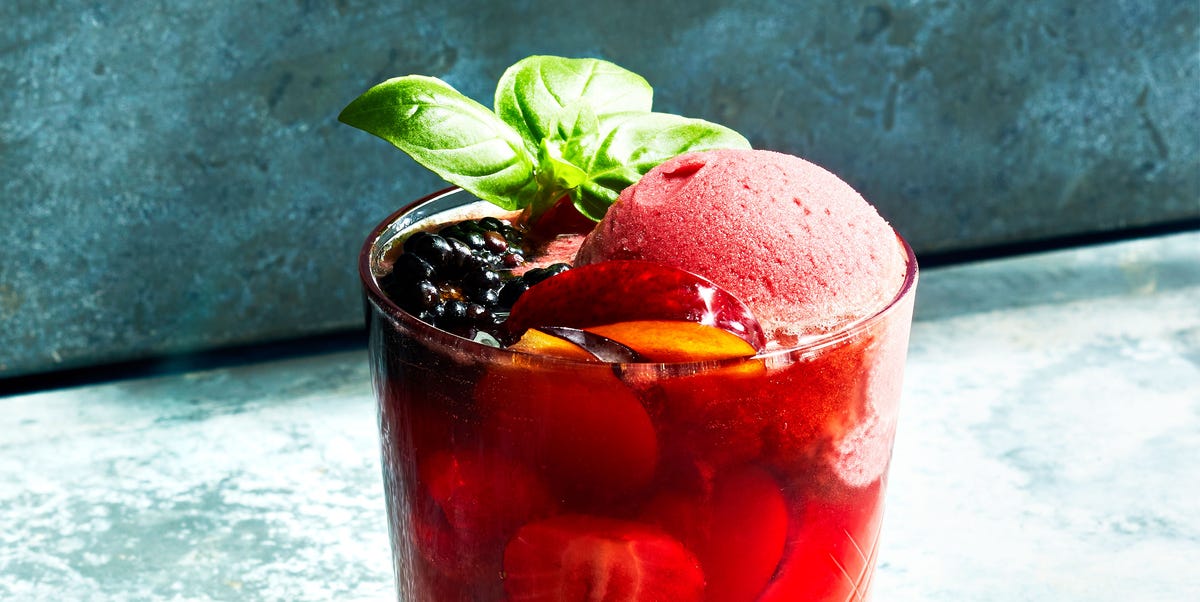
Rosé sangria floats are what happens when a sunny pitcher cocktail meets an ice cream soda and decides to wear its cutest summer outfit. They are fruity, fizzy, creamy, lightly boozy, and wildly photogenicthe kind of drink-dessert hybrid that makes people say, “Wait, are we sipping this or eating it?” The answer is yes.
This best rosé sangria floats recipe takes the classic idea of sangriawine, fruit, a little sweetness, and a splash of sparkleand turns it into a playful party treat with scoops of sorbet or vanilla ice cream. The result is a fruity sangria float that tastes like strawberries, peaches, citrus, berries, and chilled rosé all went on vacation together and came back with excellent stories.
Unlike heavy cocktails that demand a shaker, a garnish tweezer, and the emotional energy of a bartender named Chad, this drink is relaxed. You mix, chill, scoop, pour, and serve. It is perfect for brunches, backyard barbecues, bridal showers, pool parties, summer birthdays, or any evening when the patio lights are on and nobody wants to discuss spreadsheets.
What Are Rosé Sangria Floats?
Rosé sangria floats are chilled rosé sangria served over a scoop of sorbet or ice cream. Traditional sangria usually includes wine, fresh fruit, sweetener, fruit juice, and sometimes brandy or orange liqueur. A float adds a creamy or icy dessert element, turning the drink into something between a cocktail, punch, and grown-up soda float.
The best version should be bright, balanced, and refreshing. The rosé should taste crisp rather than syrupy. The fruit should be juicy but not mushy. The bubbles should be added at the end so they actually bubble instead of quietly giving up in the pitcher. And the scoopwhether raspberry sorbet, strawberry sorbet, peach sorbet, lemon sorbet, or vanilla ice creamshould melt slowly into the glass, creating a dreamy pink swirl.
Why This Is the Best Rosé Sangria Float Recipe
This recipe works because it respects the three most important rules of good sangria: choose a wine you would actually drink, give the fruit time to infuse, and add sparkling ingredients right before serving. It also keeps sweetness under control. Rosé already has delicate berry and melon notes, fresh fruit adds natural sugar, and sorbet brings more sweetness, so the base should stay crisp and slightly tart.
The secret is balance. Strawberries bring classic summer flavor. Peaches add softness and perfume. Citrus keeps the pitcher from tasting flat. Raspberries or blackberries give the drink color and a little tart drama. Orange liqueur adds depth, while sparkling water or lemon-lime soda gives the float its fizzy finish. The scoop on top makes it feel special without turning the drink into a sugar parade.
Ingredients for Rosé Sangria Floats
For the Rosé Sangria
- 1 bottle chilled dry rosé wine, 750 ml
- 1/3 cup orange liqueur, such as Cointreau, triple sec, or Grand Marnier
- 1/4 cup peach nectar, white cranberry juice, or pineapple juice
- 1 to 2 tablespoons honey, simple syrup, or agave, optional
- 1 cup sliced strawberries
- 1 cup sliced peaches or nectarines
- 1/2 cup raspberries or blackberries
- 1 orange, thinly sliced
- 1 lemon or lime, thinly sliced
- 8 to 12 fresh mint or basil leaves, lightly slapped to release aroma
- 1 to 2 cups chilled sparkling water, club soda, or lemon-lime soda
For the Float
- 4 to 6 scoops raspberry, strawberry, peach, or lemon sorbet
- Or 4 to 6 scoops vanilla ice cream for a creamier sangria float
- Extra sliced fruit for garnish
- Fresh mint or basil for garnish
- Ice, optional
Best Wine for Rosé Sangria Floats
Use a dry or off-dry rosé with fresh acidity. A good rosé for sangria should taste lively and fruity, not heavy or overly sweet. Look for bottles with notes of strawberry, watermelon, citrus, peach, or raspberry. Provence-style rosé, rosé of Pinot Noir, Grenache rosé, or a crisp California rosé all work beautifully.
You do not need an expensive bottle. In fact, sangria is not the place to show off a fancy wine you have been saving since your “I should learn more about wine” era. Choose something affordable but enjoyable. If it tastes harsh by itself, it will not magically become charming because you introduced it to strawberries.
How To Make Fruity Sangria Float
Step 1: Prep the Fruit
Wash and slice the strawberries, peaches, orange, and lemon or lime. Keep the pieces small enough to spoon into glasses but not so tiny that they turn into fruit confetti. Add the fruit to a large glass pitcher.
Step 2: Build the Sangria Base
Pour the chilled rosé wine, orange liqueur, and fruit juice over the sliced fruit. Add honey, simple syrup, or agave only if needed. Stir gently until everything is combined. Taste the mixture before adding extra sweetener because the sorbet will sweeten each float later.
Step 3: Add Herbs
Add mint or basil leaves. Lightly slap the herbs between your hands before adding them to the pitcher. This looks a little dramatic, but it releases aromatic oils and makes the drink smell like a garden party with better lighting.
Step 4: Chill
Cover the pitcher and refrigerate for at least 2 hours, or up to overnight. This resting time lets the fruit flavor infuse the wine. If you are short on time, 1 hour will still help, but 2 to 4 hours is the sweet spot for a bright, fruity rosé sangria.
Step 5: Add Bubbles
Right before serving, stir in chilled sparkling water, club soda, or lemon-lime soda. Use sparkling water for a lighter, less sweet drink. Use lemon-lime soda if you want a sweeter, party-punch style float.
Step 6: Turn It Into Floats
Add one scoop of sorbet or vanilla ice cream to each glass. Slowly pour the rosé sangria over the scoop, making sure each serving gets some of the wine-soaked fruit. Garnish with extra berries, citrus slices, and herbs. Serve immediately with a straw and spoon, because this drink has range.
Recipe Card: Rosé Sangria Floats
Best Rosé Sangria Floats
Prep time: 15 minutes
Chill time: 2 hours
Total time: 2 hours 15 minutes
Servings: 4 to 6
Course: Cocktail, dessert drink, party punch
Flavor: Fruity, sparkling, lightly sweet, refreshing
Flavor Variations
Berry Rosé Sangria Floats
Use strawberries, raspberries, blueberries, and blackberries. Choose raspberry sorbet for the float. This version is bold, colorful, and ideal for Fourth of July parties, baby showers, or anyone who believes berries are a personality trait.
Peach Rosé Sangria Floats
Use peaches, nectarines, orange slices, and peach nectar. Top with peach sorbet or vanilla ice cream. This variation tastes like a porch swing in July, assuming the porch swing is lightly sparkling and over 21.
Citrus Rosé Sangria Floats
Use orange, lemon, lime, grapefruit, and a splash of white cranberry juice. Top with lemon sorbet for a tart, refreshing float that pairs well with salty snacks and grilled seafood.
Creamy Rosé Sangria Float
Swap sorbet for vanilla ice cream. The ice cream melts into the sangria and creates a soft, creamy finish similar to a wine-spiked creamsicle. It is richer than the sorbet version, so keep the sangria base less sweet.
Tips for the Perfect Rosé Sangria Float
Do not add bubbles too early. Sparkling water and soda lose fizz as they sit. Add them just before serving so the drink stays lively.
Use chilled ingredients. Warm sangria over sorbet melts too fast and tastes less refreshing. Chill the wine, juice, fruit, glasses, and soda if possible.
Go easy on sugar. Sorbet is sweet, fruit is sweet, and some rosé wines have a naturally fruity profile. Start with less sweetener and adjust after tasting.
Choose sturdy fruit. Strawberries, peaches, citrus, blueberries, and raspberries work well. Bananas do not. Bananas have no business in sangria unless they are apologizing.
Serve right away. Once the sorbet hits the glass, the float becomes a beautiful melting masterpiece. It should be enjoyed immediately, not admired for twenty minutes while someone searches for the perfect camera angle.
What To Serve With Rosé Sangria Floats
Rosé sangria floats love salty, fresh, and lightly smoky foods. Serve them with cheese boards, grilled shrimp, chicken skewers, prosciutto-wrapped melon, bruschetta, caprese salad, fish tacos, or summer flatbreads. For dessert pairings, try shortbread cookies, lemon bars, berry cobbler, angel food cake, or peach crisp.
Because the drink is fruity and slightly sweet, avoid pairing it with desserts that are extremely rich or sugary. A triple-chocolate fudge cake might be delicious, but next to a sangria float it can feel like two lead singers fighting for the microphone.
Make-Ahead and Storage Tips
You can make the sangria base up to 24 hours ahead. Combine the rosé, fruit, juice, liqueur, herbs, and optional sweetener, then cover and refrigerate. Wait to add the sparkling water or soda until serving. Also wait to add sorbet or ice cream until each glass is ready.
If you have leftover sangria base, strain out the fruit after a day so citrus peels do not make it bitter. Store the liquid in the refrigerator and enjoy within 1 to 2 days for the best flavor. Do not store assembled floats; melted sorbet and flat bubbles are not a lifestyle anyone needs to pursue.
Food Safety and Serving Note
Keep rosé sangria chilled until serving, especially if it contains fresh fruit and dairy-based ice cream. For outdoor parties, place the pitcher in a bucket of ice and bring out the sorbet only when guests are ready. Do not leave perishable ingredients sitting in the sun. Sunshine is wonderful for photos, tomatoes, and dramatic movie endingsnot for dairy and cut fruit.
This recipe contains alcohol and is intended for adults age 21 and older. Drink responsibly, offer nonalcoholic options, and never serve alcoholic floats to children or guests who are avoiding alcohol.
Nonalcoholic Rosé Sangria Float Option
To make a family-friendly fruity float, replace rosé with sparkling white grape juice, pink lemonade, hibiscus tea, or alcohol-free rosé. Use orange juice or white cranberry juice, fresh fruit, and sparkling water. Add sorbet just before serving. The color stays beautiful, the fruit still shines, and nobody has to explain to Aunt Linda why the “juice” made her karaoke louder.
Common Mistakes To Avoid
Using Overly Sweet Rosé
A very sweet rosé can make the final drink taste heavy once sorbet is added. Choose dry rosé and let the fruit and scoop provide the sweetness.
Skipping the Chill Time
Sangria needs time for the fruit to flavor the wine. Without chilling, it tastes like wine with fruit floating in it, which is technically true but emotionally disappointing.
Adding Ice Cream Too Soon
Assemble each float right before serving. Ice cream and sorbet melt quickly, especially in warm weather.
Using Too Much Citrus Peel
Citrus slices are delicious, but too much peel can turn bitter if left overnight. Use thin slices and strain leftovers if storing longer than a day.
Personal Experience: Why Rosé Sangria Floats Always Steal the Party
The first time I made rosé sangria floats, I expected them to be cute. I did not expect them to become the main event. I had planned a simple summer dinner with grilled chicken, a big salad, and enough chips to suggest I had invited a volleyball team. The sangria was supposed to be a casual pitcher drink. Then I added scoops of raspberry sorbet to the glasses, poured the pink sangria over the top, and suddenly everyone behaved as if I had invented refrigeration.
What makes this drink so memorable is the little bit of theater. A regular cocktail arrives finished. A rosé sangria float changes in front of you. The sorbet foams, the bubbles climb, the fruit rises, and the color turns from pale pink to sunset-magenta. People lean in. Someone always says, “Oh, that is pretty.” Someone else immediately asks whether there is more. There is never enough. This is why I now make extra.
I have also learned that rosé sangria floats are surprisingly forgiving. One time I had no peaches, so I used nectarines. Another time I used frozen raspberries because the fresh ones at the store looked like they had been through a breakup. Both versions worked. I have used lemon sorbet for a tart finish, strawberry sorbet for a sweeter one, and vanilla ice cream for a float that tasted almost like a berry creamsicle. Each version had its own personality, like siblings who all somehow borrowed the same sunglasses.
The biggest lesson is to keep the base refreshing. It is tempting to add more liqueur, more juice, more sugar, and more soda because more feels festive. But the best fruity sangria float is not a candy bowl in liquid form. It should still taste like rosé. The wine gives structure, acidity, and a grown-up edge. The fruit adds freshness. The sorbet adds fun. When those parts are balanced, the drink feels special without becoming sticky or overwhelming.
For parties, I like setting up a small float station. I keep the sangria in a chilled pitcher, the sorbet in a bowl over ice, and garnishes in little dishes: sliced strawberries, citrus wheels, mint, basil, and maybe a few blackberries. Guests build their own floats, which saves the host from playing bartender all night. It also gives people something to talk about besides the weather, house prices, or the mysterious person who brought a salad nobody can identify.
Rosé sangria floats are especially good for outdoor gatherings because they feel celebratory without being fussy. They are casual enough for paper napkins but pretty enough for glassware. They work before dinner, after dinner, or instead of dessert when everyone is too full for cake but somehow not too full for a scoop of sorbet floating in wine. Funny how that happens.
My favorite version uses dry rosé, strawberries, peaches, raspberries, orange slices, a splash of orange liqueur, a small amount of peach nectar, sparkling water, and raspberry sorbet. It is bright, fruity, not too sweet, and gorgeous in a clear glass. The mint garnish is technically optional, but it makes the whole drink smell fresher and look more intentional. Never underestimate the power of one tiny leaf pretending you planned everything.
In the end, the best rosé sangria floats recipe is the one that makes people relax. It is a drink that says summer is not a meeting. It is not a performance review. It is a chilled glass, a melting scoop, a few pieces of boozy fruit, and a moment where everyone agrees that yes, this was a very good idea.
Conclusion
Rosé sangria floats are the perfect mix of cocktail, dessert, and summer party punch. With dry rosé, fresh fruit, a splash of liqueur, sparkling water, and a scoop of sorbet or ice cream, this recipe turns simple ingredients into a bright, fizzy, crowd-pleasing treat. The key is to chill the sangria base, add bubbles at the last minute, and assemble each float right before serving. Whether you choose berry, peach, citrus, or creamy vanilla, this fruity sangria float is easy to customize and even easier to love.
Note: This original article is written for adults age 21 and older and is based on widely used American recipe practices for sangria, party punches, chilled wine cocktails, and safe serving guidance for fresh fruit and dairy-based frozen desserts.