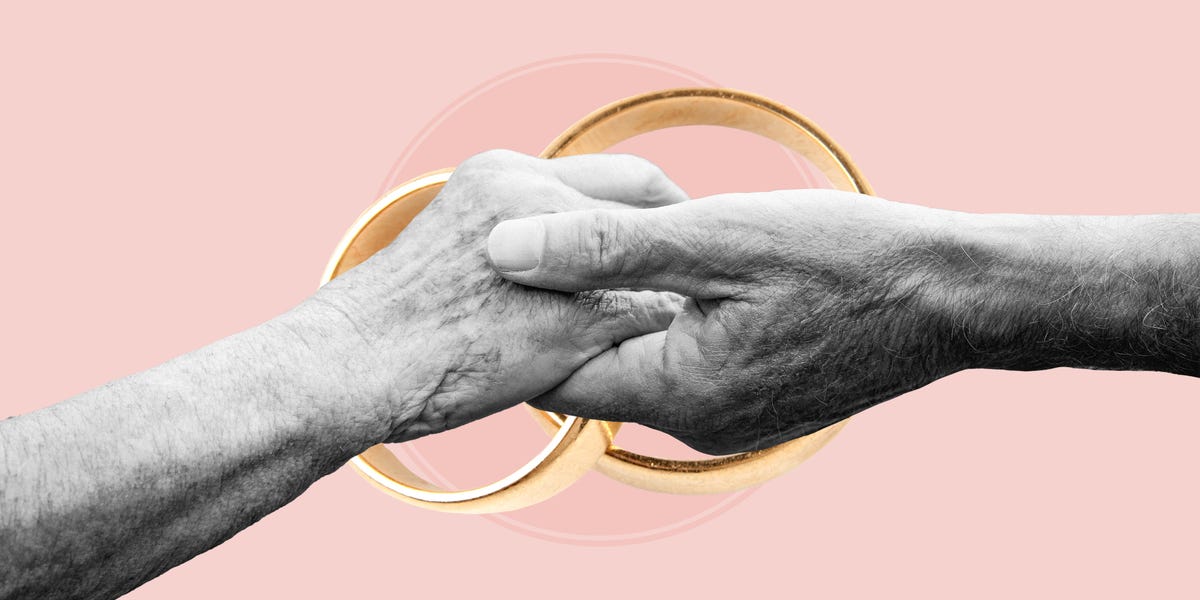
Every happy marriage has a secret recipe. Unfortunately, nobody gets a printed copy at the wedding. You receive a cake, a guest book, maybe a toaster, and then everyone waves goodbye as if you already know how to handle bills, bad moods, family drama, mismatched sleep schedules, and the mysterious disappearance of the good scissors.
The truth is simpler and much more comforting: happy couples are not magical people who never argue. They are ordinary people who have learned how to repair, reconnect, laugh, listen, and choose each other again after life has dropped cereal on the floor at 7:02 a.m. The best marriage advice is not about perfection. It is about building daily habits that make love easier to find, even on the messy days.
This guide explores the secrets of happy couples using practical relationship wisdom, psychology-backed insights, and real-life examples. Whether you are newly married, years into the journey, or simply curious about what keeps strong couples strong, these healthy marriage tips can help turn partnership into something warmer, steadier, and far less dependent on guessing games.
What Happy Couples Understand About Marriage
Happy couples do not treat marriage like a trophy that sits on a shelf. They treat it like a living relationship that needs attention, care, patience, and the occasional sense of humor. They know that love is both a feeling and a practice. The feeling may bring two people together, but the practice keeps them from turning into irritated roommates who communicate mainly through sighs.
One of the biggest secrets of happy couples is that they do not wait for huge romantic moments to feel connected. They build connection through small, repeated choices: saying good morning, checking in, listening without scrolling, offering help, apologizing quickly, and noticing when their partner needs support. These tiny moments may look boring from the outside, but inside a marriage, they are the emotional glue.
Marriage Is Built in Small Moments
Many couples think a strong marriage depends on vacations, anniversaries, or dramatic declarations of love. Those things are lovely, of course. Nobody is anti-vacation here. But long-term happiness usually grows from ordinary moments: making coffee, asking how the meeting went, saving the last slice, or sending a message that says, “I know today is stressful. I’m with you.”
Happy couples understand that attention is affection. When one partner makes a small bid for connection, the other tries to respond. A bid might be obvious, like “Can we talk?” or very subtle, like “Look at this funny dog video.” The video may not be the point. The point is, “Will you join my world for a second?” In healthy marriages, partners turn toward each other often enough that both feel seen.
Secret 1: Communicate Before the Problem Becomes a Volcano
Good communication in marriage does not mean discussing everything with the elegance of a courtroom attorney. It means saying what matters before resentment grows teeth. Happy couples talk early, honestly, and respectfully. They do not assume their spouse can read minds, because mind reading is unreliable and, frankly, would be terrifying during tax season.
Instead of saying, “You never help around here,” a healthier version is, “I’m feeling overwhelmed with the housework. Can we make a plan?” The first sentence starts a fight. The second starts a conversation. Same problem, totally different landing.
Use Clear Requests, Not Hidden Tests
One common marriage trap is the hidden test. A partner thinks, “If they really loved me, they would know what I need.” That sounds romantic in a movie, but in real life it usually creates disappointment. Happy couples make requests clearly. They say, “I need a hug,” “Can you handle dinner tonight?” or “Please put your socks in the laundry basket, not beside it like a tiny cotton monument.”
Clear communication reduces confusion. It also gives your partner a fair chance to show up for you. A strong marriage is not built on guessing correctly. It is built on caring enough to ask, answer, and adjust.
Secret 2: Fight Fair, Not to Win
Conflict is not a sign that a marriage is broken. It is a sign that two different human beings share a life. Even happy couples disagree about money, chores, parenting, in-laws, schedules, and whether the thermostat should be set to “comfortable” or “penguin habitat.”
The difference is not whether couples fight. The difference is how they fight. Happy couples try to protect the relationship while addressing the issue. They avoid insults, contempt, threats, and character attacks. They focus on the problem instead of turning their spouse into the problem.
Lower the Temperature Before Solving the Issue
When emotions are hot, problem-solving often gets worse. A simple conversation about dishes can become a historical documentary titled “Every Time You Have Ever Annoyed Me: Volume 1.” Happy couples learn to pause before things spiral. They may take a break, breathe, go for a walk, or agree to continue the conversation later.
A pause is not avoidance when both partners agree to return to the topic. It is maintenance. Just as you would not keep driving a car with smoke coming from the hood, you should not keep arguing when your nervous system is waving a red flag.
Secret 3: Repair Quickly and Sincerely
One of the best pieces of marriage advice is this: learn how to repair. Repair is the act of reconnecting after tension, hurt, or misunderstanding. It may sound like, “I said that badly,” “Can we restart?” “I’m sorry I interrupted,” or “I love you, and I don’t want this conversation to become a fight.”
Happy couples are not couples who never hurt each other’s feelings. They are couples who care enough to notice the hurt and try to fix it. Repair attempts can be serious or playful. Sometimes a gentle joke can break the tension. Sometimes a sincere apology is needed. The key is humility.
A Good Apology Has No Costume
A weak apology wears a disguise: “I’m sorry you feel that way.” A better apology takes responsibility: “I’m sorry I snapped at you. That was unfair.” Happy couples do not treat apologies like court confessions. They treat them like bridges. The goal is not humiliation. The goal is reconnection.
A strong apology usually includes three parts: naming the action, acknowledging the impact, and saying what will change. For example: “I forgot to call when I was late. I know that made you worry. Next time I’ll send a quick text.” Simple, clear, and much more useful than a dramatic speech delivered beside the refrigerator.
Secret 4: Stay Curious About Each Other
People change. The person you married five years ago, ten years ago, or twenty years ago is not frozen in time like a wedding cake topper. Happy couples keep learning each other. They ask questions. They update their understanding. They pay attention to new dreams, new fears, new frustrations, and new favorite snacks.
Curiosity keeps a marriage from going stale. It says, “I still want to know you.” That message is powerful. It reminds both partners that marriage is not just shared bills and calendar logistics. It is an ongoing friendship.
Ask Better Questions
Instead of only asking, “How was your day?” try questions that invite real answers. Ask, “What was the best part of today?” “What drained you?” “What are you looking forward to?” “What do you need from me this week?” These questions open doors instead of checking boxes.
Happy couples make room for conversations that are not about chores, errands, or who forgot to buy toothpaste. Practical talk is necessary, but emotional talk is nourishing. A marriage cannot live on grocery lists alone, although a well-timed snack can save many relationships from unnecessary drama.
Secret 5: Show Appreciation Out Loud
Gratitude is one of the simplest secrets of happy couples, but it is often the first thing to disappear when life gets busy. People tend to notice what is missing more than what is working. The trash that was not taken out becomes a headline. The hundred quiet things your partner did right become background music.
Happy couples fight that pattern by expressing appreciation regularly. They say, “Thank you for driving,” “I noticed you cleaned the kitchen,” “I appreciate how hard you work,” or “You were really patient today.” These comments may sound small, but they create an atmosphere of respect.
Appreciation Makes Effort Visible
Many arguments begin because one or both partners feel unseen. Appreciation makes invisible labor visible. It tells your spouse, “I see what you carry.” That matters in every marriage, especially when life involves work stress, caregiving, children, health issues, financial pressure, or the daily mystery of why laundry multiplies like rabbits.
Try making appreciation specific. “Thanks for everything” is nice. “Thank you for staying calm when the appointment got canceled; it helped me relax” is better. Specific gratitude feels real because it proves you were paying attention.
Secret 6: Protect Friendship Inside the Marriage
The happiest couples often act like close friends. They laugh together, share private jokes, support each other’s goals, and enjoy simple companionship. Friendship does not make marriage less romantic. It gives romance somewhere comfortable to live.
When couples lose friendship, marriage can become a management company: bills, schedules, problems, repeat. Happy couples protect time for fun, even when life is crowded. They take walks, cook together, watch shows, play games, explore new places, or sit on the porch and discuss absolutely nothing important. Not every moment has to be productive. In fact, some of the best moments are wonderfully useless.
Fun Is Not Optional
Fun is not childish. It is bonding. Shared laughter lowers tension and reminds couples that they are on the same team. A marriage without fun can become efficient but emotionally dry. Yes, the calendar may be organized, but nobody wants a relationship that feels like a spreadsheet with pillows.
Happy couples schedule joy when necessary. That may sound unromantic, but busy lives often require intention. Date night does not have to be expensive. It can be tacos in the car, a walk after dinner, or thirty minutes with phones in another room. The point is not luxury. The point is attention.
Secret 7: Share the Load Fairly
One major secret of happy couples is teamwork. Partners who feel alone in the work of life often become resentful. A healthy marriage requires more than saying, “Tell me what to do.” That still makes one person the manager. True partnership means noticing what needs to be done and taking responsibility without waiting for applause every time a plate reaches the dishwasher.
Fair does not always mean perfectly equal every day. Life changes. One partner may carry more during illness, job stress, pregnancy, grief, school, or family emergencies. But over time, both people should feel that the relationship is balanced, respectful, and cooperative.
Have a Household Meeting, Not a Household Trial
Instead of arguing in the middle of frustration, happy couples discuss responsibilities calmly. They ask: What needs to be done? Who has capacity? What can be simplified? What should we stop doing? Sometimes the most romantic sentence in marriage is not “You complete me.” It is “I already handled the appointment.”
Sharing the load also includes emotional labor: remembering birthdays, planning meals, managing schedules, supporting family members, and tracking needs before they become emergencies. When both partners participate, both feel more respected.
Secret 8: Keep Boundaries Around the Marriage
Healthy couples understand that marriage needs protection from outside stress. That does not mean cutting off family, friends, or responsibilities. It means creating boundaries so the relationship has room to breathe.
Boundaries may involve money, in-laws, work hours, social media, privacy, or personal time. For example, a couple may agree not to discuss serious conflicts by text, not to share private arguments with everyone they know, or not to let work emails invade every dinner. Boundaries are not walls against love. They are fences around what matters.
Be a Team in Public and Honest in Private
Happy couples do not embarrass each other for entertainment. They avoid making their spouse the punchline in front of others. If something needs to be addressed, they do it privately and respectfully. Public loyalty builds trust. Private honesty builds growth. Together, they create emotional safety.
This does not mean pretending everything is perfect. It means treating the marriage with dignity. Your spouse should not have to wonder whether you will protect their heart when other people are watching.
Secret 9: Know When to Ask for Help
Strong couples ask for help before the relationship is on fire. Marriage counseling, couples therapy, relationship education, trusted mentors, or faith/community support can all help couples learn better patterns. Getting help is not an admission of failure. It is a sign that the relationship matters enough to maintain.
Couples may benefit from support when the same arguments repeat, communication shuts down, trust has been damaged, stress feels unmanageable, or emotional distance keeps growing. A trained professional can help partners slow down, understand patterns, and practice healthier ways to connect.
Safety Comes First
Marriage advice should never be used to excuse harm. If a relationship includes physical violence, threats, intimidation, coercive control, or ongoing emotional abuse, the priority is safety, not simply better communication. In those situations, it is important to reach out to a trusted person or qualified support service and make a safe plan.
A healthy marriage is built on respect, not fear. Love should not require someone to shrink, hide, or endure harm in silence.
Secret 10: Choose Each Other Daily
The best marriage advice may be the least flashy: choose each other daily. Not just at the altar. Not just on anniversaries. Choose each other when the baby is crying, the car needs repairs, the budget is tight, or one person is having a mood that could scare a houseplant.
Daily choice means asking, “How can I make life feel a little safer, kinder, or lighter for my partner today?” Sometimes the answer is a deep conversation. Sometimes it is washing the dishes. Sometimes it is giving space. Sometimes it is bringing home fries without being asked, a gesture known in some cultures as advanced emotional intelligence.
Practical Marriage Advice You Can Use This Week
1. Start a Ten-Minute Check-In
Choose one calm time each week to ask: What went well between us? What felt hard? What do we need next week? Keep it short and gentle. This habit prevents small issues from becoming emotional furniture that everyone keeps bumping into.
2. Use the “Soft Start”
Begin hard conversations with care. Say, “I’d like to talk about something that’s been stressing me out,” instead of launching straight into blame. A soft start makes it easier for your partner to listen instead of defend.
3. Create a Repair Phrase
Pick a phrase that means, “We are drifting into bad territory.” It could be “Reset,” “Same team,” or “Let’s pause.” When used respectfully, a repair phrase can save a conversation from turning into a courtroom drama with no judge and too many exhibits.
4. Give One Specific Compliment a Day
Say something real and specific. Compliment effort, kindness, patience, humor, creativity, or reliability. Admiration grows when it is spoken, not stored silently like emergency candles in a drawer.
5. Put Phones Away During Connection Time
Phones are useful, but they are terrible dinner guests. Even fifteen minutes of undistracted time can help couples feel more connected. Eye contact still works, despite strong competition from notifications.
Common Myths About Happy Couples
Myth: Happy Couples Never Argue
False. Happy couples argue, but they try not to damage each other in the process. They repair, learn, and return to respect.
Myth: Love Should Always Feel Easy
Love can feel easy in some seasons and difficult in others. Stress, grief, parenting, money, and health can all affect closeness. A strong marriage adapts instead of panicking when life gets complicated.
Myth: Romance Should Be Spontaneous
Spontaneity is wonderful, but planned romance still counts. Scheduled date nights, planned conversations, and intentional affection are not fake. They are signs of effort.
Myth: Being Right Matters Most
In marriage, being right can be less important than being kind, honest, and connected. Winning every argument is a lonely hobby.
Experiences Related to Best Marriage Advice – Secrets of Happy Couples
One of the most useful experiences couples often describe is discovering that marriage improves when both people stop treating love like a guessing game. Imagine a couple, Daniel and Maya, who often argued on Sunday nights. The topic changed every week: laundry, groceries, family visits, money, or why nobody had planned dinner. For months, they thought they had many problems. Eventually, they realized they had one repeating problem: they were entering the week without a plan and blaming each other when stress arrived.
They started a Sunday check-in. Nothing fancy. No candles, no violin music, no relationship workbook thick enough to stop a door. Just twenty minutes at the kitchen table. They reviewed schedules, meals, errands, and emotional pressure points. Maya would say, “Wednesday is going to be hard because of my deadline.” Daniel would say, “I can handle dinner that night.” Daniel would mention a family obligation. Maya would help plan around it. Their marriage did not become perfect, but the same old fight lost power because they were finally standing on the same side of the problem.
Another common experience among happy couples is learning that repair matters more than pride. Consider a couple who argues before leaving for a party. One partner makes a sharp comment. The other gets quiet. In an unhappy pattern, they might attend the party in icy silence, perform cheerful smiles for friends, then continue the argument at home like a delayed storm. In a healthier pattern, one partner says, “I’m sorry. I’m stressed and I took it out on you. Can we reset before we go in?” That small repair can change the entire evening.
Happy couples also learn the power of ordinary appreciation. A husband who says, “Thanks for packing the kids’ lunches; I know mornings are a circus,” gives more than a compliment. He gives recognition. A wife who says, “I appreciate how you stayed patient with my mom today,” communicates partnership. These moments are not dramatic, but they add emotional savings to the relationship. Later, when conflict comes, the marriage has a cushion of goodwill.
Many long-term couples say they became happier when they stopped expecting one person to meet every emotional need. A healthy marriage is central, but it should not become a tiny island with two exhausted citizens. Friendships, hobbies, family support, personal growth, and meaningful work can all help partners bring more energy back to the relationship. Happy couples support each other’s individuality. They understand that closeness and independence are not enemies. They are dance partners.
Another real-life lesson is that humor can soften hard days. Not sarcasm that cuts. Not jokes that humiliate. But shared humor that says, “This is difficult, and we are still together.” A couple stuck in traffic on the way to an appointment can either spiral into blame or laugh about how their GPS has apparently chosen personal growth through suffering. Humor does not erase stress, but it can make stress feel less lonely.
The deepest experience behind the best marriage advice is this: happy couples keep returning to respect. They may disagree strongly. They may feel hurt, tired, or misunderstood. But they work to remember that their spouse is not an enemy. The goal is not to defeat each other. The goal is to understand, repair, and keep building a life where both people feel valued.
That is why the secrets of happy couples are not really secrets at all. They are habits practiced quietly: listen better, thank often, repair quickly, laugh kindly, share the load, ask for help, and choose love in small ways. Marriage is not made strong by one perfect speech or one perfect anniversary. It is made strong by thousands of small decisions that say, “I am still here. I still care. Let’s keep going.”
Conclusion: The Real Secret of Happy Couples
The best marriage advice is not about becoming flawless partners. It is about becoming responsive partners. Happy couples communicate clearly, fight fairly, repair sincerely, show appreciation, protect friendship, and keep choosing each other through ordinary life. They understand that marriage is less like a finished painting and more like a garden. It needs watering, sunlight, pruning, patience, and sometimes a serious conversation about why one person keeps buying plants with no plan for where they will go.
Strong marriages are built by people who are willing to learn. They make mistakes, apologize, adjust, and try again. They do not avoid every storm, but they build a relationship sturdy enough to weather many of them. In the end, the secrets of happy couples are simple, practical, and deeply human: pay attention, be kind, stay curious, share the work, and never underestimate the power of a well-timed “thank you.”