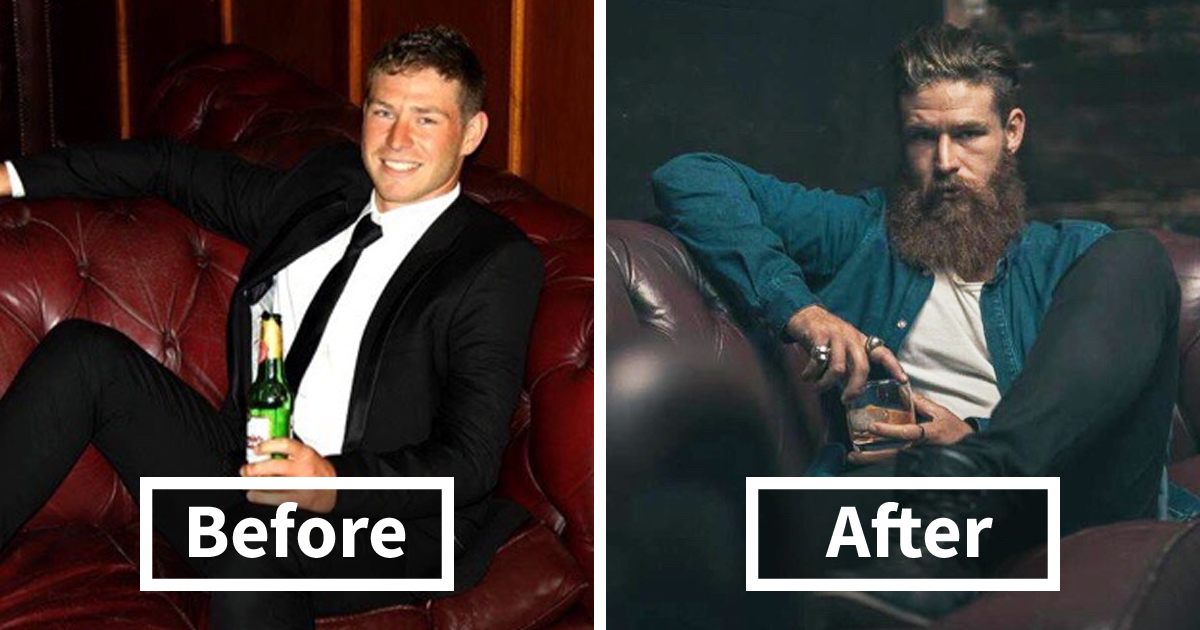
There is something strangely satisfying about before and after pics of guys growing their beards. One photo says, “I own one razor and several regrets.” The next says, “I chop firewood, understand espresso machines, and may have opinions about leather boots.” A beard transformation can change a man’s face, style, confidence, and entire vibe faster than a new jacket ever could.
But great beard before and after photos are not magic tricks. They are usually the result of patience, genetics, grooming, better skin care, and the heroic decision not to panic-shave during week three. Whether the final look is a sharp corporate beard, a rugged full beard, a tidy short boxed beard, or a mustache-and-stubble combo, the journey tells a story. It is part biology, part style experiment, and part “please ignore my awkward patchy phase.”
This guide breaks down what really happens when guys grow their beards, why before and after beard photos look so dramatic, how to take better progress pictures, and what men can learn from those transformations before starting their own facial hair adventure.
Why Beard Before And After Photos Are So Addictive
Beard transformation pictures work because they deliver instant contrast. The clean-shaven “before” photo shows the natural face shape, jawline, cheeks, chin, and skin. The “after” photo adds texture, shadow, structure, and personality. A beard can visually widen a narrow chin, sharpen a soft jawline, balance a larger forehead, or make a young-looking face appear more mature.
That is why men’s grooming communities love beard progress photos. They are not just pictures of hair. They are mini makeover stories. A guy starts with uneven stubble and ends with a beard that looks intentional. The secret word here is “intentional.” A beard that simply happens is one thing. A beard that is grown, shaped, cleaned, brushed, trimmed, and matched to the face is another.
Before and after pics also help beginners set realistic expectations. Many men assume a beard should look strong by day seven. In reality, most beard journeys look suspiciously like a bad weather report for the first few weeks: scattered growth, patchy coverage, possible itch, and a 70% chance of wanting to quit. Seeing real transformations proves that the awkward stage is not failure. It is the lobby before the main event.
What Actually Changes When A Guy Grows A Beard?
1. The Jawline Gets More Definition
A beard can create the appearance of a stronger jawline by adding darker lines along the lower face. This is one reason short boxed beards, faded beards, and well-shaped necklines are so popular. The hair acts almost like natural contouring. No makeup brush required, just patience and a trimmer that is not older than your college hoodie.
2. The Face Looks More Mature
Facial hair is strongly associated with adulthood, masculinity, and maturity. A clean-shaven man may look younger, which is great when buying skincare but less great when people keep calling him “buddy.” Beard after photos often look more grown-up because the added facial hair changes the perceived age and authority of the face.
3. Skin Texture Becomes Less Noticeable
A beard can help cover uneven skin tone, acne scars, redness, or minor facial asymmetry. It does not fix the skin underneath, but it can soften the overall appearance. That said, beard care still matters. Poor washing habits can lead to itch, flakes, clogged pores, or beard dandruff, which is basically your face asking for better management.
4. Personal Style Becomes More Distinct
The same haircut and outfit can look completely different with facial hair. A clean-shaven face may read polished and youthful. A short beard may read professional and stylish. A long beard may read creative, outdoorsy, vintage, or “owns at least one cast-iron pan.” Beard before and after photos are powerful because they show how facial hair becomes part of a man’s visual identity.
The Real Beard Growth Timeline
Every man’s beard grows differently, but most transformations follow a similar rhythm. Beard hair commonly grows roughly a third to half an inch per month, although genetics, age, hormones, health, and grooming habits all play a role. Some men see strong cheek coverage early. Others get a solid mustache and chin first while the cheeks take their sweet time like they are waiting for a formal invitation.
Week 1: The Stubble Stage
This is when the before picture still feels close. The face looks shadowed, rougher, and more textured. Stubble can be flattering, but it can also feel prickly. At this point, it is too early to judge the final beard. Do not declare yourself “unable to grow a beard” after five days. That is like judging a pizza while it is still dough.
Weeks 2–4: The Awkward Stage
This is where many beard journeys collapse dramatically. The growth may look uneven. The neckline may become confusing. The cheeks may appear thin. The mustache may decide to grow faster than everything else and act like it owns the company. Beard itch can also appear as hairs curl, lengthen, and irritate the skin.
The best move during this stage is simple: keep your face clean, moisturize, and avoid over-trimming. Many grooming experts recommend giving the beard several weeks before making big shaping decisions because early growth rarely reveals the final pattern.
Weeks 4–8: The Beard Starts Explaining Itself
Around this point, the beard begins to show its natural strengths. Maybe the jawline is dense, the chin is strong, or the mustache connects well. Patchy areas may become less obvious as surrounding hairs grow longer and overlap. This is the first stage where before and after pics start becoming genuinely satisfying.
Months 2–3: Shape Becomes Everything
After two or three months, many men can begin shaping their beard more seriously. This is when a barber visit can make a major difference. A professional can define the neckline, clean the cheeks, fade the sideburns, and shape the beard to suit the face. The difference between “I forgot to shave” and “I have a beard” is often one good trim.
Months 4 And Beyond: The Full Transformation
Longer beards require more maintenance. Washing, conditioning, brushing, oiling, trimming split ends, and keeping the neckline clean all become part of the routine. At this stage, the before and after photo can be dramatic. A guy may look like he changed jobs, moved to a mountain town, and learned how to smoke brisket.
Why Some Beards Look Patchy At First
Patchiness is one of the most common worries in beard before and after photos. The truth is that beard density is largely influenced by genetics. Testosterone and DHT play roles in facial hair development, but having a thinner beard does not automatically mean a man has low testosterone. In many cases, the follicles simply respond differently depending on inherited traits.
Age matters too. Some men do not reach their strongest facial hair potential until their mid-20s or even later. A beard that looks thin at 19 may look totally different at 29. This is why comparing your week-three beard to a stranger’s six-month beard online is a terrible hobby. It is bad science and bad for your mood.
Patchy beards can still look excellent with the right style. A shorter beard, heavy stubble, goatee, Van Dyke, mustache, or chin strap variation may work better than chasing a full lumberjack beard. The best beard is not always the biggest beard. It is the beard that suits the face and looks deliberate.
How To Take Better Before And After Beard Pics
Use The Same Lighting
Lighting can make a beard look twice as full or half as impressive. Take photos near a window or in a well-lit room. Avoid harsh overhead bathroom lighting unless your goal is to look like a suspect in a low-budget detective show.
Keep The Same Angle
Take one front-facing photo and two side photos. Use the same distance each time. Beard growth is easiest to compare when the camera angle stays consistent.
Take Weekly Photos
Daily photos can make growth feel painfully slow. Weekly photos show progress more clearly. A month of beard growth looks much more impressive when seen in four frames instead of thirty tiny disappointments.
Do Not Edit The Beard
Filters, sharpening, and contrast tricks can make beard progress look unrealistic. Keep the photos honest. The goal is not to win the internet for twelve seconds. The goal is to understand your real growth pattern.
Beard Styles That Create The Best Before And After Results
The Short Boxed Beard
This is one of the most wearable beard styles for men. It is tidy, professional, and flattering for many face shapes. It works especially well for guys who have decent jaw and chin coverage but do not want a long beard.
The Heavy Stubble Look
Heavy stubble is perfect for men whose beards are not fully dense. It adds shadow and masculinity without requiring complete coverage. It is also easier to maintain than a full beard, though it still needs clean edges.
The Full Beard
The full beard creates the most dramatic after photo. It can change the entire lower half of the face. However, it demands patience and grooming. A full beard without maintenance can quickly go from “distinguished” to “lost a fight with a sofa cushion.”
The Beard Fade
A beard fade blends the sideburns into the haircut, creating a polished, modern look. This style often photographs well because it makes the beard appear integrated instead of pasted onto the face like an afterthought.
The Mustache And Beard Combo
For some men, the mustache is the star. Pairing a strong mustache with a short beard or stubble can create a stylish transformation, especially when cheek growth is lighter.
Beard Care Tips That Improve The “After” Photo
Wash The Beard, But Do Not Strip It
A beard traps oil, sweat, food particles, and daily city dust. Washing matters. Use a gentle cleanser or beard wash, especially if your skin gets irritated easily. Avoid harsh soaps that leave the beard dry and scratchy.
Moisturize The Skin Underneath
Healthy-looking facial hair starts with the skin beneath it. Moisturizer or beard oil can reduce dryness, itch, and flakes. Apply products down to the skin, not just on the outer beard. Your beard is not a houseplant, but it does appreciate hydration.
Brush Or Comb Regularly
Brushing helps distribute oils, remove debris, train hairs in a consistent direction, and make the beard appear fuller. A boar bristle brush or wide-tooth comb can be useful once the beard has enough length.
Trim Slowly
The fastest way to ruin a beard transformation is to trim aggressively while “just cleaning it up.” Start with a longer guard, trim less than you think, and step away from the mirror before confidence turns into tragedy.
Respect The Neckline
A good neckline can rescue a beard. A neckline that is too high can make the beard look like a chin helmet. A common approach is to define the line slightly above the Adam’s apple and follow the natural curve toward the ears.
Common Mistakes Guys Make During Beard Growth
The first mistake is quitting too early. Many beards look rough before they look good. The second mistake is trimming the cheeks and neckline too soon. The third is ignoring skin care. Ingrown hairs, razor bumps, acne, and irritation can turn a promising beard journey into an itchy little soap opera.
Men with curly or coarse facial hair may be more prone to razor bumps and ingrown hairs, especially when shaving too close or against the grain. Shaving in the direction of hair growth, using a clean sharp blade, and moisturizing afterward can help reduce irritation. If bumps, inflammation, or pain persist, it is smart to talk with a dermatologist rather than keep attacking the problem with random products from the back of the medicine cabinet.
Specific Beard Transformation Examples
Example 1: The Baby Face To Short Beard Upgrade
A clean-shaven man with a rounder face grows four to six weeks of facial hair. The cheeks are light, but the chin and jaw are solid. Instead of forcing a full beard, he chooses a short boxed beard. The result: sharper jawline, more mature appearance, and a professional look that still feels neat.
Example 2: The Patchy Beard To Heavy Stubble Win
Another guy has uneven cheek growth and disconnected mustache corners. After several attempts at growing a full beard, he discovers that heavy stubble looks better. He keeps the length short, lines up the neckline, and maintains clean cheek edges. The after photo looks confident because he worked with his growth pattern instead of fighting it.
Example 3: The Three-Month Full Beard Transformation
A man with dense growth commits to three months without major trimming. At first, his beard looks wild. By month two, he visits a barber for shaping. By month three, the beard has structure, volume, and balance. The before and after photo looks dramatic because length, density, and professional shaping all work together.
The Confidence Factor Nobody Talks About
Beard before and after pics are not only about appearance. They are also about confidence. Growing a beard requires a man to tolerate an unfinished version of himself in public. That can be surprisingly difficult. People comment. Friends joke. Family members ask if everything is okay. Someone will almost certainly say, “Are you growing that on purpose?” Thank you, Greg, very helpful.
But when the beard finally takes shape, the confidence boost can be real. A man may feel more comfortable in photos, more aligned with his personal style, or simply proud that he stuck with the process. The beard becomes proof of patience. It is a small transformation, but small transformations can change how someone carries himself.
Of Real-Life Beard Growing Experience
Ask men about growing a beard, and many will describe the same emotional roller coaster. The first few days feel exciting. You look in the mirror and think, “This is it. This is the beginning of my rugged era.” By day ten, the excitement usually becomes suspicion. The beard is not yet a beard. It is a collection of tiny facial opinions. Some hairs point north. Others point east. A few seem to be leaving the group entirely.
The biggest lesson from beard transformations is that the middle stage is where the real test happens. Clean-shaven is easy. A finished beard is rewarding. The awkward stage is where commitment lives. This is the point when many guys start negotiating with the mirror. “Maybe I should just trim the cheeks.” “Maybe I should clean the neckline.” “Maybe I should remove only the weird part under my chin.” Five minutes later, the beard is gone and everyone pretends it was a planned decision.
Men who succeed usually do one thing differently: they wait. They give the beard enough time to reveal its pattern. They stop judging every patch under bright bathroom lights. They take weekly photos, compare progress calmly, and learn what their face can actually grow. That patience often changes the final result. A patch that looked empty in week two may be covered by longer hairs in week six. A messy jawline may look strong after a barber shapes it. A mustache that seemed too thin may balance nicely with short stubble.
Another common experience is learning that beard care is skin care in disguise. Many beginners focus only on the hair. Then the itch arrives. Then flakes. Then redness. Suddenly, the beard is no longer a style choice; it is a tiny weather system attached to the face. Washing gently, moisturizing the skin, brushing regularly, and using a small amount of beard oil can make the process much more comfortable. The goal is not to drown the beard in products. The goal is to keep the skin calm and the hair manageable.
There is also a social side to the beard journey. People notice. Some compliments arrive early. Some jokes arrive earlier. A new beard can make coworkers double-check your name in meetings. It can make old photos look like they belong to a younger cousin. It can even change how clothes look. A plain white T-shirt with a clean-shaven face says casual. A plain white T-shirt with a well-shaped beard says minimalist style, possibly with a podcast.
The best experience, though, is discovering the right beard for your actual face. Not every man needs a huge beard. Some look best with stubble. Some need a short professional beard. Some can carry a long, full beard with confidence. The before and after photo is not about becoming someone else. It is about finding a version of yourself that was hiding under the razor.
Final Thoughts: The Beard Glow-Up Is Real
Before and after pics of guys growing their beards are popular because they capture transformation in a simple, visual way. A beard can sharpen the face, change personal style, boost confidence, and turn an ordinary selfie into a “wait, is that the same guy?” moment.
The best beard transformations come from realistic expectations, patient growth, smart grooming, and healthy skin care. Genetics decide the starting point, but styling decides the final impression. Whether your beard becomes full and bold or short and sculpted, the goal is not perfection. The goal is a beard that looks intentional, feels comfortable, and makes you want to take that after photo with excellent lighting.