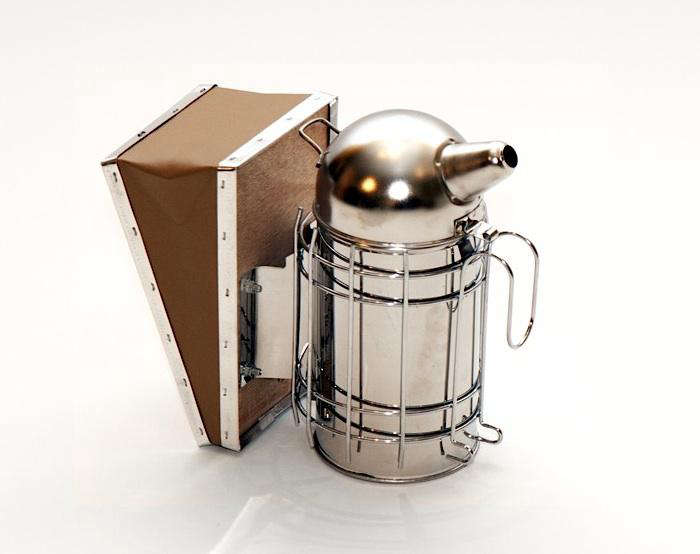
Every beekeeper eventually learns that a good smoker is not just another shiny gadget in the toolbox. It is the difference between a calm hive inspection and a backyard scene that feels like a tiny airborne committee has voted unanimously against you. Bee Thinking’s Stainless Steel Smoker, historically listed as a compact European-style beekeeping smoker, represents the kind of simple, durable tool that beginner and backyard beekeepers often look for when building a practical apiary kit.
Bee Thinking, a Portland, Oregon beekeeping supplier known for foundationless hives and natural beekeeping gear, built its reputation around equipment that felt approachable, well-made, and friendly to hobbyists. Its stainless steel smoker fits that same philosophy: not flashy, not overcomplicated, and not trying to become the smartphone of beekeeping tools. It has one job: produce cool, steady smoke so the beekeeper can inspect the hive with less stress for everyone involved, including the bees, the beekeeper, and the neighbor peeking suspiciously over the fence.
What Is Bee Thinking’s Stainless Steel Smoker?
Bee Thinking’s Stainless Steel Smoker was presented as a compact stainless steel beekeeping smoker, historically described in product coverage as a small European-style model measuring about 4 by 7 inches. That size matters. A compact smoker is easier to carry, easier to store, and especially appealing for backyard beekeepers who manage one or two hives rather than a commercial bee yard stretching farther than a grocery receipt.
At its core, a bee smoker is a metal chamber attached to bellows. Fuel smolders inside the chamber, and the bellows push air through the smoker, sending smoke out through the spout. The design is old-school in the best possible way. No app. No firmware update. No mysterious “smart mode.” Just airflow, fuel, and a beekeeper who hopefully remembered to bring matches.
The stainless steel construction is the star feature. Stainless steel resists rust better than plain steel, handles outdoor use well, and tolerates the heat and soot that come with regular hive inspections. For beekeepers working in damp climates, including the Pacific Northwest where Bee Thinking made its name, that durability is more than a nice bonus. It is the reason a smoker can survive season after season instead of turning into a sad museum artifact in the shed.
Why Beekeepers Use Smoke in the First Place
Smoke is one of the most important tools in beekeeping because it helps reduce defensive behavior during inspections. Honey bees communicate alarm through pheromones, and gentle smoke can interfere with that alarm response long enough for the beekeeper to open the hive, check the brood pattern, inspect honey stores, look for queen activity, and close everything back up without creating unnecessary chaos.
That does not mean smoke is a magic wand. More smoke is not automatically better. The goal is cool, light, controlled smoke, not a backyard barbecue reenactment starring bees. A few gentle puffs at the hive entrance and under the lid are usually enough to encourage bees to move down between the frames. When used well, a smoker keeps the inspection calmer. When used poorly, it can annoy the colony, overheat bees, or make the beekeeper smell like they lost a wrestling match with a campfire.
Key Features That Make a Stainless Steel Bee Smoker Useful
Durable Stainless Steel Body
The biggest benefit of a stainless steel bee smoker is longevity. Hive inspections are messy. Smokers face heat, resin, ash, creosote buildup, rain, dirt, and the occasional drop onto the ground followed by the beekeeper pretending that was part of the plan. Stainless steel helps the smoker hold up under those conditions.
Compact Size for Backyard Beekeeping
Bee Thinking’s model was especially attractive to backyard beekeepers because of its compact profile. A smaller smoker is usually easier to handle during quick inspections, especially for beekeepers who do not need a large fuel chamber burning for hours. For one or two hives, compact can be perfect. For a large apiary, a bigger smoker may be more efficient.
Bellows for Controlled Airflow
The bellows are the lungs of the smoker. With each squeeze, air moves through the fuel chamber and pushes smoke out of the spout. Smooth bellows make a smoker easier to control, which matters when you are trying to send a polite puff of smoke into a hive rather than blasting the bees like you are testing a leaf blower.
Focused Spout for Directing Smoke
A narrow spout gives the beekeeper control. You can direct smoke where it is needed: under the outer cover, across the top bars, or lightly between frames. Precision matters because good beekeeping is mostly about calm, careful movements. The bees notice everything, including panic, jerky motions, and whether you are secretly regretting your life choices.
How Bee Thinking’s Smoker Fits the Natural Beekeeping Mindset
Bee Thinking became associated with natural and foundationless beekeeping, including Top Bar, Warre, and cedar Langstroth hives. That context is important. A stainless steel smoker is not just a tool for forcing bees to behave. In thoughtful beekeeping, it is a way to reduce conflict between humans and bees during necessary management.
Natural beekeepers often emphasize observation, patience, minimal disruption, and respect for the colony’s rhythms. A compact smoker fits that approach when used lightly. It allows the beekeeper to inspect without crushing bees, triggering alarm behavior, or turning a routine check into a defensive event. In other words, the smoker is not there to dominate the hive. It is there to help the beekeeper behave like a polite guest instead of a raccoon with thumbs.
Best Smoker Fuels for Cool, Gentle Smoke
The quality of smoke depends heavily on the fuel. Beekeepers commonly use natural materials such as pine needles, untreated burlap, wood shavings, punky wood, dried leaves, or commercial smoker pellets. The most important rule is to avoid anything treated, painted, chemically coated, or suspiciously perfumed. Bees do not need a lavender-scented mystery cloud drifting through their living room.
The ideal smoke is cool, white, and steady. Hot smoke can harm bees and make the colony more defensive. A good fuel should smolder rather than flare. Many experienced beekeepers build a small flame first, add fuel gradually, then pack the chamber enough to keep it smoldering. The goal is not fire; the goal is smoke that behaves itself.
Using a Stainless Steel Smoker During Hive Inspections
A smoker should be ready before the hive is opened. That sounds obvious, but many beginners learn the hard way that a smoker going out halfway through an inspection has excellent comic timing and terrible practical value. Before approaching the hive, the beekeeper should confirm that the smoker produces steady, cool smoke.
A typical inspection begins with a small puff at the entrance, followed by a pause. Then the beekeeper gently lifts the outer cover and sends a light puff under the lid. After another short pause, the hive can be opened. If bees begin to gather defensively or rush upward across the top bars, a little more smoke can help move them down. The word “little” is doing important work here.
Good smoker use is measured, not dramatic. If the hive looks calm, stop smoking and start observing. Beekeeping is not a smoke competition. You are not trying to win “Best Fog Machine at the County Fair.” You are trying to create a calm window for careful management.
Maintenance: Keeping a Bee Smoker in Good Shape
Even stainless steel smokers need maintenance. Over time, soot, resin, and creosote can build up around the lid and inside the chamber. This buildup can make the lid sticky, reduce airflow, and make the smoker harder to light. Regular cleaning keeps the tool reliable.
Basic maintenance usually includes emptying ash after use, checking the grate or airflow area, cleaning sticky buildup near the lid, and making sure the bellows are not cracked or loose. A smoker that looks rugged on the outside can still fail if airflow is blocked. Beekeepers should also make sure the smoker is fully extinguished after inspections and stored safely away from dry grass, wood shavings, or anything that would prefer not to become a surprise bonfire.
Who Is Bee Thinking’s Stainless Steel Smoker Best For?
This type of smoker is best suited for backyard beekeepers, beginners building their first beekeeping kit, and natural beekeeping enthusiasts who want a compact, durable tool. It is especially practical for small apiaries where the beekeeper performs shorter inspections and does not need an oversized smoker burning all afternoon.
For commercial beekeepers or anyone managing many colonies in one session, a larger smoker may be more convenient because it holds more fuel and stays lit longer. But for hobbyists, a compact stainless steel smoker offers a friendly balance: durable enough to be useful, small enough to be manageable, and simple enough that it does not require a manual thicker than a bee encyclopedia.
Pros and Cons of Bee Thinking’s Stainless Steel Smoker
Pros
The biggest advantages are durability, portability, and simplicity. Stainless steel construction helps resist corrosion. The compact size makes the smoker easy to carry and store. The traditional bellows design is easy to understand and repair compared with complicated gadgets. For new beekeepers, that simplicity is comforting.
Cons
The main limitation is capacity. A compact smoker may need refueling during longer inspections or when working multiple hives. Smaller smokers can also go out faster if the fuel is not packed properly. Beginners may need practice to learn the right fuel balance, airflow, and packing method.
Safety Tips for Responsible Smoker Use
A bee smoker uses fire, so safety should always come first. Light it in a clear, safe area. Keep water or a fire-safe container nearby. Never use gasoline, lighter fluid, or chemical accelerants. Do not place a hot smoker on dry grass, wooden hive parts, or plastic equipment. After the inspection, make sure the smoker is completely out before putting it in a vehicle or storage area.
Bee safety matters too. Always test the smoke on your wrist before applying it to the hive. If it feels hot to you, it is too hot for bees. Cool smoke helps calm the colony; hot smoke simply adds stress. A smoker should make beekeeping gentler, not harsher.
Buying Considerations: What to Look for in a Stainless Steel Bee Smoker
When comparing stainless steel bee smokers, consider chamber size, bellows quality, heat shield design, spout shape, hook placement, and ease of cleaning. A good smoker should feel sturdy in the hand without being awkward. The lid should open and close smoothly. The bellows should push air consistently. The body should have enough capacity for the number of hives you usually inspect.
For a beginner, the best smoker is not always the biggest or most expensive one. It is the smoker that lights reliably, produces cool smoke, and feels comfortable to use while wearing gloves. Bee Thinking’s Stainless Steel Smoker earned attention because it matched the needs of small-scale beekeepers: practical, compact, and durable.
Experience Notes: Living With a Stainless Steel Smoker in the Bee Yard
After enough hive inspections, a beekeeper starts to develop a relationship with their smoker. It becomes the tool you reach for before the hive tool, before the frame grip, and sometimes before your courage. A stainless steel smoker like Bee Thinking’s model has the advantage of feeling dependable. It is not delicate. It can sit on a hive stand, get dusted with propolis flakes, collect a little soot, and still be ready for the next inspection.
The first lesson many beginners learn is that lighting a smoker is half skill and half patience. On paper, it sounds easy: light fuel, puff bellows, make smoke. In real life, the smoker may produce one heroic puff and then quit like it has joined a labor union. The trick is building a small, steady ember base and adding dry fuel slowly. Once the smoker is working, it should produce smoke without constant babysitting.
The second lesson is that smoke changes the beekeeper as much as it changes the bees. When you have a reliable smoker in hand, you move more slowly. You stop rushing. You give the colony time to respond. That calm behavior often improves the entire inspection. Bees are sensitive to vibration, pressure, weather, timing, and rough handling. A smoker helps, but it cannot fix clumsy beekeeping. It supports good technique; it does not replace it.
A compact stainless steel smoker is especially pleasant during quick inspections. Checking a feeder, confirming queen activity, adding a box, or making sure a colony has enough space does not always require a large smoker. A smaller model is easier to carry from shed to hive and less annoying to clean afterward. It feels like the right tool for backyard beekeeping, where the goal is often careful stewardship rather than speed.
There is also something satisfying about stainless steel. It wipes down reasonably well, resists weather better than cheaper metals, and looks professional even when the beekeeper does not. After a few months, the smoker will develop the marks of real use: darkened metal near the spout, a smoky smell that follows it around, and maybe a few dents that tell stories. That is normal. Beekeeping tools are meant to work, not pose for catalog photos forever.
The best experience comes when the smoker becomes part of a routine. Light it before suiting up fully. Check for cool smoke. Approach the hive calmly. Use only what is needed. Close the hive carefully. Extinguish the smoker safely. Repeat this rhythm enough times, and the smoker stops feeling like a strange metal chimney and starts feeling like an old apiary companion. Bee Thinking’s Stainless Steel Smoker fits that role nicely: humble, useful, and ready to make hive inspections a little less dramatic.
Conclusion
Bee Thinking’s Stainless Steel Smoker is a strong example of what a beekeeping smoker should be: durable, simple, compact, and practical. It reflects the values that made Bee Thinking appealing to backyard and natural beekeepers: thoughtful design, approachable equipment, and respect for the craft of keeping bees. While product availability and branding have changed over time, the appeal of a well-made stainless steel bee smoker has not faded.
For beginner beekeepers, the lesson is clear. Do not treat the smoker as an accessory. Treat it as essential safety and management equipment. Used correctly, it helps protect the beekeeper, reduces stress in the colony, and makes inspections smoother. Used carelessly, it becomes just another hot metal object with opinions. Choose a good smoker, maintain it well, learn to produce cool smoke, and your bees may not thank you with tiny handwritten notes, but they will usually make the inspection much easier.