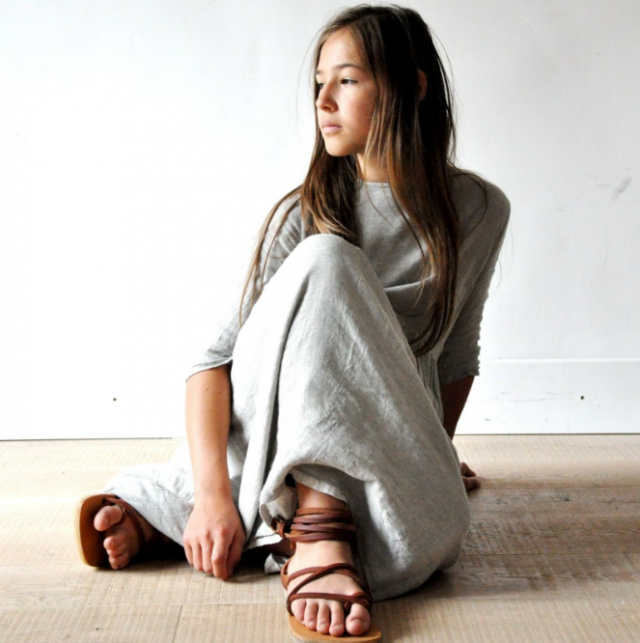
A basic dress is the fashion equivalent of a best friend who shows up on time, never judges your shoe choices, and somehow makes you look more organized than you feel. It is simple, wearable, repeatable, and surprisingly powerful. While trend pieces may shout from the closet like they are auditioning for a reality show, the basic dress quietly does the real work: brunch, office, errands, dinner, travel, school pickup, casual Friday, and the mysterious “smart casual” event that nobody has ever fully defined.
At its best, a basic dress is not boring. It is a blank canvas with good manners. Think of a little black dress, a cotton T-shirt dress, a linen midi, a wrap dress, a ribbed knit dress, a shirt dress, or a clean slip dress. These pieces are simple enough to style in multiple ways but polished enough to keep you from looking like you got dressed during a power outage. A basic dress belongs in a capsule wardrobe because it saves time, reduces decision fatigue, and stretches your closet without requiring a second mortgage.
This guide breaks down what makes a basic dress worth owning, how to choose one that actually works for your body and lifestyle, and how to style it for different seasons and occasions. We will also talk fabrics, fit, care, common mistakes, and real-life experiencebecause any dress can look perfect on a hanger, but the true test is whether it survives coffee, car seats, humidity, meetings, and one very enthusiastic plate of spaghetti.
What Is a Basic Dress?
A basic dress is a simple, versatile dress designed to be worn often and styled many ways. It usually has a clean silhouette, minimal embellishment, and a color or pattern that pairs easily with shoes, jackets, bags, and accessories. The goal is not to disappear into the background; the goal is to create a reliable foundation.
Basic dresses often come in neutral shades such as black, navy, beige, gray, ivory, olive, brown, or denim blue. However, “basic” does not always mean neutral. A soft stripe, muted floral, deep burgundy, forest green, or dusty rose can also work if it fits naturally into your wardrobe. The real question is: can you wear it at least three different ways without feeling like everyone knows it is the same dress? If yes, congratulations. You have found a keeper.
Popular Types of Basic Dresses
The most useful basic dresses tend to fall into a few reliable categories. A T-shirt dress is casual, comfortable, and easy to wear with sneakers or sandals. A shirt dress feels crisp and polished, especially with a belt or loafers. A wrap dress flatters many body shapes and works for both daytime and dinner. A knit midi dress feels cozy but still pulled together. A slip dress can look minimal and elegant on its own or layered over a tee, under a blazer, or beneath a sweater. A little black dress remains a classic because it can shift from office to cocktails with only a change of accessories.
The best basic dress for you depends on your daily life. If you work in a business casual office, a structured midi or shirt dress may earn more wear. If you live in warm weather, a breathable cotton or linen dress may become your summer uniform. If your schedule involves travel, choose a fabric that resists wrinkles and does not require a dramatic ironing ceremony every morning.
Why a Basic Dress Deserves Closet Space
The basic dress earns its place because it solves the oldest fashion problem: “I have clothes, but nothing to wear.” A well-chosen basic dress gives you an instant outfit. You do not need to coordinate a top and bottom, wonder if the proportions work, or stand in front of the mirror asking your reflection for emotional support.
Another reason basic dresses matter is cost per wear. A statement dress covered in sequins, feathers, or a print so memorable it practically introduces itself may be fun, but it often has limited use. A simple dress that you can wear twice a week in different ways gives better long-term value. This does not mean every basic dress must be expensive. It means the dress should fit well, feel good, and hold up after washing.
Basic dresses also support a more thoughtful wardrobe. Instead of buying random trend pieces that only work with one specific shoe and one specific mood, you build around versatile items. That approach makes getting dressed easier, packing lighter, and shopping smarter. Your closet becomes less like a chaotic garage sale and more like a useful toolkit.
How to Choose the Right Basic Dress
Start With Fit, Not Fantasy
The right basic dress should fit the body you have today, not the imaginary future version of you who suddenly enjoys waking up at 5 a.m. to do Pilates. Check the shoulders, bust, waist, hips, and length. If the dress pulls across the chest, rides up when you walk, clings in a way you dislike, or requires constant adjustment, it is not basicit is a part-time job.
A good fit allows movement. Sit down in the dress. Raise your arms. Walk around. Bend slightly. If you feel trapped, exposed, or suspiciously close to a wardrobe malfunction, keep looking. A basic dress should help you live your life, not force you to move like a museum statue.
Choose a Fabric That Matches Your Lifestyle
Fabric determines how a dress feels, drapes, washes, and ages. Cotton is breathable and easy for everyday wear, especially in T-shirt and poplin styles. Linen is excellent for hot weather, though it wrinkles quickly; that relaxed texture is part of its charm, assuming you are comfortable looking casually elegant rather than freshly laminated. Ponte knit offers structure and stretch, making it useful for work dresses. Ribbed knits are comfortable and flattering but can cling, so fabric weight matters. Rayon and viscose can drape beautifully, but they may require gentler care. Polyester blends can resist wrinkles and travel well, though breathability varies.
Before buying, check the care label. In the United States, clothing labels typically include care instructions, and those instructions matter. If a dress says “dry clean only” and your lifestyle says “laundry basket until further notice,” be honest. The perfect dress is not perfect if you avoid wearing it because cleaning it feels like filing taxes.
Pick Colors You Actually Wear
Black is popular for a reason: it is versatile, easy to dress up, and forgiving when life attacks with coffee. Navy, charcoal, chocolate, olive, cream, and denim blue are also strong choices. The best color depends on your existing wardrobe. If most of your shoes and jackets are warm-toned, camel, brown, olive, or ivory may work beautifully. If you own mostly black, gray, silver, and cool-toned accessories, a black or navy dress may be easier.
Do not buy a basic dress in a color just because it is “practical” if you never feel good wearing it. A beige dress is only useful if it makes you feel chic, not like an unseasoned breadstick.
Pay Attention to Details
Small details can make or break a basic dress. A neckline should work with your preferred bras and necklaces. Sleeves should suit your climate and comfort level. Pockets are wonderful, but only if they lie flat and do not create awkward side bumps. A lining can improve opacity and structure. A slit can make walking easier, but check the height before you accidentally bring red-carpet energy to the grocery store.
Look at seams, stitching, zipper quality, button placement, and fabric thickness. Hold lighter colors up to natural light if possible. If you can see tomorrow through the dress, you may need a slipor a different dress.
How to Style a Basic Dress
For Casual Days
Pair a T-shirt dress, tank dress, or loose cotton midi with white sneakers, flat sandals, a denim jacket, or a crossbody bag. Add simple hoops or a baseball cap for an easy weekend look. The goal is comfortable but intentional, not “I gave up and the dress happened to be nearby.”
For the Office
A basic dress can become business casual with the right layers. Add a blazer, cardigan, belt, loafers, ballet flats, or low heels. A shirt dress looks sharp with a leather belt and structured tote. A black knit midi can feel professional under a tailored jacket. Keep hemlines and necklines appropriate for your workplace, especially if your office dress code was written by someone who enjoys vague phrases like “polished attire.”
For Dinner or Date Night
Swap daytime shoes for heeled sandals, ankle boots, or sleek flats. Add a statement earring, a clutch, a bold lip, or a cropped jacket. A slip dress or little black dress is especially useful here because it can look elegant with minimal effort. This is the magic of a basic dress: one minute it is answering emails, the next it is ordering dessert.
For Travel
A travel-friendly basic dress should be comfortable, wrinkle-resistant, and easy to layer. A black jersey dress, ribbed midi, or soft shirt dress can work on a plane, at lunch, and during sightseeing. Wear it with sneakers and a light jacket during the day, then add jewelry and nicer shoes at night. Bonus points if the dress dries quickly after washing in a hotel sink, because travel has a way of turning laundry into a personality test.
For Cold Weather
Layer a basic dress with tights, boots, turtlenecks, cardigans, sweaters, coats, and scarves. A sleeveless dress can work year-round when worn over a fitted long-sleeve top. A slip dress becomes winter-friendly under a chunky sweater. A knit midi pairs well with tall boots and a long coat. The trick is balancing proportions: if the dress is slim, try a looser layer; if the dress is flowy, add structure with a jacket or belt.
Basic Dress Outfit Formulas
Outfit formulas make styling easier because they remove guesswork. Try a black midi dress with a blazer, loafers, and a tote for work. Wear a cotton T-shirt dress with sneakers, sunglasses, and a denim jacket for weekends. Style a linen dress with flat sandals, a woven bag, and delicate jewelry for summer. Pair a slip dress with a white button-down shirt worn open, strappy sandals, and a shoulder bag for a relaxed evening look. Combine a ribbed knit dress with ankle boots, a belt, and a trench coat for transitional weather.
These formulas work because they create contrast. Soft dresses look better with structured jackets. Simple dresses look more interesting with textured bags or jewelry. Casual dresses become more polished with refined shoes. Dressy dresses become more wearable with flat sandals or a cardigan. Once you understand the balance, a basic dress becomes one of the most flexible pieces in your wardrobe.
Choosing a Basic Dress for Your Body Shape
There are no strict rules, only helpful starting points. If you like defining your waist, try a wrap dress, belted shirt dress, or fit-and-flare silhouette. If you prefer a clean vertical line, look for a straight midi, column dress, or slip dress. If you want comfort around the midsection, an A-line dress, relaxed T-shirt dress, or empire waist style may feel easier. If you want more structure, ponte, denim, or thicker cotton can provide shape without clinging.
Length also matters. Mini dresses can look playful and casual. Knee-length dresses are practical for work and everyday wear. Midi dresses are versatile and polished, especially with flats, sneakers, boots, or heels. Maxi dresses can feel elegant or relaxed depending on fabric and styling. The most flattering length is the one that makes you walk normally and stop tugging at the hem every seven seconds.
Basic Dress Shopping Checklist
Before buying a basic dress, ask yourself a few practical questions. Can I style it with at least three items I already own? Does it work with my real shoes, not just imaginary shoes from a fantasy closet? Is the fabric comfortable for my climate? Can I wash it easily? Does it require special undergarments? Can I sit, walk, and move in it? Do I like how I feel in it without needing to buy five additional accessories?
If the answer is mostly yes, the dress may be worth adding to your wardrobe. If the answer is “maybe, once I buy a new bra, new jacket, new belt, new shoes, and develop a completely different lifestyle,” step away slowly.
How to Care for a Basic Dress
Good care extends the life of a basic dress. Always read the care label before washing. Wash dark dresses inside out to reduce fading. Use cold or cool water for many everyday fabrics unless the label says otherwise. Avoid over-drying knits and delicate fabrics because heat can shrink, fade, or weaken fibers. Hang or lay flat when appropriate, especially for dresses that may stretch on a hanger.
Linen often benefits from gentle washing and air drying. Rayon and viscose may need extra caution because they can shrink or lose shape if treated roughly. Cotton is usually easier, but it can still fade or shrink depending on construction. Structured dresses, lined dresses, and special fabrics may require dry cleaning. Treat stains quickly, especially oil, makeup, and coffee. A basic dress is supposed to look effortless, but “effortless” does not include a permanent salad dressing constellation near the waist.
Common Mistakes to Avoid
The first mistake is confusing basic with cheap. A basic dress does not need to be expensive, but it should not look tired after two washes. The second mistake is buying a dress because someone online called it “essential,” even though it does not fit your life. A silk slip dress may be a staple for one person and a closet decoration for another.
The third mistake is ignoring undergarments. If a dress requires a specific bra, slip, shapewear, or seamless underwear, know that before you buy. The fourth mistake is choosing a fabric that fights your climate. Heavy polyester in humid summer weather can turn a simple outfit into a personal sauna. The fifth mistake is buying too many basics that all do the same thing. You do not need six nearly identical black dresses unless you are building a very stylish witness protection program.
Basic Dress Experiences: What Real Life Teaches You
After wearing basic dresses through real daysnot just mirror selfiesyou start to understand what makes one truly valuable. The first lesson is that comfort always wins. A dress can be beautiful, trendy, and technically flattering, but if you spend the whole day pulling it down, adjusting the neckline, or wondering whether the fabric is betraying you from behind, it will not become a favorite. The basic dresses that earn repeat wear are the ones you forget you are wearing, in the best possible way.
One of the most useful experiences with a basic dress happens during travel. Packing a simple black midi or wrinkle-resistant shirt dress can save an entire suitcase. You wear it with sneakers on the plane, sandals during the day, and earrings at dinner. It becomes three outfits without demanding three hangers. When space is limited, the dress that does the most with the least becomes the hero. It may not sparkle, but neither does paying baggage fees.
Another lesson comes from workdays. A basic dress can make mornings easier because it removes the top-and-bottom math. On a busy morning, when the coffee is still brewing and your inbox is already acting dramatic, pulling on one good dress feels like cheating in the best way. Add a blazer and flats, and suddenly you look prepared. Nobody needs to know you chose the outfit in under ninety seconds while mentally searching for your keys.
Basic dresses also teach you the power of accessories. The same dress can feel completely different with a belt, scarf, necklace, boots, sneakers, or jacket. A plain cotton dress with a denim jacket feels casual. Add a trench coat and loafers, and it becomes polished. Add bold earrings and a clutch, and it can go to dinner. The dress itself may be quiet, but accessories give it a social life.
Real life also reveals the importance of fabric. A dress that looks chic but wrinkles the moment you breathe near it may not be ideal for long days. A dress that stretches out after one wear may disappoint. A dress that washes well and returns to shape becomes a trusted regular. Over time, you learn to check fabric weight, opacity, seams, and care instructions before falling in love with the color or price tag.
There is also an emotional side to a basic dress. The best one gives you confidence without making a big announcement. It lets you feel like yourself, only slightly more edited. It works on days when you want to look good but do not have the energy for fashion gymnastics. It handles errands, meetings, lunch, and last-minute plans. It becomes familiar, reliable, and oddly comfortinglike a wardrobe version of your favorite playlist.
The biggest experience-based takeaway is simple: a basic dress is only basic until you start living in it. Then it becomes the dress you wore on a great trip, the dress that rescued a rushed morning, the dress that made you feel pulled together at an awkward event, or the dress that somehow survived both a long commute and a taco lunch. That is the real value. A good basic dress is not just a garment. It is a strategy, a shortcut, and sometimes, frankly, a tiny miracle with sleeves.
Conclusion
A basic dress is one of the smartest pieces you can own because it combines ease, style, and versatility. It can be casual or polished, simple or elegant, seasonless or climate-specific. The best basic dress fits well, feels comfortable, works with your existing wardrobe, and survives real life without turning laundry day into a legal negotiation.
Whether you choose a little black dress, shirt dress, T-shirt dress, slip dress, wrap dress, knit midi, or linen summer dress, focus on quality, comfort, and repeatability. A basic dress should not make you feel plain. It should make getting dressed feel easier, faster, and more enjoyable. In a world full of trends that come and go faster than a phone battery at 2%, the basic dress remains refreshingly dependable.
SEO Tags
Note: This original article is written in standard American English and synthesized from reputable U.S. fashion, retail, wardrobe, and garment-care guidance without source links or copied text.