There is something almost suspiciously charming about a handwritten postcard. It arrives in the mailbox looking like a tiny paper high-five. It is personal, tactile, and refreshingly unplugged in a world where most marketing messages are elbowing each other for attention inside an inbox that already looks like a digital junk drawer.
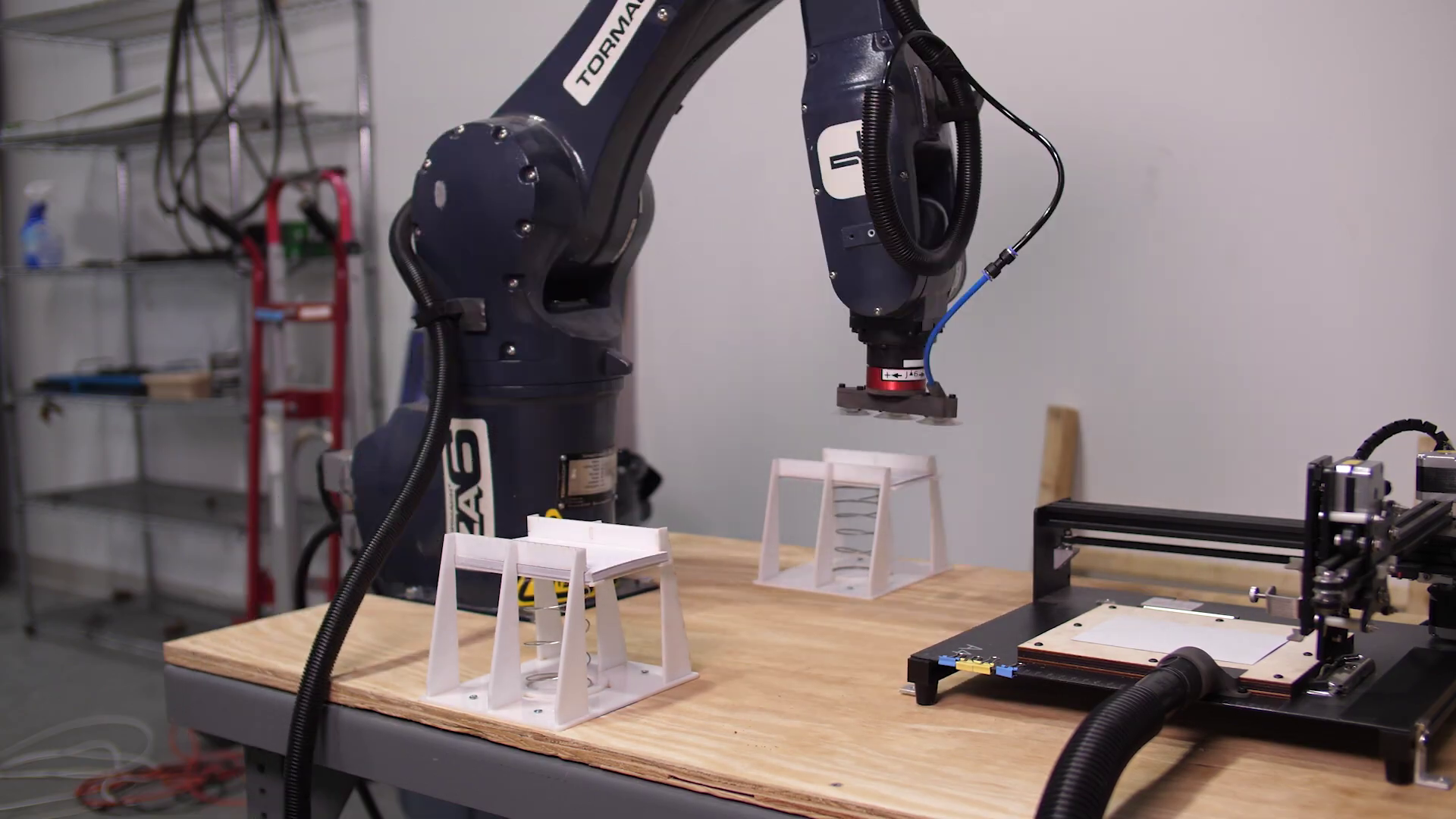
But here is the catch: handwriting 500 postcards by hand sounds romantic until your wrist files a formal complaint. That is where modern handwriting robots come in. Today, businesses can automate handwritten postcards with robots that use real pens, real ink, and carefully programmed handwriting styles to create direct mail that feels personal without requiring a team of interns, a mountain of caffeine, or a chiropractor on speed dial.
Robotic handwriting is not science fiction anymore. Companies now use automated pen machines, direct mail APIs, CRM integrations, and address-verification systems to send personalized postcards at scale. The result is a hybrid marketing channel that combines the emotional warmth of a handwritten note with the efficiency of automation. In plain English: your postcard can say “Dear Sarah” instead of “Dear Valued Human Unit,” and that matters.
What Does It Mean to Automate Handwritten Postcards With Robots?
To automate handwritten postcards with robots means using software and robotic writing machines to create postcards that look and feel handwritten. Instead of printing a message in a standard font, a robot physically moves a pen across the card, writing each line in a selected handwriting style. Some services even allow brands to use a custom handwriting style or uploaded signature, depending on the platform.
The workflow usually starts with customer data. A business uploads a mailing list, connects a CRM, or triggers a postcard from an event such as a first purchase, birthday, abandoned cart, consultation, donation, renewal, or referral. The system pulls in personalized fields like first name, location, product purchased, appointment date, or loyalty status. Then the handwriting robot writes the postcard, the card is addressed, postage is applied, and the piece enters the mail stream.
In short, handwritten postcard automation lets a company send one card or thousands without turning the office break room into a calligraphy sweatshop.
Why Handwritten Postcards Still Work in a Digital World
Email is fast. Text messages are faster. Ads follow people around the internet like needy raccoons. So why bother with postcards? Because physical mail still has one unfair advantage: it exists in real life.
A postcard lands on a counter, a desk, a fridge, or a mail pile. It does not vanish behind a notification. It does not require a password reset. It does not arrive next to 47 promotional emails screaming about “LAST CHANCE” when there will absolutely be another last chance tomorrow.
Handwritten postcards add another layer of attention. People are naturally curious about handwriting because it signals effort. Even when a robot does the writing, the card feels warmer than a generic printed flyer. That small emotional difference can be powerful for relationship-based marketing.
The Human Touch Without the Human Bottleneck
The best use of robotic handwriting is not to trick customers. It is to deliver thoughtful, relevant messages at moments when a personal note makes sense. A real estate agent can thank new homeowners after closing. A dental office can send a friendly “we miss your smile” reminder. An e-commerce shop can surprise first-time buyers with a handwritten-style thank-you card. A nonprofit can acknowledge donors with more warmth than a plain receipt.
The robot is not replacing sincerity. It is helping sincerity show up on time.
How Robotic Handwriting Technology Works
Most handwriting robots operate like advanced pen plotters. The machine holds a real pen and follows programmed movement paths to form letters, words, and spacing. Better systems add variation, pressure changes, and natural inconsistencies so the writing does not look like a suspiciously perfect font wearing a fake mustache.
The process usually includes four layers: message personalization, handwriting simulation, physical production, and mailing logistics.
1. Message Personalization
The software merges customer data into a postcard template. For example, the card might say:
“Hi Jordan, thanks for stopping by our Austin showroom last week. We hope the walnut dining table is still living rent-free in your imagination.”
That sentence feels much stronger than: “Dear Customer, please buy furniture.” One sounds like a thoughtful follow-up. The other sounds like a printer had a midlife crisis.
2. Robotic Writing With Real Ink
The robot writes the message using a real pen. This matters because real ink creates subtle texture, pressure, and variation. Some providers offer multiple handwriting styles, while others support custom branding, signatures, and stationery. The goal is to make the card feel personal, not mass-produced.
3. Quality Control
Professional handwritten mail services often include checks for alignment, legibility, ink consistency, and card quality. This step is important because charming mail should not look like it survived a wrestling match with a copier.
4. Mailing and Delivery
Once written, the postcard is addressed, stamped or metered, sorted, and mailed. Some platforms connect with direct mail automation tools, APIs, or marketing workflows so teams can trigger physical mail the same way they trigger email campaigns.
Popular Uses for Automated Handwritten Postcards
Handwritten postcard automation works best when the message feels timely, personal, and useful. It is not magic confetti. It will not rescue a weak offer, a messy mailing list, or a message that sounds like it was assembled by a committee trapped in a beige conference room.
Used well, however, it can support many types of campaigns.
Customer Thank-You Cards
Thank-you cards are the classic use case. After a purchase, appointment, donation, booking, or consultation, a handwritten postcard can make the customer feel noticed. This is especially effective for businesses where relationships matter: real estate, financial services, healthcare practices, luxury retail, hospitality, home services, and nonprofits.
Win-Back Campaigns
If a customer has not purchased in several months, a robotic handwritten postcard can feel more personal than yet another discount email. A short message like “We saved your favorite roast” or “Your dog’s grooming table misses him” can re-open the relationship in a friendly way.
Birthday and Anniversary Mail
Automated birthday postcards are simple but effective. The system can trigger a card based on a date field in the CRM. Add a small offer, a warm note, or a loyalty reward, and the card becomes more than a greeting. It becomes a reason to return.
Referral Requests
After a positive customer experience, a handwritten postcard can ask for referrals without sounding pushy. The key is to keep it human: thank the customer first, then invite them to share the business with a friend who might benefit.
Event Follow-Ups
Trade shows, open houses, webinars, conferences, school events, and local workshops all create follow-up opportunities. A handwritten postcard after the event stands out because most competitors will send predictable emails. Your postcard gets to be the well-dressed guest at the party.
Robots vs. Printed “Handwritten” Fonts
There is a major difference between robot-written postcards and printed fonts that imitate handwriting. Printed handwriting fonts can be useful for budget campaigns, but they usually lack the depth and variation of real ink. Recipients may not inspect the card like forensic document experts, but many people can sense when something is flat and printed.
Robot-written cards use actual pen movement. That gives the message a more authentic look. The letters may show minor variation, ink texture, and pressure differences. For high-value campaigns, that extra realism can help the postcard feel more personal.
However, printed handwritten-style postcards are not useless. They can work for lower-cost campaigns, large promotions, or awareness mailings where scale matters more than intimacy. The right choice depends on your budget, audience, and goal.
Choosing the Right Postcard Automation Platform
There are several categories of tools in this space. Some specialize in robotic handwritten notes. Others focus on direct mail automation, address verification, print production, delivery tracking, or API-based mail. A business may use one all-in-one service or combine several tools.
Look for Real Pen Writing
If your goal is authentic handwritten postcards, confirm whether the provider uses real pens or simply prints a handwriting-style font. Real pen writing usually costs more, but it also creates a more personal effect.
Check CRM and Automation Integrations
Good automation depends on clean triggers. Look for integrations with platforms like Shopify, Salesforce, HubSpot, Zapier, Make, customer data platforms, or direct API access. A postcard program becomes much more powerful when it can run from customer behavior, not manual spreadsheets alone.
Review Personalization Options
Useful personalization may include first names, order details, appointment dates, local references, loyalty status, donation amount, or sales rep signature. Avoid going too far. A postcard that says, “We noticed you looked at blue socks at 2:13 a.m.” is not personal. It is a tiny cardboard stalker.
Confirm Address Quality Tools
Bad addresses waste money. Before sending postcards, businesses should verify addresses, remove duplicates, and update records when customers move. For larger campaigns, address standardization, ZIP+4 correction, and move-update processing can improve deliverability and reduce returned mail.
Ask About Turnaround Time
Handwritten postcards are physical items. They require writing, handling, postage, and mail delivery. Ask how long production takes, when mail is entered into the postal system, and whether the platform offers tracking or delivery estimates.
Postcard Size, Design, and Mailing Basics
Postcard automation is not only about the handwriting. The physical format matters too. In the United States, postcard dimensions, thickness, aspect ratio, and mail class can affect postage and processing. Standard postcard sizes are often used for cost efficiency, while larger cards may be chosen for more visual impact.
For local campaigns, Every Door Direct Mail can help businesses send postcards, menus, flyers, or coupons to selected neighborhoods without needing individual names and addresses. For personalized robotic handwriting, however, you usually need a recipient list because the power comes from addressing a specific person with a specific message.
Design for Fast Reading
A postcard has limited real estate. Use one clear message, one offer, and one call to action. Do not try to fit your company history, five testimonials, three coupons, a QR code, and a motivational quote from someone’s uncle onto one card. White space is not wasted space. It is breathing room.
Use a Strong Call to Action
Every postcard should tell the recipient what to do next. Examples include:
- Scan a QR code to schedule an appointment.
- Bring the card in for a local discount.
- Visit a personalized landing page.
- Call a direct number for a consultation.
- Use a unique promo code online.
Tracking codes, QR codes, call tracking numbers, and personalized URLs can help measure results. Without tracking, you are basically throwing postcards into the universe and asking the moon how sales are going.
What Makes a Good Handwritten Postcard Message?
The best handwritten postcard messages are short, specific, and warm. They sound like a human wrote them, even if a robot politely handled the pen. The tone should match the relationship. A luxury client thank-you card should feel polished. A pet store postcard can be playful. A healthcare reminder should be friendly and professional.
Example: E-Commerce Thank-You
Hi Mia, thank you for your first order with us. We hope the ceramic planter gives your pothos the stylish little apartment it deserves. We’re grateful you chose our shop.
Example: Real Estate Follow-Up
Hi Chris, it was great meeting you at the open house on Saturday. If you want to compare homes in the neighborhood, I’d be happy to send a short list this week.
Example: Nonprofit Donor Appreciation
Dear Angela, your gift helped us provide meals to local families this month. Thank you for showing up for the community in such a meaningful way.
Notice that each example includes context. Context is the difference between “personalized” and “mail merge wearing sunglasses.”
Benefits of Automating Handwritten Postcards With Robots
Scalability
A business can send handwritten-style postcards at volumes that would be unrealistic by hand. Whether the list has 50 customers or 50,000, automation can keep the process manageable.
Consistency
Robots do not get tired, distracted, or suddenly decide that the letter “S” should look like a frightened snake. The output is more consistent than manual handwriting while still preserving a personal feel.
Speed
Automation reduces the delay between a customer action and a mailed response. A trigger-based workflow can send a postcard after a purchase, consultation, event registration, or renewal milestone.
Personalization
When connected to a CRM, postcards can include customer-specific details that make the message relevant. Relevance is the secret sauce. Without it, even beautiful handwriting is just decoration.
Memorability
A handwritten postcard can feel unusual because most businesses default to email. That novelty helps the message stand out, especially for relationship-driven brands.
Common Mistakes to Avoid
Using Fake Warmth
Do not write like a person if the message is obviously robotic. “We deeply value your unique journey as a customer stakeholder” is not warm. It sounds like a toaster attended business school.
Overpersonalizing
Personalization should feel helpful, not invasive. Use information the customer expects you to know. A first name and recent purchase are fine. Excessive behavioral details can feel creepy.
Ignoring Data Hygiene
Duplicate records, outdated addresses, misspelled names, and wrong ZIP codes can damage performance. Clean your list before sending. A beautifully handwritten postcard delivered to the wrong person is just expensive confetti.
Forgetting the Offer
Warmth is wonderful, but marketing still needs a purpose. Decide whether the postcard is meant to thank, retain, reactivate, invite, sell, or request referrals. Then write the message around that purpose.
Sending Too Often
Handwritten postcards feel special because they are not constant. If a customer receives one every week, the charm evaporates. Use robotic handwriting for meaningful moments, not every sneeze in the CRM.
How to Build a Simple Handwritten Postcard Automation Workflow
Start small. Choose one campaign where a personal touch could realistically improve the customer experience.
Step 1: Pick a Trigger
Examples include first purchase, high-value order, consultation completed, quote requested, event attended, subscription renewal, birthday, or customer inactivity for 90 days.
Step 2: Write a Short Message
Keep it under control. A postcard is not a novel. Aim for 40 to 90 words depending on the format. Make it clear, kind, and specific.
Step 3: Prepare the Mailing List
Verify names and addresses. Remove duplicates. Segment the audience. Make sure the message matches the recipient’s relationship with your brand.
Step 4: Choose the Card Design
Use a design that supports the message. A thank-you card should feel different from a sale announcement. Keep branding visible but tasteful.
Step 5: Add Tracking
Use a QR code, promo code, landing page, or call tracking number. Tracking makes it easier to compare handwritten postcards with email, SMS, ads, or standard direct mail.
Step 6: Test Before Scaling
Send a pilot campaign first. Compare results against a control group if possible. Review response rate, conversion rate, average order value, retention, and customer feedback.
Real-World Examples of Robotic Handwritten Postcard Campaigns
An online boutique might send a handwritten postcard to first-time buyers with a discount for the second purchase. A veterinary clinic might send a welcome card after a new pet’s first appointment. A mortgage broker might send a handwritten follow-up after a consultation. A home-services company might send thank-you postcards after completed jobs and include a referral code for neighbors.
These campaigns work because they are tied to real moments. The postcard is not random. It arrives with context, and context makes the card feel thoughtful.
Measuring Success: What to Track
The simplest metric is response rate, but that is not the only one. Track conversions, revenue, repeat purchases, appointment bookings, referral volume, churn reduction, customer lifetime value, and customer sentiment. A handwritten postcard may not always create an instant sale, but it can strengthen the relationship over time.
For example, a luxury service business may care more about client retention than immediate coupon redemptions. A restaurant may focus on offer usage. A nonprofit may measure repeat donations. A software company may send postcards to high-value accounts and track meeting bookings.
Experiences and Practical Lessons From Automating Handwritten Postcards With Robots
After studying how businesses use handwritten postcard automation, one practical lesson becomes clear: the robot is only as good as the message strategy behind it. Many teams get excited about the technology first. That is understandable. A robot holding a pen is objectively delightful. It feels like the office printer finally got a hobby. But the best results usually come from boring-sounding preparation: clean data, smart segmentation, and thoughtful timing.
One common experience is that small campaigns often teach more than large campaigns. A business might begin by sending 100 handwritten postcards to recent customers who spent above a certain amount. The first version may be too generic. The second version may include a better opening line, a more specific thank-you, or a clearer call to action. By the third test, the company starts to understand what customers respond to. The lesson: do not automate chaos. Improve the message, then scale it.
Another important experience is that postcards perform differently by industry. In real estate, handwritten cards can feel natural because the relationship is personal and high-value. In e-commerce, they can surprise customers because most online stores communicate only through email. In healthcare, wellness, home services, and financial services, the tone must be especially careful. Warm is good. Overly casual is risky. Nobody wants a dental reminder that sounds like it was written by a stand-up comedian trapped inside a toothbrush.
Timing also matters more than many marketers expect. A thank-you postcard sent two days after an order feels thoughtful. The same postcard sent two months later may feel like it got lost behind the vending machine. Birthday cards, renewal reminders, and win-back offers work best when the automation trigger is accurate. This means the CRM must be maintained. If the data is stale, the robot will confidently write the wrong thing in beautiful ink. That is not automation. That is a very elegant mistake.
Businesses also learn that design should not fight the handwriting. A handwritten message needs space. If the postcard is crowded with graphics, coupons, badges, arrows, QR codes, and enough tiny text to make an eye doctor nervous, the personal touch gets buried. The handwritten section should be easy to read at a glance. The call to action should be obvious. The branding should support the message rather than tackle it.
Another useful lesson is to be honest internally about the purpose of the card. Some postcards are for direct sales. Others are for retention, loyalty, or brand memory. A thank-you card may not produce an instant order, but it may make the customer more likely to open the next message, leave a review, refer a friend, or choose the brand again. Not every valuable result happens in 24 hours. Some marketing works like planting herbs. You do not yell at basil on day one and demand pesto.
Finally, robotic handwritten postcards work best when they are part of a larger customer experience. The card should match the email tone, website promise, packaging, customer service, and sales process. If the postcard feels personal but the rest of the experience feels cold, the effect weakens. If everything feels consistent, the postcard becomes a memorable touchpoint. The robot writes the note, but the brand earns the feeling.
Conclusion
Automating handwritten postcards with robots is one of the most interesting blends of old-school charm and modern marketing technology. It turns a familiar object into a scalable customer experience tool. With the right platform, clean data, strong timing, and a message that sounds genuinely human, businesses can send personalized postcards that stand out in the mailbox and support stronger relationships.
The secret is not the robot alone. The secret is relevance. A robotic pen can write beautifully, but strategy decides whether the message matters. Use handwritten postcard automation for moments that deserve a personal touch: thank-yous, milestones, referrals, win-backs, event follow-ups, and high-value customer relationships. Keep the design clean, the message short, the data accurate, and the call to action clear.
In a noisy digital world, a handwritten postcard can feel like a small, thoughtful pause. And if a robot helps you send that pause at scale, well, that is not cheating. That is marketing with better penmanship.
Note: This article is written for educational and marketing-planning purposes. Businesses should confirm current postal requirements, privacy obligations, and platform terms before launching large-scale postcard campaigns.