Virtual doctors used to sound like something from a sci-fi movie where your refrigerator also judges your cholesterol. Now, they are simply part of modern healthcare. A patient can discuss a rash, refill a prescription, review blood pressure numbers, start therapy, or ask whether that cough deserves a clinic visitall without sitting under fluorescent lights beside a coughing stranger who believes “cover your mouth” is optional.
But convenience alone does not answer the big question: Are virtual doctors actually useful? The honest answer is yes, oftenbut not always. Virtual doctors, telehealth visits, online doctor appointments, and telemedicine services can be extremely helpful for the right problem, the right patient, and the right clinical setup. They are not magic. They cannot feel your abdomen, listen to your lungs through a laptop speaker with perfect accuracy, or stitch a cut through Wi-Fi. Yet when used wisely, virtual care can save time, expand access, improve follow-up, and make healthcare less of a logistical obstacle course.
This article breaks down where virtual doctors shine, where they fall short, how to use them safely, and what real patients can expect from the experience.
What Is a Virtual Doctor?
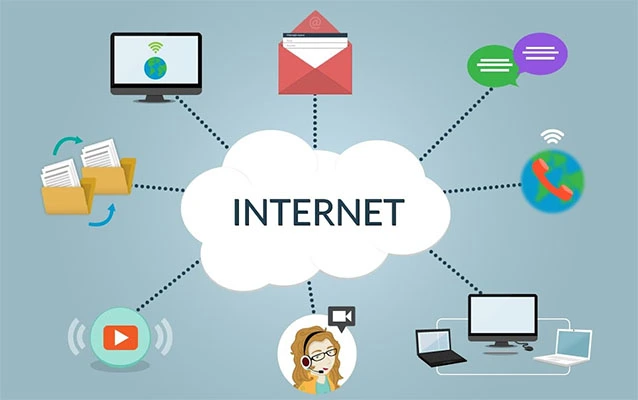
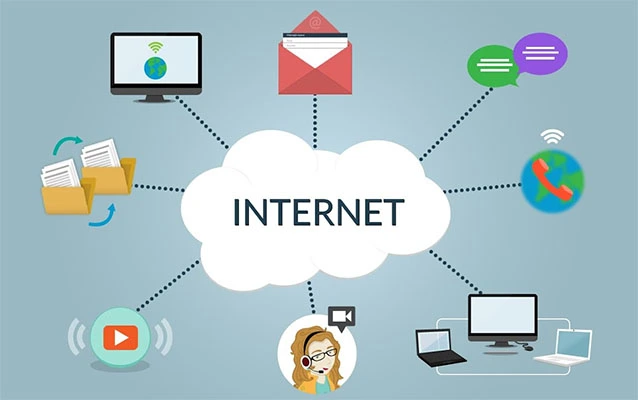
A virtual doctor is a licensed healthcare professional who provides medical care remotely through video, phone, secure messaging, or a patient portal. The broader umbrella term is telehealth, which can include video visits, remote monitoring, online therapy, digital check-ins, electronic prescriptions, and follow-up care after an in-person visit.
Virtual care is not one single thing. It can be a live video appointment with your primary care doctor, a phone call with a mental health counselor, a secure message about lab results, or a remote monitoring program where blood pressure, glucose, oxygen levels, or heart rate are tracked from home. In other words, telehealth is less “robot doctor” and more “healthcare finally discovered the internet.”
Why Virtual Doctors Became So Popular
The pandemic pushed telemedicine into everyday life, but the appeal did not disappear when waiting rooms reopened. People kept using virtual doctors because the basic idea makes sense: many health questions do not require driving across town, finding parking, filling out the same form again, and losing half a workday.
For busy parents, rural patients, older adults, people with mobility challenges, caregivers, college students, and workers with strict schedules, online doctor visits can remove major barriers. A 15-minute follow-up appointment is much easier when it does not require 45 minutes of traffic and a spiritual battle with a parking kiosk.
Virtual care also fits the way many conditions are managed. Chronic disease care often depends on regular check-ins, medication adjustments, lifestyle coaching, symptom tracking, and lab review. Those tasks can often happen effectively through telehealth, especially when patients have home devices such as blood pressure cuffs, glucose meters, pulse oximeters, or digital scales.
Where Virtual Doctors Are Most Useful
1. Routine Follow-Up Visits
One of the strongest uses for virtual doctors is follow-up care. If a patient has already been examined in person and simply needs to discuss test results, adjust a medication, review symptoms, or ask whether a treatment is working, telehealth can be practical and efficient.
For example, someone with high blood pressure may track readings at home for two weeks, then meet virtually with a clinician to review the numbers. If the readings are still high, the doctor may adjust medication, recommend diet changes, or schedule an in-person exam if something seems concerning. The patient gets timely care without turning a simple medication review into a full expedition.
2. Mental Health Care
Mental health is one of the clearest areas where virtual doctors and online therapy can be genuinely useful. Many counseling, psychiatric follow-up, medication management, and behavioral health visits rely heavily on conversation. For patients who feel anxious about entering a clinic or who live far from specialists, virtual mental health care can reduce friction and improve access.
Telehealth can also help people receive care in a familiar environment. Talking about anxiety, depression, grief, panic attacks, or stress may feel less intimidating from a private room at home than from an office with a clipboard and a plant that has seen too much.
3. Minor Illnesses and Common Symptoms
Virtual doctors can be helpful for many common issues, such as cold symptoms, seasonal allergies, mild headaches, medication questions, uncomplicated urinary symptoms, mild skin concerns, pink eye, digestive upset, and routine prescription refills. These visits usually involve a detailed history, symptom review, visual inspection when appropriate, and guidance on next steps.
A virtual doctor may recommend home care, prescribe medication when clinically appropriate, or tell the patient to seek in-person care. That last part matters. A good virtual doctor is not trying to solve everything through a screen. Sometimes the most useful outcome is being told, “This needs hands-on evaluation today.”
4. Dermatology and Visible Skin Issues
Skin problems can sometimes be assessed virtually, especially when patients upload clear photos or show the area on video. Rashes, acne, eczema flares, suspicious bites, mild infections, and medication reactions may be triaged through telemedicine.
However, virtual dermatology has limits. Lighting, camera quality, skin tone differences, and incomplete views can make diagnosis harder. If a mole is changing, bleeding, irregular, or concerning, an in-person skin exam is usually the safer move. Your phone camera may be impressive, but it is not a board-certified dermatologist with a dermatoscope.
5. Chronic Disease Management
Telehealth can support people living with diabetes, hypertension, asthma, heart disease, obesity, chronic lung disease, and other ongoing conditions. The value comes from regular touchpoints. Instead of waiting months between visits, patients can share home data, ask questions, and make adjustments sooner.
For instance, a person with diabetes may review glucose logs virtually. A patient with asthma may discuss inhaler use, triggers, and symptom frequency. Someone with heart failure may report weight changes and swelling. In these cases, virtual care works best when paired with reliable home measurements and a clinician who knows when remote management is enoughand when it is not.
Where Virtual Doctors Are Not Enough
1. Emergencies
Virtual doctors are not appropriate for emergencies. Chest pain, severe shortness of breath, signs of stroke, heavy bleeding, severe allergic reactions, loss of consciousness, serious injuries, suicidal crisis, or sudden severe pain require emergency care. A video visit is not the place to negotiate with your body while it is clearly waving a red flag the size of a stadium banner.
2. Problems Requiring a Physical Exam
Some conditions need touch, instruments, imaging, lab tests, or procedures. Abdominal pain, possible fractures, ear infections in young children, severe throat pain, pelvic pain, testicular pain, neurological symptoms, and certain infections may require an in-person visit.
A virtual doctor can ask smart questions, but they cannot fully examine your abdomen, check reflexes, listen deeply to lungs, perform a strep test, or feel whether a joint is unstable. Remote care is powerful, but the human body remains annoyingly three-dimensional.
3. Poor Technology or Poor Communication
Telehealth depends on clear communication. Bad audio, frozen video, weak internet, language barriers, low digital literacy, or a chaotic environment can reduce quality. If the doctor cannot hear the full story or see the problem clearly, the risk of misunderstanding increases.
This does not mean telemedicine is unsafe. It means telemedicine should be used thoughtfully. A good virtual visit includes identity verification, privacy, clear symptom history, medication review, safety instructions, and a plan for in-person care if symptoms worsen.
The Big Benefits of Virtual Doctors
Convenience That Actually Matters
Convenience in healthcare is not a luxury. It affects whether people get care at all. If a patient has to miss work, arrange childcare, travel long distances, or wait weeks for an appointment, small problems can become bigger problems. Virtual doctors can reduce these barriers.
This is especially important for people in rural areas, where specialists may be hours away. Telehealth can connect patients with clinicians they otherwise might not see, helping with chronic disease management, behavioral health, medication reviews, and specialist consultations.
Better Follow-Up and Fewer Missed Appointments
Follow-up is where healthcare often quietly falls apart. A patient leaves with instructions, life gets busy, symptoms change, and the next appointment never happens. Virtual visits make follow-up easier. When care is easier to access, patients are more likely to keep appointments and ask questions before problems escalate.
Lower Exposure to Germs
Virtual care can reduce unnecessary exposure to contagious illnesses. If someone has mild respiratory symptoms, a telehealth visit may help determine whether home care, testing, medication, or in-person evaluation is needed. This protects patients, staff, and everyone in the waiting room who did not volunteer to collect mystery viruses like trading cards.
More Flexible Access to Specialists
Telehealth can improve access to specialists, especially for behavioral health, dermatology, endocrinology, cardiology follow-up, nutrition counseling, and some forms of rehabilitation. It can also help primary care doctors collaborate with specialists more efficiently.
The Real Drawbacks of Virtual Doctors
Not Everyone Has Equal Access
Virtual care can reduce healthcare gaps, but it can also widen them if patients lack broadband internet, a private space, a smartphone, a computer, digital skills, or language support. A video visit is not very helpful if the patient is trying to discuss personal symptoms from a crowded bus stop while the app refuses to load.
Healthcare systems need to design telehealth services that work for real people, not just for tech-savvy patients with perfect Wi-Fi and a ring light. Phone-based care, interpreter services, simple portals, accessible instructions, and community support can make virtual doctors more inclusive.
Privacy and Data Concerns
Telehealth platforms handle sensitive health information. Patients should use reputable providers, secure portals, and private connections whenever possible. They should be cautious about unknown apps, suspicious links, or services that seem more interested in collecting data than providing care.
Before a virtual visit, patients can ask: Is this platform secure? Is the provider licensed? Will insurance cover the visit? How is my information protected? These questions are not rude. They are responsible. Your medical data deserves better security than your abandoned pizza coupon account.
Insurance and Cost Confusion
Coverage for virtual doctor visits depends on the insurance plan, provider type, service, state rules, and federal policy. Medicare has expanded telehealth coverage for many services, including access from home through current policy extensions, but patients should still confirm costs before assuming a video visit is free.
Private insurance plans vary. Some cover virtual visits like in-person care; others use separate networks or charge different copays. Before booking, check the price, whether the provider is in network, and whether prescriptions or follow-up tests are included.
How to Get the Most From a Virtual Doctor Visit
Prepare Before the Appointment
A successful online doctor visit starts before the doctor appears on screen. Patients should write down symptoms, when they started, what makes them better or worse, current medications, allergies, recent test results, and key questions. If relevant, collect home measurements such as temperature, blood pressure, pulse, oxygen level, weight, or glucose readings.
For skin issues, take clear photos in good lighting. For medication visits, keep pill bottles nearby. For mental health visits, choose a private space where you can speak honestly. For every virtual visit, test the link before the appointment unless you enjoy panic-clicking while whispering, “Why is my microphone a toaster?”
Be Honest About Symptoms
Because the doctor cannot examine everything directly, accurate details matter. Do not minimize symptoms to seem polite. Mention red flags such as fever, severe pain, confusion, dizziness, worsening shortness of breath, weakness, dehydration, new neurological symptoms, or symptoms that are rapidly changing.
A virtual doctor can only make a safe recommendation if the information is complete. Think of the visit as teamwork: the clinician brings medical judgment; the patient brings the truth, the timeline, and ideally a camera angle that does not point directly at the ceiling fan.
Ask for a Clear Next-Step Plan
Every virtual visit should end with a plan. Ask what diagnosis is likely, what treatment is recommended, what warning signs require urgent care, when to follow up, and whether you need labs, imaging, or an in-person exam. If medication is prescribed, ask how to take it, what side effects to watch for, and when it should start helping.
So, Are Virtual Doctors Actually Useful?
Yesvirtual doctors are useful when they are used for the right reasons. They are excellent for many follow-ups, medication discussions, mental health visits, chronic disease check-ins, minor illnesses, and triage. They can save time, reduce barriers, and make healthcare feel less like a full-contact sport.
But virtual doctors are not a universal replacement for in-person care. They work best as part of a larger healthcare system that includes clinics, labs, imaging, pharmacies, specialists, emergency departments, and real human judgment. The smartest approach is not “virtual care versus in-person care.” It is choosing the right care setting for the problem.
Think of virtual doctors like a very useful tool in the medical toolbox. A screwdriver is wonderful when you need a screwdriver. It is less wonderful when you need a ladder, a flashlight, or surgery. Telehealth is the same: incredibly useful in the right context, risky when stretched beyond its limits.
Real-Life Experiences: What Virtual Doctor Visits Feel Like
The best way to understand virtual doctors is to look at everyday situations. Imagine a working parent whose child wakes up with mild pink eye symptoms. Instead of packing snacks, driving to urgent care, and spending two hours in a waiting room decorated with old magazines and emotional exhaustion, the parent schedules a virtual visit. The clinician asks about fever, eye pain, discharge, vision changes, allergies, and exposure at school. If symptoms look straightforward, the doctor may recommend home care or prescribe medication. If there is eye pain or vision change, the child is referred for in-person evaluation. In that scenario, virtual care is not just convenientit is sensible triage.
Now consider an adult with anxiety who has been delaying therapy because the nearest office is 40 minutes away and appointments conflict with work. A virtual mental health visit removes the commute and makes care easier to maintain. Over time, the patient may feel more comfortable opening up from home. The experience is not casual; it is still healthcare. But it may feel less intimidating, which can be the difference between getting help and postponing it for another six months.
Another common experience is chronic disease follow-up. A patient with hypertension measures blood pressure at home every morning. During a virtual appointment, the doctor reviews the readings, asks about side effects, discusses salt intake and exercise, and adjusts medication. This visit does not require a full physical exam every time. What it requires is accurate home data, a patient who understands the plan, and a clinician who watches for warning signs. That is a strong use of telemedicine.
Virtual doctors can also prevent unnecessary visits. Someone with mild cold symptoms may worry that they need antibiotics. A virtual clinician can explain why most viral infections do not benefit from antibiotics, recommend symptom relief, and list warning signs that require in-person care. That saves the patient time and helps reduce unnecessary antibiotic use. The patient may not get a magic pill, but they get something better: clarity and a plan.
Of course, not every virtual visit feels amazing. Some patients report frustration when the platform crashes, the doctor runs late, the audio echoes, or the visit feels rushed. Others feel that the clinician cannot fully understand the problem without a hands-on exam. These complaints are valid. A virtual visit should never feel like a customer service chatbot wearing a stethoscope costume. Good telehealth requires thoughtful clinicians, reliable technology, clear communication, and easy referral to in-person care when needed.
The most positive experiences usually happen when expectations are realistic. Patients who use virtual doctors for focused questions often leave satisfied: “Can I adjust this medication?” “Does this rash need urgent care?” “Can we review my lab results?” “Is this side effect normal?” The less successful experiences happen when the problem is complex, rapidly worsening, or physically difficult to assess.
In practical terms, virtual doctors are useful because they make healthcare more reachable. They do not replace hospitals, physical exams, or emergency care. They do not eliminate the need for trusted primary care. But they do fill a very real gap between “ignore it and hope” and “spend your afternoon in a clinic.” For many people, that middle option is exactly what modern healthcare has been missing.
Conclusion
Virtual doctors are not a gimmick, and they are not a complete substitute for traditional medicine. They are a practical, increasingly important way to deliver care when the medical issue fits the format. For routine follow-ups, mental health care, chronic disease management, medication questions, minor illnesses, and triage, telehealth can be genuinely useful. It saves time, improves access, and helps patients stay connected to care.
The key is knowing when virtual care is appropriate and when the body needs an in-person evaluation. A smart patient uses virtual doctors as part of a balanced healthcare strategy: convenient when possible, hands-on when necessary, urgent when symptoms demand it. In other words, virtual doctors are usefulbut they work best when paired with common sense, secure technology, and clinicians who know when to say, “You need to be seen in person.”