Starting a crypto hedge fund sounds thrilling when Bitcoin is climbing, social media is euphoric, and every investor suddenly claims to understand tokenomics. It sounds considerably less glamorous at 3:17 a.m. when an exchange pauses withdrawals, a stablecoin slips below its peg, and your administrator wants three explanations for yesterday’s net asset value.
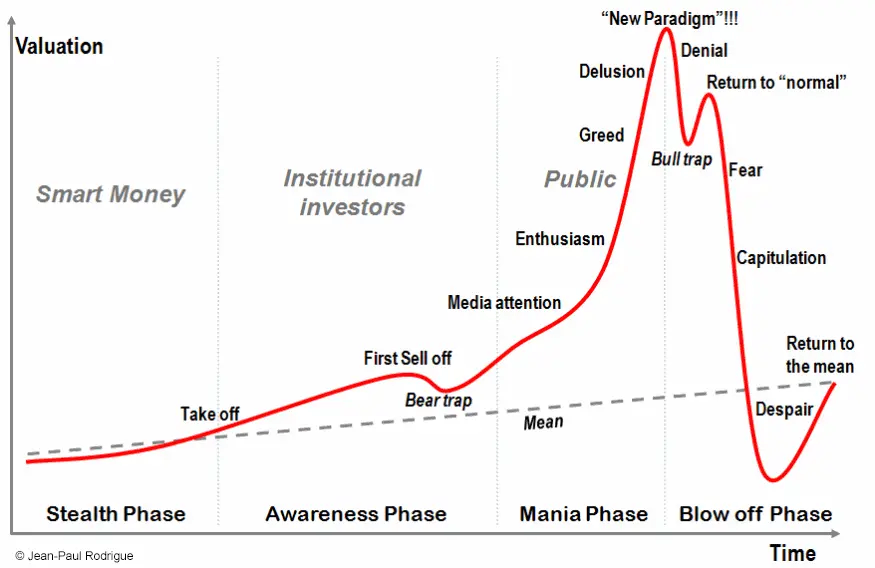
That tension is the essence of animal spirits: the emotional forces that drive markets beyond tidy spreadsheets and rational forecasts. Greed, fear, confidence, imitation, panic, and the occasional internet meme can move digital assets faster than many traditional valuation models can refresh.
A successful crypto hedge fund must therefore do more than predict prices. It needs a defensible strategy, a legally sound structure, institutional custody, reliable counterparties, disciplined risk controls, accurate accounting, and enough working capital to survive while investors are still “circling back.”
Institutional interest is no longer hypothetical. A 2025 AIMA and PwC survey found that 55% of participating traditional hedge funds had some digital-asset exposure, although many maintained relatively small allocations. That suggests growing acceptance, but it also confirms that professional investors are entering cautiously rather than cannonballing into the liquidity pool.
What Does “Animal Spirits” Mean in Crypto?
Economist John Maynard Keynes used the phrase “animal spirits” to describe the instincts and emotions influencing economic decisions. Crypto markets provide an unusually clear laboratory for the idea.
A token can surge because of a protocol upgrade, a major partnership, or improving network revenue. It can also surge because a celebrity posted a picture of a dog. Both developments may affect price, but only one fits comfortably into a discounted cash-flow model.
Crypto hedge funds try to convert this behavioral chaos into repeatable returns. Some follow trends. Others trade volatility, arbitrage differences between venues, invest in early-stage protocols, capture market-neutral yields, or take long and short positions based on fundamental research.
The key word is repeatable. A profitable personal wallet is not automatically a hedge fund strategy. Luck can produce an attractive screenshot. A fund requires a process that can be explained, audited, scaled, and followed when the market stops cooperating.
Start With a Strategy, Not a Logo
Before hiring lawyers or debating whether the fund’s name should contain “Alpha,” “Digital,” or an aggressive mythological animal, define exactly how the fund expects to make money.
Choose a Focused Investment Mandate
Common crypto hedge fund strategies include:
- Long-biased investing: Holding Bitcoin, Ethereum, and selected alternative assets based on long-term conviction.
- Long-short trading: Buying assets expected to outperform while shorting weaker tokens, futures, or related equities.
- Market-neutral arbitrage: Exploiting price, basis, funding-rate, or cross-exchange differences while limiting market direction exposure.
- Systematic trend following: Using quantitative signals to enter, size, and exit positions.
- Volatility trading: Trading options or volatility relationships rather than simply predicting whether prices will rise.
- DeFi and yield strategies: Using lending, liquidity provision, staking, or protocol incentives while managing smart-contract and liquidity risks.
- Venture-style investing: Purchasing private tokens, equity, warrants, or contractual rights before public network launches.
A new manager should resist combining every strategy into one deck. “We trade spot, derivatives, options, NFTs, DeFi, venture deals, artificial intelligence tokens, and whatever looks exciting on Thursday” is not diversification. It is an identity crisis with legal expenses.
Define the Actual Edge
Your advantage might come from superior research, faster data, proprietary execution technology, specialized blockchain expertise, relationships with token issuers, disciplined behavioral signals, or a proven ability to manage volatility.
The edge should survive basic questions:
- Why does this opportunity exist?
- Why have larger firms not eliminated it?
- Can it support more capital?
- What market conditions weaken it?
- How much of the historical return came from simply owning Bitcoin?
Backtests should include trading fees, borrowing costs, funding payments, slippage, token unlocks, failed orders, and realistic liquidity. A model that assumes every trade occurs at the prettiest price on the chart belongs in a museum of optimistic spreadsheets.
Build the Legal Structure Correctly
In the United States, a crypto hedge fund is usually organized as a private pooled investment vehicle. A common domestic structure includes a limited partnership or limited liability company as the fund, a separate general partner, and a separate investment management company.
Private funds are generally structured so they are not required to register as investment companies. Their advisers may still need to register with the SEC or a state regulator unless an exemption applies. Rule 506(b) and Rule 506(c) of Regulation D are common approaches for private offerings.
Rule 506(b) Versus Rule 506(c)
A Rule 506(b) offering generally avoids public solicitation and relies heavily on existing relationships and private fundraising. Rule 506(c) allows broader solicitation, but all purchasers must be accredited investors, and the issuer must take reasonable steps to verify their status.
The SEC emphasizes that merely asking investors to check an accreditation box is not enough. Depending on the exemption and circumstances, verification may involve tax forms, financial statements, credit reports, or written confirmation from an eligible professional.
The fund may also rely on an exclusion under Section 3(c)(1) or 3(c)(7) of the Investment Company Act. These choices affect investor eligibility, ownership limits, documentation, and the fund’s future ability to accept additional capital. Securities counsel should design the structure before marketing begins, not after a founder has already announced the fund to 40,000 followers.
Prepare the Core Documents
The legal package commonly includes a private placement memorandum, limited partnership or operating agreement, subscription agreement, investment management agreement, compliance policies, privacy notices, and investor qualification documents.
These materials should clearly explain:
- The investment strategy and permitted instruments
- Management and performance fees
- High-water marks and loss carryforwards
- Lockups, redemption windows, gates, and notice periods
- Valuation policies
- Side-pocket authority
- Use of leverage and derivatives
- Conflicts of interest
- Custody, cybersecurity, exchange, and smart-contract risks
- Manager discretion to suspend withdrawals under exceptional conditions
Understand the Regulatory Map
Calling an asset a “coin” does not magically place it outside securities, commodities, derivatives, tax, sanctions, or money-transmission rules. The analysis depends on what the fund trades, how it trades, where it operates, and what services it provides.
SEC and State Adviser Requirements
The investment manager may be required to register as an investment adviser with the SEC or an applicable state authority. Some smaller managers qualify as exempt reporting advisers, but “exempt” does not mean invisible. Filing, disclosure, recordkeeping, antifraud, and state-level obligations may still apply.
Registered private fund advisers can also face Form ADV and, when applicable, Form PF reporting. As of July 2026, the compliance date for previously adopted Form PF amendments has been extended to October 1, 2026, while regulators continue reviewing the framework.
CFTC and NFA Considerations
A fund trading commodity futures, options on futures, swaps, or certain leveraged products may be treated as a commodity pool. Its operator or adviser may need to register as a commodity pool operator or commodity trading advisor unless an exemption or other relief applies.
The NFA notes that most registered commodity pool operators must follow disclosure, reporting, recordkeeping, and investor-protection rules. NFA members conducting virtual-currency activities may also face additional disclosure requirements. In December 2025, CFTC staff issued conditional no-action relief for certain SEC-registered advisers operating privately offered pools limited to qualified eligible persons, illustrating how technical and fact-specific these determinations can be.
AML, Sanctions, and Money Transmission
FinCEN has previously distinguished investing in digital assets for an entity’s own benefit from operating as an exchanger or transmitter for other people. A fund that expands into payment processing, customer exchange services, or transfers on behalf of third parties can enter a different regulatory category.
FinCEN postponed the effective date of its investment-adviser AML rule from January 1, 2026, to January 1, 2028. Nevertheless, a serious manager should already conduct investor identification, beneficial-owner reviews, source-of-funds checks, sanctions screening, wallet-risk analysis, and transaction monitoring. OFAC expects U.S. persons involved with digital assets to avoid prohibited transactions and use risk-based sanctions controls.
Assemble an Institutional Service-Provider Stack
A credible crypto hedge fund is an ecosystem, not a heroic trader with three monitors and a caffeine subscription.
The typical service-provider team includes:
- Fund counsel: Structures the entities, offering, registrations, and investor documents.
- Tax counsel or CPA: Handles partnership tax, elections, reporting, and digital-asset transaction treatment.
- Fund administrator: Calculates NAV, processes subscriptions and redemptions, maintains investor records, and allocates profits and fees.
- Auditor: Examines financial statements and tests balances, valuations, ownership, and controls.
- Custodian: Safeguards assets with institutional access controls and reporting.
- Banking partner: Provides operating, subscription, redemption, and fiat-settlement accounts.
- Trading counterparties: Provide execution, financing, derivatives, borrowing, or over-the-counter liquidity.
- Compliance support: Assists with policies, testing, regulatory filings, communications, and employee supervision.
Do not select providers exclusively by price. A bargain administrator that cannot reconcile staking rewards or token forks may become surprisingly expensive during an audit.
Treat Custody as a Governance System
Crypto custody is not simply deciding where to store private keys. It requires documented authority, transaction approval rules, wallet segregation, reconciliation, incident response, insurance review, and business continuity.
Institutional controls may include cold storage, multi-signature authorization, hardware security modules, multifactor authentication, withdrawal allowlists, time delays, role-based permissions, and independent approval of transfers.
A practical wallet policy might separate:
- Long-term cold-storage assets
- Trading balances maintained at exchanges
- DeFi wallets with limited capital
- Staking wallets
- Gas-fee wallets
- Quarantined assets received through forks or airdrops
No single employee should be able to initiate, approve, and reconcile a transfer. The person making the investment decision should not possess magical unilateral authority over the wallet. That arrangement is less “agile startup” and more “future documentary.”
Control Counterparty, Liquidity, and Valuation Risk
Crypto trades around the clock across exchanges, dealers, blockchains, and decentralized protocols. Liquidity can disappear quickly, and the most attractive quoted price may exist on a venue where the fund cannot safely hold assets or withdraw collateral.
Diversify Counterparties
The fund should set exposure limits for each exchange, custodian, lender, stablecoin, protocol, bridge, and over-the-counter dealer. Counterparty reviews should cover financial condition, legal jurisdiction, asset segregation, withdrawal history, insurance, cybersecurity, audits, and contractual rights during insolvency.
Keep only necessary trading collateral on venues. Splitting assets among providers can reduce concentration risk, although excessive fragmentation creates its own reconciliation and operational headaches. Diversification is useful; opening 23 exchange accounts because each offers one fashionable token is not.
Create a Written Valuation Policy
The valuation policy should establish approved pricing sources, timing conventions, fair-value methods, treatment of stale prices, exchange outages, token restrictions, private investments, staking rewards, lockups, and assets with limited liquidity.
Smaller crypto assets may trade in fragmented markets where traditional valuation models and reported prices are less reliable. Independent review, multiple data sources, documented overrides, and administrator involvement help reduce both error and conflicts of interest.
Match Investor Liquidity to Portfolio Liquidity
A fund offering monthly redemptions should not quietly invest most of its capital in locked tokens, private rounds, or DeFi positions that require weeks to unwind. Redemption terms must reflect realistic exit capacity under stressed conditions, not the volume shown during a bull market.
Possible tools include initial lockups, notice periods, redemption gates, in-kind distributions, side pockets, and suspension provisions. These features should protect the entire investor base rather than serve as emergency improvisation after liquidity has vanished.
Design the Economics Around Survival
Management fees and performance allocations must support the business without encouraging reckless risk-taking. Although the classic hedge fund stereotype is “2 and 20,” emerging managers often charge less, especially before building an institutional track record.
Consider a hypothetical fund charging a 1.5% annual management fee on $20 million of assets. That produces $300,000 in gross management fees before legal costs, salaries, research, administration, audit, compliance, insurance, data, custody, travel, and technology. The manager may be running a sophisticated investment operation on the economics of a moderately busy restaurantexcept the restaurant does not need to explain a blockchain reorganization to its auditor.
Build a budget for at least 18 to 24 months. Performance fees are unpredictable, and fundraising usually takes longer than founders expect. Working capital should come from the management company’s owners, not from assuming the fund will immediately generate spectacular profits.
Raise Capital Through Trust, Not Hype
Professional investors evaluate far more than returns. They examine operational controls, team stability, personal trading, service providers, cybersecurity, compliance, drawdowns, liquidity, valuation, and the manager’s behavior during stress.
A strong fundraising package includes:
- A concise pitch deck
- A detailed investment process
- Net performance calculated consistently
- Clear benchmark comparisons
- Monthly return and drawdown data
- Service-provider details
- A due-diligence questionnaire
- Biographies and background information
- Risk and compliance summaries
Do not market a personal trading record as though it were automatically equivalent to institutional fund performance. Explain how it was calculated, whether it was audited, what capital was traded, which expenses were excluded, and how the future fund will differ.
Fund communications must be balanced. FINRA has repeatedly emphasized that hedge fund presentations should explain specific risks, strategies, structures, securities, fees, and tax considerations rather than showcasing only attractive returns.
Build Risk Management Before the First Trade
A risk framework should define position limits, leverage limits, stop-loss or review thresholds, collateral minimums, counterparty caps, liquidity requirements, protocol exposure, stablecoin exposure, and maximum acceptable drawdown.
Stress tests should model more than ordinary volatility. Useful scenarios include:
- A 35% weekend market decline
- A major exchange freezing withdrawals
- A stablecoin depegging
- A blockchain halting or reorganizing
- A smart-contract exploit
- A lender recalling credit
- A liquidity provider disappearing
- Several correlated positions falling simultaneously
- A key employee losing access during an emergency
Deloitte’s digital-asset risk materials emphasize that organizations need controls extending across market, operational, technology, regulatory, accounting, and governance risks. That broad approach matters because a crypto fund can be directionally correct and still lose money through custody failure, poor execution, tax mistakes, or counterparty collapse.
A Practical Crypto Hedge Fund Launch Sequence
Phase 1: Validate the Strategy
Document the investment thesis, target market, risk limits, capacity, execution method, and performance methodology. Test the strategy across bull, bear, sideways, high-volatility, and low-liquidity periods.
Phase 2: Design the Business
Create a realistic operating budget, ownership agreement, hiring plan, compliance calendar, technology architecture, and fundraising targets. Decide how much personal capital the founders will commit.
Phase 3: Form the Entities
Work with qualified counsel to establish the fund, general partner, and management company. Select the offering exemption, investor eligibility framework, fee terms, redemption rights, and regulatory filings.
Phase 4: Appoint Providers
Engage the administrator, auditor, tax adviser, custodian, bank, compliance resources, data vendors, and trading counterparties. Confirm that each provider genuinely supports the fund’s assets and strategy.
Phase 5: Test Operations
Run mock subscriptions, trades, wallet transfers, reconciliations, NAV calculations, fee allocations, redemptions, and emergency procedures. Resolve discrepancies before investor money arrives.
Phase 6: Launch Conservatively
Begin with manageable capital and limited strategy complexity. Measure execution, slippage, operational workload, reporting quality, and risk-model accuracy before expanding into additional assets or leverage.
Experience-Based Lessons From the Launch Process
The following observations are composite lessons drawn from common manager, investor, service-provider, and operational experiences. They are not presented as a claim of personal fund-management experience.
The first surprise for many aspiring managers is that starting a crypto hedge fund involves much less trading than expected. During the setup period, calendars fill with attorneys, administrators, auditors, banks, custodians, insurers, and compliance consultants. The founder who imagined spending every day analyzing markets instead spends Tuesday comparing subscription-document comments and Wednesday explaining why a protocol distributes rewards every few seconds.
The second lesson is that service providers hear the word “crypto” differently. One administrator may support liquid spot assets but not perpetual futures. Another may handle exchange trading but refuse DeFi. An auditor may accept Bitcoin custody confirmations but require additional procedures for staking, bridges, wrapped assets, or decentralized liquidity positions. Managers save time by describing the complete strategy at the beginning rather than revealing the exciting parts one surprise at a time.
Banking can also expose weaknesses in the business plan. A bank may want ownership documents, biographies, anticipated transaction volumes, investor profiles, counterparties, jurisdictions, compliance policies, and explanations of every connection to digital assets. Vague answers such as “we use blockchain technology” are rarely comforting. A precise flow-of-funds diagram is far more persuasive.
Fundraising creates another reality check. Friends who praised the strategy at dinner may become remarkably busy when subscription documents arrive. Family offices and institutional allocators often spend months reviewing a manager. They may request investment calls, operational reviews, background checks, references, cybersecurity materials, valuation policies, and detailed explanations of drawdowns.
The managers who handle this process best treat due diligence as useful pressure testing. An investor asking who can move assets from a wallet is not being difficult. The investor is identifying a control that the fund should have documented anyway.
Early trading also reveals the difference between theoretical and operational liquidity. A backtest may show a profitable arbitrage, but live execution introduces withdrawal delays, transfer fees, position limits, borrow shortages, exchange maintenance, minimum order sizes, and collateral trapped on the wrong venue. A beautiful 80-basis-point opportunity can become a five-basis-point return carrying several unpleasant forms of tail risk.
Reconciliation is often the least glamorous and most important daily task. Trades, deposits, withdrawals, fees, funding payments, staking income, token conversions, and airdrops must match records from custodians, exchanges, wallets, and the fund administrator. Small unresolved differences can grow into material NAV problems. Successful operations teams investigate discrepancies immediately instead of creating a mysterious spreadsheet category called “other crypto.”
Managers also learn that investors remember drawdown communication. Silence during a loss creates more anxiety than the loss itself. A clear update should explain what happened, which exposures contributed, whether risk limits were followed, what liquidity remains, and whether the investment thesis changed. It should not blame “market manipulation,” the moon’s position, or unnamed enemies on social media.
Finally, the strongest launch experience usually comes from starting narrower than the founder’s ambition. A fund can add strategies after its controls, providers, reporting, and investor communication have proven reliable. Removing complexity after a crisis is much harder. Institutional credibility grows from doing ordinary things consistently well: reconciling balances, honoring risk limits, documenting decisions, protecting keys, reporting accurately, and answering uncomfortable questions without performing verbal gymnastics.
Conclusion
Starting a crypto hedge fund is not simply a method for placing larger trades with other people’s money. It is the construction of an investment institution operating inside one of the world’s fastest, most emotional, and most operationally demanding markets.
Animal spirits can create extraordinary opportunities, but they also tempt managers to abandon discipline precisely when discipline matters most. The durable crypto hedge fund combines market insight with conservative custody, independent administration, sound legal advice, accurate valuation, counterparty diversification, transparent communication, and enough humility to assume that something unexpected will eventually happen.
The best launch objective is therefore not to look impressive on day one. It is to build a fund capable of surviving long enough for genuine skill to become visible.
Note: This article is for general educational purposes and does not constitute investment, legal, tax, accounting, or regulatory advice. Fund structures and obligations depend on strategy, assets, investors, jurisdictions, and current law. Research was synthesized from guidance and materials published by the SEC, Investor.gov, CFTC, NFA, IRS, FinCEN, OFAC, FINRA, AIMA, PwC, Deloitte, CFA Institute, BitGo, Coinbase, and other institutional market sources. Digital-asset rules continue to evolve, so prospective managers should obtain advice from qualified professionals before accepting capital or trading.

