Ever felt wildly in love with someone at breakfast, mildly allergic to their personality by lunch, and emotionally composing a wedding speech again by dinner? Congratulations: you may have brushed up against an ambivalent relationship. It is not always dramatic, toxic, or doomed. Sometimes it is simply the confusing middle ground where affection and frustration share the same couch, steal the same blanket, and refuse to define the relationship.
An ambivalent relationship is one marked by mixed feelings: closeness and distance, attraction and doubt, comfort and stress, “I miss you” and “please stop breathing so loudly.” While occasional mixed emotions are normal in long-term relationships, chronic ambivalence can leave people mentally exhausted. It can affect communication, commitment, trust, self-esteem, and even how safe someone feels being emotionally honest.
This guide explains the definition of an ambivalent relationship, common causes, major signs, examples, and practical ways to respond without turning your love life into a detective series with no season finale.
What Is an Ambivalent Relationship?
An ambivalent relationship is a relationship in which a person experiences strong positive and negative feelings toward the same partner, friend, family member, or romantic connection. In a romantic context, it often sounds like: “I love them, but I do not know if this is good for me.”
Ambivalence is different from indifference. Indifference says, “I do not care.” Ambivalence says, “I care so much that my brain has opened 47 browser tabs, and none of them are loading properly.”
In relationship psychology, ambivalence may involve emotional conflict, uncertainty about commitment, inconsistent satisfaction, or feeling pulled between staying and leaving. The relationship may contain real warmth, shared history, attraction, and support, but also recurring disappointment, tension, unmet needs, or fear.
Ambivalent Relationship vs. Normal Relationship Doubt
Every relationship has moments of doubt. Even happy couples occasionally wonder why their partner loads the dishwasher like a raccoon with a grudge. Normal doubt is usually temporary, specific, and workable. Ambivalence becomes more concerning when it is persistent, intense, and repetitive.
Normal Doubt May Look Like:
- Feeling irritated after an argument but still secure overall
- Questioning one issue, such as finances or future plans
- Needing time to adjust after a stressful life change
- Having occasional fears without constantly questioning the entire relationship
Ambivalence May Look Like:
- Frequently cycling between closeness and emotional withdrawal
- Feeling relieved and anxious at the same time around your partner
- Making mental pro-and-con lists every week
- Staying because leaving feels painful, but staying also feels painful
- Feeling unsure whether the relationship supports or drains you
Common Causes of an Ambivalent Relationship
Ambivalence rarely appears out of nowhere. It usually grows from repeated experiences that make the relationship feel both rewarding and risky. Below are some of the most common causes.
1. Inconsistent Emotional Availability
One of the biggest causes of relationship ambivalence is inconsistency. A partner may be loving one day and distant the next. They may promise change, show effort briefly, then slip back into old habits. This creates emotional whiplash. The loving moments keep hope alive, while the painful moments keep doubt alive.
Over time, the nervous system may start treating the relationship like a slot machine. Sometimes there is affection. Sometimes there is silence. Sometimes there is a jackpot text at 1:13 a.m. saying, “I miss us.” That unpredictability can become strangely addictive, but it is not the same as security.
2. Attachment Style Differences
Attachment styles can shape how people respond to closeness, conflict, and emotional needs. Someone with anxious attachment may crave reassurance and fear abandonment. Someone with avoidant attachment may value independence and pull away when things feel too intense. Put them together, and you may get the classic “come here, go away” dance.
In an ambivalent relationship, one partner may push for more connection while the other retreats. The more one pursues, the more the other distances. The more one distances, the more the other panics. Nobody is technically dancing well, but both are exhausted.
3. Unresolved Conflict
Every couple argues. The issue is not conflict itself; it is what happens afterward. If conflicts are never repaired, resentment builds. Partners may move on physically but stay emotionally stuck at the scene of the argument, holding tiny invisible clipboards labeled “Evidence.”
Unresolved conflict can create ambivalence because the relationship still contains affection, but also emotional debris. You may love the person, yet feel guarded because old pain has not been acknowledged or healed.
4. Fear of Being Alone
Sometimes people stay in uncertain relationships not because the relationship feels healthy, but because being alone feels scarier. This does not make anyone weak. Humans are wired for connection. But fear-based staying can create deep confusion: “Do I want this person, or do I want not to be lonely?”
That question can be uncomfortable, but it is also honest. A relationship chosen from love feels different from a relationship chosen because Saturday nights look too quiet without it.
5. Low Self-Esteem or Self-Doubt
When someone doubts their own worth, they may also doubt their right to ask for more. They may minimize hurtful behavior, over-explain a partner’s actions, or accept emotional crumbs and call it dinner.
Low self-esteem can make ambivalence harder to resolve because the person may not trust their own judgment. They may think, “Maybe I am too sensitive,” even when their needs are reasonable.
6. Strong Chemistry but Poor Compatibility
Chemistry is powerful. It can make a person seem like destiny, fireworks, and a really good playlist combined. But chemistry alone cannot carry a relationship if values, communication styles, life goals, or emotional maturity are mismatched.
This is one of the most confusing types of ambivalent relationships. The attraction is real. The connection may feel electric. But day-to-day life may feel unstable, frustrating, or misaligned. In plain English: sparks are nice, but they should not keep setting the kitchen on fire.
7. Family Patterns and Early Experiences
People often learn what love feels like from early family relationships. If love was unpredictable, conditional, critical, or mixed with anxiety, an ambivalent adult relationship may feel familiar. Not healthy, necessarily. Familiar.
For example, someone raised around emotional inconsistency may mistake intensity for intimacy. Calm love may feel boring at first because the body is used to earning affection rather than receiving it steadily.
8. Major Life Transitions
Stress can magnify uncertainty. Moving, job loss, illness, parenting, grief, financial pressure, or long-distance separation can turn manageable relationship issues into giant emotional billboards.
During life transitions, ambivalence may not mean the relationship is wrong. It may mean the couple needs better support, clearer communication, and fewer important conversations held while hungry.
Signs You Are in an Ambivalent Relationship
Not sure whether your relationship is ambivalent or just going through a rough patch? Look for patterns, not isolated bad days.
1. You Constantly Ask, “Should I Stay or Go?”
If this question appears more often than your weather app notifications, it matters. Chronic stay-or-leave thinking can signal that your needs, values, or sense of safety are not fully settled.
2. Your Feelings Change Dramatically After Small Interactions
A sweet text may make you feel secure. A delayed reply may make you question everything. This emotional roller coaster often points to uncertainty, insecurity, or inconsistent connection.
3. You Defend the Relationship Publicly but Doubt It Privately
You may tell friends, “We are great,” while privately searching “how to know if a relationship is right for you” at midnight. When your public story and private feelings do not match, ambivalence may be present.
4. You Feel Both Comforted and Drained
The same person may be your safe place and your stress trigger. They may calm you after work but also create the emotional chaos you need calming from. That combination can be deeply confusing.
5. You Keep Waiting for the “Good Version” to Return
Ambivalent relationships often involve memory-based hope. You stay attached to who the person was in the beginning, who they are on good days, or who they promise they will become.
6. You Overanalyze Everything
You replay conversations, decode tone, inspect punctuation, and wonder whether “k” means they are busy or emotionally gone forever. Overanalysis often grows where direct communication feels unsafe or unreliable.
7. Your Boundaries Keep Moving
You set a boundary, then soften it. You say, “This is the last time,” and then create a small legal loophole in your own heart. Flexible boundaries are normal; disappearing boundaries are not.
8. You Feel Guilty for Wanting More
If asking for respect, consistency, affection, or honesty makes you feel “needy,” ambivalence may be tied to self-worth. Healthy relationships allow both people to have needs without treating them like unpaid invoices.
9. The Relationship Has High Highs and Low Lows
Ambivalent relationships can feel passionate because the contrast is intense. Reunions feel amazing because disconnection felt awful. But intensity should not be confused with emotional safety.
10. You Avoid Making Future Plans
You may hesitate to plan vacations, move in, get engaged, or make long-term decisions because part of you is unsure whether the relationship will last. Future planning requires trust, and ambivalence fogs the windshield.
Examples of Ambivalent Relationship Patterns
The On-and-Off Couple
They break up, reunite, promise change, repeat. Friends stop reacting because the relationship has more seasons than a streaming drama.
The Almost-Perfect Partner
They are kind, attractive, and responsible, but something important is missing: emotional depth, shared values, physical chemistry, or long-term vision.
The Loving but Unreliable Partner
They care, but they are inconsistent. They show up when inspired, vanish when overwhelmed, and leave you emotionally budgeting for disappointment.
The Safe but Stagnant Relationship
There is comfort, history, and loyalty, but little growth. Nobody is terrible. Nobody is thriving. The relationship feels like a couch you cannot decide whether to keep or donate.
Is an Ambivalent Relationship Always Unhealthy?
No. Ambivalence is information, not a verdict. Sometimes it reveals areas that need communication, therapy, boundaries, or repair. Other times, it reveals a deeper incompatibility that has been politely wearing a fake mustache.
The key question is whether the relationship can respond to the ambivalence in a healthy way. Can both people talk honestly? Can they take responsibility? Can they change patterns, not just apologize poetically? Can they create more consistency, respect, and emotional safety?
If the answer is yes, ambivalence may become a doorway to growth. If the answer is no, it may become a revolving door that keeps hitting you on the way around.
What to Do If You Are in an Ambivalent Relationship
1. Name the Mixed Feelings Honestly
Start by admitting the truth without judging it. Try writing: “What I love about this relationship is…” and “What hurts or worries me is…” Seeing both sides clearly can reduce mental fog.
2. Look for Patterns, Not Promises
Promises are lovely. Patterns are louder. Instead of asking, “Did they say they would change?” ask, “What has consistently changed over time?” Real change has receipts.
3. Identify Your Non-Negotiables
Decide what you truly need in a relationship. Examples include honesty, emotional availability, shared values, kindness during conflict, physical safety, financial responsibility, or commitment clarity.
4. Have a Direct Conversation
Use specific language. Instead of saying, “You never care,” try, “When plans change without communication, I feel unimportant. I need us to agree on how we handle scheduling.” Clear beats dramatic, even if dramatic has better lighting.
5. Set Boundaries You Can Actually Keep
A boundary is not a speech; it is a practice. It may sound like, “I am willing to talk when we are respectful. If yelling starts, I will pause the conversation and return later.”
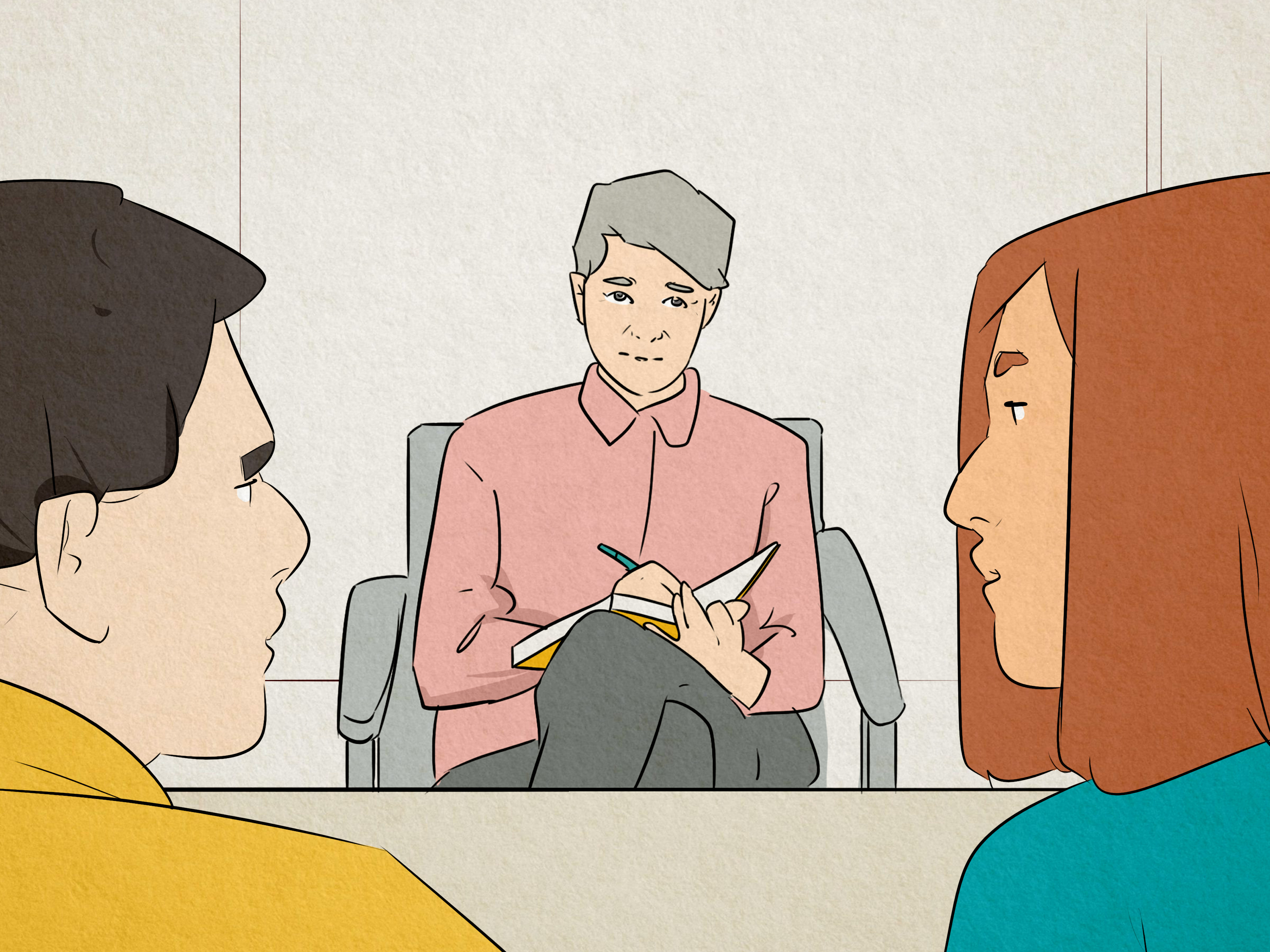
6. Consider Couples Therapy or Individual Therapy
Therapy can help identify attachment patterns, communication loops, unresolved injuries, and decision paralysis. Individual therapy can also help you separate fear, guilt, love, and obligation.
7. Do Not Ignore Safety
If the relationship involves coercion, threats, violence, intimidation, stalking, or control, the issue is not ordinary ambivalence. It is safety. Reach out to trusted support, a qualified professional, or emergency services if you are in immediate danger.
Questions to Ask Yourself
- Do I feel more like myself or less like myself in this relationship?
- Are my needs treated as important?
- Do we repair conflict, or only restart it later?
- Am I attached to the person as they are, or their potential?
- Would I want someone I love to accept this same relationship pattern?
- What would have to change for me to feel secure?
- Has that change happened consistently?
Personal Experiences and Real-Life Reflections on Ambivalent Relationships
Many people do not recognize an ambivalent relationship while they are inside it. It often feels less like a clear problem and more like emotional weather: sunny in the morning, thunderstorm by evening, mysterious fog when trying to make plans. One common experience is the “good weekend effect.” A couple may have a beautiful weekend together, laugh over dinner, feel close again, and suddenly all the doubts seem dramatic. Then, a few days later, the same unresolved issues return. The person begins to wonder, “Was I overthinking, or am I underreacting now?” That back-and-forth can be mentally exhausting.
Another familiar experience is feeling unable to explain the relationship to friends. When things are good, you want to protect your partner from criticism. When things are bad, you want validation that you are not imagining the pain. So you share only pieces of the story. Your friends hear about the argument but not the tenderness, or the tenderness but not the loneliness. Eventually, even you may feel confused about the full picture.
Some people describe ambivalent relationships as living in a constant state of “almost.” The relationship is almost stable. The partner is almost consistent. The apology almost becomes change. The future almost feels safe. That word can keep people invested for months or years. Almost is powerful because it offers hope without requiring proof.
There is also the experience of comparing your relationship to worse ones. You may think, “They do not cheat, they are not cruel, and they help when I need them. So why am I still unhappy?” This is where many people get stuck. A relationship does not have to be a disaster to be wrong for you. Sometimes the issue is not obvious harm, but a quiet lack of emotional nourishment.
On the other hand, ambivalence can sometimes lead to growth. A person may realize they have been avoiding vulnerability, expecting their partner to read their mind, or confusing calm with lack of passion. Couples who can discuss ambivalence with maturity may discover that the relationship is not broken; it is under-communicated. They may learn to repair conflict, clarify expectations, and build trust more deliberately.
The most important lesson from real-life ambivalent relationships is this: mixed feelings deserve curiosity, not panic. You do not have to make a life-changing decision in one emotional afternoon. But you also should not ignore the same pain forever. Pay attention to patterns. Pay attention to your body. Pay attention to whether conversations lead to action. Love is meaningful, but love works best when paired with respect, consistency, and emotional safety. Without those, even a strong connection can start to feel like a beautiful song played slightly off-key every single day.
Conclusion
An ambivalent relationship is not simply “being confused.” It is the experience of holding positive and negative feelings toward the same relationship at the same time. You may love someone deeply and still question whether the relationship is healthy, sustainable, or aligned with your needs.
The main signs include emotional highs and lows, repeated stay-or-leave thoughts, inconsistent closeness, weak boundaries, overanalysis, and feeling both comforted and drained. Common causes include attachment style differences, unresolved conflict, inconsistent availability, fear of loneliness, low self-esteem, life stress, and mismatched values.
The goal is not to shame yourself for having mixed feelings. The goal is to listen to them. Ambivalence may be asking for better communication, stronger boundaries, therapy, or a brave decision. Either way, your uncertainty is worth taking seriously. Your peace is not a luxury item. It belongs in the relationship budget.
Note: This article is for educational purposes only and is not a substitute for professional mental health advice, diagnosis, or treatment.