Every home has that one drawer, shelf, or chaotic corner where the “fix-it stuff” goes to mingle like a tiny hardware convention. A half-used tube of caulk. A mystery epoxy from three summers ago. Tape that may or may not still be sticky. And somewhere in the middle of that mess is the eternal homeowner question: which repair products are actually amazing, and which ones are just glorified clutter?
The truth is, the best home repair products are not always the flashiest ones. They are the reliable overachievers. The products that seal, bond, patch, fill, protect, and quietly save you from turning a small repair into a full-blown home improvement soap opera. The right spackling compound can make a wall ding disappear before lunch. The right wood filler can rescue a tired trim board. The right epoxy can keep a broken item out of the trash and back in service. And the right sealant can stop water from behaving like it pays rent.
In this guide, we will break down the most amazing repair products for common household fixes, explain what makes each type useful, and show how to choose the right one without falling for one-size-fits-all marketing. Because in the world of DIY, “amazing” usually means one thing: it works the first time, and it does not make you say words the neighbors can hear.
What Makes a Repair Product Truly Amazing?
Amazing repair products have a few things in common. First, they solve a specific problem well. That sounds obvious, but it matters. A good repair product is designed for a material, a surface, or a repair condition. Drywall patch products are not made for plumbing leaks. Wood putty is not the same thing as wood filler. And a rust treatment is not a miracle replacement for structural metal repair. The magic is in the match.
Second, great repair products are easy enough for normal humans to use. Not just contractors with six tool belts and a suspicious level of confidence. The best products spread smoothly, cure predictably, sand cleanly, stay flexible when needed, and do not require a chemistry degree to mix. Convenience matters because the easier a product is to use correctly, the more likely the repair will actually hold up.
Third, the best home repair products save more than money. They save time, reduce waste, extend the life of surfaces and fixtures, and keep minor damage from snowballing into major replacement costs. That tiny crack around a window? Ignore it long enough and it becomes an energy, moisture, and pest issue. Repair it early with the right product, and you get to keep your weekend.
The Most Amazing Repair Products for Everyday DIY Jobs
1. Flexible Spackling and Wall Repair Compounds
When it comes to wall dings, nail holes, and minor drywall damage, a good spackling compound earns its spot in the household hall of fame. These products are designed to fill surface defects, dry with minimal shrinkage, sand smooth, and disappear under paint. In other words, they help your wall recover from picture-hanging experiments, rogue doorknobs, and the occasional furniture-moving decision that felt smarter five minutes earlier.
Some modern wall repair products go a step further by combining repair compound with easier application systems. Small-hole repair kits and primer-enhanced spackles are especially useful for quick cosmetic fixes. Flexible spackling products are also valuable when dealing with hairline cracks that tend to reappear. Instead of acting brittle and giving up at the first hint of movement, they are designed to handle a little flex, which is exactly what many older homes need.
For homeowners, renters, and anyone trying to get a security deposit back without writing a heartfelt apology letter, wall repair compounds are amazing because they offer an outsized payoff. A tiny tub and a putty knife can make a room look dramatically cleaner, more finished, and more cared for.
2. Wood Filler and Wood Hardener
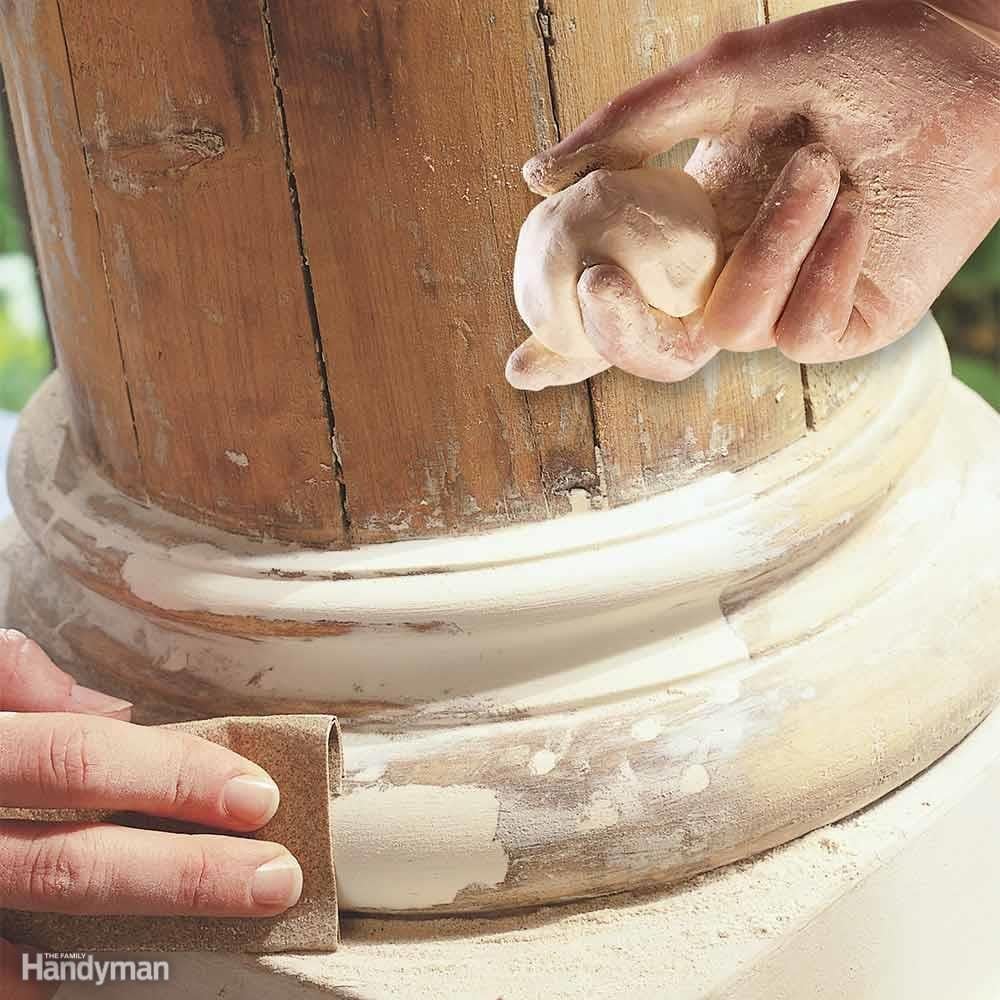
Wood repair is where many people learn a painful lesson: not every hole needs replacement, but not every filler is meant for the same job. A quality wood filler is one of the best repair products for fixing nail holes, gouges, cracks, and surface damage in trim, furniture, doors, cabinets, and other wooden features. Many formulas are sandable, paintable, and stainable, which makes them especially useful when appearance matters.
For more serious wood damage, such as soft or partially rotted sections, wood hardener and high-performance filler can work as a repair system. The hardener reinforces weakened fibers, while the filler rebuilds the damaged area. That combination can extend the life of exterior trim, window components, and decorative woodwork that might otherwise seem destined for replacement.
The amazing part is not that wood filler makes wood perfect. It is that it makes repair practical. Instead of replacing an entire board because of one damaged corner, you can restore the usable portion and move on with your life. That is not just efficient. That is deeply satisfying.
3. Epoxy and Epoxy Putty
If repair products were an action movie cast, epoxy would be the intense specialist who shows up when the regular tools have already failed. Epoxy products are ideal for strong, durable repairs on materials such as metal, ceramic, wood, some plastics, and concrete, depending on the formula. They are especially useful when you need strength, gap-filling ability, and a bond that can survive real-world abuse.
Two-part epoxy adhesives are popular because they combine resin and hardener to create a strong cured bond. They work well for household objects, mixed-material repairs, and spots where ordinary glue would wave a white flag. Epoxy putty adds another level of convenience because it can be molded by hand to patch, rebuild, or fill damaged areas, especially on metal parts or oddly shaped surfaces.
This is where “amazing repair products” becomes more than a catchy phrase. A good epoxy can save a broken handle, stabilize a cracked fixture, rebuild a chipped edge, or patch a small damaged section without sending the whole item to the landfill. It is the product you reach for when “close enough” is not good enough.
4. Caulk and Sealants
Caulk is one of the least glamorous but most essential home repair products ever invented. It does not get much praise. Nobody throws a party for a beautiful bead of sealant. But when used in the right place, caulk helps block water, air, dirt, insects, and the slow creep of wear around trim, tubs, sinks, windows, backsplashes, and siding joints.
The key is understanding that different caulks solve different problems. Some are designed for paintability and flexibility around trim and molding. Others are made for wet areas such as bathrooms and kitchens. Exterior sealants need to tolerate temperature swings, movement, and weather exposure. Flexible formulas are especially valuable in places where small movement is normal, because a brittle bead that cracks six months later is not a repair. It is a delayed disappointment.
An amazing sealant is one that stays where you put it, adheres well, remains flexible when required, and fits the job. It turns drafty, damp, or messy transitions into clean, durable edges. It also gives a room that freshly maintained look that people notice even if they cannot quite explain why.
5. Concrete Crack Fillers and Slab Repair Products
Concrete has a reputation for being indestructible, right up until you notice the cracks in the driveway, garage floor, patio, or walkway. Concrete repair products are amazing because they help stop damage while it is still manageable. Depending on the repair, you might use a liquid filler, a self-leveling sealant, an epoxy system, or a patching compound designed to rebuild broken areas.
For joints and flat horizontal cracks, self-leveling concrete sealants are especially handy because they flow into place and cure into a durable, flexible repair. For patching chips and missing sections, heavier repair compounds are better suited. The goal is not simply to hide the damage. It is to keep water out, reduce further breakdown, and restore function to a surface that gets regular traffic and weather exposure.
Concrete repair products earn the word amazing because they can make rough, neglected surfaces usable again without full replacement. That is a major win for any homeowner who would rather spend money on something fun, like literally anything else.
6. Rust Converters and Protective Metal Repair Coatings
Rust is the home maintenance equivalent of a slow, annoying villain. It starts small, looks almost harmless, and then quietly expands its ambitions. Rust treatment products are valuable because they help stop corrosion before it spreads. Some products are designed to convert rust into a paintable surface, while others add a protective barrier against future moisture and exposure.
These are especially useful for railings, tools, outdoor furniture, utility items, metal fixtures, and certain vehicle-related parts. Used correctly, they can stretch the life of metal surfaces that still have solid structural value but need attention. They are not magic wands for severely compromised metal, but for early-to-moderate rust issues, they can be a smart part of a maintenance plan.
One of the best things about rust-focused repair products is that they reward timely action. Catch a problem early, use the proper prep and coating, and you can sidestep a far more expensive replacement later.
7. Lubricants and Penetrants
Not every repair needs a filler, patch, or adhesive. Sometimes what your home really needs is less friction and less rust. A quality multi-use lubricant or penetrant is one of the most underrated repair products around. Squeaky hinges, sticky locks, stubborn fasteners, and tools that feel older than they are can often be improved dramatically with the right product.
This category is especially helpful for maintenance repairs, which are the quiet heroes of homeownership. A hinge that squeaks today may be just annoying. A hinge that binds, strains, and gets ignored for years can become a bigger hardware problem. The same goes for rusty bolts, outdoor equipment, and utility hardware exposed to moisture. Lubrication and light corrosion protection are simple actions that can postpone bigger repairs.
Amazing? Yes, because these products solve irritating little problems fast. And sometimes the best repair is the one that prevents you from having to make a repair at all.
8. Plumbing Repair Helpers Like Plumber’s Putty and Thread Seal Tape
Plumbing repairs can escalate quickly from “tiny drip” to “why is the cabinet floor wet?” That is why small, specialized plumbing repair products deserve respect. Plumber’s putty is useful for creating a waterproof seal between certain rigid fixture surfaces, while thread seal tape helps seal threaded pipe joints against leaks. These are not all-purpose solutions, but in the right application, they are wonderfully effective.
The beauty of plumbing repair helpers is precision. They are designed for specific connections and fixture tasks, which is exactly why they work so well. When you use a purpose-built product instead of improvising with whatever is in the junk drawer, your repair is far more likely to be clean, reliable, and free from future regret.
How to Choose the Right Repair Product
The smartest way to shop for repair products is to start with the material, not the marketing. Ask what you are repairing: drywall, finished wood, raw wood, concrete, metal, ceramic, plumbing threads, or a moving joint. Then ask what the repair needs to do: fill, bond, seal, protect, flex, or rebuild. That simple framework will get you further than any label screaming “ultimate” in giant letters.
Surface conditions also matter. Is the area indoors or outdoors? Dry or wet? Cosmetic or structural? Stationary or prone to movement? Will it be painted or stained later? A product that performs beautifully in a dry interior room might fail outdoors in heat, sun, and moisture. Likewise, a rigid filler may look fine on day one and crack later if the joint naturally shifts.
Another good rule is to respect preparation. Even the most amazing repair products hate dust, grease, loose material, and bad timing. Clean the surface. Remove failing material. Let things dry when the label says dry. Give curing time the dignity it deserves. Most repair failures are not dramatic product betrayals. They are user impatience wearing work clothes.
Common Mistakes That Make Good Products Look Bad
The first big mistake is choosing the wrong category. People use wood putty where a structural filler is needed, grab random glue for a wet-area repair, or patch a moving crack with a rigid material that has no chance of lasting. The second mistake is poor prep. If loose paint, dust, rust flakes, or moisture remain in place, even a strong product can lose adhesion.
The third mistake is expecting one product to do everything. There is no universal miracle tube that repairs drywall, seals tubs, fixes metal, fills concrete, and restores rotten trim while brewing coffee. Repair products are at their best when you let them do the job they were actually designed to do.
And finally, there is the classic error of rushing the finish. Sanding too soon, painting too early, or loading a repaired area before full cure is how a promising repair turns into a sequel nobody wanted.
Why Amazing Repair Products Are Worth Keeping on Hand
A thoughtfully stocked repair shelf can make home maintenance feel less intimidating. With a few reliable categories on hand, you can respond quickly to minor damage before it turns into a bigger expense. A good wall patch, a dependable wood filler, a flexible caulk, an epoxy, a rust treatment, a lubricant, and a couple of plumbing basics cover a surprising amount of real-life territory.
That does not mean turning your garage into a miniature hardware store. It means choosing versatile, proven repair products that match the kinds of issues homes actually have. The best repair strategy is usually boring in the best possible way: fix small problems early, use the right product, and save the drama for streaming services.
Experiences Related to Amazing Repair Products
One of the most relatable experiences with amazing repair products is the moment you realize a repair you have been avoiding for months is, embarrassingly, a ten-minute job. A little nail hole in the wall becomes part of the decor because it has been there so long. A cracked bead of caulk by the sink gets mentally classified as “not ideal, but not technically on fire.” Then one Saturday morning, armed with spackling compound, fresh caulk, and a burst of suspicious optimism, you fix both before the coffee gets cold. Suddenly, the room looks cleaner, newer, and oddly more expensive. That is the quiet power of the right repair product. It does not just fix the damage. It changes how the whole space feels.
Another common experience is learning that the wrong product can make a small repair weirdly personal. Plenty of people have tried using a generic glue where epoxy was needed, only to watch the “fixed” item fail again at the exact moment they were proudly showing it off. The lesson usually arrives with comic timing. A handle pops off. A ceramic piece separates. A loose part announces its independence. Then comes the second attempt, this time with a proper two-part epoxy or an epoxy putty, and the difference is immediate. The bond feels stronger. The repair feels intentional. Confidence returns. Pride survives.
Wood repair has its own emotional arc. At first, damaged trim or gouged furniture can look like the kind of problem that ends in replacement. The surface feels too far gone. The corner is chewed up. The scratch is deep enough to attract your eye from across the room like it is personally offended by your decorating choices. Then wood filler enters the story. Sand, fill, smooth, finish, step back. Is it magical? Not exactly. But it often feels close. The experience is especially satisfying because wood repair products let you rescue something instead of tossing it. There is a certain joy in saving a piece of furniture or a section of trim that seemed headed for retirement.
Then there are the practical, deeply unglamorous victories that feel amazing anyway. A squeaky hinge goes silent after weeks of complaining. A sticky lock finally behaves. A rusted bolt that seemed fused by destiny loosens with a little patience and the right lubricant. A small plumbing leak stops after using plumber’s tape correctly instead of improvising with a method that should probably never be spoken aloud again. These are not dramatic before-and-after television moments. They are better. They are real-life wins that save time, money, and sanity.
Perhaps the biggest experience people have with amazing repair products is a shift in mindset. Home repair starts to feel less like a threat and more like a manageable series of small decisions. Once you understand which product categories solve which problems, you stop panicking every time a crack, chip, squeak, or leak appears. You begin to notice patterns. Walls need patching. Wood needs filling. Joints need sealing. Metal needs protection. Hardware needs lubrication. Suddenly, the house is no longer a mysterious machine that breaks in creative ways. It is a place you can maintain with a little knowledge and the right supplies. And that may be the most amazing repair of all: the repair of your confidence.
Conclusion
Amazing repair products are not amazing because they promise the moon. They are amazing because they do ordinary jobs exceptionally well. They patch walls cleanly, seal joints properly, fill damaged wood, protect metal, stabilize concrete, and rescue everyday items from needless replacement. The smartest approach is not to chase a miracle product. It is to build a small lineup of reliable repair essentials and use each one where it shines.
In the end, the best home repair products help you protect your space, stretch your budget, and keep little problems from becoming expensive legends. That is not flashy. But in a home, flashy is overrated. Durable is beautiful.